The role of insurance adjusters in injury claims is pivotal in determining the outcome of your case. Understanding how insurance adjusters work can significantly impact the compensation you receive after an accident. These professionals are tasked with investigating claims, assessing damages, and negotiating settlements, making their expertise essential for claimants navigating the often complex claims process. This article will delve into the adjuster role in claims, highlighting their key responsibilities and functions. Additionally, we will provide valuable insights on dealing with insurance adjusters, offering best practices for claimants to ensure their interests are protected. By the end of this guide, you will be equipped with the knowledge needed to navigate injury claims with confidence, ensuring you understand the nuances of working with these critical players in the insurance landscape.
Understanding Insurance Adjusters in Injury Claims
What is an Insurance Adjuster?
An insurance adjuster is a professional who evaluates insurance claims on behalf of an insurance company. Their primary responsibility involves investigating the details of a claim, determining the extent of the insurer’s liability, and negotiating settlements with claimants. Adjusters play a critical role in the claims process, as they gather evidence, interview witnesses, assess damages, and ultimately decide how much compensation a claimant may receive. Understanding how insurance adjusters work is essential for anyone navigating an injury claim, as their findings can significantly impact the outcome.
Importance of Insurance Adjusters in Injury Claims
Insurance adjusters are pivotal in the injury claims process. They not only assess the validity of a claim but also influence the amount of compensation offered. According to the National Institute of Justice, approximately 60% of personal injury claims are settled before reaching a courtroom, largely due to the negotiations that adjusters facilitate. Their expertise can mean the difference between receiving a fair settlement and facing prolonged disputes.
Furthermore, dealing with insurance adjusters can often feel daunting for claimants. Many may not be aware of the adjuster’s objective, which is to minimize the insurer’s payout. For this reason, understanding the adjuster role in claims is crucial for those seeking compensation. Research shows that claimants who are well-informed and prepared generally receive higher settlements than those who are not. Therefore, having a clear strategy when interacting with insurance adjusters in injury claims is vital.
insurance adjusters are instrumental in determining the success of injury claims. By understanding their roles and how they operate, claimants can better navigate the complexities of the claims process and advocate for their rights more effectively.

How Insurance Adjusters Work in Injury Claims
The Claims Process Explained
When a personal injury claim is filed, insurance adjusters play a crucial role in determining the outcome. The process begins when a claimant submits their injury claim to the insurance company. Insurance adjusters, who are specialized professionals, are assigned to investigate the claim. Their primary objective is to assess the validity of the claim and the extent of damages.
The initial step involves gathering information. Adjusters will review the accident report, medical records, and any other relevant documentation. They may also interview witnesses and the claimant to gather more insights. This thorough investigation is essential in understanding the context and circumstances surrounding the injury. 
Once the investigation is complete, the adjuster will evaluate the claim’s merits and determine the compensation amount. This evaluation typically includes assessing medical expenses, lost wages, pain and suffering, and other damages. The adjuster role in claims is not just about numbers; they must also consider the emotional and physical impact of the injury on the claimant.
Evaluating Claims: What Adjusters Look For
When dealing with insurance adjusters, it’s important to understand what factors influence their decisions. They weigh various elements such as liability, the severity of injuries, and the credibility of the claimant. Insurance adjusters injury claims will often hinge on clear evidence supporting the injury and its related expenses. For instance, detailed medical records and bills are crucial in substantiating claims.
Moreover, adjusters will look for inconsistencies in the claimant’s story or documentation, which could raise red flags. Therefore, providing accurate and comprehensive information from the outset is vital. Claimants should also be prepared for possible negotiations, as adjusters may present an initial settlement offer that could be lower than expected.
Understanding how insurance adjusters work can empower claimants to navigate the process more effectively. Keeping detailed records and being upfront about injuries can significantly enhance the chances of a favorable outcome. For more tips on managing your claim, consider the role of insurance adjusters in injury claims.
Adjuster Role in Claims: Key Responsibilities and Functions
Understanding the role of insurance adjusters in injury claims is essential for anyone navigating the often complex world of insurance. These professionals are responsible for assessing damages, investigating claims, and ultimately determining the compensation that claimants may receive. Their responsibilities can significantly impact the outcome of injury claims, making it vital for claimants to be informed about their functions.
Communication with Claimants
One of the primary duties of an adjuster is to communicate effectively with claimants. This involves gathering detailed information about the incident, including any relevant documentation such as police reports, medical records, and witness statements. The adjuster must ensure that they understand the full scope of the injury and its implications for the claimant’s life.
For claimants, it is crucial to be transparent and provide accurate information during these interactions. Be prepared to discuss your injuries and their impact on your daily life. This openness can help build trust and facilitate a more productive dialogue with the adjuster. Remember, effective communication is a two-way street; do not hesitate to ask questions about the claims process and any documentation required. This proactive approach can be beneficial in dealing with insurance adjusters and ensuring fair treatment.
Negotiation Tactics in Insurance Adjusters Injury Claims
Negotiation is another key function of the adjuster role in claims. After assessing the damages, the adjuster will propose a settlement amount, which may not always align with the claimant’s expectations. Understanding how insurance adjusters work during negotiations can give claimants an edge.
To navigate this process effectively, claimants should:
- Research the average settlement amounts for similar injuries to set realistic expectations.
- Document all expenses related to the injury, including medical bills, lost wages, and any out-of-pocket costs.
- Be prepared to negotiate and counteroffer if the initial settlement is inadequate.
By employing these strategies, claimants can advocate for themselves more effectively during negotiations. It is vital to remember that the adjuster’s goal is often to minimize payouts; therefore, understanding their tactics can enhance your chances of receiving fair compensation.

Dealing with Insurance Adjusters: Best Practices for Claimants
Preparing for Interaction with Insurance Adjusters Injury Claims
When navigating the world of insurance adjusters injury claims, preparation is crucial. Understanding how insurance adjusters work can significantly influence the outcome of your claim. It is essential to gather all relevant documentation before your initial interaction. This includes:
- Medical records and bills related to your injury.
- Police reports, if applicable.
- Photos of the accident scene and any injuries.
- Witness statements or contact information.
- Any correspondence with your insurance company.
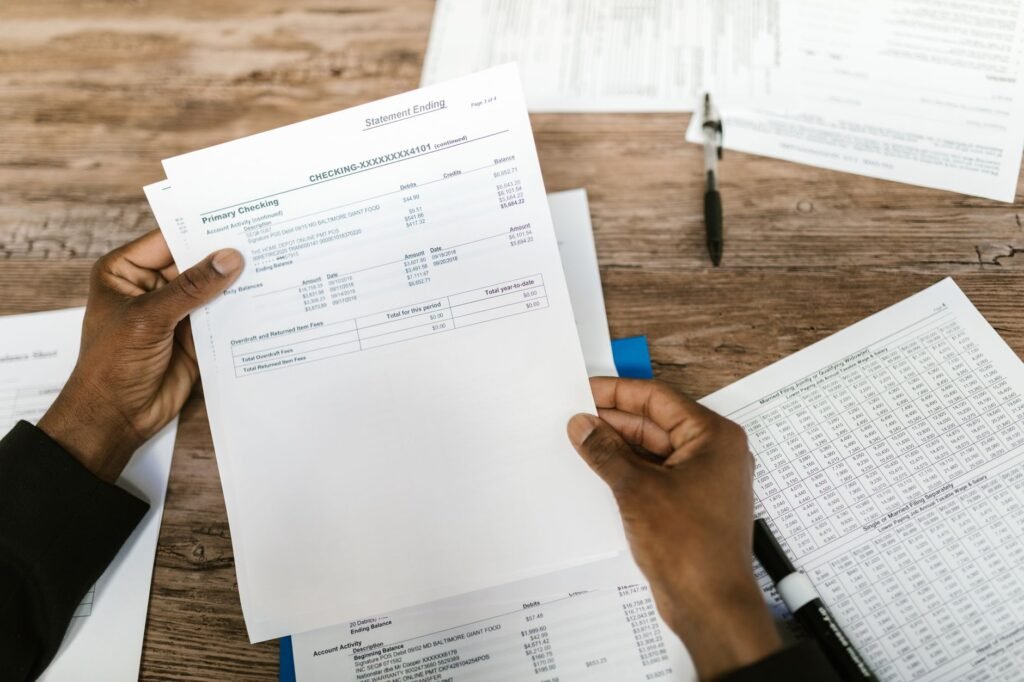
Organizing these documents will not only streamline your interactions but also demonstrate your seriousness and preparedness. When communicating with the adjuster, be clear and concise. Stick to the facts and avoid emotional language. This professional approach can foster a more constructive dialogue.
Common Pitfalls to Avoid When Dealing with Insurance Adjusters
While interacting with insurance adjusters, it’s important to be aware of common pitfalls that could jeopardize your claim. One major mistake is providing recorded statements without legal counsel. While it might seem harmless, adjusters often use these statements against claimants later on. Always consult with an attorney if you’re unsure.
Additionally, never accept the first settlement offer without careful consideration. Adjusters are trained to negotiate and may offer a lower amount initially. Research and compare similar cases to understand the value of your claim better. Remember, the adjuster’s role in claims is to minimize payouts for the insurance company, not necessarily to ensure you receive a fair settlement.
By being prepared and mindful of these common mistakes, you can navigate the claims process more effectively and safeguard your interests. For more insights on handling your claim, check out our guide on understanding insurance adjusters in injury claims.
Conclusion: Navigating Injury Claims with Confidence
Recap of Key Points on Insurance Adjusters Injury Claims
Understanding the role of insurance adjusters in injury claims is crucial for anyone involved in the claims process. Insurance adjusters evaluate claims, assess damages, and negotiate settlements on behalf of the insurance company. Their responsibilities can significantly affect the outcome of your claim. By grasping how insurance adjusters work, you can better navigate negotiations and advocate for a fair settlement. Key takeaways include the importance of documentation, the need to remain honest and clear in your communications, and the value of understanding the adjuster’s perspective.
Empowering Yourself in the Claims Process
To successfully manage your injury claim, it is vital to empower yourself with knowledge. Start by familiarizing yourself with the adjuster role in claims and the specific procedures your insurance company follows. This insight can help you anticipate potential challenges and prepare your case effectively. Additionally, when dealing with insurance adjusters, remember that you have the right to ask questions and seek clarifications about any part of the process that seems unclear.
Proactive steps such as researching your rights, consulting with legal experts, and maintaining organized records of your injuries and expenses will enhance your confidence throughout the claims process. Do not hesitate to reach out for help or advice; the more informed you are, the better equipped you will be to handle your claim effectively. Proper preparation can transform a daunting ordeal into a manageable task, ensuring that you navigate your injury claims with confidence.

Understanding the role that insurance adjusters play in injury claims is crucial for anyone navigating the complexities of the claims process. These professionals are pivotal in determining the validity of claims and the compensation amounts associated with them. By learning how insurance adjusters work, claimants can better prepare themselves for interactions and negotiations, ensuring they are informed and confident when dealing with insurance adjusters.
As you engage with the claims process, remember that being well-versed in the adjuster role in claims can significantly influence the outcome of your case. Gathering necessary documentation, maintaining clear communication, and knowing your rights will empower you during discussions. If you find yourself facing challenges with your claim, consider consulting an attorney experienced in insurance adjusters injury claims to help you navigate the process effectively.
“`html
What is the role of insurance adjusters in injury claims?
Insurance adjusters play a critical role in managing injury claims by investigating the circumstances surrounding an incident. They assess the extent of damages, gather evidence, and evaluate the claim’s legitimacy. Adjusters also negotiate settlements between the claimant and the insurance company, ensuring that the compensation offered aligns with the policy terms. Their expertise is essential in determining fair compensation for injuries sustained.
How do insurance adjusters evaluate claims?
Insurance adjusters evaluate claims through a systematic process that includes reviewing medical records, accident reports, and witness statements. They may also consult with experts to assess damages and ascertain liability. Adjusters take into account the policyholder’s coverage limits and the specifics of the claim. This thorough evaluation helps them recommend a fair settlement amount based on the evidence collected and the relevant insurance policy provisions.
What should I know about dealing with insurance adjusters?
When dealing with insurance adjusters, it’s important to remain calm and professional. Be prepared to provide detailed information about your claim, including documentation of injuries and expenses. Understand that adjusters are trained to protect their company’s interests, so they may offer lower settlements initially. It’s advisable to know your rights and, if necessary, consult with a legal professional to ensure you receive fair compensation for your injury claims.
How can I prepare for a meeting with an insurance adjuster?
Preparing for a meeting with an insurance adjuster involves gathering all relevant documentation related to your injury claim. This includes medical records, bills, photographs, and any correspondence with the insurance company. Familiarize yourself with your insurance policy and potential coverage limits. Practicing your key points can also help you communicate clearly. Being organized and informed will empower you in discussions and negotiations with the adjuster.
What are common mistakes when dealing with insurance adjusters?
Common mistakes when dealing with insurance adjusters include underreporting injuries or damages, providing inconsistent information, and accepting an initial settlement offer without negotiation. Many claimants also fail to document their expenses thoroughly. These missteps can adversely affect the outcome of your claim. It’s crucial to be transparent, keep records, and consider seeking advice from a legal expert to avoid these pitfalls.
How long does the insurance claims process take?
The duration of the insurance claims process can vary significantly based on the complexity of the case and the cooperation of all parties involved. Generally, straightforward injury claims may take a few weeks to a couple of months to resolve. However, more complicated cases may take longer due to disputes over liability or the extent of damages. Being proactive and responsive during the process can help expedite the resolution.
“`