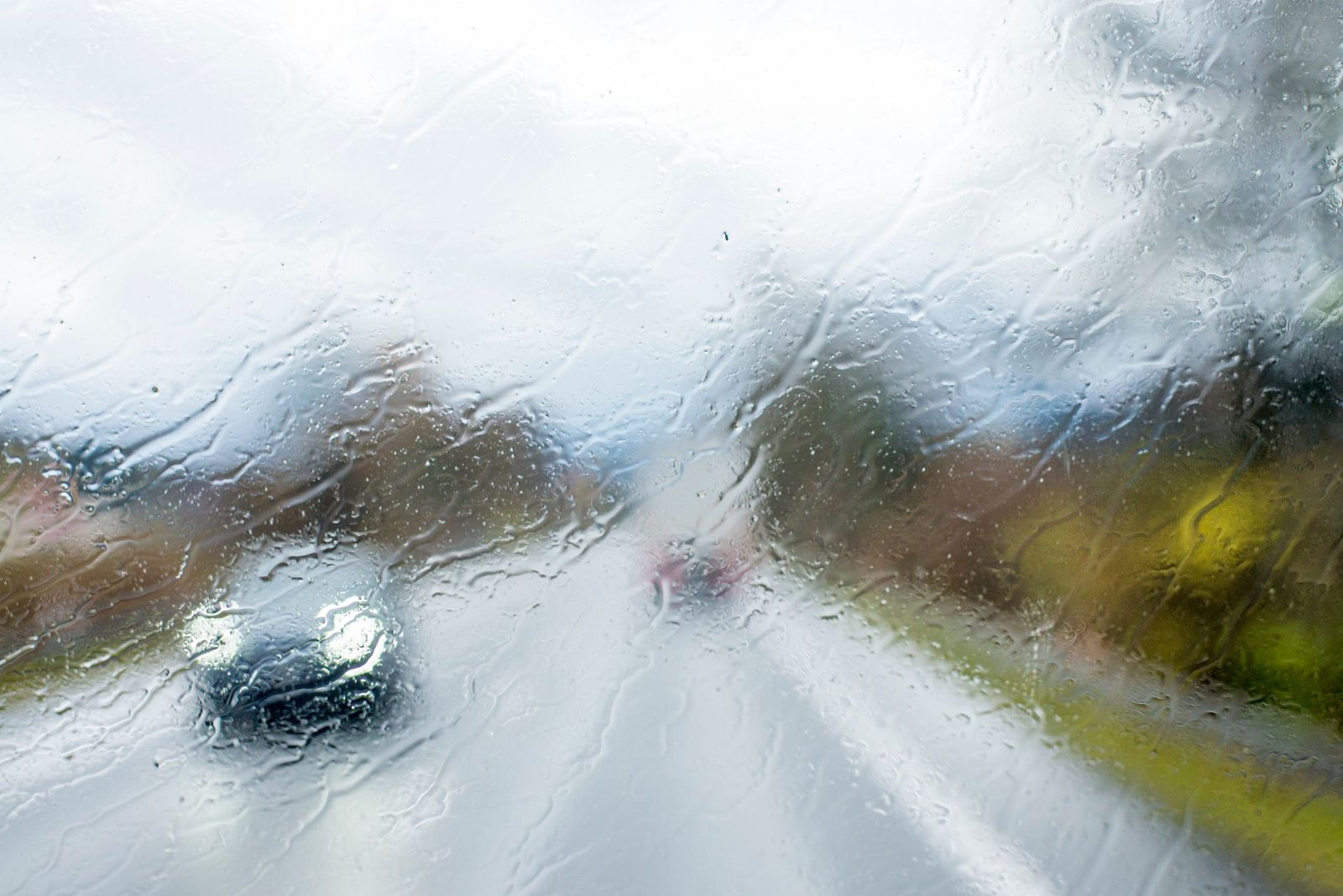
Weather conditions injury claims are a critical aspect of personal injury law that often go overlooked. As adverse weather can significantly influence the likelihood of accidents, understanding the accidents weather impact is essential for both claimants and legal professionals. This article explores how various weather conditions, such as rain, snow, and ice, increase the risk of accidents and subsequently affect injury claims. We will also delve into the importance of using an injury claim calculator weather factors, which can provide valuable insights into potential compensation amounts in such scenarios. Furthermore, we will examine real-world examples of calculating claims bad weather to illustrate the complexities involved. By the end of this article, readers will gain actionable takeaways that can enhance their understanding of navigating injury claims in bad weather, ultimately empowering them to make informed decisions in the face of unpredictable weather challenges. For further reading on the impact of weather on road safety, visit the NHTSA.
Understanding Weather Conditions Injury Claims
Weather conditions can significantly influence accident rates and the types of injuries sustained. Various weather phenomena, such as rain, snow, fog, and ice, contribute to hazardous conditions that increase the likelihood of accidents. According to the National Highway Traffic Safety Administration, nearly 22 percent of all crashes occur during adverse weather conditions. This statistic highlights the pressing need to understand how weather conditions injury claims can affect the outcomes of personal injury cases.
The Relationship Between Weather and Accidents
As weather changes, so do the risks associated with driving and outdoor activities. For instance, rain can reduce visibility and create slick road surfaces, leading to increased stopping distances and a higher likelihood of collisions. Snow and ice exacerbate these dangers, often resulting in multi-vehicle pile-ups and serious injuries. Fog, on the other hand, can drastically reduce visibility, causing drivers to misjudge distances and speeds. Understanding these risks is crucial for anyone involved in an accident during adverse weather conditions, as it plays a central role in calculating claims related to bad weather.
Types of Weather Affecting Injury Claims
- Rain: Causes slick roads and reduced visibility, often resulting in rear-end collisions.
- Snow and Ice: Lead to loss of vehicle control and increased stopping distances, significantly raising accident rates.
- Fog: Reduces visibility, leading to miscalculations in speed and distance between vehicles.
- Wind: Can affect vehicle stability, especially for larger vehicles, increasing the risk of rollovers.
When evaluating weather conditions injury claims, an injury claim calculator for weather conditions may help assess the potential compensation based on the severity of the accident and the prevailing weather. Accurate data is essential for both victims and insurance companies when determining fault and calculating claims in bad weather. Understanding these elements can empower individuals to navigate the complexities of their injury claims effectively.

Accidents Weather Impact: How Bad Weather Increases Risks
Weather conditions play a significant role in increasing the likelihood of accidents, leading to a surge in weather conditions injury claims. According to the National Highway Traffic Safety Administration, adverse weather contributes to approximately 22% of all vehicle crashes in the United States. This statistic highlights the critical need for awareness regarding the impact of weather on safety and liability.
Statistics on Weather-Related Accidents
Studies have shown that rain, snow, and ice significantly increase the risk of accidents. For instance, the Insurance Institute for Highway Safety reports that wet pavement causes a two to three times higher risk of crashes compared to dry conditions. Similarly, snowy and icy roads can lead to a staggering 70% increase in accident rates. These figures underscore the importance of considering weather conditions when evaluating weather conditions injury claims.
Common Types of Accidents in Adverse Weather
Adverse weather can lead to various types of accidents, each with its own risk factors:
- Car Crashes: Slippery roads and reduced visibility can result in collisions, often leading to serious injuries.
- Slips and Falls: Icy sidewalks and wet floors can cause pedestrians to fall, leading to injury claims.
- Workplace Incidents: Rain and snow can create hazardous working conditions, increasing the risk of accidents at construction sites and other outdoor workplaces.
When calculating claims in bad weather, it is essential to factor in the specific conditions that contributed to the incident. Utilizing an injury claim calculator weather can aid in determining potential compensation based on these variables. Understanding the accidents weather impact allows victims to build a stronger case for their claims.
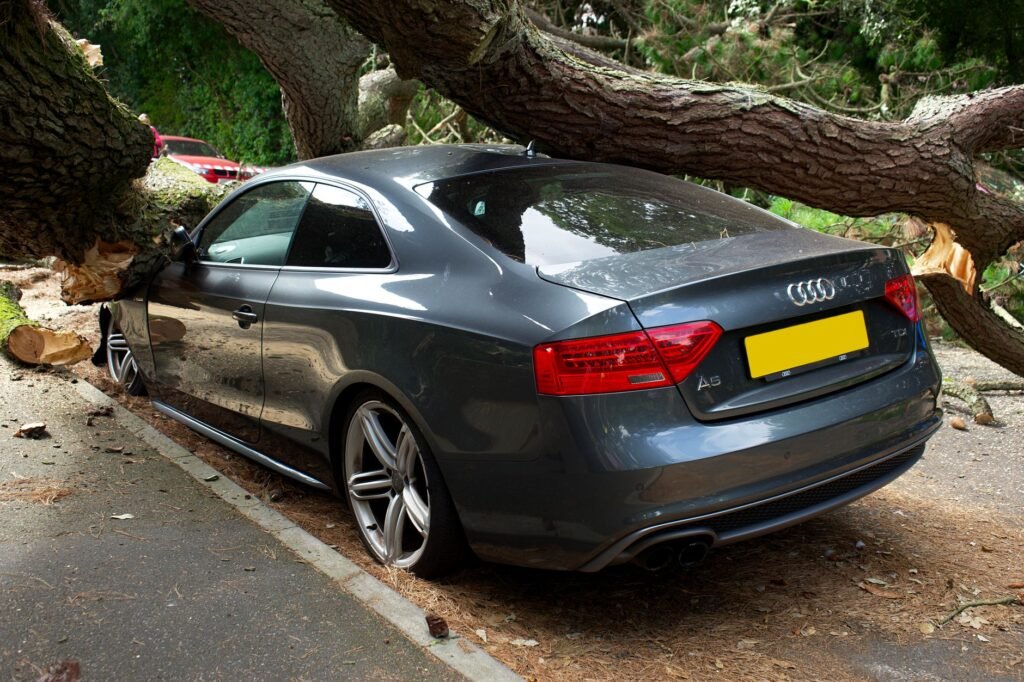
By recognizing the heightened risks associated with adverse weather, individuals can take proactive steps to minimize their chances of becoming involved in an accident. Always stay informed about weather conditions, and drive or walk cautiously during inclement weather to protect yourself and others.
Using an Injury Claim Calculator: Weather Factors
How Weather Influences Claim Calculations
Weather conditions can significantly impact injury claims, often determining liability and compensation amounts. For example, adverse weather conditions like rain, snow, or fog can increase the likelihood of accidents, influencing the way insurance companies assess claims. When evaluating weather conditions injury claims, insurers often consider the severity of the weather at the time of the accident, the actions of the involved parties, and whether appropriate precautions were taken. Understanding these elements is critical for accurate claim assessments.
Steps to Calculate Claims in Bad Weather
Utilizing an injury claim calculator weather tool can help streamline the claims process, especially in the context of adverse weather conditions. Here’s a step-by-step guide to help you navigate this process:
- Gather Evidence: Collect all relevant information regarding the accident, including police reports, photographs of the scene, and witness statements. Ensure you detail the weather conditions at the time.
- Use an Injury Claim Calculator: Find a reliable online injury claim calculator that incorporates weather factors. Many calculators allow you to input specifics such as weather conditions, the type of accident, and the extent of injuries.
- Input Data: Fill out the calculator with the necessary information, including your location, the date and time of the accident, and any documentation related to the weather conditions, such as reports from the National Weather Service.
- Review Results: Analyze the output from the calculator, which may provide an estimated range for compensation based on the severity of weather conditions and the nature of the accident. This can help in understanding the likely impact of adverse weather on your claim.
- Consult a Professional: If the results are unclear or if your claim is complex, consider consulting with a legal expert who specializes in personal injury and has experience with calculating claims bad weather.
By following these steps and utilizing available online tools, claimants can better navigate the intricacies of weather conditions injury claims. Resources such as the National Highway Traffic Safety Administration provide valuable data on accidents weather impact, which can further inform your claim.

Calculating Claims Bad Weather: Real-World Examples
Case Studies of Claims in Severe Weather
Weather conditions can significantly influence the outcome of injury claims. For instance, during a severe winter storm in Chicago, a driver lost control of their vehicle on an icy road, crashing into a pedestrian. The pedestrian filed a weather conditions injury claim, which was complicated by the fact that the city had not adequately cleared the streets. In this case, both the driver’s actions and the city’s negligence were considered, ultimately leading to a settlement.
In another example, a cyclist was struck by a car during a sudden rainstorm in Seattle. The driver claimed the rain impaired visibility, but evidence showed the driver was speeding and distracted. The cyclist’s claim was bolstered by witness testimonies and weather reports, emphasizing that while weather conditions were a factor, driver negligence played a critical role in the accident’s impact. This case illustrates how the accidents weather impact can vary based on individual circumstances.
Mitigating Factors in Weather-Related Claims
When calculating claims in bad weather, several mitigating factors come into play. For one, the level of preparation for adverse weather can significantly affect liability. If a driver fails to equip their vehicle with proper tires for snowy conditions, they may bear more responsibility for any resulting accidents.
Additionally, the jurisdiction’s laws regarding comparative negligence can also affect the outcome. For instance, if a driver is found to be 30% at fault for an accident while the weather conditions contributed to the situation, this percentage will be deducted from their recovery amount. An injury claim calculator weather can help assess potential settlements based on these factors.
Understanding how to navigate claims in inclement weather is essential for both victims and insurers. Each case has unique elements that can either strengthen or weaken a claim when weather conditions injury claims are involved. 
Actionable Takeaways for Injury Claims in Bad Weather
When dealing with weather conditions injury claims, understanding the nuances of documentation and legal rights is crucial. Here are some key takeaways to consider:
Best Practices for Documenting Weather-Related Injuries
Accurate and thorough documentation is vital for substantiating your injury claim. Here are best practices to follow:
- Collect Evidence: Take photographs of the accident scene, including any hazardous weather conditions that contributed to your injury. This may include ice, snow, or heavy rain.
- Gather Witness Information: If there were witnesses, obtain their contact information and statements regarding the incident. This can provide valuable support for your claim.
- Seek Medical Attention: Always consult a healthcare professional after an injury. Document all medical reports, treatment records, and receipts, which can be crucial when using an injury claim calculator weather to assess damages.
- Log Weather Conditions: Record the date and time of the accident, along with a detailed description of the weather. This information is essential for assessing the accidents weather impact and establishing liability.
Consulting Legal Experts on Weather Impact
Understanding your legal rights and the implications of bad weather on your claim is complex. Consulting a legal professional can provide clarity:
- Personalized Guidance: A lawyer experienced in weather conditions injury claims can help you navigate the intricacies of your case, ensuring that all aspects are considered.
- Assessing Liability: Legal experts can assist in determining whether the property owner or another party may share liability for your injuries due to inadequate maintenance during bad weather.
- Calculating Claims: They can also guide you through calculating claims bad weather, helping you evaluate potential compensation for medical expenses, lost wages, and pain and suffering.
Documenting your injuries and seeking legal advice is vital in maximizing your chances of a successful claim. By being proactive, you can better navigate the complexities associated with weather-related injuries.

Understanding how weather conditions affect injury claims is crucial for anyone involved in an accident during inclement weather. Factors like rain, snow, or fog can significantly impact the circumstances of an accident and the subsequent claims process. By utilizing an injury claim calculator weather, claimants can better assess the potential value of their claims, factoring in the adverse conditions present at the time of the incident. The accidents weather impact is undeniable, as bad weather can exacerbate the risks associated with driving and other activities.
For those navigating the complexities of calculating claims bad weather, it is advisable to consult with legal professionals who specialize in this area. They can provide insight into how weather conditions injury claims are evaluated and help ensure that all relevant details are considered. Taking proactive steps now, such as documenting your accident and gathering evidence of weather conditions, will strengthen your position when pursuing a claim. Reach out to a qualified attorney to discuss your situation and explore your options for moving forward.
“`html
How do weather conditions affect injury claims?
Weather conditions play a significant role in injury claims. Adverse weather can contribute to accidents, making it crucial to establish how conditions impacted the incident. For example, rain or snow can reduce visibility and traction, leading to collisions. Insurers often assess the weather at the time of the accident to determine liability, which can ultimately affect the outcome of weather conditions injury claims.
What types of weather impact accidents the most?
Severe weather conditions such as heavy rain, snow, ice, fog, and strong winds significantly impact accident frequency. Rain can create slippery roads, while snow and ice can lead to loss of vehicle control. Fog reduces visibility, making it difficult for drivers to see other vehicles and obstacles. Understanding how these weather factors influence accidents is essential for evaluating injury claims.
How can I use an injury claim calculator for bad weather cases?
An injury claim calculator for bad weather cases helps estimate potential compensation based on various factors. To use it effectively, input details such as the type of accident, severity of injuries, and the extent of property damage. Some calculators may allow you to factor in weather-related issues, such as reduced visibility or road conditions, which can affect liability and compensation in your weather conditions injury claims.
What are common injuries during severe weather accidents?
Common injuries during severe weather accidents include fractures, concussions, whiplash, and lacerations. Falls due to icy sidewalks or poor visibility can also lead to serious injuries. The risk of multi-vehicle collisions increases in adverse weather, resulting in more severe injuries. Documenting these injuries is vital for supporting your claims and ensuring you receive appropriate compensation.
Are there specific legal considerations for weather-related injury claims?
Yes, there are specific legal considerations for weather-related injury claims. These claims may involve proving negligence, which requires showing that the other party did not exercise reasonable care given the weather conditions. Additionally, some jurisdictions may have laws that address driving in adverse weather, which can influence liability. Understanding these factors is essential for navigating your claim effectively.
How can I document weather conditions for my injury claim?
To document weather conditions for your injury claim, gather evidence such as photographs of the scene, weather reports, and witness statements. Check local news outlets or weather services for reports on the conditions at the time of the accident. This documentation can support your case by showing how weather conditions contributed to the incident and could influence the outcome of your weather conditions injury claims.
“`