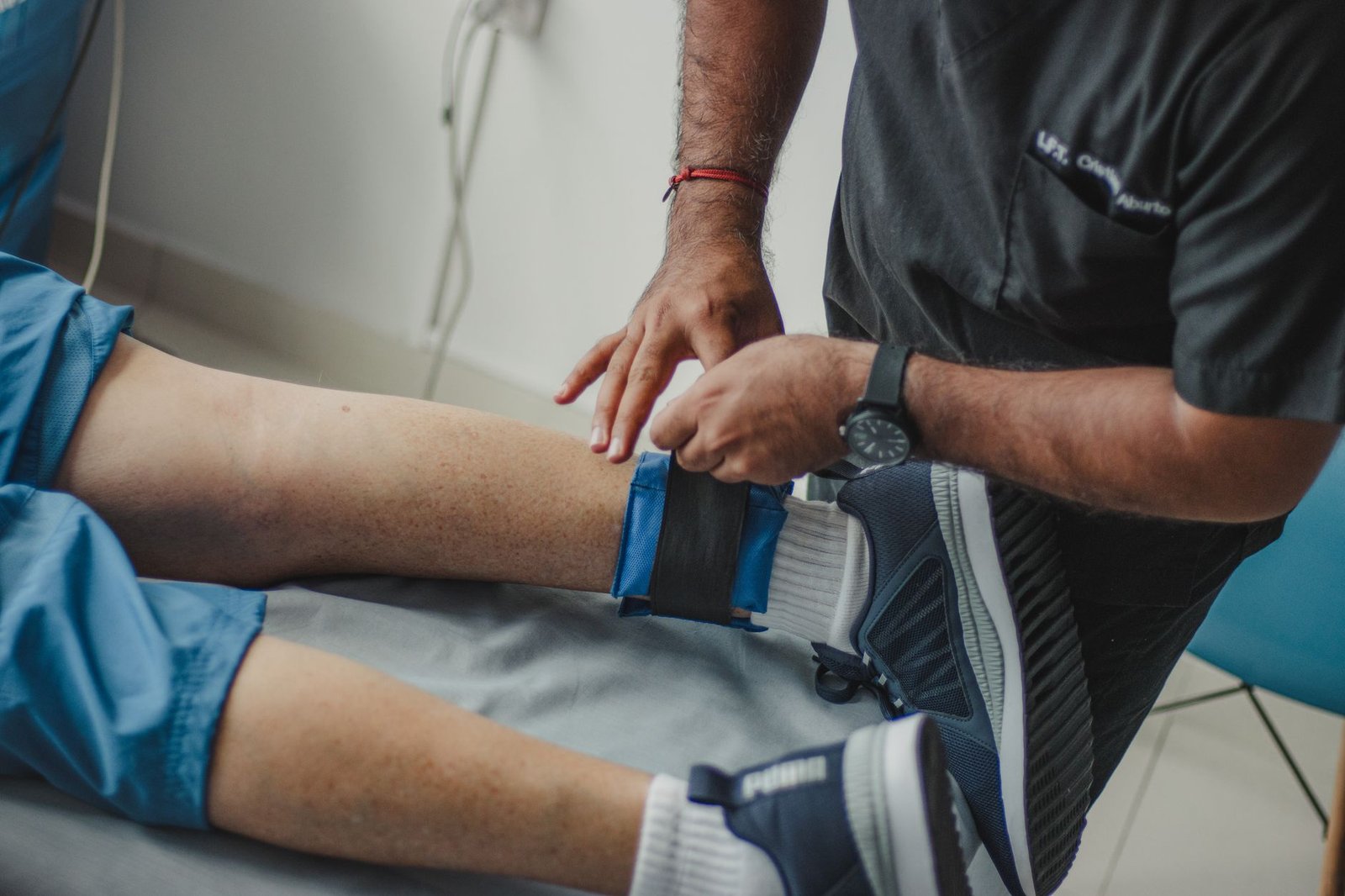
To effectively document injury for claim success, understanding the importance of thorough injury documentation is crucial. Proper injury documentation serves as the foundation for a successful injury claim, providing the necessary claim evidence to support your case. This article will delve into why you should meticulously document your injuries, highlighting the key components of effective injury documentation. We will also explore common mistakes to avoid when documenting injuries, ensuring that your records remain credible and useful. Furthermore, you will learn how to strategically use your documentation to bolster your chances of a successful injury claim. By the end of this article, you’ll recognize the significant impact proper documentation can have on your claim, empowering you to navigate the complexities of the claims process with confidence. For more insights on injury claims, visit Nolo and US Courts.
Why You Should Document Injury for Claim Success
Understanding the Role of Injury Documentation
Documenting your injury immediately after it occurs is critical for the success of your claim. Research indicates that claims with thorough documentation are significantly more likely to be successful. According to a study by the American Bar Association, claimants who provided comprehensive injury documentation received 25% higher settlements than those who did not. This underscores the importance of collecting evidence right after the incident.
When you document your injury for claim purposes, you’re creating a detailed record that includes everything from medical reports and photographs of the injury to witness statements. This injury documentation serves as vital claim evidence that can support your case during negotiations or in court. The clearer and more detailed your documentation, the stronger your position will be when dealing with insurers or legal parties.
How Documentation Affects Your Claim’s Outcome
Comprehensive documentation plays a pivotal role in shaping the outcome of your claim. Insurers are more likely to take your claim seriously if you can provide clear evidence of your injuries and their impact on your life. A lack of proper documentation can lead to disputes over the validity of your claim and may even result in denial.
Statistics show that nearly 70% of denied claims stem from insufficient documentation, as found in a report by the National Organization of Lawyers for Legal Aid. This statistic emphasizes the necessity to document injury for claim success. Without the right evidence, you risk not only losing your claim but also facing delays that can affect your recovery.
Ultimately, understanding the significance of documenting injuries can empower you to take the necessary steps to protect your rights. By ensuring that you capture all relevant details immediately, you place yourself in a stronger position for a successful injury claim.

Key Components of Effective Injury Documentation
Types of Evidence to Collect
To successfully document injury for claim purposes, it’s crucial to gather comprehensive evidence at the onset. The types of claim evidence that you should consider collecting include:
- Photographs: Capture detailed images of your injuries from multiple angles, including any bruising, swelling, or other visible signs of harm.
- Medical Records: Ensure you obtain all relevant medical documentation, including diagnosis reports, treatment plans, and bills, which serve as crucial evidence in substantiating your injury claim.
- Witness Statements: Collect statements from individuals who witnessed the incident. Their accounts can provide context and support your version of events.
- Police Reports: If applicable, request a copy of any police report that was filed, as this can lend credibility to your claim.
As you gather this evidence, remember that thorough injury documentation is essential for a successful injury claim.
Best Practices for Documenting Your Injury
Systematic documentation of your injuries is vital. Here are some best practices to follow:
- Maintain a Detailed Injury Journal: Write down your experiences, pain levels, and any limitations you face daily. This record can help illustrate the impact of your injuries on your life.
- Organize All Related Documents: Keep an organized folder for medical records, photographs, and other evidence. This will make it easier to present your claim when needed.
- Stay Consistent: Regularly update your journal and collect new evidence as your situation evolves. This ongoing documentation can be instrumental in reinforcing your claim.
By taking these steps to document injury for claim purposes, you can significantly enhance the strength of your case and increase the likelihood of a favorable outcome. gathering evidence for your injury claim calculation

Common Mistakes to Avoid When Documenting Injuries
Neglecting Important Details When You Document Injury for Claim
One of the most frequent errors individuals make when trying to document injury for claim is neglecting important details. Every piece of information matters, from the specifics of the injury to the circumstances surrounding the incident. Failing to capture details such as the time, location, and nature of the injury can weaken your claim significantly. For instance, if you were injured at work but fail to note the exact location or the equipment involved, it may be challenging to prove negligence on the part of your employer.
To avoid this pitfall, maintain a comprehensive record that includes:
- The date and time of the incident
- The exact location of the injury
- A detailed description of how the injury occurred
- Witness contact information
- Any immediate actions taken after the injury
Taking these steps will bolster your injury documentation and strengthen your case as you pursue a successful injury claim.
Failing to Seek Medical Attention
Another critical mistake is not seeking prompt medical attention after an injury. Delaying medical care can result in worsening conditions and may raise questions about the severity of your injury when it comes time to present claim evidence. Insurance companies often scrutinize the timeline of medical treatment, and any gaps can be seen as a lack of urgency or even doubt about the legitimacy of your injury.
Always prioritize your health and well-being. Obtain a professional medical opinion as soon as possible, and ensure that all treatment details are recorded. This not only aids in recovery but also provides essential documentation that supports your claim.
For those navigating the complexities of injury claims, understanding the importance of thorough documentation is vital. Avoid these common mistakes to enhance your chances of a successful injury claim and ensure that your rights are protected.

How to Use Your Documentation for a Successful Injury Claim
Presenting Your Case with Strong Evidence
When you document injury for claim purposes, the strength of your evidence can significantly impact the outcome. Start by organizing all relevant injury documentation such as medical records, photographs of the injury, and witness statements. Each piece of evidence should clearly illustrate the extent and impact of your injuries. For instance, medical reports that detail treatments received and your doctor’s observations can serve as critical claim evidence.
To enhance the effectiveness of your documentation, consider the following actionable steps:
- Collect Medical Records: Ensure you obtain copies of all medical evaluations, treatment plans, and bills. These documents should outline your diagnosis and the rationale for treatment.
- Photograph Your Injuries: Take clear photographs of your injuries from various angles, including any visible bruising, swelling, or other physical changes.
- Document Your Recovery Process: Keep a daily log of your symptoms, pain levels, and any limitations on your daily activities. This can help illustrate the ongoing impact of your injury.
Engaging Legal Support to Document Injury for Claim
Having legal representation can streamline the process of compiling and presenting injury documentation. An experienced attorney understands the nuances of your jurisdiction’s legal requirements and can help ensure that all claim evidence is correctly submitted. They can also assist in negotiating with insurance companies on your behalf, increasing the likelihood of a successful injury claim.
To maximize the benefits of legal support, follow these steps:
- Choose an Experienced Attorney: Look for a lawyer who specializes in personal injury claims and has a track record of successful cases.
- Provide Complete Documentation: Share all collected evidence with your attorney to help them build a strong case.
- Stay Informed: Keep open lines of communication with your legal team to ensure you understand the process and what is required at each step.
By methodically documenting your injury for claim purposes and leveraging legal expertise, you enhance your chances of securing the compensation you deserve. If you need more guidance on navigating the complexities of injury claims, consider consulting legal professionals who can provide personalized assistance.

Conclusion: The Impact of Proper Documentation on Your Claim
Thoroughly documenting your injury is not just a beneficial practice; it is a crucial step in ensuring the success of your injury claim. Throughout this article, we have established that proper injury documentation serves as the backbone of a compelling case. It provides essential claim evidence that supports your assertions regarding the extent and impact of your injuries.
When you document injury for claim, you create a detailed record that includes medical reports, photographs, and witness statements. This comprehensive approach not only enhances your credibility but also aids legal professionals in advocating on your behalf. According to a report by the American Bar Association, cases with well-documented evidence are significantly more likely to result in favorable outcomes.
To maximize your chances of a successful injury claim, it is imperative to take proactive steps in documenting your injuries. This includes obtaining timely medical evaluations, maintaining a personal journal detailing your recovery process, and securing copies of all relevant documentation. Remember to capture not just the physical symptoms but also the emotional and financial ramifications of your injury.
By prioritizing injury documentation, you empower yourself with the tools necessary to navigate the complexities of the claims process effectively. Don’t underestimate the importance of this step; it could make the difference between a denied claim and the compensation you rightfully deserve.

For further guidance on how to effectively document injury for claim, consider consulting with a legal professional who specializes in personal injury law. Their expertise can provide you with tailored strategies to strengthen your case and ensure that your documentation is both comprehensive and compelling.
Effective injury documentation is crucial for substantiating your claims and achieving a successful injury claim. By meticulously documenting your injury, you not only provide essential claim evidence but also strengthen your position when negotiating with insurance companies or during legal proceedings. This thorough approach ensures that you have all necessary records to support your case, which can significantly influence the outcome of your claim.
As you navigate the claims process, remember that the details matter. Begin documenting your injury as soon as possible, capturing every detail and obtaining relevant medical records. This proactive step will bolster your claim and improve your chances of receiving the compensation you deserve. Take the initiative today to document injury for claim effectively, and ensure that your injury is represented accurately and comprehensively.
“`html
What should I document after an injury?
After an injury, it is crucial to document all relevant details. This includes taking photographs of the injury and the accident scene, obtaining medical records and bills, collecting witness statements, and keeping a journal of your recovery process. This comprehensive documentation will help to strengthen your case when you document injury for claim purposes.
How does injury documentation help my claim?
Injury documentation plays a vital role in establishing the validity of your claim. It provides tangible evidence of the injury’s severity, the treatment received, and any impact on your daily life. Strong documentation can lead to a more successful injury claim by supporting your narrative and countering any disputes raised by the insurance company.
What types of claim evidence are most effective?
The most effective types of claim evidence include medical records, photographs of injuries and the accident scene, bills for medical expenses, and witness statements. These elements provide a clear picture of the injury and its consequences. Additionally, any documentation showing lost wages or ongoing treatment reinforces your claim further.
Can I still file a claim if I didn’t document my injury?
While it is possible to file a claim without prior documentation of your injury, it significantly weakens your case. Without evidence, proving the extent of your injury and related expenses can be challenging. To increase your chances of success, try to gather any available information or evidence post-incident, such as medical records or witness accounts.
How long should I keep injury documentation?
It is advisable to keep your injury documentation for at least three to five years after the incident. This duration allows for any potential claims or legal actions that may arise. Maintaining comprehensive records during this time ensures that you have all necessary evidence at hand if required in future discussions or disputes.
What are the best practices for documenting an injury?
To effectively document an injury, begin by capturing detailed photographs of the injury and the accident site. Record all medical visits and treatments, along with associated costs. Keep a journal detailing your recovery process and any impacts on daily life. Always retain copies of all documentation, including communications with insurance companies, for future reference.
“`