
The role of medical records in injury claim calculations cannot be overstated. These documents serve as vital pieces of evidence, providing a detailed account of an individual’s medical history, treatment received, and the impact of injuries sustained in an accident. Understanding the importance of medical records is essential for anyone pursuing an injury claim, as they form the foundation of injury claim documentation that determines the potential for compensation. This article will delve into the key components of injury claim documentation, explore how to navigate the process of obtaining medical records, and illustrate how these records can be utilized to maximize medical evidence compensation. By examining the interplay between medical records and injury claims, we aim to highlight the crucial role these documents play in ensuring fair assessment and resolution of claims. For more insights into effective claim strategies, visit resources from the Nolo or ABA for further guidance.
Understanding Medical Records in Injury Claims
What Are Medical Records?
Medical records are comprehensive documents that chronicle a patient’s medical history and treatment. They can include various types, such as hospital records, treatment histories, diagnostic reports, and test results. These documents serve as crucial injury claim documentation that outlines the medical treatment received, the diagnosis, and the prognosis following an injury. In injury claims, accurate medical records are essential to substantiate the extent of injuries and the necessary medical interventions.
How Medical Records Impact Injury Claims
When pursuing a medical records injury claim, these documents play a pivotal role in verifying the injuries sustained. They provide objective evidence that supports claims of pain, suffering, and medical expenses. Insurers rely on this medical evidence for compensation decisions, making it vital for claimants to ensure that their medical records are complete and accurate.
Any discrepancies or missing information can lead to delays or denials in claims. Therefore, maintaining meticulous records and following up with healthcare providers for updates is paramount. Properly organized medical records not only facilitate smoother claims processing but also enhance the legitimacy of the claim in the eyes of insurers and legal representatives.
By understanding the importance of medical records in the context of injury claims, individuals can better prepare their cases. The clearer and more detailed the documentation, the stronger the basis for a successful compensation claim.

The Importance of Medical Records in Injury Claim Calculations
Why Accurate Documentation Matters
When pursuing an injury claim, the role of medical records is paramount. They serve as the backbone of injury claim documentation, providing essential details regarding the nature and extent of injuries sustained. Accurate medical records not only help establish a clear link between the incident and the injuries but also substantiate the need for treatment. Insurance companies and legal representatives rely heavily on these records to calculate compensation amounts. In fact, a study published by the National Institutes of Health emphasizes that comprehensive medical documentation can significantly influence the outcome of a claim.
Potential Pitfalls of Incomplete Records
While the importance of medical records cannot be overstated, inaccuracies or missing information can lead to detrimental outcomes. Incomplete or poorly documented records may result in reduced compensation or even denial of claims. For instance, if a medical provider fails to document a diagnosis clearly, it can create ambiguity regarding the injury’s severity, ultimately affecting medical evidence compensation. Furthermore, a lack of follow-up records can weaken the argument for ongoing treatment, making it harder to justify future medical expenses. Therefore, it is crucial for claimants to ensure that their medical records are thorough and accurate, as this will bolster their case and support a fair compensation calculation.

Key Components of Injury Claim Documentation
Essential Medical Evidence for a Medical Records Injury Claim
When pursuing a medical records injury claim, it is vital to gather comprehensive documentation that substantiates your case. The following components are essential for effective injury claim documentation:
- Medical Bills: Detailed invoices and receipts for all medical treatments received, including hospital stays, surgeries, and outpatient services.
- Treatment Plans: Documents outlining the prescribed course of care, including medications, physical therapy, and follow-up appointments.
- Diagnostic Imaging: X-rays, MRIs, CT scans, and other imaging results that provide evidence of injuries sustained.
- Physician’s Reports: Written evaluations and opinions from healthcare providers regarding the extent and impact of injuries.
These documents not only demonstrate the importance of medical records in your claim but also serve as crucial medical evidence for compensation. Each piece of documentation contributes to building a stronger case that accurately reflects your injuries and the necessary treatments.
Supporting Documentation for Claims
In addition to medical records, supporting documentation is vital for a comprehensive injury claim. This may include:
- Witness Statements: Accounts from individuals who observed the incident or can verify the impact of the injuries.
- Employment Records: Documentation of lost wages or reduced earning capacity related to the injury.
- Insurance Correspondence: All communication with insurance companies regarding claims, coverage, and settlements.
Collectively, these documents enhance the strength of your injury claim documentation. They provide the necessary context and evidence that support your case, making it easier to pursue the compensation you deserve. For those unfamiliar with the process, consulting with a legal expert can further clarify how to effectively compile and present your medical records injury claim. How Medical Records Impact Your Injury Claim Settlement

Navigating the Process of Obtaining Medical Records
Obtaining your medical records is a crucial step in the process of a medical records injury claim. These records serve as essential injury claim documentation that provides medical evidence for compensation. Here’s how you can efficiently navigate the process of requesting your medical records.
How to Request Medical Records
Requesting your medical records can often be straightforward if you follow these actionable steps:
- Identify the Provider: Determine which healthcare facility or provider has your records. This could include hospitals, clinics, or specialists.
- Contact the Office: Reach out to the provider’s medical records department. You can usually find contact information on their website or through a quick phone call.
- Complete a Request Form: Most facilities require you to fill out a specific form to request your records. This form will ask for your personal information, details about the records needed, and your signature.
- Provide Identification: Be prepared to present a valid ID to verify your identity, ensuring confidentiality.
- Specify the Purpose: Clearly state that you need the records for an injury claim, which can expedite the process and ensure you receive the necessary documents.
Once your request is submitted, monitor the process closely. Understanding the importance of medical records in your claim can motivate timely follow-ups.
Timeline for Receiving Records
The timeline for receiving your medical records can vary significantly, often taking anywhere from a few days to several weeks. To mitigate potential delays:
- Follow Up: If you haven’t received your records within the expected timeframe, contact the facility to check on the status of your request.
- Be Aware of State Laws: Some states have laws that require medical providers to fulfill requests within a specific time frame. Familiarize yourself with these regulations to advocate effectively.
- Utilize Online Portals: Many healthcare providers offer online patient portals that allow you to access your records digitally, which can speed up the process.
By ensuring you have the necessary medical evidence for your injury claim, you can strengthen your case for compensation. The proper handling of your medical records can significantly impact the outcome of your claim.

Using Medical Records to Maximize Compensation
Strategies for Leveraging Medical Evidence in Your Injury Claim
When preparing for an injury claim, effective use of medical records is crucial to maximizing compensation. These records serve as the backbone of your injury claim documentation, providing essential medical evidence that validates your injuries and the associated costs. Here are some strategies to make the most out of your medical records:
- Comprehensive Documentation: Ensure that all injuries and treatments are thoroughly documented. This includes not just initial treatment records but also follow-up visits, diagnostic tests, and any prescribed medications.
- Timely Follow-ups: Regular follow-ups with healthcare providers help maintain updated records, which are vital for proving ongoing medical needs and expenses.
- Detailed Descriptions: Medical records should contain detailed descriptions of your injuries, treatment plans, and the prognosis. These details provide context that can significantly influence compensation amounts.
Utilizing your medical records effectively can enhance your case. It’s important to remember the importance of medical records in establishing the legitimacy of your claims and the necessity for compensation for medical expenses, lost wages, and pain and suffering. Medical Records and Injury Claims: Essential Insights.
Avoiding Common Mistakes with Medical Records Injury Claim
While medical records can significantly bolster your injury claim, there are common mistakes to avoid that could undermine your case:
- Inadequate Documentation: Failing to document every injury or treatment can weaken your claim. Ensure that all relevant medical visits and procedures are recorded.
- Ignoring Follow-up Care: Skipping follow-up appointments or not adhering to treatment plans can be interpreted as a lack of seriousness regarding your injury, potentially impacting compensation.
- Delayed Requests for Records: Obtaining your medical records can take time. Delaying this process can hinder your claim’s progress and may lead to missed deadlines.
A proactive approach to managing your medical records is essential for achieving fair medical evidence compensation. By avoiding these pitfalls and leveraging your records correctly, you can create a compelling case for your injury claim. The Role of Medical Records in Injury Claims.

Conclusion: The Crucial Role of Medical Records in Injury Claims
Recap of Key Points Regarding Medical Records in Injury Claims
Throughout this article, we have highlighted the pivotal role that medical records play in injury claims. These documents serve not only as a comprehensive history of your medical treatment but also as essential evidence in establishing the extent of your injuries. The importance of medical records cannot be overstated; they are critical for substantiating your claims and ensuring you receive appropriate compensation. Accurate and timely injury claim documentation, including medical records, is vital for demonstrating the impact of injuries on your life, both physically and financially.
Moreover, the connection between medical evidence and compensation is clear: without thorough and detailed medical records, your injury claim may lack the necessary support to achieve a favorable outcome. Properly organized and well-maintained records can significantly increase your chances of a successful claim.
Next Steps for Claimants to Utilize Medical Records in Injury Claims
To maximize the impact of your medical records injury claim, take proactive steps in obtaining and utilizing your medical records effectively. Start by requesting copies of all relevant documents from your healthcare providers, ensuring they are complete and accurate. Maintain a well-organized file of your injury claim documentation for easy access throughout the claims process.
- Consider consulting with an attorney specializing in personal injury to help navigate the complexities of your claim.
- Keep detailed notes of your medical visits, treatments, and any changes in your condition.
- Utilize your medical records to clearly communicate the ongoing effects of your injuries to insurers and relevant parties.
By taking these steps, you can enhance your position when negotiating your injury claim and work towards a resolution that fairly compensates you for your damages.
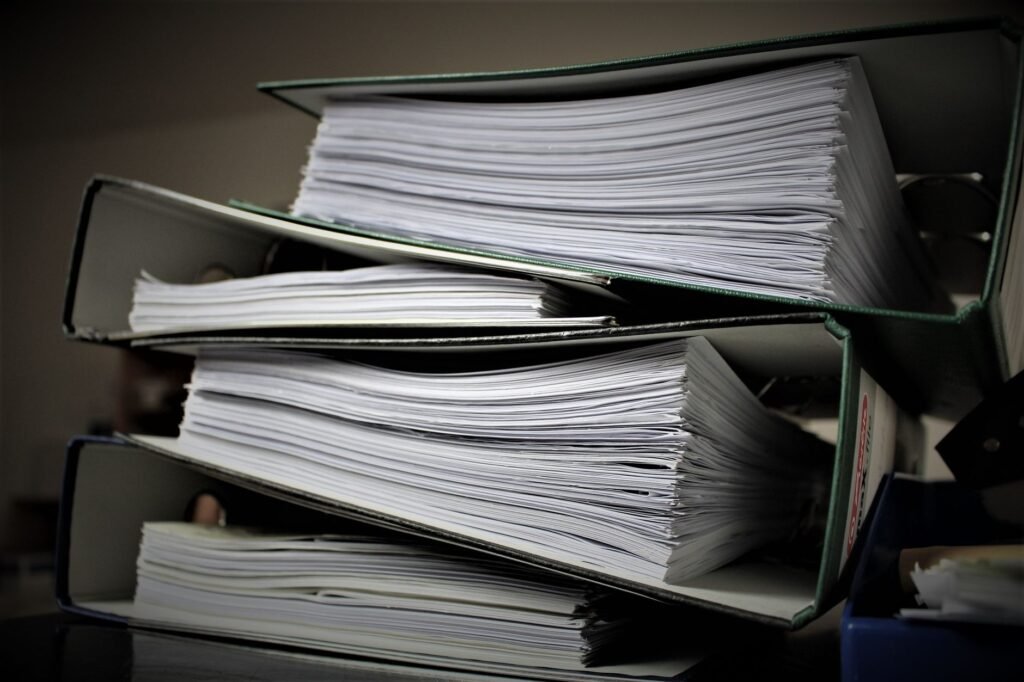
The medical records injury claim process underscores the importance of medical records as vital components in establishing the validity of claims. Accurate and comprehensive injury claim documentation can significantly impact the outcome of compensation negotiations. With proper medical evidence, injured parties can substantiate their claims, ensuring they receive fair compensation for their suffering and losses.
For anyone navigating the complexities of an injury claim, understanding the role of medical records is essential. It is advisable to keep thorough documentation of all medical treatments and communications, as these records will be crucial in supporting your case. If you haven’t already, consider consulting with a legal professional who can guide you in gathering and presenting your medical records effectively, enhancing your chances of securing rightful compensation.
“`html
What role do medical records play in an injury claim?
Medical records are crucial in an injury claim as they provide documented evidence of the injuries sustained and the treatment received. They help establish the extent of your injuries, the prognosis, and any related medical expenses. Insurance companies and legal representatives rely on these records to determine the validity of your claim and the compensation amount. Without accurate medical records, it can be challenging to substantiate your injury claim, potentially affecting the outcome.
How can I obtain my medical records for a claim?
You can obtain your medical records by submitting a formal request to your healthcare provider or hospital. Most facilities have a records department that can guide you through the process. You may need to fill out a release form and provide identification. Depending on the facility’s policies, you might be charged a fee for copies. It’s important to request these records promptly, as they are essential for your injury claim documentation.
Why is accurate medical documentation important?
Accurate medical documentation is vital because it ensures that your medical history is correctly represented and can significantly influence the outcome of your injury claim. This documentation reflects the severity of your injuries, the treatments received, and any ongoing medical issues. Inaccuracies can lead to disputes with insurance companies and may result in lower compensation. Therefore, maintaining precise and thorough medical records is essential for a successful claim.
What types of medical evidence are needed for compensation?
For compensation, you will need various types of medical evidence, including detailed medical records, diagnostic tests, treatment plans, and bills for medical services. Reports from healthcare providers that outline your injury, the treatment process, and your recovery status are also essential. This medical evidence supports your claim and helps establish the link between the accident and your injuries, which is necessary for receiving compensation.
How can missing medical records affect my injury claim?
Missing medical records can severely hinder your injury claim by creating gaps in your documentation. If there are inconsistencies or a lack of evidence regarding your injuries and treatment, insurance companies may reject your claim or offer a reduced settlement. It’s crucial to ensure that all relevant medical records are accounted for and submitted, as they play a pivotal role in establishing the credibility of your claim.
What are common mistakes to avoid when documenting injuries?
Common mistakes when documenting injuries include failing to keep comprehensive and organized records, neglecting to record all medical visits, and not noting the details of your symptoms. Additionally, relying solely on verbal accounts instead of written documentation can lead to misunderstandings. It’s important to maintain a clear timeline of your injuries and treatments, as thorough injury claim documentation is critical for a successful claim.
“`