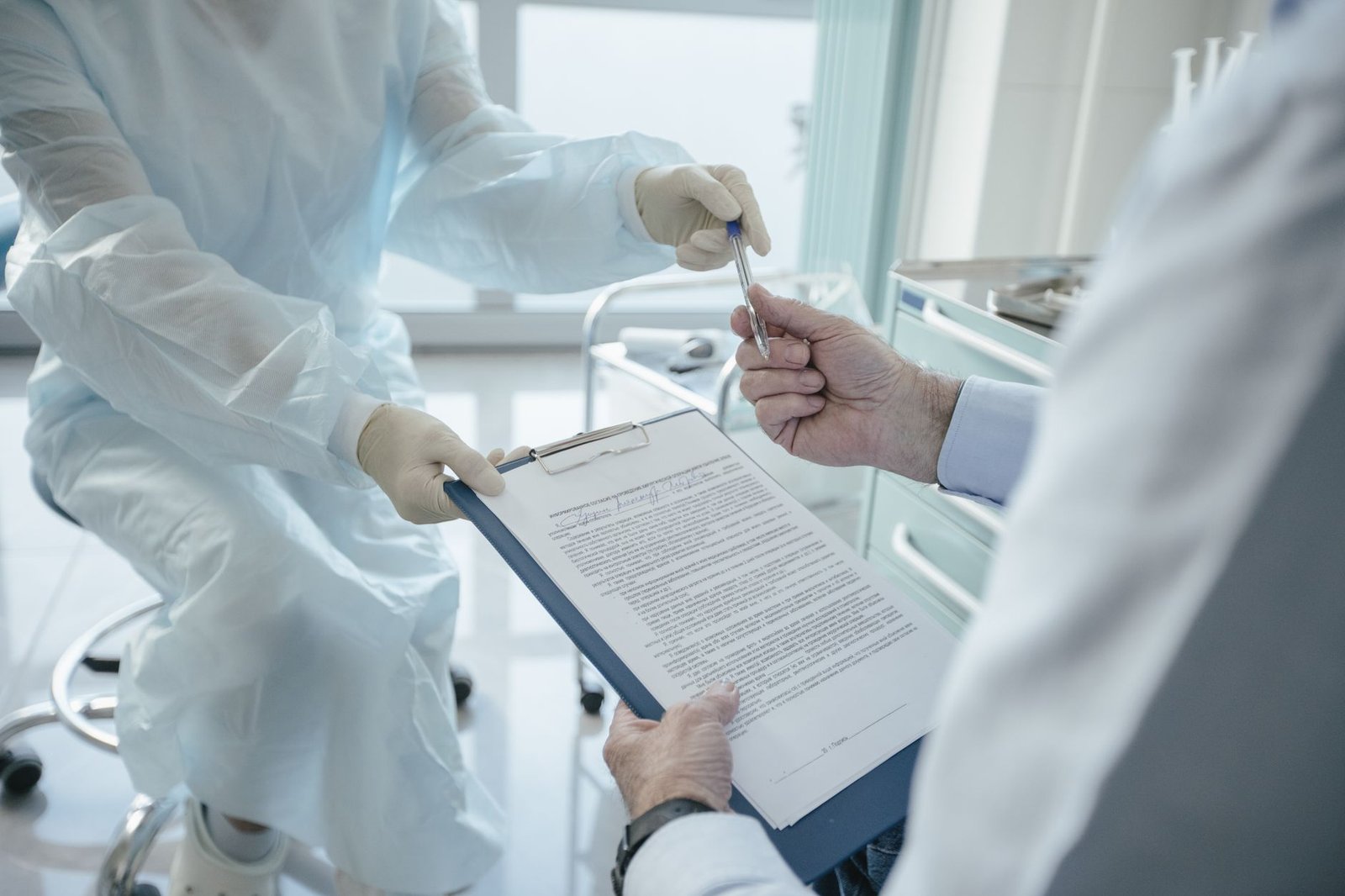
Medical documentation injury claims play a crucial role in the evaluation and resolution of personal injury disputes. Accurate and comprehensive medical records not only substantiate the injuries sustained but also serve as pivotal medical evidence in claims processes. This article delves into the importance of medical records in supporting injury claims, highlighting key components of injury claim documentation that can significantly impact the outcome of a case. Additionally, we will examine the challenges that often arise with medical documentation, alongside a legal perspective on its necessity in injury claims. Best practices for collecting and organizing medical documentation will also be discussed to ensure that claimants are well-prepared. Understanding these elements is vital for anyone navigating the complex landscape of injury claims, as proper medical documentation can decisively influence the success of a claim. For further insights on the significance of medical evidence in claims, refer to the Nolo Legal Encyclopedia.
Understanding the Role of Medical Documentation in Injury Claims
The Importance of Medical Records in Injury Cases
When pursuing injury claims, the medical documentation injury claims process is vital for establishing the legitimacy of your case. Accurate and comprehensive medical records serve as a foundation for your claim, demonstrating the extent of your injuries and the treatment you received. They document the timeline of events, showing how your injuries relate to the incident in question. This connection is crucial; without clear medical records, it can be challenging to prove that your injuries were directly caused by the accident.
The importance of medical records cannot be overstated. They provide the necessary evidence that insurers and courts require to assess the validity of your claim. Detailed documentation, including treatment notes, diagnostic tests, and follow-up appointments, creates a narrative of your recovery process. This narrative not only supports your claims but also can significantly influence the outcome of negotiations and legal proceedings.
How Medical Evidence Strengthens Your Claim
Effective injury claim documentation relies heavily on the medical evidence gathered throughout your treatment. Comprehensive medical documentation includes not just the initial diagnosis but also ongoing care and any complications arising from your injuries. This evidence is essential in showcasing the full impact of the injuries on your life, both physically and emotionally.
Incorporating medical evidence in claims helps to substantiate your assertions regarding pain, suffering, and lost income due to your injuries. Insurers often scrutinize claims, and having well-organized medical documentation can facilitate smoother negotiations. By demonstrating the severity and implications of your injuries through detailed medical records, you strengthen your position and increase the likelihood of a favorable outcome in your injury claim.

Key Components of Injury Claim Documentation
Types of Medical Records Required for Medical Documentation Injury Claims
When pursuing an injury claim, having the right medical documentation is crucial. Various types of medical records serve as essential components of your injury claim documentation. These records can help substantiate your claim and establish the extent of your injuries. Here are the key types of medical records you should gather:
- Treatment Notes: These notes detail the diagnosis, treatment plans, and progress made during your medical visits. They provide insight into the nature of your injuries and the care you received.
- Diagnostic Tests: Results from X-rays, MRIs, CT scans, and other diagnostic tests can serve as strong medical evidence in claims, illustrating the severity of your injuries.
- Medical Bills: Itemized medical bills outline the costs associated with your treatment. They are vital for establishing the financial impact of your injuries.
- Prescriptions: Records of prescribed medications can demonstrate ongoing pain management and treatment efforts.
How to Organize Your Medical Evidence for Claims
Proper organization of your medical evidence is essential for a successful injury claim. By systematically arranging your documentation, you can streamline the claims process and enhance your chances of a favorable outcome. Consider these actionable steps:
- Create a Folder: Use a physical or digital folder dedicated to your injury claim. Label it clearly for easy access.
- Chronological Order: Organize your medical records in chronological order. This helps illustrate the progression of your injuries and treatments over time.
- Label Documents: Clearly label each document, indicating its type (e.g., treatment notes, diagnostic test results) and date. This will make it easier for claims adjusters to review your case.
- Summarize Your Records: Consider creating a summary that outlines key points from your medical documentation. This can serve as a quick reference for both you and any legal representatives.
By focusing on the importance of medical records and organizing your medical documentation injury claims effectively, you can strengthen your case and facilitate a smoother claims process.

Challenges with Medical Documentation in Injury Claims
When navigating the complexities of injury claims, the role of medical documentation cannot be overstated. However, various challenges can arise in securing comprehensive medical evidence in claims, making the process difficult for claimants. This section explores common issues and provides actionable solutions to ensure robust injury claim documentation.
Common Issues with Medical Records
One prevalent issue in medical documentation injury claims is the occurrence of missing or incomplete records. Due to administrative errors, such as misfiling or lost documents, important medical histories may be inaccessible, hindering the claim process. Additionally, discrepancies between medical records and patient testimonies can create confusion or skepticism regarding the legitimacy of the claim. Another challenge lies in the varying formats and standards of medical documentation across different healthcare providers, complicating the consolidation of data.
Overcoming Documentation Challenges in Medical Documentation Injury Claims
To address these challenges, claimants should take proactive steps to ensure all necessary medical evidence is available:
- Request Complete Records: Regularly follow up with healthcare providers to request all relevant medical records. Document all communications for reference.
- Verify Information: Cross-check details in your medical records for accuracy. If discrepancies arise, contact your healthcare provider to rectify them promptly.
- Utilize Professional Help: Consider hiring experts such as legal advisors or medical record retrieval services to assist in obtaining and organizing your medical records efficiently.
- Understand Documentation Standards: Familiarize yourself with the importance of medical records and the specific requirements for injury claims in your jurisdiction. This knowledge can help you anticipate any potential issues.
By recognizing these common challenges and implementing strategic solutions, individuals can significantly enhance the effectiveness of their medical documentation injury claims, ensuring they have the necessary support for a successful outcome.

The Legal Perspective on Medical Documentation for Injury Claims
Understanding the Legal Requirements
In the realm of personal injury law, medical documentation plays a crucial role. The importance of medical records cannot be overstated, as they serve as foundational evidence in injury claims. Legal standards require that any claim for damages be substantiated by medical evidence, which includes detailed records of diagnosis, treatment, and prognosis. Without proper documentation, claims may be dismissed or settlements significantly reduced.
Courts typically look for specific types of records, such as emergency room notes, treatment plans, and follow-up care details. These documents not only demonstrate the extent of an injury but also establish a direct link between the incident and the medical issues that arise from it. Inadequate or missing records can weaken a claimant’s position, making it essential for individuals to maintain comprehensive injury claim documentation.
How Medical Documentation Influences Legal Outcomes in Medical Documentation Injury Claims
The presence or absence of specific medical records can drastically influence the outcome of legal proceedings. For instance, when medical evidence in claims is thorough and well-organized, it can lead to favorable settlements or verdicts. Conversely, gaps in documentation may result in delays or even denial of claims. Insurers often scrutinize medical records to evaluate the legitimacy of a claim, and any inconsistencies can be detrimental.
Claimants should ensure that all medical documentation is accurate and complete, as this can facilitate smoother negotiations and potentially higher compensation. Legal professionals often recommend obtaining copies of all relevant medical records from healthcare providers as soon as possible after an injury. This proactive approach can help secure the necessary evidence to support a claim effectively.
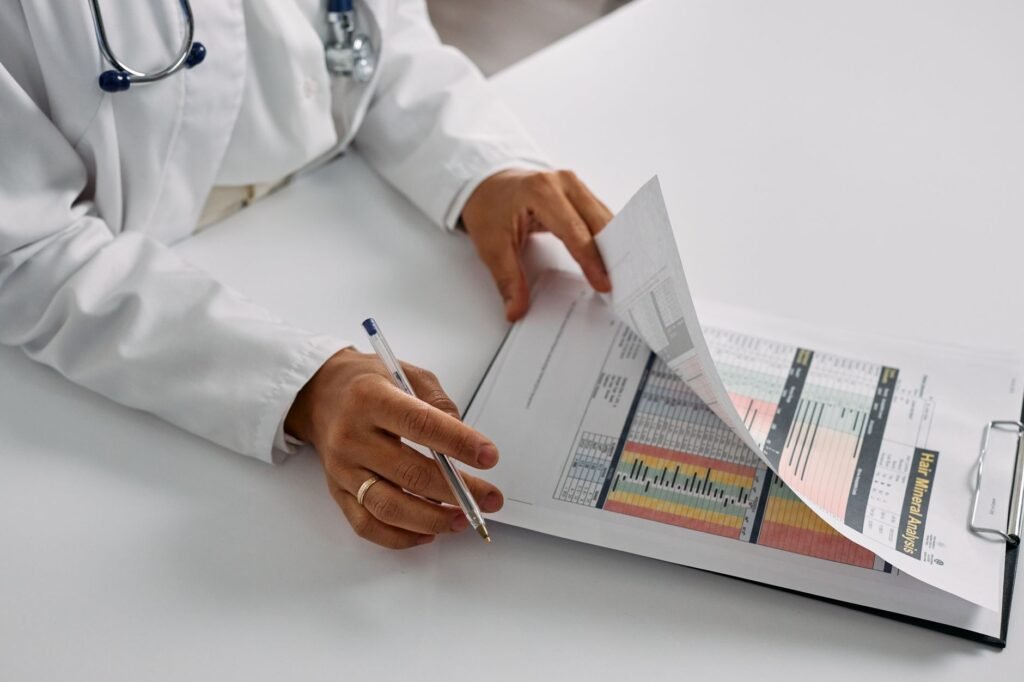
To maximize the chances of a successful injury claim, individuals should prioritize the gathering and preservation of their medical documentation injury claims. By understanding and adhering to the legal requirements surrounding medical records, claimants can strengthen their positions and improve their likelihood of receiving fair compensation.
Best Practices for Collecting Medical Documentation
Collecting medical documentation is crucial for supporting injury claims. Proper documentation serves as medical evidence in claims, helping to establish the severity and nature of your injuries. Here are some best practices to ensure you obtain and maintain accurate medical documentation injury claims.
How to Obtain Your Medical Records
Requesting your medical records is a straightforward process, but it requires attention to detail. Follow these steps:
- Identify the Provider: Determine which healthcare providers have treated you for your injuries.
- Submit a Request: Contact the medical office or hospital directly. Most facilities have a specific process for obtaining medical records, often available on their website. You may need to fill out a form and provide identification.
- Specify the Records Needed: Clearly state the dates of service and types of records needed. This can include notes from doctors, diagnostic test results, and treatment plans.
- Follow Up: If you do not receive your records within the expected timeframe, follow up with the provider to ensure your request is being processed.

Tips for Maintaining Accurate Medical Documentation
Once you receive your medical records, it is essential to keep them organized and up to date:
- Store Documents Securely: Keep physical copies in a safe place and consider digitizing records for easier access.
- Update Regularly: After each medical appointment, add new documents to your records. This ensures you have the most current information, which is vital for your injury claim documentation.
- Review for Accuracy: Periodically review your records for accuracy. If you find discrepancies, contact your healthcare provider to rectify them.
By following these steps, you can effectively gather and maintain the importance of medical records for your injury claims, ensuring you are well-prepared to support your case with necessary documentation.
Conclusion: The Impact of Medical Documentation on Injury Claims
Understanding the vital role of medical documentation in injury claims is essential for both claimants and legal representatives. Throughout this article, we have explored the importance of accurate medical records, which serve as the backbone of any injury claim. Comprehensive medical documentation is crucial for establishing the connection between the injury and its impact on the claimant’s life, ensuring that the appropriate compensation is sought.
Proper injury claim documentation not only aids in substantiating claims but also enhances the credibility of the information presented. The medical evidence in claims can significantly influence the outcome, making the need for reliable and thorough documentation all the more critical. Remember, the quality of your medical records can directly affect the success of your case.
As you navigate the complexities of injury claims, prioritize maintaining accurate medical documentation. Keeping a detailed record of medical visits, treatments, and any related expenses will empower you in your pursuit of justice. Take proactive steps to ensure your medical documentation is organized and readily available, as this could prove advantageous in negotiations or court proceedings.
Ultimately, the impact of medical documentation on injury claims cannot be understated. By recognizing its significance and acting accordingly, you can enhance your chances of a favorable outcome. For more information on effective strategies, consider exploring additional resources on The Role of Medical Records in Injury Claim Calculations.

Medical documentation is a pivotal element in the success of injury claims, underscoring the importance of medical records in establishing the legitimacy of an individual’s injuries. By providing comprehensive and accurate injury claim documentation, claimants can present compelling medical evidence in claims that clearly outlines the extent and impact of their injuries. Failing to secure and maintain these records can significantly hinder the chances of a successful outcome.
For anyone considering an injury claim, prioritizing the collection and organization of medical documentation injury claims should be a key focus. By working closely with healthcare providers to ensure that all medical records are thorough and easily accessible, individuals can enhance their position when negotiating settlements or pursuing legal action. Taking these proactive steps can make a substantial difference in the claims process and ultimately lead to a more favorable resolution.
“`html
What is the importance of medical records in injury claims?
The importance of medical records in injury claims cannot be overstated. They serve as crucial evidence, documenting the nature and extent of injuries sustained. Accurate and comprehensive medical documentation supports your claims by establishing a direct link between the accident and your injuries. This is vital for proving liability and securing appropriate compensation. Adequate medical documentation also helps to substantiate your claims regarding treatment costs, recovery time, and the impact of injuries on your daily life.
What types of medical documentation are needed for an injury claim?
For an injury claim, several types of medical documentation are essential. These include medical records detailing your diagnosis, treatment plans, and progress notes. Bills and receipts for medical treatments, physical therapy, and medications are also necessary. Additionally, any imaging results, such as X-rays or MRIs, and expert opinions can enhance your claim. Collecting comprehensive medical documentation ensures a stronger case and can significantly impact the outcome of your injury claim.
How can I obtain my medical records for a claim?
To obtain your medical records for a claim, start by contacting your healthcare provider. You may need to fill out a request form, and some facilities require a signed release. Depending on the provider, you can often request records online or in person. Be sure to specify the records you need, including dates of service and types of treatments. It’s also advisable to follow up to ensure timely receipt, as these documents are vital for your injury claim.
What challenges might I face with medical documentation in my injury claim?
Challenges in medical documentation for injury claims can include incomplete records, delays in obtaining documents, or disputes over the accuracy of the information. Providers may have lengthy processing times, which can hinder your claim’s progress. Additionally, if your medical records do not clearly establish a connection between the injury and treatment, it could weaken your case. Being proactive and organized can help mitigate these challenges as you navigate your injury claim.
How does medical evidence impact the outcome of injury claims?
Medical evidence plays a crucial role in determining the outcome of injury claims. It provides the necessary proof to support your assertions about the extent of your injuries and the required treatments. Courts and insurance companies rely heavily on medical documentation to assess liability and calculate damages. Strong medical evidence can lead to a more favorable settlement or verdict, while insufficient documentation may result in denied claims or lower compensation amounts.
What best practices should I follow for injury claim documentation?
When documenting an injury claim, adhere to several best practices. First, keep meticulous records of all medical treatments, including appointments, medications, and any related expenses. Always request copies of your medical records and ensure they are accurate. Take photographs of injuries and document their progression over time. Lastly, maintain a detailed journal of how your injuries affect daily life and activities, as this can provide valuable context in your injury claim. Following these practices will strengthen your case significantly.
“`