
Wondering how much is my injury claim worth? Understanding the value of your injury claim is crucial for navigating the often complex world of personal injury law. This detailed guide will help you explore various aspects of injury claim value, including methods for claim worth estimation and how to determine your settlement value. You’ll gain insight into what to expect during the claims process, empowering you to make informed decisions as you pursue compensation for your injuries. Whether you’ve suffered a minor injury or a more serious condition, knowing the metrics that influence your claim can make a significant difference in the outcome. To get started, we will demystify the factors that contribute to an injury claim’s worth, provide practical tips for evaluating your case, and outline the essential next steps after an injury. For further reading, check out resources from the Nolo and the American Bar Association.
Understanding How Much Is My Injury Claim Worth
When navigating the aftermath of an accident, one of the most pressing questions individuals ask is, how much is my injury claim worth? The value of an injury claim can vary significantly based on several factors, and understanding these can help you make informed decisions about your case. Whether you are dealing with medical expenses, lost wages, or the pain and suffering that results from your injuries, knowing what influences claim worth estimation is crucial.
Factors Influencing Injury Claim Value
Several key elements play a role in determining the value of your injury claim:
- Medical Expenses: The cost of treatment, rehabilitation, and ongoing medical care directly affects your claim’s value. This includes both direct expenses, like hospital bills, and indirect costs, such as future medical care.
- Lost Wages: If your injuries have caused you to miss work, the income lost during this time can be factored into your claim. Additionally, if your injuries affect your earning capacity in the long term, this can further increase the claim’s worth.
- Pain and Suffering: This subjective element quantifies the physical and emotional distress caused by your injury. While difficult to measure, many claims include compensation for pain and suffering, often calculated using specific multipliers based on medical expenses.
- Liability: The degree of fault assigned to each party involved can also affect the settlement value. If you are found partially at fault, your compensation may be reduced accordingly.
The Role of Insurance Companies in Assessing How Much My Injury Claim Is Worth
Insurance companies play a significant role in determining the settlement value of your injury claim. They typically conduct their own investigations, reviewing medical records, accident reports, and other evidence to assess the legitimacy and value of your claim. Their primary goal is to minimize payouts, which often means they may offer initial settlements that are lower than what you might be entitled to.
Understanding the tactics used by insurance companies can help you negotiate more effectively. They may rely on algorithms and historical data to evaluate claims, making it essential to present comprehensive documentation that supports your claim. Having a clear picture of your injury claim value can empower you in discussions with insurance representatives and help ensure you receive a fair settlement.
For a deeper understanding of how to effectively negotiate your claim, consider exploring additional resources on negotiation strategies and common pitfalls to avoid in discussions with insurers. Top 5 Factors Influencing Your Injury Settlement Amount

Methods for Claim Worth Estimation
Understanding how much is my injury claim worth involves a thorough evaluation of both economic and non-economic damages. Accurately estimating these damages is crucial for determining the rightful compensation you may receive for your injuries. Here, we outline effective methods for injury claim value estimation.
Calculating Economic Damages
Economic damages cover tangible losses and can be calculated based on receipts, bills, and other documentation. Here are key components:
- Medical Expenses: Include all medical bills associated with your treatment, from hospital stays to rehabilitation. Keep all receipts and invoices.
- Lost Wages: Calculate the income lost due to your inability to work during recovery. This can be determined by multiplying your daily wage by the number of days missed.
- Future Losses: If your injuries will affect your ability to earn in the future, you may need to estimate this using your current salary and expected career trajectory.
Proper documentation is vital in substantiating these economic damages, as it provides clear evidence of your financial losses. For detailed guidance, you may refer to Nolo’s legal resources.
Assessing Non-Economic Damages: How Much is My Injury Claim Worth?
Non-economic damages encompass intangible losses such as pain and suffering, emotional distress, and loss of enjoyment of life. These can be more challenging to quantify, but several methods exist:
- Multiplier Method: This common approach involves taking the total economic damages and multiplying them by a factor (usually between 1.5 and 5) based on the severity of the injury.
- Per Diem Method: Assign a daily value to the pain and suffering endured, then multiply by the number of days of recovery.
Both methods require careful consideration of the injury’s impact on your life and should be supported by documentation, such as medical records and personal journals detailing your experiences. To enhance your understanding of claim worth estimation, check out Top 5 Factors Affecting Injury Claim Settlement Amount.
Estimating your injury claim’s worth requires a comprehensive approach that combines the evaluation of economic and non-economic damages. By following these methods and maintaining thorough documentation, you can better navigate the complexities of your claim and seek a fair settlement value.

How to Determine Settlement Value
Determining how much is my injury claim worth involves a careful assessment of various factors that contribute to your overall settlement value. This process requires a thorough understanding of your injuries, medical expenses, lost wages, and the impact on your daily life. Below are key steps to help you accurately estimate your claim worth and negotiate effectively with insurance adjusters.
Negotiating with Insurance Adjusters
Negotiating with insurance adjusters can be a daunting task, but being prepared will strengthen your position. Start by gathering all relevant documentation, such as:
- Medical records and bills
- Proof of lost wages
- Receipts for additional expenses
- Documentation of pain and suffering, including personal journals or statements from loved ones
Once you have this documentation, calculate your total economic damages, which will form the basis of your claim worth estimation. Be aware that insurance companies often aim to minimize payouts, so it’s essential to present your case confidently. Offer a higher initial demand than what you expect to receive, as this allows room for negotiation.
During discussions, remain calm and professional. Use facts to support your claims, and be prepared to counter low offers with evidence of your total damages. Remember, patience is key; the negotiation process may take time.
Common Mistakes to Avoid
As you work to determine your injury claim value, be cautious of these common pitfalls:
- Accepting the First Offer: Insurance companies may provide an early settlement offer that seems appealing but often falls short of actual damages.
- Underestimating Non-Economic Damages: Don’t overlook pain and suffering, emotional distress, and loss of enjoyment of life, as these can significantly affect your settlement.
- Failing to Document Everything: Inadequate documentation can weaken your claim. Keep meticulous records of all medical treatments and expenses.
By avoiding these mistakes and understanding how much is my injury claim worth, you can enhance your chances of securing a fair settlement. For more detailed guidance, consider consulting with a personal injury attorney who can provide personalized advice based on your situation.

What to Expect During the Claims Process
Timeline of an Injury Claim
The timeline for an injury claim can vary significantly based on the complexity of the case, the jurisdiction, and the willingness of the parties to negotiate. Generally, the process begins with the filing of a claim, which can take place as soon as the injury is known. From that point, the following stages typically occur:
- Initial Investigation: After filing, both parties gather evidence, including medical records, witness statements, and accident reports. This phase can last from a few weeks to several months, depending on the case.
- Negotiation: Once the evidence is collected, the negotiation phase begins. Both sides will discuss settlement offers, which can take weeks or months.
- Settlement or Litigation: If a settlement is reached, the case can close quickly. If not, it may lead to litigation, which can extend the timeline significantly, often taking months or even years.
Understanding how much is my injury claim worth is crucial during negotiations, as this knowledge can guide your expectations and strategies. Delays can often arise due to disputes over liability or the extent of damages, which may affect your overall injury claim value.
Legal Considerations
Legal considerations play a significant role in determining your claim worth estimation. Factors such as the jurisdiction’s laws, the statute of limitations, and the presence of comparative negligence can all impact the settlement value. For instance, some states follow a comparative fault rule, meaning if you are found partially responsible for the accident, your compensation may be reduced accordingly. This underscores the importance of legal representation, as an experienced attorney can navigate these complexities and help maximize your settlement.
Additionally, specific injuries may have established compensation ranges, which can serve as benchmarks in negotiations. Having a legal professional on your side can be invaluable in ensuring that your claim is accurately represented and that you receive the compensation you deserve.
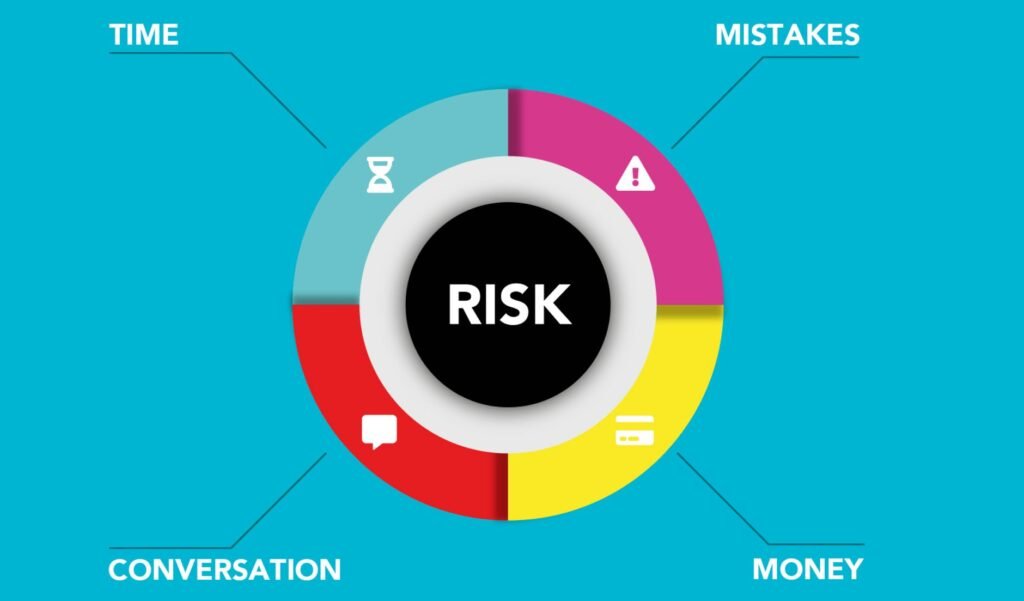
Ultimately, understanding the claims process and its timeline, alongside the legal considerations that may impact your case, can help demystify the question of how much is my injury claim worth and set realistic expectations for your journey toward compensation.
Taking Action: Next Steps After an Injury
After sustaining an injury, it is vital to take proactive steps to ensure that you receive the compensation you deserve. Understanding how much is my injury claim worth is crucial, but the first steps you take can significantly impact your claim’s success. Here’s a closer look at two essential actions: seeking legal counsel and gathering evidence.
Seeking Legal Counsel
One of the most important steps you can take after an injury is to consult with an experienced personal injury attorney. Legal counsel can help you navigate the complexities of the claims process, ensuring that you understand your rights and options. An attorney can provide a claim worth estimation based on the specifics of your case and help you avoid common pitfalls that might diminish your settlement value.
When selecting an attorney, consider their experience with cases similar to yours, their track record of successful settlements, and their willingness to communicate openly. Many attorneys offer free consultations, allowing you to discuss your situation without financial commitment. This initial meeting can also provide insights into how much is my injury claim worth, helping you set realistic expectations as you move forward.
Gathering Evidence
To support your claim, gathering evidence is crucial. Well-documented information can significantly enhance your injury claim value. Here are some key types of evidence to collect:
- Medical Records: Obtain all medical documentation related to your injury, including diagnoses, treatments, and bills.
- Incident Reports: If applicable, secure any reports filed at the time of the accident, including police reports.
- Witness Statements: Collect contact details and statements from anyone who witnessed the incident.
- Photographs: Take pictures of the accident scene, your injuries, and any relevant conditions leading to the incident.
- Documentation of Lost Wages: Keep records of time missed from work due to your injury, including pay stubs and employer statements.
By gathering comprehensive evidence, you create a stronger case that better illustrates the impact of your injury. This can lead to a more accurate assessment of your claim worth estimation and potentially a higher settlement value.
Taking these proactive steps will not only aid in understanding how much is my injury claim worth, but will also empower you to advocate effectively for your rights. Don’t hesitate to start this critical process today.

Determining how much your injury claim is worth can be a complex process influenced by various factors, including medical expenses, lost wages, and emotional distress. Understanding the components that contribute to your injury claim value enables you to make informed decisions about your legal options. Engaging with a qualified attorney can significantly aid in your claim worth estimation, ensuring that no critical elements are overlooked.
As you navigate this journey, remember that calculating your settlement value requires careful consideration and expert insight. Take the next step by consulting with a legal professional who specializes in injury claims. They can provide tailored advice and help you maximize your claim, ensuring you receive the compensation you deserve for your suffering and losses.
“`html
How do I calculate the value of my injury claim?
Calculating the value of your injury claim involves considering various elements, including medical expenses, lost wages, and pain and suffering. Begin by gathering all related documentation, such as medical bills, pay stubs, and accident reports. You may also want to consult with a personal injury attorney who can provide a claim worth estimation based on your specific situation and local laws.
What factors affect my injury claim value?
Several factors can influence your injury claim value, including the severity of your injuries, the impact on your daily life, and the extent of your medical treatment. Additionally, the liability of the other party and any comparative negligence can play a role in determining how much is my injury claim worth. Insurance company policies and local laws can also affect your claim’s worth.
How long does it take to settle an injury claim?
The duration to settle an injury claim can vary widely, typically ranging from a few months to several years. Factors affecting this timeline include the complexity of the case, the willingness of both parties to negotiate, and the backlog of the court system. If negotiations are prolonged or if litigation is necessary, the process may take longer than anticipated.
What is the average settlement value for injury claims?
The average settlement value for injury claims can vary significantly, often falling between $10,000 and $100,000, but some cases can result in much higher settlements. The amount depends on multiple factors, including the nature of the injuries, the extent of liability, and the negotiation skills of the involved parties. Each case is unique, so it’s crucial to evaluate your circumstances individually.
Can I negotiate my injury claim settlement?
Yes, you can negotiate your injury claim settlement. Insurance companies often provide an initial offer that may be lower than your claim’s true value. It is advisable to prepare your arguments, backed by evidence, to support your request for a higher settlement. Engaging a personal injury lawyer can also help you navigate the negotiation process effectively.
What should I do if my claim is denied?
If your claim is denied, don’t lose hope. Start by reviewing the denial letter to understand the reasons behind it. You can appeal the decision by providing additional documentation or evidence that supports your claim. Consulting with a legal professional can also help you formulate a stronger appeal and explore alternative avenues for compensation.
“`