
Understanding medical evidence in injury claims is crucial for victims seeking fair compensation. Medical evidence injury claims hinge on the documentation of injuries, treatment, and recovery, often necessitating meticulous attention to detail. This article will delve into the pivotal role that medical records play in substantiating personal injury documentation and fulfilling evidence requirements. We will explore the different types of medical evidence required for injury claims, including hospital reports, diagnostic tests, and treatment plans. Additionally, the article will examine the role of expert witnesses in providing credible medical evidence, as well as the common challenges that may arise during this process. Finally, we will guide you through navigating the claims process with robust medical evidence, ensuring that you are well-prepared to advocate for your rights effectively. For further insights, you may find resources on Nolo and American Bar Association useful.
The Importance of Medical Evidence in Injury Claims
What Is Medical Evidence?
Medical evidence plays a crucial role in personal injury claims, serving as the backbone for establishing both causation and damages. It encompasses a wide range of documentation, including medical records, diagnostic tests, and expert opinions. This type of evidence is essential for proving that an injury occurred as a direct result of an incident, as well as demonstrating the extent of the injuries sustained. Without robust medical evidence, it becomes significantly more challenging to support your claims effectively.
How Medical Evidence Supports Your Claim
Injury claims hinge on the ability to connect the dots between the accident and the resulting injuries. Medical evidence is vital in this process, as it provides a clear narrative of the injury’s history, treatment, and prognosis. Medical records serve as a foundational element in building a strong case, offering detailed insights into the nature of your injuries, the treatment received, and any ongoing medical issues. This documentation not only helps satisfy the evidence requirements set forth by courts and insurance companies but also enhances your credibility as a claimant.
Furthermore, the detailed accounts found in medical records can substantiate claims for damages, including medical expenses, lost wages, and pain and suffering. In essence, the quality of your medical evidence can directly impact the outcome of your injury claim. Therefore, ensuring that you have comprehensive personal injury documentation is indispensable in navigating the complexities of medical evidence in injury claims.

Types of Medical Evidence Required for Injury Claims
Essential Medical Records for Medical Evidence Injury Claims
When pursuing an injury claim, the strength of your case often hinges on the medical evidence you can provide. Essential medical records include:
- Treatment Records: Detailed accounts of your medical visits, including notes from healthcare providers, treatment plans, and progress reports.
- Diagnostic Imaging: X-rays, MRIs, CT scans, and other imaging results that illustrate the extent of your injuries.
- Expert Evaluations: Assessments from specialists that can clarify the nature of your injuries and the anticipated recovery process.
These types of medical records serve as crucial documentation that meets the evidence requirements for your claim, demonstrating the impact of your injuries on your life.
Other Forms of Personal Injury Documentation
In addition to medical records, various forms of personal injury documentation can support your case. These may include:
- Incident Reports: Documentation from the scene of the injury, often provided by law enforcement or witnesses.
- Medical Bills: Itemized statements that outline the costs incurred due to your injuries.
- Proof of Lost Wages: Pay stubs or tax documents showing the income lost as a result of your injuries.
- Personal Statements: Written accounts from you and others affected by your injuries, detailing the emotional and physical impact.
Collecting a comprehensive set of medical evidence and personal injury documentation is vital to strengthen your medical evidence injury claims and improve your chances of a successful outcome. For more information on this process, consider reviewing resources related to personal injury claims or consult with a legal professional.

Understanding Evidence Requirements for Injury Claims
Legal Standards for Medical Evidence in Injury Claims
When pursuing a personal injury claim, understanding the legal standards for medical evidence is crucial. Courts generally require that claimants provide clear and convincing evidence to substantiate their injuries. This often includes medical records and documentation that outline the nature and extent of the injuries sustained. The Federal Rules of Evidence highlight the necessity of relevant and reliable evidence to support claims in court.
Key evidence requirements may vary by jurisdiction, but typically, medical evidence must demonstrate a direct link between the injury and the incident in question. This includes records from healthcare providers, diagnostic imaging, and treatment plans. Failure to meet these standards can lead to dismissal of the claim or reduced compensation.
How to Gather and Present Your Evidence
Gathering and presenting medical evidence effectively can significantly impact the outcome of your injury claim. Here are actionable steps to enhance your case:
- Organize Your Medical Records: Keep a comprehensive file of all medical records related to the injury. This should include doctor’s notes, test results, and treatment histories.
- Document Timelines: Maintain a detailed timeline of your treatments and medical appointments. This can help establish the ongoing impact of your injuries related to the incident.
- Consult with Professionals: Consider working with a personal injury attorney who can guide you through the evidence requirements and help ensure your documentation is thorough and accurate.
- Utilize Expert Testimony: In some cases, expert witnesses may be necessary to explain complex medical conditions or treatment plans, adding credibility to your claim.
By following these steps, you can strengthen your position in medical evidence injury claims and enhance your chances of receiving fair compensation. Timeliness and accuracy in documentation are paramount; delays or inaccuracies can weaken your case. How Medical Records Impact Your Injury Claim

The Role of Expert Witnesses in Medical Evidence
Expert witnesses play a crucial role in interpreting medical evidence in injury claims, particularly when it comes to understanding complex medical records and establishing the validity of personal injury documentation. Their expertise can significantly enhance the strength of your case and facilitate a clearer understanding of the evidence requirements in court.
When to Engage Medical Experts
Engaging a medical expert early in the claims process can provide invaluable insights. If your case involves complicated medical issues, such as traumatic brain injuries or orthopedic conditions, an expert can help clarify these complexities. Consider hiring a medical expert when:
- The injury’s nature is disputed and requires expert clarification.
- There’s a need for an objective assessment of the treatment received and its necessity.
- Medical records are extensive and difficult to interpret without professional guidance.
Choosing the right expert, ideally someone with relevant experience and credentials, can make a significant difference in your case’s outcome. Their testimony can help juries and judges understand the medical aspects, thereby impacting the overall perception of your claim.
How Expert Testimony Strengthens Your Case in Medical Evidence Injury Claims
Expert testimony adds a layer of credibility to your medical evidence injury claims. An expert can:
- Provide detailed explanations of medical conditions and treatments.
- Connect the dots between the injury and the alleged negligence or accident.
- Support the claims of pain and suffering through objective assessments.
By articulating complex medical concepts in layman’s terms, experts help jurors appreciate the significance of the medical evidence presented. This is particularly important in personal injury cases where the burden of proof lies with the claimant. Their insights not only validate the medical records but also reinforce the overall narrative of your claim.

Ultimately, the inclusion of expert witnesses can be pivotal. Their ability to translate intricate medical information into understandable terms can greatly influence the outcome of your claim, making it essential to engage them when necessary.
For more information on the importance of expert witnesses and how they impact the legal process, consider exploring our section on The Role of Medical Documentation in Injury Claims.
Common Challenges in Medical Evidence for Injury Claims
When navigating medical evidence in injury claims, individuals often encounter several obstacles that can complicate their cases. Two primary challenges include disputes over medical records and gaps in documentation, which can significantly impact the outcome of claims.
Disputes Over Medical Records
Disagreements regarding the accuracy of medical records are a common issue. Insurance companies or opposing parties may challenge the validity of a claimant’s medical documentation, arguing that it does not support the claimed injuries or treatment. This can lead to delays and increased stress for the injured party.
- Maintain Comprehensive Records: Keep all medical documentation organized, including treatment notes, bills, and referrals. This can help ensure that accurate information is readily available.
- Communicate Effectively with Healthcare Providers: Regularly follow up with your healthcare providers to clarify any discrepancies in your records. This proactive approach can help address potential disputes before they escalate.
Addressing Gaps in Documentation for Medical Evidence Injury Claims
Another significant challenge is the presence of gaps in personal injury documentation. Missing records or incomplete treatment histories can weaken a claim, making it difficult to establish a clear connection between the injury and the medical treatment received.
- Request All Relevant Records: Ensure that you obtain complete copies of all relevant medical records from different healthcare providers involved in your treatment.
- Document Everything: If you experience any new symptoms or require additional treatment, document these occurrences immediately. This can help fill in gaps and provide a clearer picture of your medical status.
By proactively addressing these common challenges, individuals can enhance the strength of their medical evidence in injury claims, ultimately improving their chances of a favorable outcome. For further insights on how to manage evidence requirements, consider seeking legal assistance from professionals familiar with personal injury cases. Essential Evidence for Injury Claims: A Complete Guide

Navigating the Claims Process with Medical Evidence
Filing a personal injury claim can be a complex task, especially when it comes to gathering and presenting medical evidence. Understanding how to effectively use medical documentation can significantly influence the outcome of your claim. Here’s a step-by-step guide to help you navigate the claims process.
Steps to File Your Claim
- Seek Medical Attention: Your health should be your top priority. Visit a healthcare professional to get a proper diagnosis and treatment.
- Gather Medical Records: Collect all relevant medical records that document your injuries. This includes notes from doctors, hospital discharge summaries, and any imaging reports.
- Document Your Injuries: Keep a personal injury documentation log that details symptoms, treatment received, and the impact on your daily life.
- Understand Evidence Requirements: Familiarize yourself with the specific evidence requirements in your jurisdiction to ensure you have all necessary documents ready.
- File Your Claim: Submit your claim to the insurance company or court, ensuring all medical evidence is included to support your case.
How to Leverage Medical Evidence Effectively in Medical Evidence Injury Claims
Once you have collected your medical evidence, it’s crucial to present it effectively:
- Organize Documentation: Create a chronological file of your medical records and other documentation to present a clear timeline of events.
- Consult with Professionals: Consider working with a personal injury attorney who can help you interpret your medical evidence and strengthen your claim.
- Use Expert Testimony: In some cases, it may be beneficial to include expert testimony that can provide additional context to your medical evidence.
Thoroughness and organization in presenting your medical evidence can greatly enhance your credibility and the strength of your injury claim. By following these steps, you can ensure a more effective process in your medical evidence injury claims.
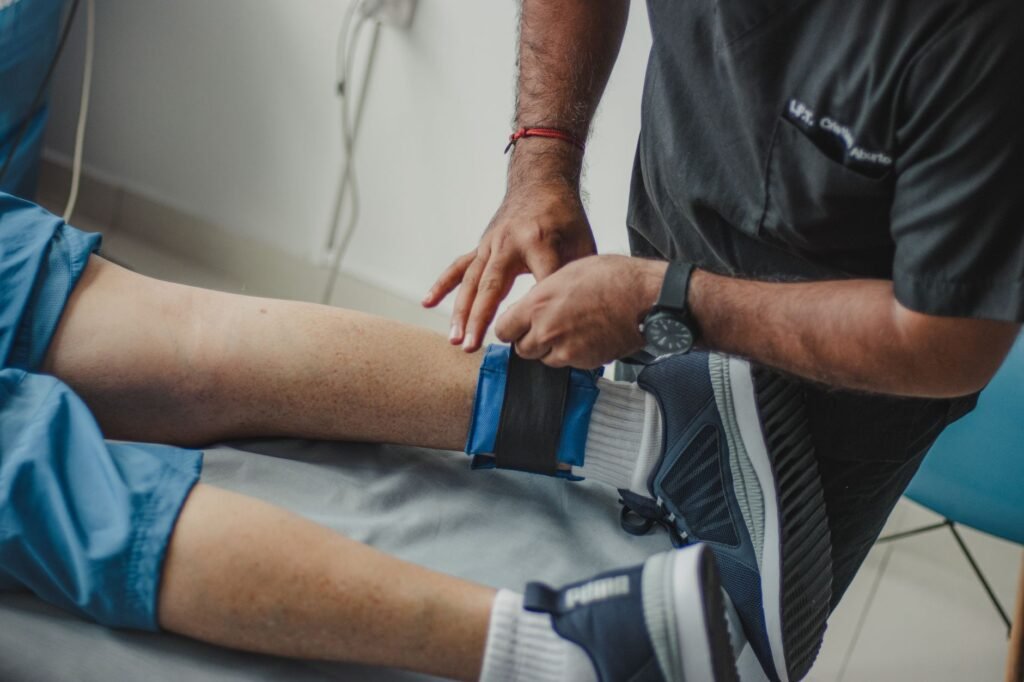
Understanding the nuances of medical evidence in injury claims is essential for anyone navigating the complexities of personal injury documentation. Medical records serve as crucial components that substantiate your claims, helping to meet the evidence requirements set forth by courts and insurance companies. Properly organized and comprehensive medical documentation can significantly influence the outcome of your claim.
As you move forward in your injury claim process, ensure that all relevant medical records are collected and reviewed. This meticulous attention to detail can make a substantial difference in establishing the validity of your case. For those seeking to strengthen their position, consulting with a legal professional experienced in handling medical evidence injury claims can provide invaluable guidance. Taking this step can help you build a robust case and enhance your chances of a favorable resolution.
“`html
What is medical evidence in injury claims?
Medical evidence in injury claims refers to documentation that supports the existence and extent of injuries sustained as a result of an incident. This evidence can include medical records, treatment notes, diagnostic reports, and expert opinions. It is crucial for establishing the link between the injury and the incident in question, which helps in assessing liability and determining compensation amounts. Properly gathered medical evidence can significantly impact the outcome of personal injury claims.
What types of medical records are needed for a personal injury claim?
For a personal injury claim, essential medical records include hospital discharge summaries, treatment records, diagnostic imaging results, and bills related to medical services. Additionally, any documentation that outlines the diagnosis, treatment plan, and prognosis is necessary. These medical records serve as the foundation for demonstrating the extent of injuries and related costs, thus meeting the evidence requirements set by insurance companies and courts.
How do I gather medical evidence for my injury claim?
To gather medical evidence for your injury claim, start by collecting all relevant medical records from healthcare providers. Request copies of treatment notes, diagnostic tests, and any other pertinent documentation. Keep track of medical bills and expenses related to your injury. Additionally, consider consulting with your physician for a detailed report on your injuries and treatment. This comprehensive collection of personal injury documentation is vital for strengthening your claim.
What are the evidence requirements for personal injury claims?
The evidence requirements for personal injury claims typically include medical records that validate the injury, proof of treatment received, and documentation of expenses incurred due to the injury. It’s essential to provide evidence that establishes the connection between the injury and the incident. Depending on the jurisdiction, additional evidence such as witness statements or expert testimony may also be required to support the claim effectively.
How can expert witnesses help with medical evidence?
Expert witnesses can play a crucial role in personal injury claims by providing specialized knowledge that bolsters medical evidence. They can interpret complex medical information, explain the extent of injuries, and assess how those injuries impact the claimant’s life. Their testimony can clarify medical records and offer objective opinions that support the claimant’s case. This expertise often helps establish credibility and strengthens the overall argument in an injury claim.
What common challenges arise with medical evidence in injury claims?
Common challenges with medical evidence in injury claims include incomplete or poorly documented medical records, disputes over the cause of injuries, and differing opinions from medical professionals. Insurance companies may also contest the validity of the evidence provided, leading to delays or denials of claims. To mitigate these challenges, it is important to gather comprehensive and well-organized medical documentation that clearly supports your injury claims and addresses potential counterarguments.
“`