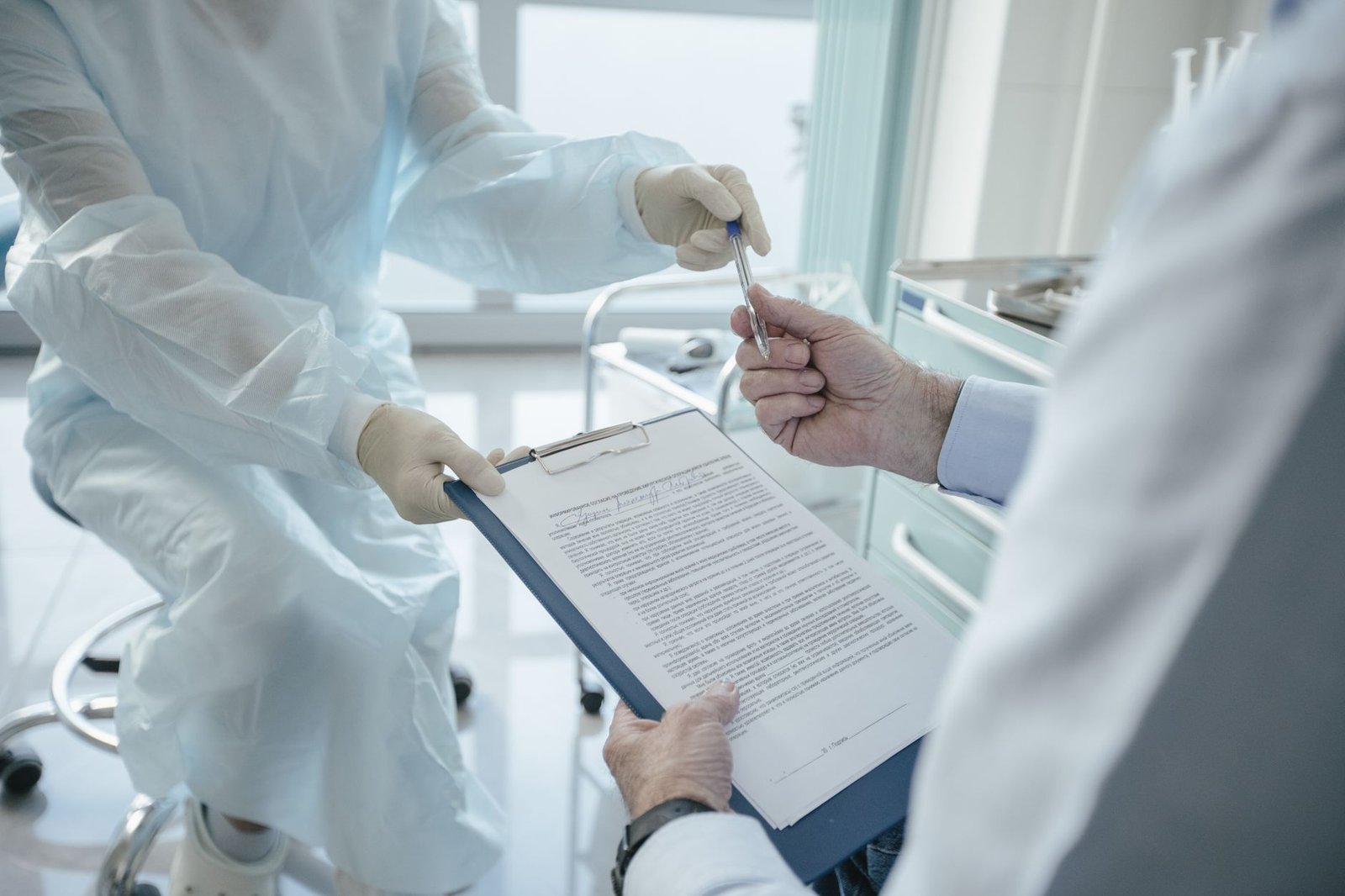
The role of medical documentation in an injury claim cannot be overstated, as precise and thorough records are pivotal to the success of any legal action. Understanding the significance of medical documentation in injury claims is essential for both claimants and legal professionals alike. This article will delve into the importance of injury documentation and explore how medical records affect claims compensation, ensuring that victims receive the financial support they deserve. We will also outline best practices for gathering medical documentation for injury claims, highlighting common pitfalls that can undermine the validity of a case. By comprehending the nuances of how medical records can influence a claim, individuals can better navigate the often complex landscape of injury litigation. Whether you are a claimant seeking justice or a legal expert aiming to bolster your practice, understanding the critical elements of medical documentation is essential for achieving favorable outcomes in injury claims. For a deeper dive into legal processes, consider visiting Nolo for additional insights.
Understanding the Role of Medical Documentation in Injury Claims
The Basics of Medical Documentation
Medical documentation plays a vital role in injury claims, serving as the backbone of evidence needed to substantiate a case. It consists of various records created by healthcare providers, including diagnostic reports, treatment plans, and progress notes. These documents collectively form the medical records claim, which is crucial for establishing the extent of injuries and the necessary treatments received. Accurate and comprehensive medical documentation is essential to ensure that all relevant facts are presented clearly in legal proceedings.
Why Medical Documentation Matters in Medical Documentation Injury Claims
The injury documentation importance cannot be overstated when pursuing compensation for damages. Medical documentation not only validates the severity of the injuries sustained but also helps in demonstrating the direct link between the injury and the incident that caused it. This link is crucial in proving liability in injury claims. Furthermore, how medical records affect claims can significantly influence the outcomes; insurers and courts rely heavily on these documents to make informed decisions regarding compensation amounts.
Inconsistencies or gaps in medical documentation can undermine a claim, leading to delays or denials. Therefore, ensuring that all medical records are complete and well-organized is essential for a successful injury claim. Effective management of medical documentation can enhance the chances of a favorable outcome, making it an indispensable asset in the claims process.

How Medical Records Affect Claims Compensation
Types of Medical Records Used in a Medical Documentation Injury Claim
When pursuing an injury claim, various types of medical records play a crucial role in establishing the validity and extent of your injuries. Key documents include:
- Diagnostic Reports: These documents detail the results of tests such as X-rays, MRIs, and CT scans, providing objective evidence of the injury.
- Treatment Summaries: These outlines describe the medical interventions received, including surgeries, physical therapy, and follow-up care, helping to demonstrate the severity of the injury.
- Billing Statements: These records provide a comprehensive view of the financial impact of the injury, including medical expenses, rehabilitation costs, and any other related charges.
Accurate and thorough medical documentation is essential, as it supports the claims process and helps substantiate the damages being sought.
Evaluating the Impact of Medical Records on Claim Value
The relationship between medical records and compensation claims cannot be overstated. Strong evidence from medical documentation directly correlates with higher claim values. Insurance companies and courts rely on this documentation to assess the legitimacy and extent of injuries. Inadequate or incomplete records can lead to disputes and lower compensation offers.
For instance, a study published by the National Institutes of Health indicates that claims supported by comprehensive medical documentation are more likely to receive favorable outcomes. This illustrates the injury documentation importance not just in validating the claim but also in negotiating a fair settlement.
Therefore, understanding how medical records affect claims can significantly enhance the chances of a successful resolution. Ensuring you gather all relevant medical documentation throughout your treatment process can pave the way for a stronger claim. 
Best Practices for Gathering Medical Documentation for Injury Claims
Collecting Your Medical Records for a Stronger Medical Documentation Injury Claim
When pursuing an injury claim, gathering comprehensive medical documentation is critical. Here are actionable steps to help you collect your medical records effectively:
- Request Records Promptly: As soon as you seek medical attention, ask for your records. This includes treatment notes, diagnostic results, and any referrals.
- Use a Medical Records Release Form: Sign a release form to authorize your healthcare providers to share your records with involved parties, such as your attorney or insurance company.
- Document Everything: Keep a detailed log of your medical visits, procedures, and treatments. This will help in establishing a clear timeline of your injuries and treatment.
- Consult with Your Attorney: If you are represented by legal counsel, they can guide you on which specific records are necessary for your claim.
Ensuring Accuracy and Completeness of Medical Records Claim
Accurate and complete medical documentation is crucial, as inaccuracies can lead to claim denial or reduced compensation. Here are some tips to ensure your records are up to standard:
- Review Your Records: After receiving your medical documents, review them for any errors or omissions. Pay attention to dates, diagnoses, and treatment details.
- Follow Up on Missing Information: If you notice discrepancies or missing records, contact your healthcare provider immediately to rectify these issues.
- Request a Summary: Ask your healthcare provider for a comprehensive summary of your treatment. This can enhance the injury documentation importance by providing a clear overview of your medical situation.
By gathering and ensuring the accuracy of your medical documentation, your medical documentation injury claim will be stronger, reflecting the true impact of your injuries. This thoroughness not only supports your case but also clarifies how medical records affect claims, ultimately leading to better outcomes.

Common Pitfalls in Medical Documentation for Injury Claims
Mistakes to Avoid in Medical Documentation Injury Claim
When pursuing an injury claim, proper medical documentation is crucial. However, individuals often make mistakes that can jeopardize their claims. One common error is failing to obtain all relevant medical records. Incomplete documentation can lead to misunderstandings about the extent of injuries and the necessary treatments. For instance, if a patient sees multiple healthcare providers, it is essential to gather records from each to present a comprehensive view of injuries and treatments.
Another frequent pitfall involves neglecting to follow up with healthcare providers. Patients may assume that their providers will automatically send their records, but this is not always the case. Proactively reaching out can help ensure that all necessary documentation is obtained in a timely manner.
- Inaccurate Record Keeping: Errors in medical records can lead to discrepancies in your injury documentation. Ensure all information is correct and up to date.
- Delayed Treatment: Failing to seek prompt medical attention can weaken your claim, as it may suggest that the injuries are not severe.
- Lack of Detailed Descriptions: Vague descriptions of injuries or treatments can undermine the injury documentation importance. Detailed records help convey the true impact of injuries.
Understanding the Consequences of Incomplete Documentation
Incomplete or incorrect medical documentation can have serious repercussions on your medical records claim. Insurers may question the legitimacy of your injuries or the necessity of treatments if the documentation is lacking. This can result in reduced compensation or, in some cases, the denial of your claim altogether. Understanding how medical records affect claims is vital for maximizing your potential recovery.
For a successful injury claim, ensuring that your medical documentation is thorough and accurate is essential. Taking the time to avoid these common pitfalls can significantly improve your chances of a favorable outcome in your medical documentation injury claim.
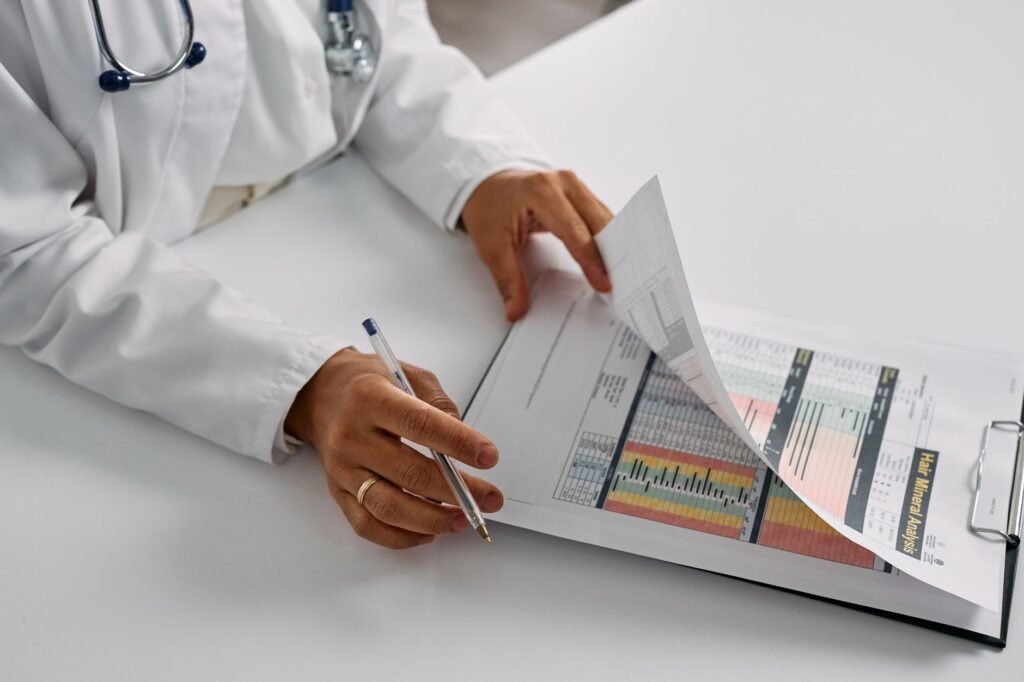
Conclusion: Strengthening Your Injury Claim with Proper Medical Documentation
Effective medical documentation is crucial in the injury claim process, serving as a foundational element in establishing the validity of your case. Throughout this article, we’ve explored the injury documentation importance, emphasizing that comprehensive and accurate medical records not only detail your injuries but also illustrate their impact on your daily life and ability to work. Having a well-organized collection of medical documentation can significantly enhance the strength of your medical documentation injury claim.
How Medical Documentation Injury Claim Can Boost Your Case
Proactive steps in gathering and reviewing your medical records will ensure that you have the necessary information to support your claim. A well-documented medical history can clarify the nature and extent of your injuries, showing a clear link between the incident and the medical treatment received. This is where understanding how medical records affect claims becomes critical; they can directly influence the assessment of your claim’s value and the likelihood of a favorable outcome.
Consider the following actionable takeaways to enhance your medical records claim:
- Keep detailed records of all medical visits, treatments, and prescriptions related to your injury.
- Document any changes in your condition over time, including physical limitations and emotional distress.
- Request copies of your medical records regularly to ensure they are accurate and complete.
- Work closely with your healthcare providers to ensure that all relevant information is included in your documentation.

By prioritizing these steps, you can significantly improve the effectiveness of your medical documentation injury claim, making it easier for insurers or juries to recognize the legitimacy of your case. Remember that your medical records are not just paperwork; they are a vital part of your story and essential for achieving the compensation you deserve. Take charge of your documentation today to build a stronger foundation for your injury claim.
The importance of medical documentation in an injury claim cannot be overstated. Comprehensive medical records provide the necessary evidence to support your case, ensuring that all details surrounding your injuries are accurately captured. A strong foundation in injury documentation is essential for a successful claim, as it directly influences the outcome and compensation. Understanding how medical records affect claims is crucial for anyone navigating this complex process.
By prioritizing the collection and organization of your medical documentation, you significantly enhance your chances of a favorable resolution. It is advisable to work closely with healthcare providers to ensure all relevant information is included in your medical records claim. Taking proactive steps today can make a substantial difference in the success of your medical documentation injury claim. If you have not already begun this process, consider reaching out to a legal professional who specializes in injury claims to guide you through the intricacies of medical documentation.
“`html
What is the importance of medical documentation in injury claims?
Medical documentation plays a critical role in injury claims as it provides a detailed record of the injuries sustained and the treatments received. This documentation supports the claimant’s narrative and demonstrates the extent of the injuries, which helps establish the validity of the claim. Without proper medical documentation, it can be challenging to prove the connection between the injury and the accident, potentially jeopardizing compensation.
How do medical records affect my injury claim compensation?
Medical records significantly affect compensation in an injury claim. They provide evidence of the injury’s severity, treatment history, and long-term prognosis. Insurers use this information to assess the claim’s validity and determine the appropriate compensation. Comprehensive medical documentation ensures that you receive fair compensation commensurate with your injuries and related expenses.
What types of medical records are needed for an injury claim?
For an injury claim, essential medical records include initial examination notes, diagnostic test results, treatment plans, and any follow-up care documentation. Additionally, records of prescriptions, physical therapy sessions, and specialist consultations are crucial. These documents collectively form a complete picture of your injuries and the necessary medical treatment, supporting your claim effectively.
Can incomplete medical documentation hurt my injury claim?
Yes, incomplete medical documentation can adversely impact your injury claim. Insufficient records may lead to delays in the claim process or result in reduced compensation. Insurers rely on comprehensive medical documentation to evaluate the claim accurately, so it is essential to ensure that all relevant medical records are complete and submitted promptly.
How can I obtain my medical records for a claim?
You can obtain your medical records by contacting your healthcare provider or the facility where you received treatment. Most providers have a process for requesting records, which may involve filling out a form and providing identification. Be sure to request all relevant documents that pertain to your injury claim to ensure you have a comprehensive record.
What should I do if my medical records are inaccurate?
If you find inaccuracies in your medical records, it is essential to address them promptly. Contact your healthcare provider to discuss the discrepancies and request corrections. You may need to provide evidence or documentation to support your claims. Ensuring accuracy in your medical records is vital for your injury claim, as inaccuracies can lead to complications in the compensation process.
“`