
Accurate documentation for injury claims is essential for ensuring that victims receive the compensation they deserve. The process of gathering claim documentation can be daunting, yet it plays a crucial role in substantiating your case. This article will explore the importance of documentation, including how to effectively gather accident evidence that supports your claim and navigate the intricate injury claim process. Understanding the documentation required can greatly impact the outcome of your case, making it imperative to avoid common mistakes that could undermine your efforts. By adhering to best practices in claim documentation, you can bolster your position and increase your chances of a favorable resolution. As we delve into these aspects, we will provide insights and guidelines to help you ensure your documentation is both thorough and compelling. For further reading on legal standards and practices, consider visiting Nolo and LegalZoom.
Understanding the Role of Documentation for Injury Claims
Why Accurate Documentation Matters
When navigating the injury claim process, the significance of accurate documentation for injury claims cannot be overstated. Proper documentation serves as the foundation for proving the validity of your claim. It not only encapsulates the details of the incident but also demonstrates the extent of your injuries and their impact on your life. Insufficient or inaccurate documentation can lead to delays, disputes, or even denials in claims, ultimately jeopardizing your chances of securing the compensation you deserve.
Studies show that well-documented claims are more likely to result in favorable outcomes. For instance, claims supported by comprehensive medical records and clear accident evidence are often processed faster and with fewer complications. Accurate documentation helps insurance adjusters and legal representatives assess the merits of your case efficiently, streamlining the entire process.
Common Types of Claim Documentation
To build a strong case, it’s essential to gather various types of claim documentation, including:
- Medical Records: These are crucial for establishing the nature and extent of your injuries. They provide evidence of treatment received and ongoing medical needs.
- Police Reports: A police report contains important details about the incident, including witness statements and officer observations, which can lend credibility to your claim.
- Witness Statements: Testimonies from individuals who witnessed the accident can reinforce your account of events and support your claim.
- Photographic Evidence: Images of the accident scene, your injuries, and property damage can serve as compelling evidence in your favor.
- Expense Records: Invoices and receipts related to medical care, lost wages, and other expenses incurred due to the accident are vital for calculating your total losses.
Collecting and organizing these documents not only aids in the determination of your claim but also enhances your overall position in negotiations with insurance companies and legal entities. For more information on how to effectively compile your documentation, refer to Understanding Pain and Suffering Compensation in Injury Claims.

Gathering Accident Evidence for Your Claim
When pursuing an injury claim, gathering comprehensive accident evidence is essential for a successful outcome. Accurate documentation for injury claims not only strengthens your case but also facilitates the injury claim process. Without the right evidence, you may struggle to substantiate your claims, which can lead to delays or denials.
Types of Accident Evidence to Collect
Collecting various types of accident evidence can significantly bolster your claim documentation. Here are some crucial pieces of evidence to gather:
- Photographs: Capture the accident scene, including vehicles, road conditions, and any visible injuries. These images can provide context and clarity about the incident.
- Witness Statements: Collect contact information from witnesses who observed the accident. Their accounts can provide additional perspectives and corroborate your version of events.
- Official Reports: Obtain police reports or accident reports from relevant authorities. These documents often contain critical information about the accident, such as involved parties and preliminary findings.
- Medical Records: Document your injuries through medical records. These records should detail your diagnosis, treatment, and any ongoing care you may require.

How to Effectively Document an Accident
To ensure that your evidence is effective, follow these actionable tips:
- Take Detailed Photographs: Use your phone or a camera to take multiple photos from various angles. Be sure to capture any relevant details, such as skid marks or traffic signs.
- Record Witness Information: Write down names, phone numbers, and addresses of witnesses immediately after the accident. If possible, ask them for a brief statement regarding what they saw.
- Request Official Reports: Contact local law enforcement or any other relevant agency to obtain copies of official reports. These documents can serve as valuable evidence in your claim.
- Keep a Personal Journal: Document your injuries, treatments, and any impact on your daily life. This personal account can provide insight into the effects of the accident on your well-being.
By diligently gathering and documenting accident evidence, you can significantly enhance your chances of a favorable outcome in your injury claim. Proper evidence not only supports your case but also ensures that all aspects of the accident are thoroughly considered. For further guidance on the steps to take after an accident, refer to our detailed resource on The Role of Medical Records in Personal Injury Claims.
Navigating the Injury Claim Process with Proper Documentation
Filing an injury claim can be a complex and overwhelming process. Understanding the steps involved and the importance of thorough documentation for injury claims can significantly impact the outcomes of negotiations and litigation. Here’s a breakdown of how to effectively navigate the injury claim process through careful documentation.
Steps to Prepare for Filing an Injury Claim
- Document the Incident: As soon as possible after the accident, gather all available accident evidence. This includes photographs of the scene, witness statements, and police reports. Such documentation not only supports your claim but also establishes the context of the incident.
- Record Medical Treatment: Keep detailed records of all medical visits, diagnoses, treatments, and expenses. This includes bills, prescriptions, and any rehabilitation notes. Comprehensive medical documentation is crucial in demonstrating the extent of your injuries.
- Maintain a Journal: Document your recovery process, including any pain, emotional distress, or changes in lifestyle. This personal account can provide significant insight into the ongoing effects of your injury.
- Compile Financial Records: Include any lost wages or other financial impacts directly related to your injury. This can strengthen your claim for compensation.
By preparing this claim documentation before filing, you set a solid foundation for your case.
How Documentation Influences Claim Outcomes
Thorough documentation for injury claims plays a pivotal role throughout the injury claim process. Claims that are well-supported by detailed evidence tend to receive more favorable outcomes. Insurers and courts are more likely to take claims seriously when they are backed by clear, organized records.
For example, studies show that claims with complete medical documentation are more likely to result in higher settlement amounts. Additionally, if a case goes to litigation, comprehensive records can help establish liability and prove damages effectively. The clearer and more organized your documentation is, the stronger your case will be in negotiations or court.
As you navigate the injury claim process, remember that proper documentation not only aids in building your case but also enhances your credibility. When in doubt, consult with a legal professional to ensure all necessary documentation is prepared and submitted correctly.

Common Mistakes to Avoid in Claim Documentation
Accurate documentation for injury claims is critical to ensuring a successful outcome. However, individuals often make common mistakes that can jeopardize their cases. Understanding these pitfalls can help you maintain thorough and effective claim documentation.
Overlooking Key Evidence
One of the most significant mistakes individuals make is overlooking key evidence that can support their injury claims. This includes photographs of the accident scene, witness statements, medical records, and police reports. When important pieces of accident evidence are missing, it can weaken your claim and lead to unfavorable settlements.
To avoid this mistake, take a proactive approach by gathering all relevant evidence immediately after the incident. Use your smartphone to take photos of the scene, document any visible injuries, and collect contact information from witnesses. Additionally, ensure that you obtain copies of medical records and police reports as soon as possible. These documents are essential components of the injury claim process and can significantly impact the outcome of your case.
Avoiding Gaps in Claim Documentation
Failing to keep accurate records is another common error that can hinder the documentation for injury claims. Inconsistent or incomplete records can create confusion and lead to disputes over the details of your case. For example, if you fail to document all medical visits or the timeline of your recovery, insurance adjusters may question the severity of your injuries.
To prevent gaps in your documentation, maintain a detailed log of all medical treatments, expenses, and interactions related to your claim. This includes keeping receipts, invoices, and correspondence with medical professionals and insurance companies. Organizing this information systematically will help streamline the injury claim process and ensure that you have a comprehensive record to support your case.
By avoiding these common mistakes, you can enhance the effectiveness of your claim documentation, ultimately leading to a more successful resolution of your injury claim.

Conclusion: Ensuring Success Through Accurate Documentation
Recap of Key Points on Documentation for Injury Claims
Accurate documentation for injury claims is not merely a formality; it is a critical component that can significantly influence the outcome of your claim. Proper claim documentation encompasses everything from medical records and accident reports to photographs of the scene and witness statements. Each piece of documentation serves as essential accident evidence that substantiates your case. Without a comprehensive collection of these documents, navigating the injury claim process can become daunting, and you risk receiving inadequate compensation for your injuries.
Call to Action for Proper Documentation
To ensure the best possible outcome for your injury claim, take actionable steps now to gather and organize your documentation. Start by creating a dedicated binder for all your claim documentation. Include items like:
- Medical records and bills
- Police reports
- Photographic evidence of the accident scene and injuries
- Witness statements
- Correspondence with insurance companies
By proactively collecting this information, you will not only streamline your case but also provide your legal representation with all the necessary tools to advocate effectively on your behalf. Remember, the strength of your injury claim largely depends on the thoroughness of your documentation for injury claims. Stay organized, stay informed, and ensure that all relevant evidence is readily accessible.
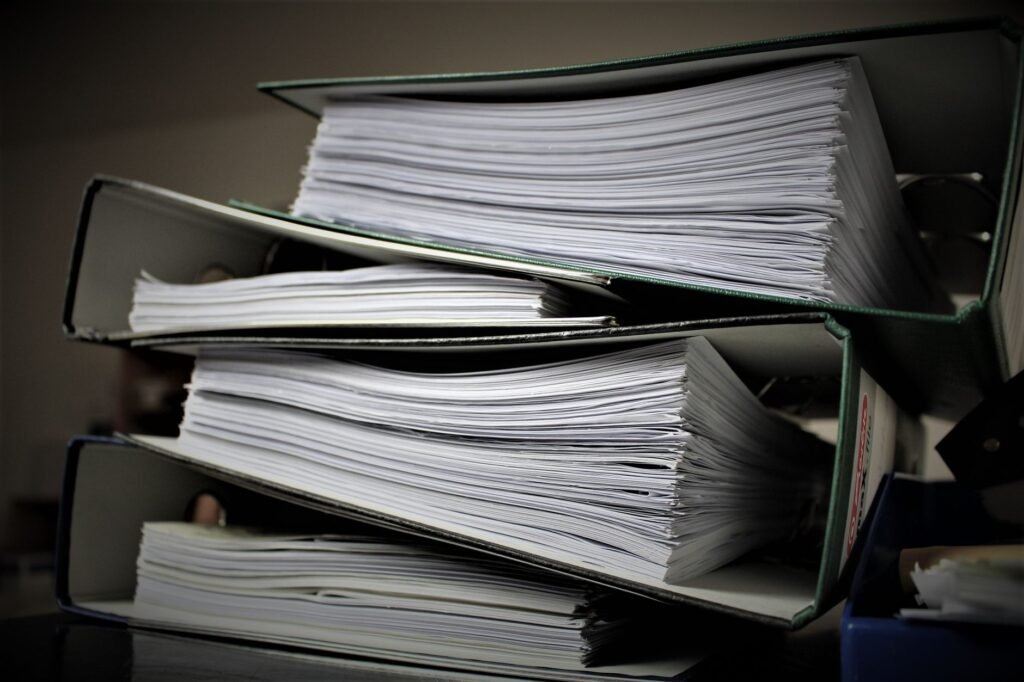
Taking these steps now can safeguard your interests in the future. For more guidance on the injury claim process, explore additional resources or consult legal professionals who specialize in personal injury cases. Your well-being and financial recovery depend on it.
Accurate documentation for injury claims is essential for ensuring a fair assessment of your case. Proper claim documentation serves as the backbone of any successful claim, helping to establish the extent of your injuries and the impact they have on your life. Gathering comprehensive accident evidence can significantly influence the outcome of the injury claim process, providing the necessary support for your claims and helping to prevent disputes.
As you navigate the complexities of your injury claim, prioritize the collection and organization of all relevant documentation for injury claims. This proactive approach will not only streamline the process but also enhance your chances of receiving the compensation you deserve. Start today by compiling your medical records, accident reports, and any other pertinent information to build a strong foundation for your case.
“`html
What types of documentation are needed for an injury claim?
To support your injury claim, gather medical records, bills, and receipts related to your treatment. You should also include police reports, witness statements, and photographs of the accident scene. Additionally, documentation of lost wages and any correspondence with insurance companies is crucial. All these documents serve as vital evidence to substantiate your claim and demonstrate the extent of your injuries and financial losses.
How does documentation affect the injury claim process?
Documentation for injury claims plays a critical role in determining the outcome of your claim. Thorough and accurate documentation can expedite the claim process and support your position when negotiating with insurance companies. Conversely, insufficient or missing documentation may lead to delays, reduced settlements, or even denial of your claim. Therefore, ensuring that all relevant evidence is collected and organized is essential for a smooth injury claim process.
What should I include in my claim documentation?
Your claim documentation should include medical records detailing your injuries, treatment plans, and any ongoing care requirements. It is also important to add accident reports, photographs of the accident scene, witness statements, and proof of lost income due to the injury. Additionally, keep copies of all correspondence with your insurance company, as this can provide context and support for your claim.
How can I gather accident evidence after a collision?
Gathering accident evidence immediately after a collision is crucial. Start by taking clear photographs of the accident scene, vehicle damage, and any visible injuries. Collect contact information from witnesses and obtain a copy of the police report. If applicable, document any traffic signals, road conditions, or other relevant details. Additionally, keeping a record of medical visits and treatments related to the accident will further strengthen your claim documentation.
What are common mistakes to avoid in injury claim documentation?
Common mistakes in injury claim documentation include failing to collect all relevant evidence, not keeping consistent records, and submitting incomplete or inaccurate information. Additionally, waiting too long to gather and submit documentation can hinder your claim. Avoiding emotional language in your records and ensuring all parties involved have accurate contact information are also essential. Taking the time to carefully compile and review your documentation can significantly impact the success of your claim.
How long do I need to keep documentation for an injury claim?
It is advisable to keep documentation for injury claims for at least several years after the claim is resolved. This period allows for any potential appeals, disputes, or unforeseen complications that may arise later. Keeping a comprehensive record will not only help in case of future issues but also provide valuable evidence if you need to pursue further claims or legal action related to the injury.
“`