
Understanding the mistakes in injury claims is crucial for anyone seeking fair compensation after an accident. Unfortunately, many individuals unknowingly fall into various injury claim pitfalls that can undermine their cases. This article aims to highlight common claim errors and provide essential filing injury claim tips to navigate the complexities of the claims process. We will explore the importance of seeking prompt medical attention, as neglecting this critical step can significantly impact your claim. Additionally, understanding liability and how it influences your case is vital for successful outcomes. The role of evidence cannot be overstated; we will discuss how it can strengthen your claim and bolster your chances of receiving compensation. Whether you are new to filing an injury claim or looking to refine your approach, this guide will offer valuable insights to help you avoid the most frequent mistakes in injury claims that can hinder your recovery efforts.
Common Mistakes in Injury Claims and How to Avoid Them
Understanding the Importance of Timeliness in Injury Claims
One of the most critical mistakes in injury claims is the failure to submit the claim promptly. Many jurisdictions have strict deadlines, often referred to as statutes of limitations, which dictate the time frame within which a claim must be filed. Missing these deadlines can lead to automatic dismissal of your case, regardless of its merits. It’s essential to be aware of these timelines and act quickly to avoid losing your right to compensation.
Neglecting to Document Evidence: Tackling Common Claim Errors
Another common claim error is the neglect to document evidence adequately. Proper documentation is vital for supporting your injury claim. This includes:
- Photographs of the accident scene, injuries, and damages.
- Medical records detailing your treatment and prognosis.
- Witness statements that corroborate your account of the incident.
Organizing this evidence into a clear timeline not only strengthens your case but also aids in the efficient processing of your claim. Utilize filing injury claim tips by keeping all documentation in one place, making it easier to provide necessary information when required. Failure to present organized and comprehensive evidence is one of the significant injury claim pitfalls that can undermine your chances of a successful outcome.
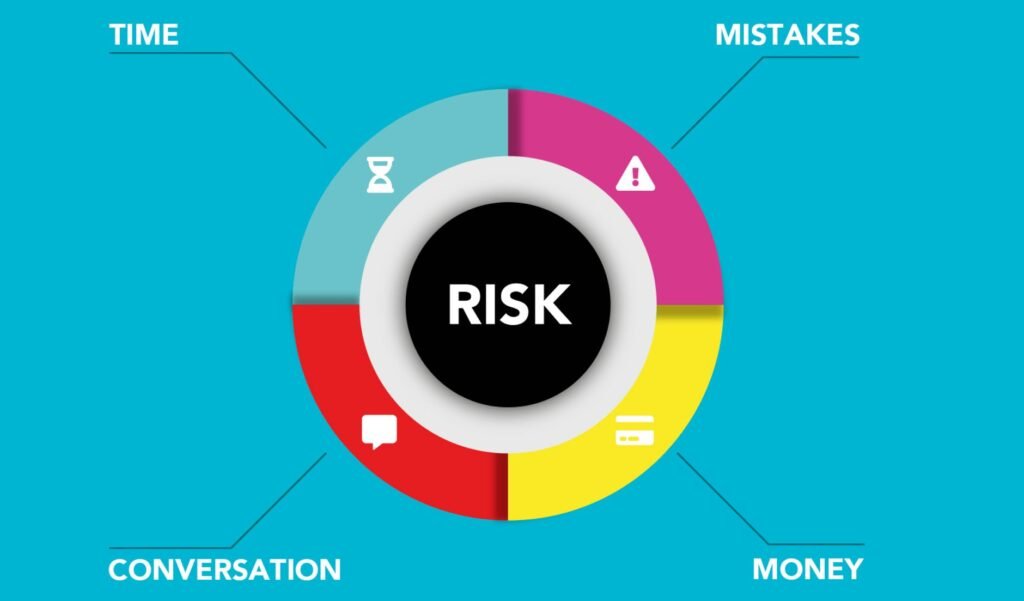
Avoiding these mistakes in injury claims involves staying informed and proactive. For a better understanding of how to manage your claim effectively, consider seeking legal advice or consulting with professionals who specialize in personal injury law. This can help you navigate the complexities of your case and ensure that you are not falling victim to common claim errors.
Injury Claim Pitfalls: Failing to Seek Medical Attention
Mistakes in Injury Claims: The Risks of Delayed Medical Treatment
One of the most critical mistakes in injury claims is neglecting to seek immediate medical attention after an accident. Many individuals may underestimate their injuries, choosing to wait before consulting a healthcare professional. However, this delay can significantly weaken your claim. Insurance adjusters often view a lack of prompt medical care as a sign that the injuries are not severe or even that they might not have occurred at all. This perception can jeopardize your chances of receiving fair compensation.
How Medical Records Support Your Claim
Thorough medical documentation is essential in substantiating an injury claim. Medical records provide a timeline of treatment and the extent of injuries, acting as crucial evidence in your case. For instance, if you delay treatment and then seek medical help weeks later, the absence of timely records may lead to challenges in linking your injuries to the incident in question. This is a common claim error that can make it difficult to prove the severity and impact of your injuries.
To avoid these pitfalls, follow these filing injury claim tips:
- Seek medical attention immediately after an accident, even if injuries seem minor.
- Keep a detailed record of all medical visits, treatments, and expenses.
- Follow the prescribed treatment plan to demonstrate your commitment to recovery.
By prioritizing medical attention and maintaining comprehensive records, you can strengthen your injury claim and minimize the risks associated with these common claim errors. 
Filing Injury Claim Tips to Enhance Your Case
Avoiding Mistakes in Injury Claims by Consulting Legal Experts
When navigating the complex landscape of injury claims, one of the most significant injury claim pitfalls is failing to consult with legal experts. An experienced attorney can help you understand your rights, evaluate your case, and ensure that all necessary documentation is prepared. Here are some filing injury claim tips to keep in mind:
- Research Qualified Attorneys: Look for lawyers specializing in personal injury cases. Check their track record and client reviews.
- Schedule a Consultation: Most personal injury attorneys offer free initial consultations, allowing you to assess their expertise without financial commitment.
- Be Open and Honest: Share all details about the incident and your injuries. Transparency allows your attorney to build a stronger case.
- Ask Questions: Don’t hesitate to seek clarification about any aspect of the legal process or your case strategy.
Understanding Insurance Company Tactics to Avoid Common Mistakes in Injury Claims
Insurance companies often employ various tactics to minimize payouts, leading to common claim errors. Understanding these strategies can better prepare you to counter them:
- Low Initial Offers: Insurance adjusters may present a quick, low settlement to pressure you into accepting it before you fully understand your damages. Always consult your attorney before accepting any offers.
- Claim Delays: Insurers may delay the processing of claims to frustrate you into accepting a lower offer. Stay proactive by following up regularly.
- Discrediting Your Claim: Insurers might try to undermine your credibility by focusing on minor inconsistencies in your statement. Ensure your documentation is clear and consistent.
By recognizing these tactics and seeking professional legal assistance, you can significantly reduce the likelihood of making mistakes in injury claims and improve your chances of receiving fair compensation.

Understanding Liability and Its Impact on Claims
Accurately identifying liability is crucial in the context of injury claims. When parties involved in an incident are not clearly defined, it leads to common claim errors that can significantly impact compensation outcomes. Understanding who is at fault not only determines liability but also establishes the foundation for your claim.
Identifying Fault Clearly
In any injury claim, pinpointing the responsible parties is essential. Misconceptions surrounding fault can result in mistakes in injury claims. For instance, if a claimant assumes sole responsibility for an accident, they might forfeit their right to compensation, even when another party shares the blame. This is especially relevant in comparative negligence jurisdictions, where the compensation amount can be reduced based on the claimant’s degree of fault.
To avoid these pitfalls, gather evidence such as police reports, witness statements, and photographs of the scene. These elements will help clarify the circumstances of the incident and identify all liable parties. Engaging a legal professional can provide further insights into how liability is assessed in your specific case.
Common Claim Errors Related to Liability
Common claim errors often arise from a lack of understanding about liability. For instance, failing to include all responsible parties in the claim can lead to reduced compensation or even denial of the claim. Additionally, not recognizing the implications of shared fault can result in claimants undervaluing their case.
- Omitting key evidence that establishes fault.
- Assuming full responsibility and not considering shared liability.
- Neglecting to consult with legal experts for guidance on liability assessment.
By taking the time to accurately assess fault and understanding the potential injury claim pitfalls, you can strengthen your case and improve your chances of receiving fair compensation. For more filing injury claim tips, consider consulting legal professionals who specialize in personal injury cases. This proactive approach will help you navigate the complexities of your claim successfully.

The Role of Evidence in Strengthening Your Claim
Evidence plays a crucial role in the success of any injury claim. One of the most significant mistakes in injury claims is failing to adequately gather and present evidence to support your case. Strong evidence can make the difference between a successful claim and a denial, so understanding how to effectively collect and utilize it is essential.
Gathering Witness Statements
Witness statements can serve as powerful evidence in your injury claim. Eyewitnesses can provide a firsthand account of the incident, which can help establish liability. When gathering witness statements, ensure to obtain contact information and ask them to provide a written account of what they saw. This not only helps to corroborate your version of events but also addresses common claim errors that arise from a lack of supportive testimony. Aim for a diverse range of witnesses, including those who may not have a direct interest in the case but can provide objective observations.
Mistakes in Injury Claims: Using Expert Testimonies Effectively
Expert testimonies can significantly influence the outcome of your case, particularly in complex situations involving medical or technical details. An expert can provide insights that clarify the extent of injuries or the mechanics of the incident. Selecting the right expert is crucial; they should have relevant qualifications and experience to lend credibility to your claim. Utilizing expert testimonies effectively can help avoid injury claim pitfalls that stem from insufficient evidence, ensuring your claim is backed by credible, professional opinions.
taking the time to gather witness statements and employ expert testimonies can substantially strengthen your injury claim. These steps can help mitigate common claim errors and enhance the likelihood of a favorable outcome. For more filing injury claim tips, consider consulting with a legal professional who can guide you in building a robust case.

Conclusion: Avoiding Common Mistakes in Injury Claims
Successfully navigating the injury claims process requires diligence and attention to detail. One of the most significant mistakes in injury claims is failing to gather comprehensive evidence and documentation. This includes not only medical records but also photographs, witness statements, and any relevant police reports. Without solid proof, your claim may lack the necessary support for a favorable outcome.
Another common claim error is underestimating the importance of timelines. Many individuals neglect to file their claims promptly, risking dismissal due to statutes of limitations. It is crucial to familiarize yourself with these deadlines to ensure your claim is processed efficiently. Additionally, avoid discussing your case with anyone other than your legal counsel, as this can lead to unintentional admissions or miscommunications.
Implementing filing injury claim tips such as consulting with a qualified attorney can greatly enhance your chances of a successful outcome. Legal professionals can help identify potential injury claim pitfalls and guide you through the complexities of the legal system. To ensure you don’t fall victim to common claim errors, take proactive steps to document every aspect of your injury and its ramifications on your life.
By being aware of the typical mistakes in injury claims, you can protect your rights and pursue the compensation you deserve. Stay informed, be diligent, and seek expert advice when necessary to navigate this challenging process effectively.

Understanding the common mistakes in injury claims is crucial for maximizing your chances of a successful outcome. By being aware of injury claim pitfalls, such as failing to document your injury or missing deadlines, you can better navigate the claims process. Utilizing effective filing injury claim tips and avoiding common claim errors will empower you to present a stronger case.
As you move forward with your injury claim, take the time to research and consult with professionals who can guide you through the complexities of the process. Seeking legal advice can help you avoid significant mistakes in injury claims that could jeopardize your compensation. By being proactive and informed, you can enhance your chances of achieving a favorable resolution.
“`html
What are the most common mistakes in injury claims?
Some of the most common mistakes in injury claims include failing to document the injury properly, not seeking timely medical treatment, and providing recorded statements to insurance adjusters without legal advice. Additionally, many people overlook the importance of gathering evidence, such as photographs and witness statements, which can significantly impact the outcome of their claim. Lastly, settling too quickly without fully understanding the extent of one’s injuries and future medical needs is a frequent error.
How can I avoid pitfalls when filing an injury claim?
To avoid injury claim pitfalls, ensure thorough documentation of your injuries and medical treatments. Keep a detailed record of expenses related to your injury, including medical bills and lost wages. It’s also essential to understand your rights and deadlines for filing claims. Consider consulting with a personal injury attorney who can guide you through the process and help you avoid common claim errors that could jeopardize your compensation.
What filing injury claim tips should I keep in mind?
When filing an injury claim, keep these tips in mind: document everything related to your injury, including medical records and expenses. Be cautious when discussing your case with insurance representatives, as they may try to minimize your claim. Additionally, ensure you adhere to all deadlines for filing paperwork. Gathering evidence, such as photographs of the scene and eyewitness accounts, can strengthen your case and improve your chances of a favorable outcome.
How important is medical documentation in an injury claim?
Medical documentation is crucial in an injury claim, as it provides evidence of the extent and cause of your injuries. This documentation includes medical records, bills, and treatment plans, which help establish the connection between the accident and your injuries. Insurance companies rely heavily on this information to assess the validity of your claim and the compensation amount. Without comprehensive medical documentation, your claim could be significantly weakened.
What common claim errors can affect my compensation?
Common claim errors that can affect your compensation include failing to report injuries promptly, not collecting enough evidence, and providing inconsistent statements. Additionally, underestimating the total cost of your injuries, such as long-term medical expenses and lost wages, can lead to inadequate compensation. It’s essential to accurately assess the full impact of your injuries to avoid these pitfalls and ensure you receive a fair settlement.
Should I consult a lawyer for my injury claim?
Yes, consulting a lawyer for your injury claim is highly advisable. An experienced personal injury attorney can provide invaluable guidance, help you navigate the complexities of the legal process, and increase your chances of receiving fair compensation. They can also assist in gathering evidence, negotiating with insurance companies, and ensuring that you avoid common mistakes in injury claims that could jeopardize your case.
“`