
Understanding injury claim timelines is essential for anyone navigating the complexities of personal injury claims. When you suffer an injury due to someone else’s negligence, knowing how long after an injury claim you can expect resolution is critical for planning your next steps. This article provides a comprehensive overview of the injury claim process timeline, offering insights into what you can realistically expect throughout the journey. We will explore the various stages involved in the claims process, highlight common challenges that may arise, and provide guidance on how to manage your expectations during this often lengthy procedure. By understanding the intricacies of injury claim timelines, you can better prepare yourself for what lies ahead and make informed decisions. Whether you are just beginning the process or are already deep in negotiations, this article aims to equip you with the knowledge needed to navigate your injury claim effectively. For more detailed information on personal injury law, consider visiting Nolo.
Injury Claim Timelines: An Overview
What Is an Injury Claim?
An injury claim is a formal request for compensation made by an individual who has suffered harm due to someone else’s negligence or wrongdoing. This process can arise from various incidents, including car accidents, workplace injuries, medical malpractice, or slip and fall accidents. The injured party typically seeks damages for medical expenses, lost wages, pain and suffering, and other associated costs. Understanding the injury claim process timeline is essential for claimants to navigate their cases effectively and ensure they receive the rightful compensation they deserve.
Importance of Understanding Timelines
Comprehending injury claim timelines is crucial for several reasons. First, it sets realistic expectations regarding the progression of a claim. Many claimants wonder how long after injury claim they should expect resolution, and being aware of the timeline helps in planning for recovery and financial needs. The injury claim process timeline can vary widely depending on factors such as the complexity of the case, the willingness of the parties to negotiate, and the jurisdiction in which the claim is filed.
Moreover, understanding these timelines can significantly impact recovery and settlements. For instance, delays in filing a claim may lead to complications, such as losing crucial evidence or witnesses forgetting key details. Claimants who are informed about the process can take proactive steps to avoid these pitfalls, ensuring their case remains strong. Additionally, awareness of the timings associated with different stages of the process can help individuals manage their expectations regarding when they might receive compensation for their injuries. Ultimately, having a clear grasp of injury claim timelines can empower claimants to make informed decisions and enhance their chances of a favorable outcome.

Injury Claim Process Timeline Explained
Initial Steps After Filing an Injury Claim
Once you have filed an injury claim, the process begins with several crucial steps. Initially, your claim will be assigned to an adjuster from the insurance company. This person will review the details of your case, including medical records, accident reports, and other relevant documentation. The goal during this phase is to establish the facts surrounding your claim and assess the extent of your injuries.
How long after injury claim filing can you expect this stage to take? Typically, the initial investigation can last anywhere from a few weeks to several months, depending on the complexity of the case and the availability of evidence. During this time, maintain open communication with your attorney and the insurance adjuster to expedite the process.
Typical Duration for Each Phase of Injury Claim Timelines
The injury claim process timeline can be broken down into several key phases:
- Investigation: As mentioned, this stage can take a few weeks to several months. The adjuster will gather and analyze evidence, including eyewitness accounts and expert opinions.
- Negotiation: After the investigation, negotiations will commence. Expect this phase to last from a few weeks to a few months, depending on the willingness of both parties to reach a settlement. Your expectations for an injury claim should include potential counteroffers and discussions about compensation.
- Litigation (if necessary): If negotiations fail, litigation may follow. This stage can significantly extend the timeline, potentially taking several months to years, depending on court schedules and the complexity of the case.
Overall, injury claim timelines can vary significantly based on individual circumstances. Having a clear understanding of each phase will help set realistic expectations throughout the process. For more detailed guidance, consider consulting with a legal professional who specializes in personal injury claims.
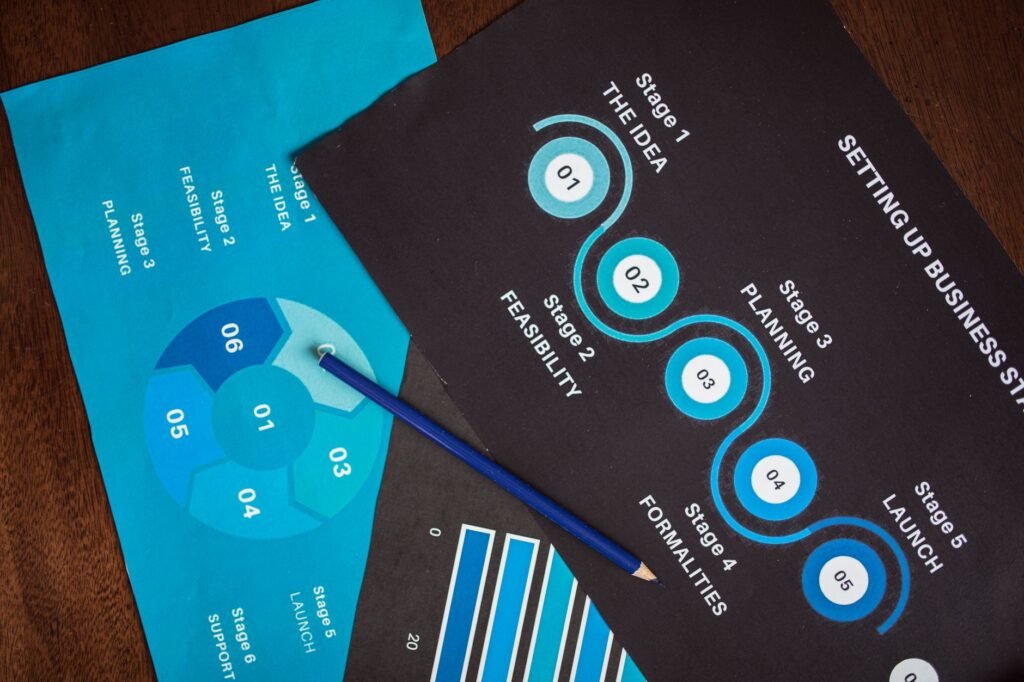
Realistic Expectations for Your Injury Claim
Understanding the injury claim timelines can help you set realistic expectations as you navigate the complex process of filing a claim. Multiple factors can influence how long your claim will take to resolve, and being aware of these can help you better prepare for what’s ahead.
Factors Influencing Claim Timelines
Various elements affect the duration of your injury claim process timeline. These include:
- Complexity of the Case: Claims involving severe injuries or multiple parties typically require more time for investigation and negotiation.
- Insurance Company Practices: Different insurers have varying protocols, which can impact how quickly they respond to claims and settle disputes.
- Medical Evaluations: The time needed for medical assessments and obtaining necessary documentation can significantly delay the process. It is essential to have complete medical records to substantiate your claim.
Moreover, the legal framework and jurisdiction where the claim is filed can also play a role. Familiarizing yourself with local laws can help in anticipating any potential hurdles.
Common Delays and How to Address Them in Injury Claim Timelines
Understanding common delays can help manage your expectations for the injury claim process timeline. Some frequent issues include:
- Delayed Response from Insurers: If the insurance company is slow to respond, follow up regularly to keep your claim moving.
- Incomplete Documentation: Ensure that all required documents are submitted on time, as missing information can halt your claim.
- Negotiation Length: Be prepared for potential back-and-forth negotiations, which can extend the timeline. Having a clear understanding of your settlement expectations can facilitate faster agreements.
By proactively addressing these common issues, you can maintain momentum and better manage your expectations injury claim outcomes. If you want to learn more about navigating the injury claim process, consider consulting a legal expert for tailored advice. Understanding Injury Claim Processing Time: A Complete Guide

Navigating Challenges in Injury Claim Timelines
The journey through injury claim timelines can be fraught with unexpected challenges. Delays and complications may arise, leaving claimants uncertain about their next steps. Understanding when to seek legal assistance and how to stay informed can significantly ease this process.
When to Seek Legal Assistance
If you find that your injury claim is taking longer than anticipated, it may be time to consult with a legal professional. Common reasons for delays include disputes over liability, insufficient documentation, or issues with insurance companies. If you are unsure about how long after an injury claim you should expect resolution, a lawyer can provide clarity and help you navigate potential obstacles.
Consider seeking legal help if:
- Your claim has exceeded the typical injury claim process timeline without clear communication from the insurance company.
- You receive a low settlement offer that does not reflect your actual medical expenses and lost wages.
- You encounter resistance or lack of cooperation from the other party involved.
Tips for Staying Informed and Prepared
Staying informed about the progress of your claim can help manage your expectations during the injury claim timelines. Here are actionable tips to keep you prepared:
- Regularly Communicate: Maintain open lines of communication with your lawyer and insurance adjuster. Regular updates can help you feel more secure about the status of your claim.
- Document Everything: Keep meticulous records of all medical treatments, communications, and expenses related to your injury. This documentation can be invaluable if disputes arise.
- Set Realistic Expectations: Understand that complex claims may take longer to resolve. Familiarize yourself with general timelines for similar cases to set achievable expectations regarding your injury claim.
By knowing when to seek help and how to stay informed, you can better navigate the challenges that may arise in the injury claim timelines process.

Conclusion: Moving Forward with Your Injury Claim
Understanding injury claim timelines is essential for anyone navigating the complexities of an injury claim. Throughout this process, it is crucial to remain proactive and manage your expectations effectively. The injury claim process timeline can vary significantly based on several factors, including the severity of the injury, the complexity of the case, and the responsiveness of involved parties. Being aware of these elements can help you anticipate how long after injury claim proceedings may take.
Key points to remember include:
- Document all communications related to your claim to streamline the process.
- Engage legal counsel early to navigate potential pitfalls and delays.
- Stay informed about the stages of your claim, from initial filing to settlement negotiations.
As you move forward, maintaining realistic expectations regarding your injury claim is vital. Delays can occur due to various reasons, including gathering medical records, negotiating with insurance companies, and potential litigation. Understanding these factors will empower you to manage the timeline and avoid unnecessary frustration.
For a smoother experience, consider regular check-ins with your attorney to ensure all necessary steps are being taken and to address any concerns promptly. This proactive approach can significantly impact your overall satisfaction with the process and its outcome.
Finally, remember that while the journey may be lengthy, the goal is to ensure you receive the compensation you deserve for your injuries. By staying informed and engaged, you can navigate the intricacies of injury claim timelines more effectively.

For more information on specific stages within the injury claim process, visit How Long to Settle an Injury Claim? Insights & Timelines.
Understanding injury claim timelines is crucial for anyone navigating the complexities of personal injury claims. Being aware of the injury claim process timeline can help set realistic expectations regarding the duration and steps involved in securing compensation. Typically, how long after injury claim proceedings commence will the resolution occur depends on various factors, including the complexity of the case and the willingness of the parties to negotiate.
As you move forward, consider consulting with a qualified attorney who can provide insights tailored to your specific situation. They can help clarify any uncertainties about injury claim timelines and assist you in managing your expectations regarding the injury claim process timeline. Taking this proactive step can significantly improve your chances of a favorable outcome and expedite the resolution of your claim.
“`html
How long does it take to settle an injury claim?
The duration to settle an injury claim can vary significantly based on various factors. Typically, it may take anywhere from a few months to a few years. If the case is straightforward and both parties agree on the compensation, it can settle faster. However, if negotiations are prolonged or if court action is necessary, the timeline can extend considerably. Understanding injury claim timelines is crucial for managing expectations during the process.
What are the stages of the injury claim process?
The injury claim process generally involves several key stages: initial consultation, investigation, filing a claim, negotiation, and resolution. During the investigation, evidence is gathered to support the claim. Once a claim is filed, the negotiation phase begins, where the parties discuss compensation. If an agreement is not reached, the case may proceed to litigation. Familiarizing yourself with the injury claim process timeline can help clarify the steps ahead.
What factors can delay an injury claim?
Several factors can delay an injury claim, including complex liability issues, the need for extensive medical documentation, or disputes over the extent of injuries. Additionally, if the insurance company requires a lengthy investigation or if the case heads to litigation, this can also prolong the process. Understanding these potential delays is essential when assessing injury claim timelines.
How long after filing an injury claim will I hear back?
After filing an injury claim, you can typically expect to hear back from the insurance company within a few weeks. However, the initial response time may vary depending on the complexity of your case and the insurer’s workload. If there are questions or additional information is needed, it may take longer. Staying proactive and following up can help ensure timely communication about your claim.
What should I do if my injury claim takes too long?
If your injury claim is taking longer than expected, first, review your case with your attorney to identify possible reasons for the delay. You may need to contact the insurance company for updates or clarification on any outstanding issues. If necessary, consider alternative dispute resolution methods or, as a last resort, litigation to expedite the process. Taking proactive steps can help address prolonged injury claim timelines.
What can I expect during the negotiation phase of my injury claim?
During the negotiation phase of your injury claim, you will discuss the terms of compensation with the insurance company. Expect to present evidence of your injuries, medical expenses, and other damages. The insurer may make a counteroffer, leading to back-and-forth discussions. Be prepared for this process to take time, as both parties aim to reach a fair settlement. Understanding the intricacies of injury claim timelines can help you navigate these negotiations more effectively.
“`