
The injury claim investigation is a crucial phase in the claims process that can significantly influence the outcome of your case. Understanding what to expect during this investigation is essential for anyone navigating the complexities of personal injury claims. This article provides a comprehensive overview of the claims process, including an in-depth look at the investigation timeline and what steps are involved in evidence collection. You will learn about the types of evidence that can be crucial to your claim, as well as the methods investigators typically use to gather this information. By familiarizing yourself with these elements, you can better prepare for the challenges ahead and enhance your chances of a favorable resolution. Whether you are a claimant or simply seeking knowledge about the process, this guide aims to demystify the injury claim investigation and equip you with the insights needed to navigate your case effectively. For further details on related topics, consider visiting resources like Nolo or USA.gov.
Understanding the Injury Claim Investigation Process
The injury claim investigation plays a crucial role in determining the validity of a claim and establishing liability. This process involves a thorough examination of the facts surrounding the incident, collection of evidence, and assessment of damages. Understanding how this investigation unfolds can significantly impact the outcome of your claim.
Overview of the Claims Process
The claims process begins when the injured party files a claim with the insurance company. This typically involves submitting necessary documentation, such as medical records and accident reports. The claims process overview includes several key steps:
- Initial Claim Submission: The injured party submits a formal claim to the insurer, detailing the incident and the damages incurred.
- Investigation Initiation: The insurance company begins its injury claim investigation, gathering information and evidence related to the claim.
- Evaluation of Evidence: Collected evidence is analyzed to assess the validity of the claim and determine liability.
- Settlement Negotiation: If the claim is deemed valid, the insurance company will present a settlement offer. Negotiations may ensue.
- Resolution: The claim is either settled or, if necessary, pursued through litigation.
Key Steps in the Injury Claim Investigation Timeline
The investigation timeline can vary based on several factors, including the complexity of the case and the availability of evidence. Generally, an injury claim investigation can take anywhere from a few weeks to several months. Key steps within this timeline include:
- Initial Contact: After the claim is filed, the insurance adjuster will typically reach out within a few days to gather basic information.
- Evidence Collection: This phase may include interviews with witnesses, consultations with medical professionals, and collection of accident reports. The thoroughness of this stage can affect the overall timeline.
- Review and Analysis: The adjuster evaluates the gathered evidence and may take additional time to consult with legal or medical experts.
- Decision Making: Once all evidence has been analyzed, the insurance company will make a decision regarding liability and settlement offers.
Understanding the injury claim investigation process is essential for navigating your claim effectively. By familiarizing yourself with the claims process overview and the investigation timeline, you can better prepare for what lies ahead. For more insights on maximizing your claim, consider exploring How to Gather Evidence for Your Injury Claim.

Evidence Collection During an Injury Claim Investigation
Types of Evidence Collected in an Injury Claim Investigation
During an injury claim investigation, the collection of evidence plays a pivotal role in establishing the facts surrounding the incident. Various types of evidence can be gathered, each contributing to the overall understanding of the case. Here are some key categories:
- Medical Records: Documentation of injuries sustained, treatment received, and medical expenses incurred is essential. These records provide professional validation of the claimant’s physical condition.
- Photographic Evidence: Images of the accident scene, injuries, and property damage can be powerful tools in demonstrating the circumstances of the incident.
- Witness Statements: Testimonies from individuals who witnessed the event can provide unbiased perspectives that support the claimant’s side of the story.
- Police Reports: Official documentation from law enforcement can offer an objective account of the incident, including details of any violations or infractions.
- Surveillance Footage: Video evidence from nearby cameras can be invaluable in corroborating witness statements and verifying the sequence of events.

Importance of Thorough Evidence Gathering
Thorough and accurate evidence collection is crucial for a successful injury claim investigation. The evidence gathered during the investigation can significantly impact the outcome of the claim, influencing whether it is accepted or denied. Comprehensive evidence strengthens the claimant’s position and can expedite the claims process overview.
To optimize evidence collection, claimants can take several proactive steps:
- Document Everything: Keep detailed records of all interactions related to the incident, including conversations with insurance representatives, medical professionals, and witnesses.
- Take Photos: Capture images of the scene, injuries, and any other relevant details as soon as possible, as conditions can change quickly.
- Gather Contact Information: Collect names and contact details of all witnesses who can provide statements supporting your claim.
- Follow Medical Advice: Adhere to medical recommendations and keep a log of all treatments and appointments to support your case with accurate medical records.
By understanding the types of evidence collected and the importance of thorough evidence gathering, claimants can better navigate the investigation timeline and strengthen their injury claims. For more information on the claims process, consider reviewing our detailed guide on Gathering Evidence for Your Injury Claim.
What to Expect from the Investigation Process
The investigation phase of an injury claim investigation is critical, as it sets the foundation for your claim’s success. Understanding what to expect can help you navigate this process more effectively.
Common Challenges in Investigations
During an injury claim investigation, claimants often encounter several challenges that can complicate the claims process. Here are some of the most common issues:
- Delayed Responses: Insurance companies may take time to respond to requests for information, leading to an elongated investigation timeline.
- Disputed Evidence: The evidence collected may be contested by the opposing party, which can create further complications in establishing liability.
- Insufficient Documentation: Claimants may struggle with gathering all necessary documentation, which is crucial for a strong case.
- Witness Availability: Witnesses may be hard to locate or hesitant to provide statements, impacting the evidence collection process.
Being aware of these challenges allows you to prepare effectively and avoid common pitfalls during the investigation phase.
How to Prepare for the Investigation
Preparation is key to ensuring a smoother injury claim investigation. Here are actionable steps to help you get ready:
- Document Everything: Keep a detailed record of the incident, including dates, times, locations, and any communications with involved parties.
- Gather Evidence: Collect all relevant evidence, such as photographs, medical records, and police reports. This will strengthen your case during evidence collection.
- List Potential Witnesses: Make a list of people who witnessed the incident and be prepared to provide their contact information to your attorney or investigator.
- Consult with Legal Professionals: Engaging with a personal injury attorney can give you insights into the claims process overview and help you navigate the intricacies of the investigation phase.
By taking these proactive steps, you can minimize the challenges associated with the investigation and improve your chances of a favorable outcome.

Conclusion: Navigating Your Injury Claim Investigation
Understanding the intricacies of an injury claim investigation is essential for anyone involved in a personal injury case. Throughout this article, we have explored the various stages of the claims process overview, highlighting the importance of preparation and knowledge during the investigation timeline. Each step taken can significantly impact the outcome of your claim, making it vital to stay informed and proactive.
Key Takeaways for Your Injury Claim Investigation
Effective evidence collection is the cornerstone of a successful injury claim investigation. As discussed, gathering relevant documentation such as medical records, photographs of the incident scene, and witness statements can bolster your case. Keeping organized records not only aids your claims process but also facilitates communication with your legal representation.
Being aware of the investigation timeline can help you set realistic expectations for your claim’s progress. Typically, the investigation will involve multiple stages, from initial assessments to detailed evaluations. Each phase requires your active participation and responsiveness to requests for information from your attorney or insurance adjusters.
Moreover, maintaining open lines of communication with your legal team is crucial. They can guide you through the complexities of the claims process and advise you on best practices for evidence collection. Regular updates will ensure you stay on track and can address any potential issues as they arise.
As you navigate your injury claim investigation, remember that being proactive can make a significant difference in the outcome of your case. Take the time to understand your rights and responsibilities, and don’t hesitate to seek legal advice when needed. By staying engaged and informed, you can effectively advocate for yourself and work towards a favorable resolution.
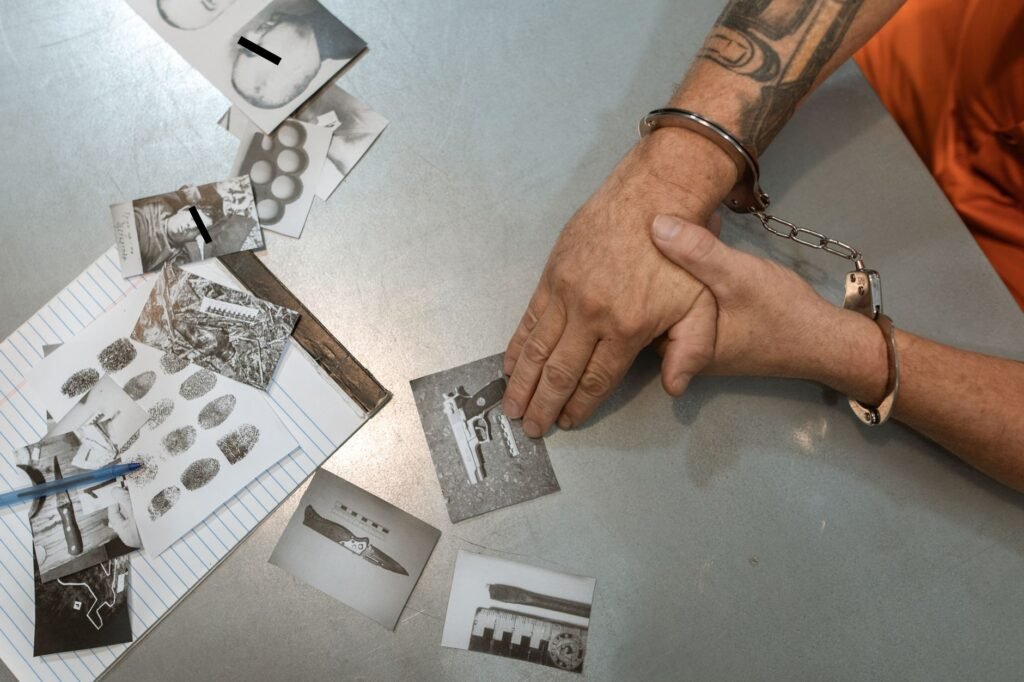
Understanding the intricacies of an injury claim investigation is crucial for anyone navigating the claims process. Familiarizing yourself with the investigation timeline and the steps involved in evidence collection can significantly impact the outcome of your claim. By knowing what to expect, you can better prepare yourself for each phase of the investigation, ensuring that you gather the necessary documentation and information to support your case effectively.
If you find yourself in the midst of an injury claim investigation, it is essential to stay proactive and informed. Seek the assistance of professionals who can guide you through the complexities of the claims process overview and help you gather the evidence required to strengthen your position. Take the next step by reaching out to a qualified attorney or claims specialist who can provide tailored advice based on your unique situation.
“`html
What is an injury claim investigation?
An injury claim investigation is a thorough process conducted by insurance companies or legal representatives to evaluate the facts surrounding an injury claim. This process typically includes gathering evidence, interviewing witnesses, and assessing the circumstances of the incident. The goal is to determine liability, the extent of damages, and if the claim is valid. Understanding this process can help claimants navigate the complexities of their cases more effectively.
How long does the injury claim investigation process take?
The duration of an injury claim investigation can vary significantly based on the complexity of the case, the availability of evidence, and the cooperation of involved parties. Generally, the investigation timeline may range from a few weeks to several months. It’s essential to remain patient during this period, as thorough investigations often yield more favorable outcomes for claimants.
What types of evidence are collected during an investigation?
During an injury claim investigation, various types of evidence are collected to support the claim. This includes medical records, accident reports, photographs of the scene, witness statements, and any relevant documentation. Additionally, surveillance footage or expert testimonies may be gathered to establish the facts surrounding the incident. Collecting comprehensive evidence is crucial to building a strong case.
What should I do if my claim is denied after the investigation?
If your claim is denied following an injury claim investigation, do not lose hope. Review the denial letter to understand the reasons behind the decision. You can gather additional evidence or seek a second opinion from a legal professional. Many claims can be appealed, so it’s essential to understand the appeals process and take action promptly.
Can I influence the outcome of my injury claim investigation?
While you cannot directly control the outcome of an injury claim investigation, you can certainly influence it by being proactive. Providing clear, accurate information, cooperating with investigators, and submitting all required documentation can help strengthen your case. Consulting with a legal expert can also guide you in presenting your claim effectively, improving your chances of a favorable result.
What are common mistakes to avoid during an injury claim investigation?
Common mistakes during an injury claim investigation include providing inconsistent information, failing to document evidence, and not seeking legal advice. Additionally, it’s crucial to avoid discussing your case on social media or with anyone other than your attorney, as this can negatively impact your claim. Being cautious and informed can help you navigate the process more effectively and avoid pitfalls.
“`