Gathering evidence for your injury claim is crucial in establishing the validity of your case and ensuring you receive the compensation you deserve. The process involves several steps, from understanding the importance of evidence to meticulously collecting evidence that supports your claim. Proper claim documentation plays a vital role in organizing your evidence, while expert opinions can significantly strengthen your case. In this article, we will guide you through the essential steps for collecting evidence for your injury claim, discuss effective strategies for organizing your claim documentation, and offer tips for supporting your claim with expert testimonies. With the right approach, you can enhance your chances of a successful outcome. For further reading, check out resources such as Nolo and United States Courts to gain a deeper understanding of the legal aspects of evidence collection.
Understanding the Importance of Evidence for Injury Claim
When pursuing an injury claim, the significance of gathering evidence cannot be overstated. Properly collected evidence for injury claim not only substantiates your case but also plays a crucial role in determining the compensation you may receive. Without robust evidence, your claim may lack the necessary support to convince insurance companies or courts of the validity of your assertions.
What Types of Evidence Are Essential?
Collecting evidence is vital for reinforcing your claim. Key types of evidence include:
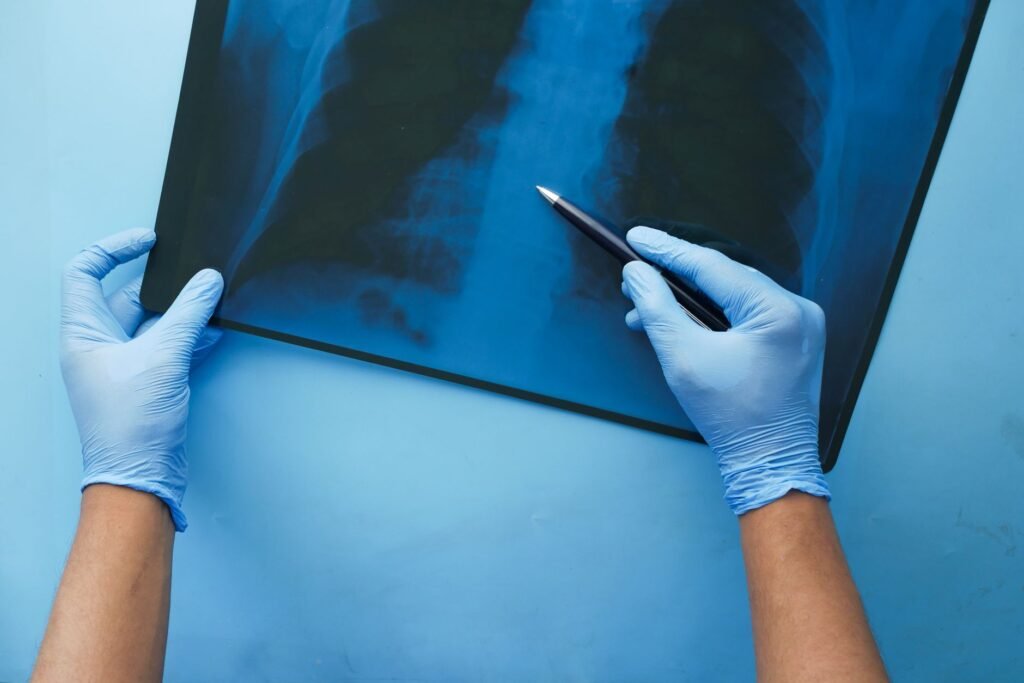
- Medical Records: These documents provide a detailed account of your injuries and treatment, serving as a foundation for your claims regarding medical expenses and pain and suffering.
- Photographs: Visual documentation of the accident scene, injuries, and any relevant property damage can offer compelling proof of the circumstances surrounding your claim.
- Witness Statements: Testimonies from individuals who observed the incident can corroborate your version of events, adding credibility to your case.
Thorough claim documentation, including police reports and any correspondence related to the incident, also strengthens your position. The more comprehensive your collection of evidence, the better equipped you will be to negotiate or litigate your claim.
How Evidence Affects Your Claim Value
The quality and quantity of evidence for injury claim have a direct impact on your potential compensation. Strong evidence not only establishes liability but also substantiates the extent of your damages. For instance, detailed medical records can justify higher medical expenses and pain and suffering claims. Conversely, insufficient evidence can lead to underestimating your injuries or even denial of your claim.
investing time in collecting evidence and ensuring thorough documentation can significantly influence the outcome of your injury claim. A well-supported claim enhances your chances of achieving a fair settlement or judgment.

Steps for Collecting Evidence for Your Injury Claim
Documenting Your Injuries: Key Evidence for Injury Claim
One of the first steps in collecting evidence for your injury claim is to thoroughly document your injuries. This can significantly impact the outcome of your claim by providing clear and compelling evidence of your condition.
- Take Photographs: Immediately after your injury, take clear photographs of the affected areas. Capture images from multiple angles and in various lighting to show the extent of the injuries. Keep a record of the date and time of each photo, as well as any relevant circumstances.
- Medical Reports: Obtain copies of all medical documentation related to your injuries. This includes hospital admission records, treatment plans, and any follow-up care. Medical documentation serves as critical claim documentation that outlines the severity and impact of your injuries.
- Keep a Journal: Maintain a personal injury journal detailing your pain levels, treatment progress, and any limitations you experience daily. This journal can serve as a powerful tool in supporting your claim.
Gathering Witness Statements
Witness statements can provide crucial context and support for your injury claim. Here’s how to effectively gather these statements:
- Identify Witnesses: Look for individuals who witnessed the incident or its aftermath. This may include bystanders, friends, or family members.
- Interview Witnesses: Approach potential witnesses and ask if they would be willing to provide a statement regarding what they saw. Be respectful and explain why their testimony is important.
- Document Statements: Have witnesses write down their accounts and sign them. Ensure they include their contact information in case follow-up questions arise.
Collecting evidence for your injury claim is essential for building a strong case. By documenting injuries effectively and gathering witness statements, you can enhance the credibility of your claim and increase your chances of a favorable outcome.

Claim Documentation: Organizing Your Evidence
When pursuing an injury claim, proper organization of your evidence for injury claim is crucial. A well-structured claim file not only helps you present your case effectively but also ensures that all necessary documentation is readily available when needed. Below, we outline essential steps for creating a cohesive claim file and utilizing digital tools for efficient claim documentation.
Creating a Claim File
Start by gathering all relevant documents and evidence. This should include:
- Medical records and bills
- Accident reports
- Witness statements
- Photographs of the incident scene and injuries
- Correspondence with insurance companies
Use a binder or folder to categorize these documents. Label each section clearly, which can streamline the process of locating specific evidence. For instance, create separate sections for medical documentation, financial losses, and liability evidence. This organized approach not only aids in supporting your claim but also reduces stress during the claims process.

Using Digital Tools for Documentation
In today’s digital age, leveraging technology can significantly enhance your claim documentation process. Consider using cloud storage solutions like Google Drive or Dropbox to store scanned copies of your documents securely. This not only provides easy access from any device but also acts as a backup against physical loss.
Additionally, note-taking apps can help you track conversations with insurance adjusters and other relevant parties. By documenting these communications, you can ensure that no important detail is overlooked, further supporting your claim. Tools such as Evernote or Microsoft OneNote can be especially useful for this purpose.
Finally, keeping your evidence for injury claim organized and easily accessible will facilitate smoother interactions with your attorney and insurance companies. Make it a priority to stay organized as you navigate the claims process, as this can greatly impact the outcome of your case.
For more tips on collecting evidence and maximizing your chances of a favorable outcome, explore our additional resources.
Supporting Your Claim with Expert Opinions
Including expert opinions in your evidence for injury claim can significantly enhance the credibility and strength of your case. Expert testimony can help clarify complex issues, such as the extent of your injuries or the circumstances surrounding an accident. Understanding when to seek expert testimony and how to choose the right experts is crucial for effectively supporting your claim.
When to Seek Expert Testimony
Expert testimony is often necessary when the details of your case are beyond the understanding of a layperson. This can include:
- Medical Professionals: If your injuries require detailed medical documentation or explanation, a physician can provide insight into your condition, treatment, and long-term prognosis.
- Accident Reconstruction Specialists: In cases where liability is disputed, these experts can analyze the accident scene and provide opinions on how the accident occurred, which can be pivotal in establishing fault.
- Economic Experts: If you are claiming lost wages or future earning potential, an economic expert can help quantify these losses.
Identifying when expert testimony is needed is essential for collecting evidence and strengthening claim documentation. If your case hinges on specialized knowledge, enlisting an expert can be beneficial.
Choosing the Right Experts for Your Evidence for Injury Claim
Selecting the appropriate experts can ensure that their testimony aligns with your case. Consider the following steps:
- Research Credentials: Look for experts with relevant experience and qualifications in their field. This may include board certifications, published work, or prior testimony in court.
- Assess Communication Skills: An effective expert should be able to convey complex information clearly and understandably to a jury.
- Review Past Testimony: If possible, examine how the expert has performed in previous cases to gauge their effectiveness.
Utilizing expert opinions can greatly enhance your evidence for injury claim, making your arguments more persuasive and credible. By carefully selecting the right experts, you ensure that your case is supported by solid, reliable evidence.

Final Tips for Successful Evidence Collection for Injury Claims
Collecting evidence for your injury claim is a critical step that can significantly influence the outcome of your case. Ensuring that this process is done correctly can make a world of difference. Below are some actionable tips to improve your evidence gathering and avoid common pitfalls.
Common Mistakes to Avoid
- Neglecting Documentation: Failing to maintain thorough claim documentation is a frequent mistake. Keep all records related to your injury, including medical bills, treatment plans, and correspondence with insurance companies.
- Ignoring Witnesses: Witness statements can bolster your case. Be sure to collect contact information and testimonies from anyone who witnessed the incident.
- Delaying Evidence Collection: Time is of the essence. The sooner you collect evidence, the better. Delays can result in lost information or diminished recollection of details.
- Overlooking Digital Evidence: In today’s digital age, don’t forget to gather any relevant digital evidence, such as photographs of the accident scene or social media posts.
The Role of Legal Assistance in Gathering Evidence for Injury Claims
Involving legal assistance is crucial for effectively supporting your claim. An attorney specialized in personal injury can guide you through the complexities of collecting evidence for injury claims. They ensure that all evidence is collected properly and in a timely manner, adhering to legal standards. Legal experts can also help you understand the types of evidence that are most compelling in court, such as expert testimonies or forensic evidence, which can enhance your case substantially.
By avoiding common mistakes and seeking legal assistance, you can strengthen your case and improve the likelihood of a favorable outcome. Collecting evidence effectively not only protects your interests but also enhances the credibility of your claim.
Collecting evidence for your injury claim is a crucial step in ensuring a fair compensation process. Proper claim documentation not only strengthens your case but also provides a comprehensive understanding of the impact your injuries have had on your life. By diligently gathering and organizing relevant information, you enhance your chances of successfully supporting your claim.
As you move forward, consider consulting with a legal professional who specializes in personal injury claims. They can guide you through the complexities of the evidence for your injury claim and help you navigate the intricacies of claim documentation. Taking this proactive step can significantly improve your ability to secure the compensation you deserve.
“`html
What types of evidence do I need for an injury claim?
To support your injury claim, you will need various types of evidence. This includes medical records, photographs of the accident scene, witness statements, and any police reports. Additionally, documentation of your lost wages and expenses related to your injury can strengthen your claim. Collecting evidence for an injury claim is crucial as it helps establish the facts and circumstances surrounding the incident.
How can I collect evidence for my injury claim?
Collecting evidence for your injury claim involves several steps. Start by documenting the scene of the accident with photographs. Gather contact information from witnesses and obtain copies of police reports. Keep all medical records and bills related to your treatment. Additionally, maintain a journal detailing your recovery process and how the injury affects your daily life. This comprehensive approach will support your claim documentation effectively.
What documentation is necessary for an injury claim?
Necessary documentation for an injury claim typically includes medical records, bills, and treatment plans. You should also provide proof of lost wages, such as pay stubs or employer statements. Accident reports from law enforcement and any correspondence with insurance companies are also crucial. This claim documentation forms the backbone of your case, demonstrating the impact of the injury on your life.
How does evidence affect the value of my injury claim?
The quality and quantity of evidence you present can significantly influence the value of your injury claim. Strong evidence for an injury claim, such as clear medical documentation and witness testimonies, can lead to a higher settlement. Conversely, insufficient or weak evidence may result in a lower compensation offer. Therefore, gathering comprehensive and credible evidence is vital to support your claim effectively.
Should I hire an expert for my injury claim?
Hiring an expert can be beneficial for your injury claim, especially if the case is complex or involves significant damages. Experts, such as medical professionals or accident reconstruction specialists, can provide valuable insights that bolster your claim. They can help clarify technical aspects and strengthen your evidence, making it easier to present your case to insurers or in court.
What are common mistakes to avoid when gathering evidence?
Common mistakes when gathering evidence include failing to document the scene promptly, not obtaining witness statements, and neglecting to keep detailed records of medical treatment. Additionally, relying solely on verbal accounts without written documentation can weaken your claim. It is essential to be thorough and organized in your approach to collecting evidence for your injury claim to avoid these pitfalls.
“`