
To prove injury caused by accident, individuals must navigate a complex landscape of legal and medical documentation. Accidents can lead to significant physical and emotional trauma, making it essential to gather evidence that substantiates claims. This article outlines the critical steps necessary to effectively document injuries and prove your case. We will discuss how to gather evidence that supports your claims, including witness statements, medical records, and accident reports, as well as how to use this evidence to demonstrate the link between the accident and your injuries. Furthermore, we will explore the crucial role of legal counsel in navigating the intricacies of injury claims. By following these essential steps, you can ensure that your case is well-supported and that you have a greater chance of receiving fair compensation for your accident injury proof. Understanding these processes is vital for anyone seeking justice and recovery after an accident. For more information on legal rights and resources, consider visiting Nolo or American Bar Association.
Steps to Prove Injury Caused by Accident
Understanding the Importance of Evidence
Proving injury caused by accident can often be a daunting task. Whether you are pursuing a legal claim or filing an insurance report, the burden of proof typically falls on you, the injured party. Gathering evidence is not just a suggestion; it is a necessity. In legal and insurance contexts, adequate evidence can determine the success of your claim and the compensation you may receive for your injuries.
Without strong accident injury proof, you may find it challenging to convince insurers or courts of the validity of your claims. Documenting injuries meticulously can significantly bolster your case by providing tangible proof of the accident’s impact on your life.
Types of Evidence to Gather to Prove Injury Caused by Accident
When aiming to prove injury caused by accident, various types of evidence should be collected to solidify your claim. Below are essential forms of evidence to consider:
- Photographs: Take clear images of the accident scene, visible injuries, and any property damage. These visuals can serve as compelling evidence in demonstrating the circumstances surrounding the accident.
- Medical Records: Ensure you obtain copies of all medical records related to your injuries. This includes emergency room visits, diagnoses, treatments, and any follow-up care. Such documentation is crucial in establishing the severity and nature of your injuries.
- Witness Statements: Gather statements from individuals who witnessed the accident. Their accounts can provide an objective perspective and strengthen your case by corroborating your version of events.
- Police Reports: If applicable, secure a copy of the police report. This document often includes details about the incident and can be a vital piece of evidence in your favor.
- Diaries or Journals: Maintain a record of your recovery process. Documenting injuries, pain levels, and how they affect your daily life can provide additional context for your claim.
By effectively gathering evidence, you can strengthen your case and make a more compelling argument to prove injury caused by accident. For more detailed guidance on each step, consider how to prove pain and suffering.

How to Gather Evidence Effectively
Documentation and Record Keeping to Prove Injury Caused by Accident
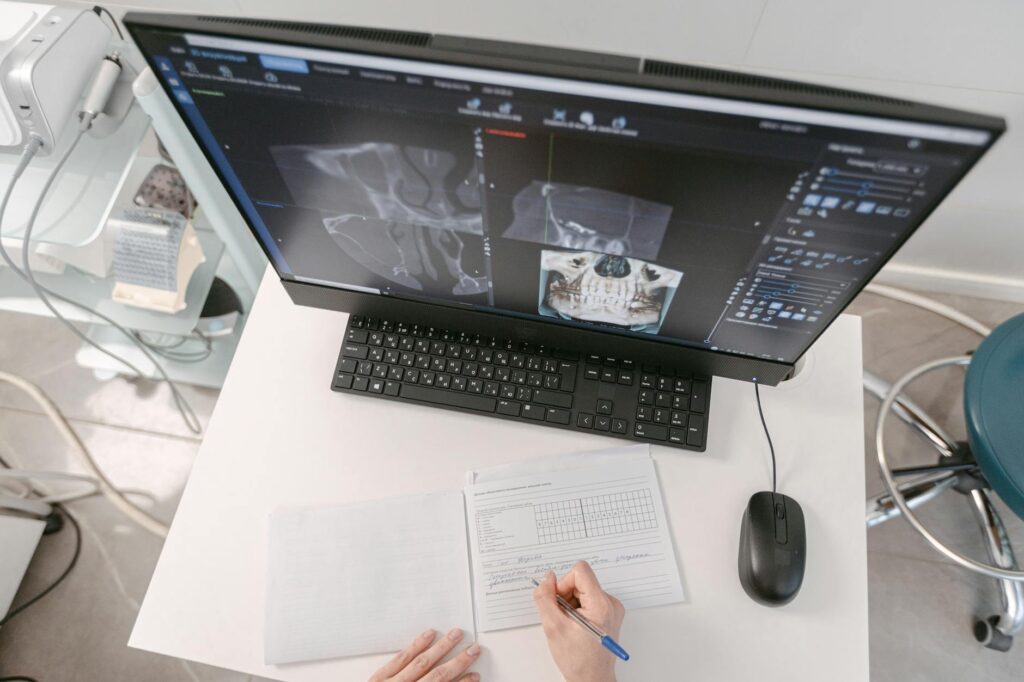
Gathering evidence is paramount when you aim to prove injury caused by accident. Start by documenting your injuries immediately after the incident. This includes taking clear photographs of any visible injuries from multiple angles, as well as capturing the accident scene itself. Make sure to date-stamp these images to establish a timeline. Keep a record of all medical treatments, including emergency visits, follow-up appointments, and any prescribed therapies. Organizing medical records can be done efficiently by creating a dedicated folder, either physical or digital, where you store all relevant documents, including bills, treatment notes, and prescriptions. This will not only help in your case but also streamline communication with healthcare providers and legal representatives.
Collecting Witness Statements
Witness accounts can significantly bolster your case, serving as critical accident injury proof. Approach witnesses as soon as possible after the incident, while their memories are still fresh. Politely ask for their contact information and if they would be willing to provide a statement about what they observed. When doing so, be sure to take notes or record their statements with permission. Their firsthand accounts can provide supporting evidence regarding the circumstances of the accident and the nature of your injuries.
gathering evidence effectively involves thorough documentation and engaging with witnesses. These steps are vital for establishing a clear link between your injuries and the accident, thereby strengthening your ability to prove injury caused by accident. For more detailed guidance on how to navigate the aftermath of an accident, consider exploring our resources on the role of expert witnesses and managing medical records.
Using Evidence to Prove Your Injury Caused by Accident
To effectively prove injury caused by accident, one must present a compelling case backed by solid evidence. This involves gathering relevant documentation and witness statements that support your claim. When preparing for legal or insurance proceedings, having a well-organized presentation of evidence can significantly influence the outcome of your case.
Presenting Your Case
When it comes to proving injury caused by accident, clear and organized presentation of your evidence is crucial. Start by gathering evidence such as medical records, photographs of the accident scene, and any relevant police reports. Documenting injuries with photographs immediately after the incident can provide strong accident injury proof. These images should clearly show the extent of your injuries, as well as any damage to property related to the accident.
In addition to photographic evidence, consider collecting witness statements. Eyewitness accounts can bolster your case by providing an objective perspective on the accident. Make sure to record their names and contact information, as their testimonies may be valuable in establishing liability. Furthermore, if applicable, obtain expert testimony from medical professionals who can discuss the nature and severity of your injuries.
Once you have gathered all relevant evidence, compile it into a cohesive format. Organize your documents chronologically or thematically, and ensure that each piece is clearly labeled. This organization will facilitate a smoother presentation during negotiations or court proceedings. dealing with post-accident PTSD.
Common Challenges and How to Overcome Them
While presenting your evidence, you may encounter challenges such as disputes over liability or the severity of your injuries. Opposing parties may attempt to downplay your injuries or argue that you were partially responsible for the accident. To combat these challenges, it is essential to be proactive in your approach.
One effective strategy is to anticipate counterarguments and prepare responses in advance. For instance, if the other party questions the severity of your injuries, you can present detailed medical records and expert testimony that support your claims. Also, consider maintaining a journal documenting your recovery journey, as this can provide insight into the pain and limitations you are experiencing post-accident. Such documentation can significantly strengthen your case and support your position that your injuries were directly caused by the accident.
effectively proving injury caused by accident involves thorough preparation and presentation of your evidence. By documenting injuries meticulously and anticipating challenges, you can better navigate legal or insurance processes, increasing your chances of a favorable outcome.

The Role of Legal Counsel in Injury Claims
When to Seek Legal Help
After an accident, navigating the complexities of injury claims can be overwhelming. It is crucial to consult with legal professionals early in the process, particularly when you need to prove injury caused by accident. An attorney can provide invaluable guidance on the steps necessary to protect your rights and ensure you receive fair compensation for your injuries.
Often, individuals underestimate the nuances of personal injury law. Many may be unaware of the specific documentation and evidence required to substantiate their claims. By seeking legal help promptly, you can avoid common pitfalls and bolster your case from the outset.
How Attorneys Can Assist with Evidence to Prove Injury Caused by Accident
One of the primary roles of an attorney in an injury claim is to assist in gathering evidence. This includes collecting medical records, accident reports, witness statements, and any other relevant documentation. Legal professionals understand what constitutes accident injury proof and can identify critical details that may be overlooked by someone without legal training.
Furthermore, attorneys are skilled in the art of negotiating with insurance companies. They can ensure that the documentation you are documenting injuries effectively supports your case, making it easier to argue for the compensation you deserve. They also have the expertise to assess the value of your claim accurately, taking into account factors such as medical expenses, lost wages, and pain and suffering.
Beyond just gathering evidence, a legal professional can help navigate the complexities of filing claims and ensure that all deadlines are met. This proactive approach not only strengthens your case but also alleviates some of the stress associated with the claims process.
consulting with a legal professional is a vital step in proving injury caused by accident. Their expertise in gathering evidence, documenting injuries, and negotiating settlements can significantly enhance your chances of a successful claim.

Successfully proving injury caused by accident requires a systematic approach to gather evidence and document injuries effectively. Collecting medical records, photographs of the scene, and witness statements serves as crucial accident injury proof that can substantiate your claim. Each piece of evidence plays a significant role in establishing the connection between the accident and your injuries, ultimately supporting your case.
As you navigate this process, prioritize meticulous documentation and don’t hesitate to seek professional help if needed. Whether it’s consulting with an attorney or a medical expert, their insights can enhance your ability to prove injury caused by accident comprehensively. Taking these essential steps not only strengthens your case but also helps ensure you receive the compensation you deserve. Start by organizing your documentation today to set a solid foundation for your claim.
“`html
What types of evidence can I gather after an accident?
After an accident, you can gather various types of evidence to support your claim. This includes photographs of the accident scene, vehicle damage, and visible injuries. Medical records documenting your injuries, police reports, and any relevant surveillance footage are also crucial. Additionally, keep any correspondence related to the accident and injury, such as emails or letters. All these pieces of evidence help prove injury caused by accident and establish accountability.
How do I document my injuries effectively?
Documenting your injuries effectively involves taking detailed notes and photographs. Start by recording the date, time, and circumstances of your injury. Take clear photographs from multiple angles, ensuring visibility of the injury and any relevant surroundings. Keep a journal of your recovery, noting pain levels, treatments, and how your daily life is affected. Additionally, maintain all medical records, including doctor visits and prescriptions. This comprehensive documentation is vital for proving your injury caused by the accident.
Why is it important to gather evidence for an injury claim?
Gathering evidence is essential for substantiating your injury claim. Evidence supports your statements and provides a factual basis for your case. It can demonstrate the extent of your injuries, the circumstances of the accident, and the impact it has had on your life. Without solid evidence, it becomes challenging to establish liability and receive fair compensation. Therefore, effective evidence collection is a critical step in proving injury caused by accident and ensuring your rights are protected.
Can witness statements help prove my injury caused by an accident?
Yes, witness statements can significantly strengthen your case. Eyewitnesses can provide unbiased accounts of the accident and your condition afterward. Their observations may corroborate your version of events and validate your claims about the injury. It is crucial to collect contact information from witnesses at the scene and, if possible, obtain written statements detailing what they saw. This additional evidence can help prove your injury was directly caused by the accident, enhancing your chances of successfully securing compensation.
What should I do if I cannot gather enough evidence?
If you find yourself unable to gather sufficient evidence, do not despair. Consider reaching out to individuals who may have witnessed the accident or can provide relevant information. Additionally, consult with a personal injury attorney, as they can help you explore other avenues for gathering evidence, such as obtaining accident reports or accessing surveillance footage from nearby businesses. Remember, even limited evidence can be meaningful, and legal guidance can enhance your chances of success in proving your injury caused by the accident.
How can a lawyer assist in proving my injury from an accident?
A lawyer can provide invaluable assistance in proving your injury from an accident. They have the expertise to evaluate your case, identify necessary evidence, and gather it effectively. A lawyer can also help you navigate legal processes, communicate with insurance companies, and negotiate settlements. Furthermore, they can represent you in court if necessary, ensuring that your rights are protected and you receive fair compensation for your injuries. Their knowledge and experience are crucial in successfully proving injury caused by accident.
“`