
Using surveillance footage in your injury claim can significantly bolster your case, providing crucial video evidence accident that supports your narrative. This article delves into the essential aspects of understanding surveillance footage in injury claims, offering insights into how to obtain relevant surveillance evidence and evaluate its impact on your case. We will guide you through the process of presenting this footage effectively in your claim while addressing common misconceptions surrounding its use. Additionally, you will discover how to leverage this injury proof to maximize the potential of your injury claim. Surveillance footage can serve as a powerful ally in your pursuit of justice, but knowing how to navigate its complexities is vital. By the end of this article, you will be equipped with the knowledge needed to enhance your claim through effective use of surveillance footage.
Understanding Surveillance Footage in Injury Claims
What Is Surveillance Footage?
Surveillance footage refers to video recordings captured by cameras installed in public or private spaces. These recordings are often used for security purposes but can also serve as crucial evidence in legal matters, particularly in injury claims. By providing a visual account of events leading up to, during, and after an accident, surveillance footage can help substantiate claims and clarify the circumstances surrounding an incident.
Why Surveillance Footage Matters in Injury Claims
In the context of a surveillance footage injury claim, video evidence can significantly enhance the credibility of your case. It can provide critical insights into the nature and severity of the accident, helping to establish liability. For instance, if a slip and fall occurred due to a wet floor, video evidence can show whether appropriate warnings were in place or if the conditions were neglected.
Moreover, surveillance evidence can serve as compelling injury proof, allowing claimants to demonstrate the impact of the incident on their lives. A visual representation of the accident can often be more persuasive than verbal testimony alone, making it easier for insurance companies or juries to understand the situation. As a result, having access to such footage can substantially strengthen your position in negotiations or court proceedings.
However, it is essential to remember that not all surveillance footage is created equal. The quality of the video, the angle of the camera, and the timing of the recording can all influence its effectiveness as evidence. If you believe surveillance footage may exist in your case, it is advisable to act quickly to secure it before it is overwritten or deleted.
How to Obtain Surveillance Evidence for Your Claim
Identifying Potential Sources of Video Evidence
When pursuing a surveillance footage injury claim, the first step is identifying where to find potential video evidence. Common sources include:
- Businesses: Many businesses have security cameras that may have captured the incident. Establishments such as gas stations, convenience stores, or parking lots are good places to start.
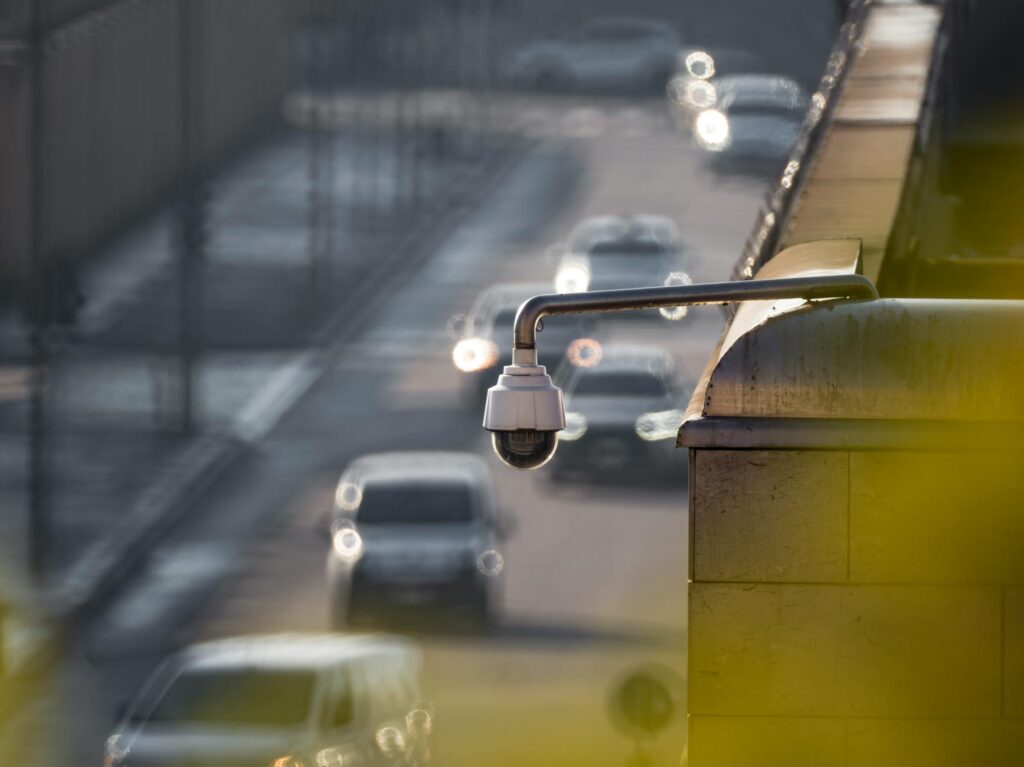
- Traffic Cameras: City or state-operated traffic cameras can also provide valuable footage, especially for vehicle-related accidents. Check with local government agencies for access.
- Residential Cameras: Neighbors may have doorbell cameras or home security systems that captured the event. It can be beneficial to ask surrounding residents.
Documenting the exact location and time of the incident will aid in your search for this crucial surveillance evidence. Remember, the sooner you act, the better your chances are of obtaining usable footage, as many systems overwrite old data.
Legal Considerations for Accessing Footage in Your Surveillance Footage Injury Claim
While obtaining video evidence from an accident is essential, it is crucial to navigate the legal landscape carefully. Here are key considerations:
- Privacy Laws: Be aware of local privacy laws that may restrict access to certain types of video footage. In some jurisdictions, you may need consent from the recording party.
- Formal Requests: If you cannot obtain footage informally, consider making a formal request. This can involve sending a letter to the business or agency that holds the footage, detailing your request and the incident specifics.
- Subpoenas: In some cases, legal action may be necessary to compel the release of footage. Consult with your attorney to understand when this step is appropriate.
Obtaining surveillance evidence can significantly strengthen your injury proof in a claim. By knowing where to look and understanding the legal requirements, you can enhance your chances of securing valuable video evidence that supports your case.

Evaluating the Impact of Surveillance Footage on Your Case
When considering a surveillance footage injury claim, it is crucial to thoroughly evaluate the video evidence available to you. Analyzing this footage can significantly affect the outcome of your case, either supporting or undermining your claims. Here, we will discuss how to assess this surveillance evidence effectively.
Analyzing the Video Evidence
First, obtain a copy of the surveillance footage. Once you have it, examine the video closely. Factors to consider include:
- Clarity: Is the footage clear enough to discern details? Blurry or pixelated videos may weaken your case.
- Time of the Incident: Ensure the footage captures the exact moment of the accident. Any discrepancies in timing could raise questions about its relevance.
- Actions Captured: Look for actions that could either support your claims, such as negligence from another party, or undermine them, such as your own behavior before the incident.
These elements are essential to determining how effectively the video can serve as injury proof in your claim. Consulting with a legal professional can help you understand how this evidence impacts your case.
What to Look For in the Footage of Your Surveillance Footage Injury Claim
When reviewing the video evidence from the accident, pay attention to the following:
- Context: Understand the environment and circumstances surrounding the incident. This can help establish liability.
- Witnesses: Are there bystanders visible in the footage? Their testimonies can complement the video evidence.
- Injury Evidence: If your injuries are visible in the footage, this can serve as powerful surveillance evidence to substantiate your claims.
Being meticulous in your evaluation of the surveillance footage can significantly influence your surveillance footage injury claim. If the evidence is strong, it may lead to a more favorable settlement or judgment.

Presenting Surveillance Footage in Your Injury Claim
How to Integrate Video Evidence into Your Case
Incorporating surveillance footage in your injury claim can significantly bolster your case. To effectively present video evidence, start by collecting all relevant footage from the incident. Ensure that the video captures critical moments that could support your claim, such as the circumstances leading to the accident and the extent of your injuries.
Once you have the footage, the next step is to authenticate it. This involves verifying the source, ensuring it has not been tampered with, and confirming the context in which it was recorded. This process might require technical analysis or expert testimony.
After authentication, the video evidence must be properly formatted and edited to meet court requirements. Be prepared to provide a clear narrative that explains how the footage supports your claims regarding negligence or liability. This is where working with legal professionals becomes invaluable.
Working with Legal Professionals on Your Surveillance Footage Injury Claim
Engaging with an attorney who specializes in personal injury law is essential when integrating surveillance evidence into your claim. They can guide you through the legal nuances of presenting video evidence, ensuring that it is admissible in court. Legal professionals understand the procedural requirements and can help mitigate any potential challenges from opposing parties regarding the footage.
Moreover, attorneys can assist in strategizing the best way to present your case, using the surveillance footage as injury proof to demonstrate the impact of the incident on your life. They can also handle any objections that may arise concerning the footage, helping to reinforce your position.
successfully utilizing surveillance footage in your injury claim requires careful planning, authentication, and legal expertise. Consult with professionals to maximize the effectiveness of your evidence and ensure your rights are protected throughout the legal process.

Common Misconceptions About Surveillance Footage
Debunking Myths About Video Evidence
When it comes to a surveillance footage injury claim, many individuals assume that all video evidence is definitive and conclusive. However, this is a common misconception. While surveillance evidence can be incredibly valuable, it is not always the full story. Video footage can be subject to distortion, poor resolution, or even selective recording that omits crucial context. For example, a video may capture an accident but fail to show the events leading up to it, leaving out important details that could affect liability.
Understanding the Limitations of Surveillance Footage in Injury Claims
Moreover, not all surveillance footage is readily available or accessible. Some cameras may not be positioned to capture the relevant area, while others may overwrite old footage regularly. In addition, legal protocols must be followed to obtain this evidence, which can complicate its use in a claim. It is also worth noting that the interpretation of video evidence can vary, and what seems clear-cut may be open to debate. This is why relying solely on video evidence from an accident may not always suffice as injury proof in a legal context.
To navigate these challenges effectively, consider consulting with a legal professional who specializes in injury claims. They can help you assess the quality of the surveillance footage and its potential impact on your case. Understanding these nuances can significantly enhance your approach to a surveillance footage injury claim.

Conclusion: Maximizing Your Surveillance Footage Injury Claim
Key Takeaways
Surveillance footage can be a powerful tool in strengthening your injury claim. This type of video evidence accident can significantly impact the outcome of your case by providing clear, objective proof of the incident. However, the effectiveness of surveillance evidence relies on various factors, including its quality, context, and the ability to authenticate it. Always remember that not all footage may be admissible in court, so understanding the legal implications is crucial.
- Gather video evidence as soon as possible, as footage may be overwritten or deleted.
- Consult with legal professionals who can help interpret the evidence and integrate it into your claim.
- Document the circumstances surrounding the incident to provide context alongside the footage.
Next Steps for Claimants
To maximize your surveillance footage injury claim, act promptly and diligently. Start by collecting any available video evidence and documenting your injuries and related expenses. Consider reaching out to a personal injury attorney to navigate the complexities of your case effectively. Legal guidance can help ensure that your injury proof is presented compellingly, increasing your chances of a favorable settlement or verdict.
As you pursue your claim, remain aware of the nuances of surveillance footage. Understanding what constitutes admissible evidence and how it can be leveraged will empower you in your legal journey. Be proactive in gathering information, and don’t hesitate to seek professional help to bolster your case.

Understanding how surveillance footage can impact your injury claim is crucial for building a strong case. This type of video evidence can serve as compelling surveillance evidence that supports your narrative and provides injury proof. By effectively utilizing this footage, you can strengthen your argument and enhance your chances of a successful outcome in your claim.
If you suspect that surveillance footage could play a role in your case, it is essential to consult with an experienced attorney who can help you analyze the available evidence. They can guide you through the complexities of a surveillance footage injury claim and ensure that all relevant video evidence from the accident is properly presented. Take the next step by reaching out to a legal expert to discuss your specific situation and explore how you can leverage surveillance footage to support your injury claim.
“`html
How can surveillance footage help in my injury claim?
Surveillance footage can play a crucial role in your injury claim by providing objective evidence of the incident. It can capture the circumstances leading up to the accident, the event itself, and the aftermath, which can support your account of what happened. This type of video evidence can help establish liability and demonstrate the severity of your injuries, making it an essential component in validating your surveillance footage injury claim.
What types of video evidence can I use in an accident claim?
You can use various types of video evidence in an accident claim, including traffic camera footage, private security cameras, and footage from personal devices like smartphones. Dashcam videos can also be valuable, as they may provide an uninterrupted view of the incident. All of these forms of video evidence can significantly aid in establishing the facts surrounding your accident.
Are there legal issues with accessing surveillance evidence?
Accessing surveillance evidence can involve legal complexities, particularly if the footage is owned by a private entity. You may need to obtain permission from the property owner or a court order to access the footage. Additionally, there are laws surrounding privacy and the use of surveillance evidence, so consulting with a legal professional is advisable to navigate these issues effectively.
What should I do if the footage is not in my favor?
If the surveillance footage is not in your favor, it is essential to remain calm and consult with your attorney. They can help you understand the implications of the footage and may suggest alternative evidence to strengthen your case. Additionally, they can work on strategies to mitigate any negative impact the footage may have on your injury claim.
How do I present video evidence in court?
To present video evidence in court, you must ensure it is relevant and admissible. This typically involves laying a foundation, which includes demonstrating the authenticity of the footage. Your attorney will likely prepare the video for viewing and may use it during witness examinations or opening statements to support your case. It is important to follow the court’s guidelines for presenting such evidence.
What are the limitations of using surveillance footage?
While surveillance footage can be a powerful tool, it has limitations. Video quality may be poor, making it difficult to discern details. Additionally, the footage may not capture the entire incident or may lack context, which could lead to misinterpretations. Furthermore, legal challenges regarding access and admissibility can arise, so it is essential to consider these factors when relying on surveillance footage in your injury claim.
“`