
Knowing how to file a dog bite claim can be a vital step for individuals seeking compensation after an unfortunate incident. Dog bites can lead to serious injuries and emotional distress, making it essential to understand your rights and the legal processes involved. This article will guide you through the step-by-step process to file a dog bite claim, illuminating the key components of the personal injury claim process. We will explore the important dog bite lawsuit steps you need to take after an incident, from gathering evidence to filing the necessary paperwork. Additionally, we will discuss the benefits of hiring a skilled dog bite attorney who can assist you in navigating the complexities of your case. By the end of this article, you will have a comprehensive understanding of how to take action after a dog bite incident.
Understanding How to File a Dog Bite Claim
What Constitutes a Dog Bite Injury?
To successfully file a dog bite claim, it’s crucial to understand what qualifies as a dog bite injury. Legally, a dog bite injury encompasses any physical harm caused by a dog, which may include puncture wounds, scratches, or even psychological trauma resulting from the incident. According to the Centers for Disease Control and Prevention (CDC), approximately 4.5 million dog bites occur in the United States each year, with a significant proportion resulting in medical treatment. Understanding the nature of your injuries is essential for navigating the personal injury claim process effectively.

Understanding Liability in Dog Bite Cases
Liability in dog bite cases typically falls on the dog owner, particularly if it can be shown that they were negligent. This includes failing to restrain the dog according to local leash laws or not taking reasonable precautions to prevent attacks. Different states have varying laws regarding dog bites, which may affect how liability is determined. For example, some jurisdictions operate under a “one-bite rule,” where owners may not be held liable until their dog exhibits aggressive behavior.
Statistics reveal that over 800,000 dog bite victims require medical care annually, and the legal outcomes of these cases can vary widely based on the circumstances. A competent dog bite attorney can help guide you through the dog bite lawsuit steps, ensuring you understand your rights and the potential for compensation.
By understanding the parameters of what constitutes a dog bite injury and how liability is assessed, you can better prepare to file a dog bite claim and seek the justice you deserve.
Step-by-Step Process to File a Dog Bite Claim
Gathering Evidence and Documentation
Before you file a dog bite claim, it is crucial to gather comprehensive evidence and documentation related to the incident. This evidence will support your claim and is often essential in the personal injury claim process. Here are the key steps to take:
- Medical Records: Seek medical attention promptly. Document all treatments, diagnoses, and related expenses. These records are vital in establishing the extent of your injuries.
- Photographs: Take clear photos of your injuries, including any bruises, cuts, or other visible damages. Also, capture the scene of the incident, including the dog and any relevant surroundings.
- Witness Statements: If there were witnesses, ask for their contact information and a brief statement detailing what they observed. This can provide additional credibility to your claim.
- Incident Report: If applicable, file a report with local animal control or the police. This official documentation can be instrumental in substantiating your case.
Documenting the incident meticulously will lay a strong foundation as you navigate the dog bite lawsuit steps.
Contacting a Dog Bite Attorney
Hiring a dog bite attorney can significantly simplify the process of filing your claim. An experienced attorney can guide you through the complexities of the legal framework surrounding dog bites, ensuring that you understand your rights and options. Here’s why you should consider consulting one:
- Legal Expertise: A dog bite attorney has a thorough understanding of relevant laws and can help build a robust case, increasing your chances of a favorable settlement.
- Negotiation Skills: Attorneys are skilled negotiators who can advocate on your behalf with insurance companies, often resulting in a better compensation offer.
- Time-Saving: Managing a personal injury claim process can be time-consuming. An attorney can handle the paperwork and communication, allowing you to focus on your recovery.
To maximize your claim’s success, reach out to a qualified dog bite attorney as soon as possible after the incident. They can provide invaluable support throughout the entire process, enhancing your ability to file a dog bite claim effectively.

Navigating the Personal Injury Claim Process
Filing the Claim with Your Insurance Company
When you decide to file a dog bite claim, the first step is to report the incident to your insurance company. This typically involves providing a detailed account of the event, including the circumstances surrounding the dog bite, any medical treatment received, and the names of witnesses. Most homeowners’ insurance policies cover dog bites, so it’s essential to determine if the dog owner has insurance that will cover your claim.
After you file your claim, the insurance company will assign an adjuster to investigate the incident. The personal injury claim process can vary in duration, but you can generally expect a timeline of several weeks to a few months. During this period, the adjuster may contact you for additional information or to discuss the specifics of your medical expenses and damages.
Negotiating a Settlement After You File a Dog Bite Claim
Negotiation is a critical phase in the claim process. Once the insurance adjuster completes their investigation, they will present a settlement offer. This initial offer is often lower than what you might expect, so it’s crucial to prepare for negotiations. Do your research and have documentation ready, including medical bills and any evidence of lost wages or other damages.
When discussing compensation, remain calm and assertive. Clearly articulate why you believe the offer is insufficient and provide supporting evidence. If negotiations stall and a fair settlement cannot be reached, you may need to consider pursuing a dog bite lawsuit. Engaging a dog bite attorney can be beneficial at this stage, as they can guide you through the legal complexities and help you advocate for your interests effectively.

understanding the personal injury claim process is vital for anyone affected by a dog bite. By being prepared and informed, you can navigate the complexities of filing a claim and negotiating a settlement effectively.
Understanding Dog Bite Lawsuit Steps
When to Consider Filing a Lawsuit to File a Dog Bite Claim
Not every dog bite incident necessitates a lawsuit, but there are specific circumstances where escalating your claim may become essential. If you have suffered serious injuries that require extensive medical treatment, or if the dog owner’s insurance refuses to provide a fair settlement, it may be time to consider filing a lawsuit. Additionally, if you encounter difficulties in negotiating with the insurance company, or if the dog in question has a history of aggressive behavior, pursuing legal action could be warranted.
It is crucial to be aware of the statutes of limitations in your state, which dictate the time frame you have to file a dog bite claim. Typically, these time limits range from one to six years, depending on the state. Missing this deadline can result in the loss of your right to seek compensation, making it essential to act promptly.
The Role of Evidence in a Lawsuit
In the context of dog bite lawsuits, the type and quality of evidence you gather can significantly influence the outcome of your case. Key evidence may include:
- Medical records: Documentation of your injuries and treatment plans.
- Photos: Images of your injuries, the scene of the incident, and the dog involved.
- Witness statements: Accounts from individuals who witnessed the incident.
- Dog owner’s information: Details about the dog’s vaccination history and any previous incidents.
Having comprehensive evidence not only strengthens your case but also aids in navigating the personal injury claim process more effectively. Consulting with a dog bite attorney can help you gather the necessary documentation and build a compelling case. They can guide you through the legal complexities and ensure that all evidence is presented properly.

Conclusion: Taking Action After a Dog Bite Incident
Experiencing a dog bite can be a traumatic event, not just physically but also emotionally. If you find yourself in this unfortunate situation, it’s crucial to take swift action. One of the first steps you should consider is to file a dog bite claim. Prompt action can significantly increase your chances of recovering damages for medical bills, lost wages, and pain and suffering.
After ensuring your immediate health and safety, document everything related to the incident. This includes taking photographs of your injuries, gathering witness statements, and securing the dog’s owner’s information. These elements are vital when navigating the personal injury claim process and will help substantiate your case.
Engaging a dog bite attorney can provide you with the legal expertise necessary to guide you through the complexities of filing a claim. Your attorney will help you understand the dog bite lawsuit steps, from filing the initial claim to potentially going to court if a settlement cannot be reached. They can also assist in negotiating with insurance companies, which often aim to minimize payouts.
Remember, time is of the essence. Different jurisdictions have varying statutes of limitations regarding dog bite claims. Delaying could jeopardize your ability to seek compensation. Therefore, it is imperative to act quickly and consult with a legal professional to ensure that you are adequately represented and prepared to file a dog bite claim.
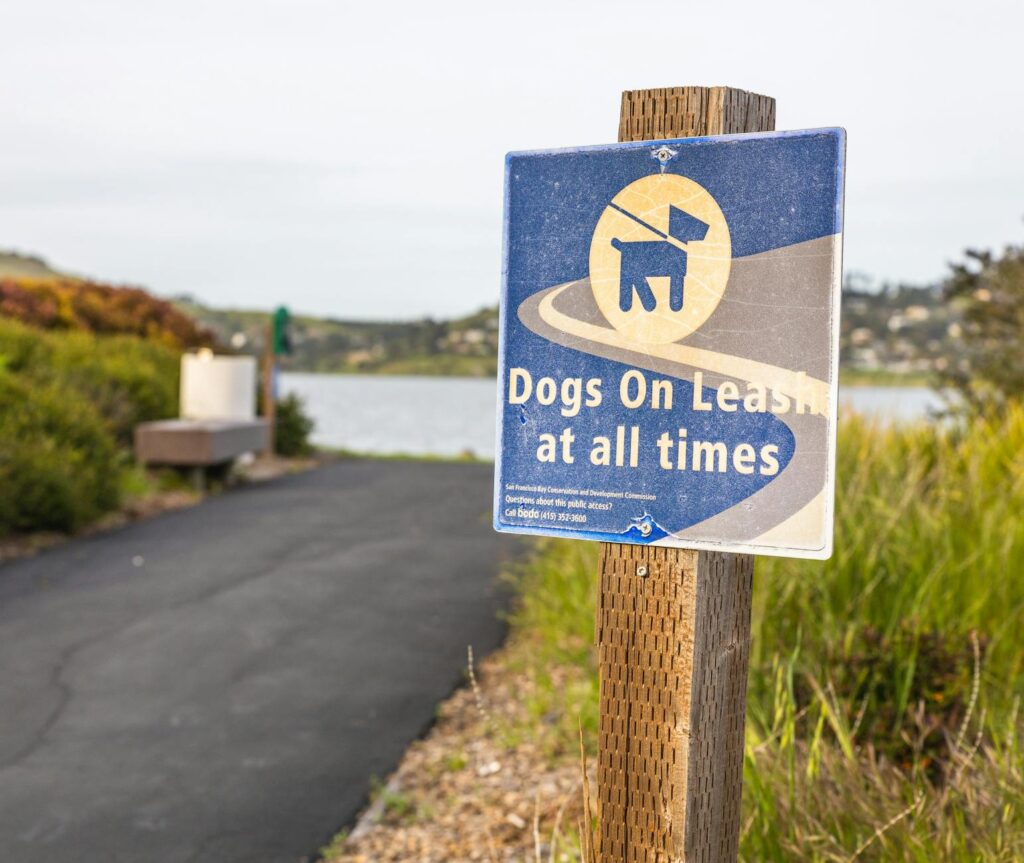
Successfully navigating the process to file a dog bite claim requires a thorough understanding of the necessary steps involved. This includes gathering evidence, documenting injuries, and possibly engaging in the personal injury claim process. If you’re uncertain about how to proceed, consulting with a qualified dog bite attorney can provide you with invaluable guidance and support.
Taking action promptly is crucial for your case. By familiarizing yourself with the dog bite lawsuit steps outlined in this guide, you can better position yourself for a favorable outcome. If you have been a victim of a dog bite, do not hesitate to reach out to a legal professional who can help you navigate the complexities of filing your claim and ensure your rights are protected.
“`html
What should I do immediately after a dog bite?
Immediately after a dog bite, prioritize your safety and health. First, wash the bite area with soap and water to minimize the risk of infection. Seek medical attention as soon as possible, especially if the bite is deep or bleeding. Document the incident by taking photos of your injuries and the dog, if possible. Collect information from the dog owner, such as their insurance details. This documentation will be crucial if you decide to file a dog bite claim later.
How long do I have to file a dog bite claim?
The time frame to file a dog bite claim varies by state due to differing statutes of limitations. Typically, you have between one to three years from the date of the incident to initiate your claim. It is important to act quickly, as gathering evidence and witness statements is easier soon after the event. Consult a dog bite attorney to understand the specific deadlines that apply to your situation.
Do I need a dog bite attorney to file a claim?
While it is not mandatory to hire a dog bite attorney to file a claim, it is highly recommended. An experienced attorney can navigate the complexities of the personal injury claim process, ensuring you gather the necessary evidence and adhere to legal deadlines. They also help negotiate with insurance companies for fair compensation. Having professional guidance can significantly increase your chances of a successful outcome.
What are the common dog bite lawsuit steps?
The common dog bite lawsuit steps typically include: 1) medical treatment for your injuries, 2) gathering evidence such as photographs and witness statements, 3) consulting with a dog bite attorney, 4) filing a claim with the dog owner’s insurance, and 5) negotiating for a settlement. If a settlement cannot be reached, the next steps may involve filing a lawsuit in court, where a judge or jury will determine the outcome based on the evidence presented.
How is compensation determined in a dog bite claim?
Compensation in a dog bite claim is determined based on several factors, including the severity of your injuries, medical expenses, lost wages, pain and suffering, and any long-term effects of the injury. Insurance adjusters or juries will evaluate evidence such as medical records and witness testimonies to arrive at a fair compensation amount. An attorney can help ensure that all relevant factors are considered during this process, maximizing your potential recovery.
Can I file a dog bite claim if the dog was on a leash?
Yes, you can file a dog bite claim even if the dog was on a leash. The owner’s liability often depends on the dog’s history and the owner’s knowledge of its behavior. If the dog has a history of aggression or the owner was negligent in controlling the dog, you may still have a valid claim. Consult an attorney to assess the specifics of your case and determine the best course of action.
“`