
Understanding the factors affecting dog bite claims is crucial for anyone navigating the complex world of personal injury law. Dog bite incidents can lead to significant physical and emotional trauma, often resulting in claims that hinge on various dog bite claim variables. This article explores the key dog bite injury factors that determine claim outcomes, including the dog’s history, the severity of the injury, and the circumstances surrounding the incident. Additionally, we will delve into essential settlement factors that can influence the compensation awarded to victims. Legal considerations will also be discussed, offering insights into how local laws and regulations impact the claims process. As dog bite cases can vary widely in their specifics, understanding these elements will empower victims and their families to make informed decisions. Whether you are a victim seeking justice or a dog owner wanting to mitigate risk, grasping these factors is vital. For more information on dog bite laws, visit the Animal Legal & Historical Center for valuable resources.
Key Factors Affecting Dog Bite Claims
Understanding Dog Bite Claim Variables
When dealing with dog bite injuries, several factors affecting dog bite claims can significantly influence the outcome. Understanding these variables not only helps victims navigate the often complex claims process but also increases the likelihood of a fair settlement. Key dog bite claim variables include the dog’s breed, the owner’s history of aggression, and the specific circumstances surrounding the attack.
Statistics indicate that certain breeds are more likely to be involved in serious attacks. According to the American Humane Association, breeds such as Pit Bulls and Rottweilers account for a substantial percentage of dog bite incidents. Moreover, the owner’s history with the dog can also impact claims; for instance, if the owner has a record of prior attacks or aggressive behavior, this may strengthen the victim’s case.
Additionally, the circumstances of the attack play a crucial role. Factors like whether the dog was provoked, the location of the incident, and the presence of witnesses can all affect the outcome of a claim. By understanding these dog bite injury factors, victims can present a stronger case and negotiate more effectively for compensation.

The Role of Dog Breed in Injury Claims
The breed of the dog involved in an incident is one of the most significant settlement factors. Statistically, certain breeds are perceived as more dangerous, influencing public perception and legal outcomes. For example, studies show that about 66% of fatal dog bites are attributed to just a few breeds, which impacts the liability of the dog owner. Understanding how breed can shape the dynamics of a case is essential for victims pursuing compensation.
familiarizing oneself with the various factors affecting dog bite claims, including breed, owner history, and incident circumstances, can empower victims and lead to better outcomes in their claims. By addressing these aspects, victims can enhance their understanding and improve their chances of receiving the compensation they deserve.
Dog Bite Injury Factors That Determine Claim Outcomes
When navigating the complexities of dog bite claims, several dog bite injury factors can significantly influence the outcomes. Understanding these factors is essential for both victims and defendants, as they can ultimately dictate the compensation amounts and the success of claims. This section explores two critical components: the severity of injuries and medical costs, along with the impact of evidence and witness testimonies.
Severity of Injuries and Medical Costs as Factors Affecting Dog Bite Claims
The severity of injuries sustained during a dog bite incident plays a pivotal role in determining the outcome of claims. Injuries can range from minor scratches to severe lacerations, fractures, or psychological trauma. According to a study published in the National Institutes of Health, severe injuries often lead to higher medical costs and longer recovery times, which in turn influence the total compensation sought in a dog bite claim.
Medical costs associated with dog bite injuries can vary widely, depending on the nature and extent of the injuries. Victims may incur expenses related to emergency room visits, surgeries, and ongoing treatments. For instance, average medical costs for dog bite injuries can exceed $18,000, highlighting the necessity of addressing settlement factors in negotiations. 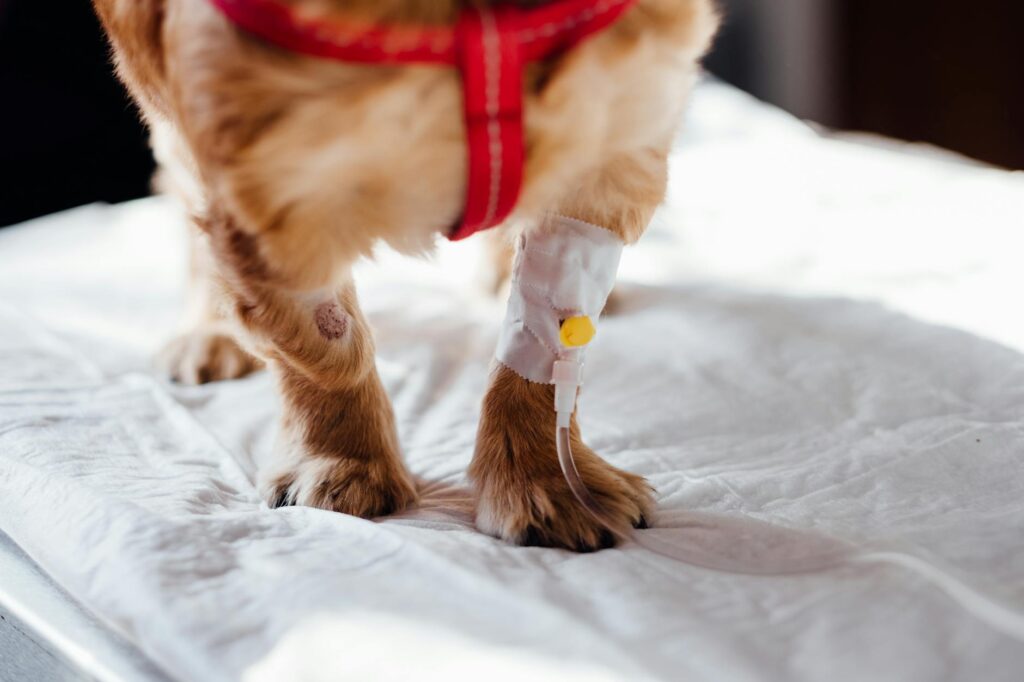
The Impact of Witnesses and Evidence on Dog Bite Claim Variables
Evidence, including witness statements and photographs, can dramatically affect the outcome of dog bite claims. Witnesses can provide crucial information about the circumstances leading to the incident, such as whether the dog was restrained or acting aggressively prior to the attack. This information can support the victim’s narrative and potentially strengthen their case. A study by the American Journal of Preventive Medicine emphasizes that claims supported by strong evidence often result in more favorable outcomes.
Additionally, photographs documenting the injuries and the scene can serve as compelling evidence. Visual documentation can clarify the severity of the injuries and the context of the incident, impacting the dog bite claim variables significantly. Ensuring that all relevant evidence is collected and presented can be a game changer in the negotiation process.
understanding these factors affecting dog bite claims is essential for both parties involved. By focusing on the severity of injuries, associated medical costs, and the role of evidence, claimants can better prepare their cases, while defendants can assess potential liabilities more accurately.
Settlement Factors in Dog Bite Claims
When navigating a dog bite injury claim, understanding the key settlement factors can significantly influence the final compensation amount. Two primary elements often play a crucial role: insurance policy limitations and negotiation strategies. Being aware of these factors affecting dog bite claims can empower victims to pursue fair compensation effectively.
Insurance Policy Limitations
One of the most significant dog bite claim variables is the insurance policy coverage of the dog owner. Many homeowners’ insurance policies include liability coverage for dog bites, but the limits can vary widely. According to the Insurance Information Institute, the average liability coverage is approximately $300,000, but some policies may offer less. If a dog owner lacks adequate insurance, victims may find it challenging to recover costs related to medical expenses, lost wages, and pain and suffering.
Negotiation Strategies for Fair Settlements
Effective negotiation can also significantly affect the outcome of dog bite injury claims. Victims should gather evidence, including medical records, witness statements, and clear documentation of the incident. This comprehensive approach strengthens their position when negotiating with insurance companies or the dog owner. Utilizing resources such as negotiation tips can provide valuable strategies for securing fair compensation.
Being knowledgeable about dog bite injury factors and insurance policies can help victims effectively advocate for their rights. By leveraging these strategies, individuals can improve their chances of a favorable settlement that adequately covers their needs.

Legal Considerations in Dog Bite Claims
Understanding Liability and Negligence
One of the critical factors affecting dog bite claims is understanding liability and negligence. In most cases, to establish a dog bite claim, the injured party must prove that the dog owner was negligent. Negligence can occur if the owner failed to take reasonable measures to control their dog or if they were aware of their dog’s aggressive tendencies but did nothing to mitigate the risk. For instance, if a dog owner didn’t secure their pet behind a fence or allowed it to roam unleashed, this may constitute negligence.
In many jurisdictions, owners can be held liable under strict liability laws, meaning they are responsible for injuries caused by their dogs regardless of whether they acted negligently. This underscores the importance of understanding local laws, as different states have varying standards for establishing liability in dog bite cases. You can explore state-specific laws and regulations through resources such as Animal Legal & Historical Center.
State-Specific Laws on Dog Bites
Another essential aspect of dog bite claims is the state-specific laws that govern these incidents. Some states follow the “one-bite rule,” which allows a dog owner to avoid liability if it is the dog’s first incident of aggression. Others have strict liability laws that hold owners accountable regardless of prior behavior. Understanding these dog bite claim variables is crucial for anyone considering a claim.
Additionally, certain states may have specific statutes outlining the responsibilities of dog owners and the rights of victims. For example, states like California have comprehensive laws regarding dog bites that detail the obligations of pet owners and the recourse available to victims. Familiarizing yourself with these laws will help clarify the claims process and can significantly influence the outcome of your case. For more detailed legal guides, visit resources like Understanding Dog Bite Insurance Claims: Key Insights.

Overall, understanding the legal landscape surrounding dog bites is essential for navigating the claims process effectively. This knowledge can also impact key settlement factors, including how much compensation you may be entitled to receive. Always consult a legal professional for tailored advice that considers the specific dog bite injury factors relevant to your situation.
Conclusion: Navigating Dog Bite Injury Claims
Understanding the factors affecting dog bite claims is crucial for anyone involved in a dog bite incident. These claims can be complex, influenced by various dog bite injury factors such as the severity of the injuries, the circumstances of the attack, and the dog’s history. Knowledge of these elements can significantly impact the outcome of a claim, shaping the compensation amount and the legal process involved.
When pursuing a dog bite claim, it’s essential to consider several dog bite claim variables. These include the state laws governing dog bites, the owner’s liability, and any past behaviors exhibited by the dog. Additionally, settlement factors like medical expenses, lost wages, and emotional distress can all play a significant role in the final settlement achieved. By understanding these variables, claimants can better navigate the complexities of their case.
Given the intricate nature of dog bite claims, it is highly advisable to seek legal counsel. An experienced attorney specializing in personal injury can provide valuable insights into the specific factors affecting your case and help you maximize your potential compensation. For those wanting to delve deeper into this topic, consider reviewing resources such as state-specific dog bite laws or personal injury legal guides.

Taking the time to educate yourself on these factors can empower you during this challenging process. For additional information on navigating dog bite injury claims, Dog Bite Claim Myths: Debunking Common Misconceptions.
Understanding the factors affecting dog bite claims is crucial for anyone navigating the complexities of dog bite injury cases. The interplay of various dog bite claim variables can significantly influence the outcome, from the dog’s breed to the circumstances of the incident. By recognizing these dog bite injury factors, claimants can better prepare their cases and set realistic expectations for potential settlements.
As you consider your own situation or that of a loved one, it is essential to gather as much information as possible regarding the specific settlement factors that may apply. Consulting with a legal professional who specializes in dog bite claims can provide invaluable insight and guidance tailored to your unique circumstances. Taking this step not only increases your chances of a favorable outcome but also helps you navigate the often emotional and challenging path of recovery.
“`html
What are the common factors affecting dog bite claims?
Several factors affecting dog bite claims include the severity of the injury, the dog’s history of aggression, the circumstances surrounding the incident, and the responsible party’s negligence. Additionally, local laws and regulations regarding dog ownership play a significant role, as some jurisdictions have specific leash laws or breed restrictions that can influence the outcome of a claim.
How does the breed of a dog influence injury claims?
The breed of a dog can significantly influence injury claims, as certain breeds are often perceived as more dangerous due to their size and strength. Insurers may view claims involving these breeds as higher risk, potentially affecting settlement amounts. However, it’s essential to note that individual dog’s behavior and the owner’s responsibility are more critical in determining liability than breed alone.
What variables determine dog bite injury compensation?
Dog bite injury compensation can be determined by various variables, including medical expenses, lost wages, pain and suffering, and any long-term care needs. Other factors affecting dog bite claims, such as the victim’s age, the psychological impact of the attack, and whether the dog has a history of biting, can also influence the total compensation amount.
What evidence is important for a dog bite claim?
Important evidence for a dog bite claim includes medical records detailing the injuries, photographs of the injuries and the scene of the incident, witness statements, and any documentation of the dog’s previous behavior or owner negligence. Gathering this evidence promptly can strengthen your case and help in negotiating a fair settlement.
How can I negotiate a fair settlement for a dog bite injury?
To negotiate a fair settlement for a dog bite injury, start by gathering all relevant documentation, including medical bills, evidence of lost wages, and any other costs incurred. Present a well-researched claim to the insurance company, highlighting the factors affecting dog bite claims. Be prepared to counter low offers and consider seeking legal advice to ensure your rights are protected during negotiations.
What legal considerations should I be aware of in dog bite cases?
Legal considerations in dog bite cases vary by jurisdiction but generally include liability laws, statutes of limitations, and whether the state follows a strict liability or negligence standard. Understanding these aspects is crucial, as they can greatly affect your ability to claim damages. Consulting with a legal professional experienced in dog bite cases can provide valuable insights and guidance.
“`