
The importance of medical documentation in dog bite cases cannot be overstated. Properly recorded medical documentation dog bites serve as crucial evidence for both victims and legal professionals. This article will delve into the significance of understanding medical documentation for dog bites, outlining the various types of medical records dog bite victims should obtain, and demonstrating how this documentation supports evidence for dog bite claims. Additionally, we will explore best practices for compiling and maintaining accurate doctor reports dog bites. The insights shared here aim to empower victims and their advocates in navigating the complexities of dog bite incidents, ensuring that all necessary documentation is comprehensively collected. By emphasizing the vital role of medical documentation, we aim to enhance awareness and foster better outcomes for those affected by dog bites.
Understanding Medical Documentation for Dog Bites
What is Medical Documentation for Dog Bites?
Medical documentation for dog bites refers to the comprehensive records generated by healthcare professionals following an incident involving a dog bite. These records typically include medical records, treatment notes, diagnostic results, and any prescriptions issued. Essential components may encompass:
- Patient history: Details about the incident, including when and where it occurred.
- Physical examination findings: Descriptions of injuries, including severity and location.
- Treatment plans: Information on immediate care provided and follow-up recommendations.
- Doctor reports: Summaries from medical professionals that evaluate the patient’s condition over time.
Accurate medical documentation dog bites is crucial for both health and legal purposes. It serves as a foundational element in establishing the severity of injuries and can significantly influence the outcome of any legal claims related to the incident.
Why is Medical Documentation Essential?
The importance of proper medical documentation in dog bite cases cannot be overstated. First and foremost, it provides crucial evidence for dog bite claims, allowing victims to substantiate their injuries when seeking compensation. This documentation can assist in determining liability and may affect the settlement amount in legal proceedings.
Additionally, accurate medical records for dog bites help healthcare providers track recovery and tailor ongoing treatment. They also serve as a historical reference that can benefit the patient in case of future complications or related health issues. Furthermore, consistent documentation supports a clear understanding of the incident’s impact on the victim’s life, both physically and emotionally.
Ensuring that all relevant information is captured in medical documentation is vital for anyone involved in a dog bite incident. Victims are encouraged to seek thorough medical evaluations and maintain complete records to protect their rights and health.
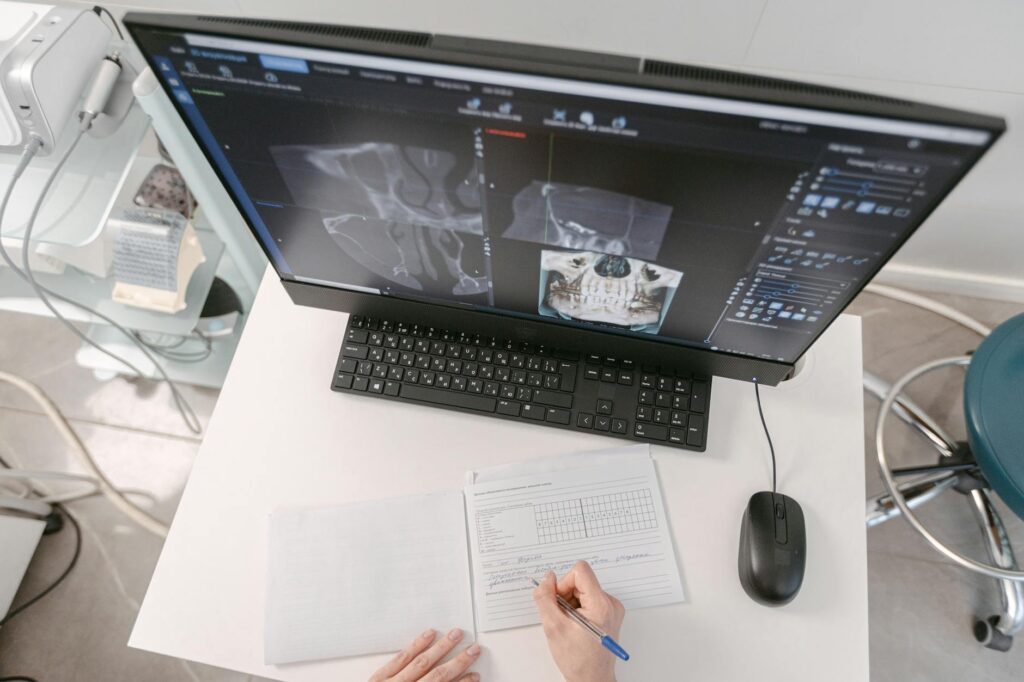
Types of Medical Documentation in Dog Bite Cases
When dealing with the aftermath of a dog bite incident, the types of medical documentation collected can significantly impact the outcome of any claims filed. Proper medical documentation is crucial not only for immediate treatment but also for establishing a clear record of injuries, which can serve as evidence for dog bite claims. This section will cover two key types of documentation: medical records and doctor reports.
Medical Records and Their Role in Medical Documentation for Dog Bites
Medical records are the backbone of any health-related legal case, including dog bites. These records typically include patient history, treatment details, and follow-up care notes. In the context of dog bite cases, medical records should thoroughly document the nature of the injuries sustained, including any lacerations, puncture wounds, or infections. This information is crucial for assessing the extent of the injuries and can provide essential support when filing claims.
Moreover, medical records from the treating facility or physician can help establish a timeline of events, which is vital in demonstrating the seriousness of the injuries. If you need to reference specific incidents, it is beneficial to obtain these records promptly, as they can deteriorate over time or become more difficult to retrieve.
Doctor Reports: Key Elements in Medical Documentation Dog Bites
Doctor reports play a critical role in dog bite cases. These reports typically include a detailed examination of the injuries, recommended treatment plans, and any necessary referrals to specialists. A well-documented doctor report should clearly outline the severity of the injuries, potential long-term effects, and any psychological trauma, which can be particularly relevant in dog bite instances involving children.
Furthermore, doctor reports can provide a professional opinion on whether the injuries were caused by the dog bite, establishing a direct link between the incident and the victim’s medical condition. This linkage is critical when presenting evidence for dog bite claims. It is essential to ensure that these reports are comprehensive and accurate to support your case effectively.
both medical records and doctor reports are indispensable types of medical documentation in dog bite cases. They not only provide necessary treatment information but also serve as vital evidence in legal proceedings. Always ensure that these documents are thorough and promptly obtained to bolster your claims.
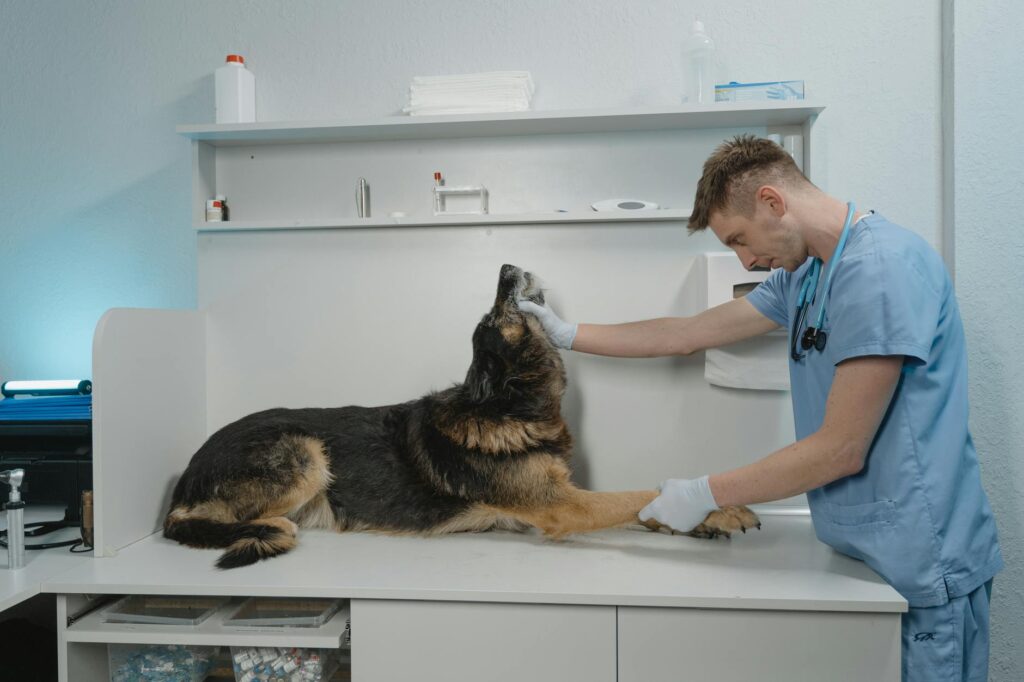
How Medical Documentation Supports Dog Bite Claims
Gathering Evidence for Dog Bite Claims
Medical documentation is a critical component in substantiating dog bite claims. When a dog bite occurs, it is essential to seek immediate medical attention, as this not only aids in healing but also creates a formal record of the incident. Medical records related to dog bites provide vital evidence that can significantly impact the outcome of a claim. These records typically include details about the nature and extent of the injuries, treatment provided, and any follow-up care required.
In addition to medical records, doctor reports on dog bites can serve as crucial evidence for dog bite claims. These reports often include assessments of the injuries, recommendations for future treatment, and potential long-term effects. Such documentation can help establish the severity of the bite and the associated pain and suffering endured by the victim. When pursuing compensation, this type of medical documentation is indispensable for demonstrating the impact of the injury on the victim’s life.
The Impact of Documentation on Legal Proceedings
Proper medical documentation not only serves as a foundation for claims but also plays a vital role in legal proceedings. Insurers often require detailed evidence to evaluate liability and determine compensation. In cases where the documentation is thorough and well-organized, it may expedite the claims process and lead to a more favorable settlement for the victim. Conversely, inadequate documentation can weaken a claim, potentially leading to lower compensation or even a denial.
Furthermore, courts often rely heavily on medical documentation in dog bite cases to assess liability and damages. Clear, concise medical records can significantly influence a judge or jury’s perception of the case, reinforcing the victim’s narrative and highlighting the emotional and physical toll of the attack. For victims seeking justice and compensation, ensuring that all aspects of their injuries are meticulously documented is essential.

Best Practices for Medical Documentation in Dog Bite Cases
Accurate and thorough medical documentation is crucial in dog bite cases, as it serves as primary evidence for dog bite claims. Proper documentation not only supports the victim’s case but also aids healthcare providers in delivering appropriate care and follow-up. Here are best practices to ensure that medical records are comprehensive and reliable.
What to Include in Medical Records
Effective medical documentation for dog bites should include the following:
- Detailed Incident Description: Record the circumstances surrounding the bite, including the date, time, location, and a description of the dog involved.
- Patient Symptoms: Document the patient’s initial symptoms, including pain level and visible injuries, such as lacerations or puncture wounds.
- Treatment Provided: Note all treatments administered, such as wound cleaning, sutures, and vaccinations, as well as any prescribed medications.
- Follow-up Care: Schedule and document follow-up appointments to monitor healing and document any complications.
- Patient Statements: Include any relevant statements made by the patient regarding the incident, as these can be vital for understanding the context.
Ensuring Accuracy and Consistency in Medical Documentation Dog Bites
Maintaining accuracy and consistency in medical records is essential. Here are actionable takeaways:
- Use Standardized Forms: Utilize standardized templates for medical records dog bite to ensure all necessary information is captured uniformly.
- Document All Interactions: Record every interaction related to the dog bite incident, including phone calls and emails, to establish a complete timeline.
- Review and Update Regularly: Regularly review patient records for updates and corrections; this helps maintain the integrity of evidence for dog bite claims.
- Collaborate with Other Providers: If the patient receives care from multiple providers, ensure that records are shared and updated to reflect comprehensive care.
By adhering to these best practices, healthcare providers can significantly enhance the quality of medical documentation dog bites, ultimately benefiting the patient and legal process. For more insights on documentation standards, refer to established guidelines from organizations like the American Academy of Pediatrics.

Conclusion: The Vital Role of Medical Documentation in Dog Bite Cases
Effective medical documentation dog bites is a cornerstone in navigating the complexities of legal claims and personal injury cases stemming from dog attacks. Properly maintained medical records play a crucial role in substantiating the extent of injuries and the necessary treatments, which are pivotal factors in determining compensation. As such, thorough documentation not only serves the immediate needs of the victim but also provides essential evidence for dog bite claims that can significantly influence the outcome of any legal proceedings.
When a dog bite occurs, it is imperative to seek medical attention promptly. Doctor reports dog bites should include detailed descriptions of the injuries, treatments administered, and any follow-up care required. This level of detail is invaluable when presenting a case, as it establishes a clear link between the incident and the injuries sustained. Moreover, comprehensive medical records dog bite incidents can assist in identifying any patterns of negligence on the part of the dog owner, which can further bolster a victim’s claim.
Victims of dog bites should prioritize obtaining and preserving all medical documentation related to their injuries. This includes initial treatment records, follow-up visits, and any referrals to specialists. By doing so, victims can ensure they have a robust foundation for their claims, which can facilitate smoother negotiations with insurance companies and strengthen their position in court, if necessary. Ultimately, the emphasis on meticulous medical documentation dog bites not only aids in securing rightful compensation but also enhances the overall understanding of the incident’s implications on the victim’s life.

Understanding the role of medical documentation in dog bite cases is crucial for both victims and legal representatives. Comprehensive medical records dog bite, including doctor reports dog bites, not only facilitate effective treatment but also serve as vital evidence for dog bite claims. Proper documentation can significantly influence the outcome of a case, ensuring that victims receive the compensation they deserve for their injuries.
For those involved in a dog bite incident, prioritizing thorough medical documentation dog bites is essential. Collect and maintain all relevant medical records dog bite, including detailed doctor reports. This information can be instrumental in substantiating claims and navigating the complexities of legal processes. Consult a legal professional experienced in dog bite cases to help you compile and utilize this critical evidence effectively.
“`html
What types of medical documentation are needed for dog bite cases?
For dog bite cases, essential medical documentation includes medical records that detail the diagnosis and treatment of injuries, photographs of the wounds, and any follow-up appointments. Doctor reports on dog bites that provide a thorough examination and recommendations for further care are also crucial. Additionally, any relevant hospital discharge papers, prescriptions, and notes from specialists can support your case by establishing the severity of injuries.
How do medical records impact dog bite claims?
Medical records play a vital role in dog bite claims as they serve as evidence for dog bite claims. They help establish the extent of injuries sustained and the necessary medical treatment. Insurers and courts rely on these documents to evaluate the legitimacy of claims, determine compensation amounts, and assess liability. Comprehensive medical documentation dog bites can significantly enhance the strength of your case and support your claims for damages.
What should I include in a doctor report for a dog bite?
A doctor report for a dog bite should include a detailed account of the injury sustained, the treatment provided, and any ongoing care required. It should outline the physical examination findings, diagnostic tests performed, and any complications observed. Additionally, recommendations for future care, such as physical therapy or psychological support, should be documented. This thoroughness can help substantiate your claim and clarify the impact of the injuries sustained.
Can I use medical documentation from a different doctor for my dog bite case?
Yes, you can use medical documentation from a different doctor for your dog bite case. However, it is crucial that the documentation is comprehensive and clearly outlines the injuries and treatments received. If the new doctor is providing a second opinion or additional care, their input can be valuable in supporting your claim. Ensure that all medical records are well-organized and relevant to the dog bite incident to strengthen your case.
How can I obtain my medical records after a dog bite incident?
To obtain your medical records after a dog bite incident, you should contact the healthcare provider or facility where you received treatment. Most facilities require you to fill out a release form to access your records. You may also need to provide identification and specify which records you need. Be aware that there may be a fee for copying and sending the documents. It’s important to request these records as soon as possible to ensure they are available for your claim.
What if my medical documentation is incomplete for my dog bite claim?
If your medical documentation is incomplete for your dog bite claim, it’s advisable to seek additional records or clarification from your healthcare providers. You may also want to gather supplementary evidence, such as witness statements or photographs of the injuries. Incomplete documentation can weaken your claim, so it’s important to address any gaps promptly. Consulting with a legal professional who specializes in dog bite cases can provide guidance on how to strengthen your case despite these challenges.
“`