Documenting damage for insurance claim is a crucial step in ensuring that you receive the compensation you deserve following an unfortunate incident. Whether it’s a natural disaster, an accident, or property damage, thorough insurance claim documentation can make the difference between a successful claim and a denied one. This comprehensive guide will walk you through the essential aspects of documenting damage for an insurance claim, including understanding its importance, the steps involved, and effective damage assessment tips that can streamline the process. Additionally, we will cover best practices for photo documentation for claims to enhance your submission, as well as the final steps to take when submitting your insurance claim. To further assist you, we will highlight common mistakes to avoid when documenting damage for insurance claim, ensuring that you are well-prepared to navigate this often complex process. For more insights, consider exploring resources such as Nolo’s guide on documenting losses and the Insurance Information Institute’s tips on claims documentation.
“`html
Understanding the Importance of Documenting Damage for Insurance Claim
What is Insurance Claim Documentation?
Insurance claim documentation refers to the collection of various forms of evidence that substantiate a claim made to an insurance company. This can include receipts, estimates from contractors, and notably, photo documentation for claims. When you experience damage, whether from a natural disaster or an accident, having comprehensive documentation is crucial in facilitating the claims process.
Why Proper Documentation Matters
Proper documentation plays a pivotal role in ensuring a smoother claims experience and can even lead to higher payouts. According to a study by the Insurance Information Institute, nearly 50% of all claims are initially disputed due to insufficient documentation. This statistic underscores the necessity of documenting damage for insurance claim purposes.
Additionally, thorough documentation can expedite the assessment process, reducing the time it takes for claims to be resolved. Insurance companies often rely heavily on the evidence provided by policyholders. If the documentation is lacking, the insurer may deny the claim or offer a lower settlement. To maximize your claim’s potential, follow these damage assessment tips: keep detailed records, take clear photographs of all damaged areas, and obtain estimates for repairs.
documenting damage for insurance claims is not merely a formality; it is an essential step that can significantly impact the outcome of your claim.

“`
Steps for Documenting Damage for Insurance Claim
Initial Assessment of Damage
The first step in documenting damage for insurance claim is to conduct a thorough initial assessment. Begin by surveying the affected area to identify all damages, both major and minor. Make notes of specific details, such as the extent of the damage and any potential safety hazards. This assessment will provide a foundation for your insurance claim documentation.
Consider utilizing damage assessment tips like checking for hidden damages that may not be immediately visible. Look beneath furniture, inside cabinets, and in attics or basements. If necessary, enlist the help of professionals to ensure nothing is overlooked.
Gathering Necessary Documentation
Once you have assessed the damage, the next step is to gather the necessary documentation to support your claim. Start by collecting the following:
- Photo documentation for claims: Take clear, detailed photographs of the damage from multiple angles. Ensure these images highlight the extent of the damage and any related issues.
- Receipts: Keep receipts for any repairs or temporary accommodations that you incur as a result of the damage.
- Insurance policy information: Review your policy to understand your coverage and ensure you are following the correct procedures.
- Repair estimates: Obtain written estimates from licensed contractors for any necessary repairs.
Maintaining organized records is critical throughout this process. Create a dedicated folder, physical or digital, to store all documents related to your claim. This will facilitate efficient communication with your insurance company and enhance the credibility of your claim.
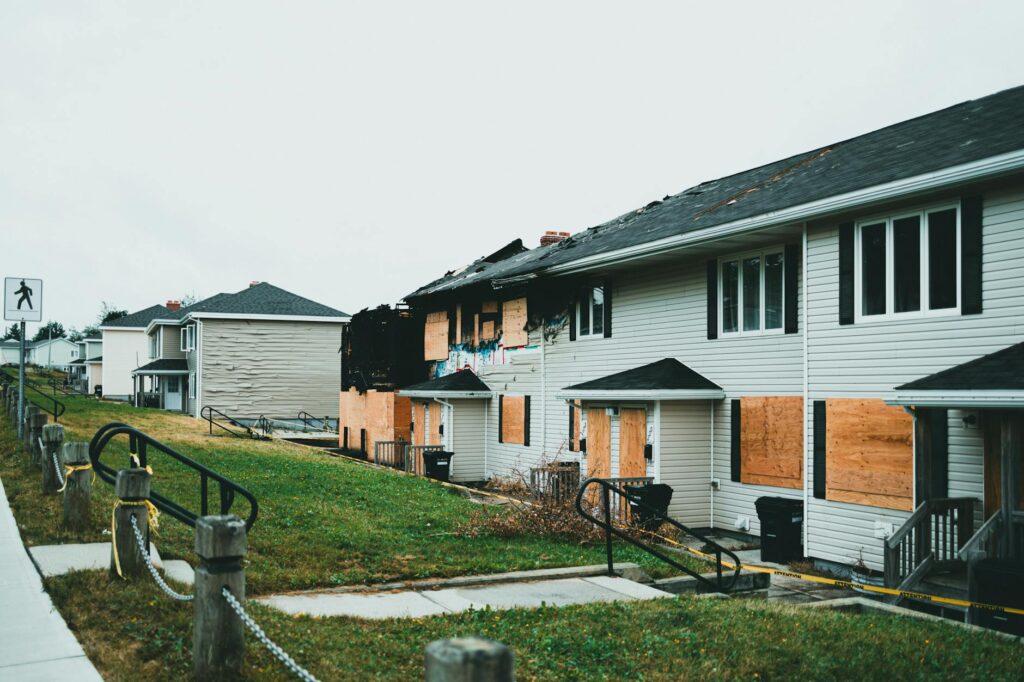
Damage Assessment Tips for Effective Claims
Proper documenting damage for insurance claim is crucial for a successful claim process. Here are some effective damage assessment tips to ensure you present a strong case to your insurance provider.
Taking Photos and Videos
Photo documentation for claims is one of the most effective ways to support your insurance claim. Here are some key tips:
- Capture Everything: Take wide shots of the entire area, as well as close-ups of specific damages. This gives a comprehensive view of the situation.
- Use Time Stamps: Ensure your photos and videos are time-stamped to confirm when the damage occurred. Most smartphones do this automatically.
- Document Progress: If the damage worsens over time, take additional photos to show the progression.
- Keep Lighting in Mind: Good lighting can make a difference in clarity. Avoid shadows and take pictures during the day if possible.

Creating a Damage Report
Alongside photo documentation for claims, a comprehensive damage report is essential. Here’s what to include:
- Description of Damage: Clearly outline what was damaged, including the type, location, and extent of the damage.
- Estimates for Repair: If possible, obtain estimates from contractors or repair services to quantify the loss.
- List of Affected Items: Include a detailed inventory of all damaged items, along with their estimated values.
- Witness Statements: If applicable, gather statements from witnesses who can corroborate your account of the damage.
Consider using apps like Evernote or Google Keep for organizing your information. These tools can help streamline your insurance claim documentation process.
By following these damage assessment tips and thoroughly documenting damage for insurance claims, you increase your chances of a successful claim outcome.
Best Practices for Photo Documentation for Claims
How to Capture Quality Images for Documenting Damage for Insurance Claim
Effective photo documentation for claims can significantly influence the outcome of your insurance claim. To ensure your images are both clear and informative, consider the following tips:
- Use Good Lighting: Natural light is ideal, as it minimizes shadows and highlights details. If indoors, turn on lights or use a flash if necessary.
- Choose the Right Angles: Capture images from multiple angles to provide a comprehensive view of the damage. This helps in understanding the extent and nature of the damage.
- Focus on Details: Zoom in on specific areas of damage, such as cracks, punctures, or water stains, to highlight pertinent issues.
- Maintain Stability: Use a tripod or set your camera on a stable surface to avoid blurry images. Clear pictures are crucial for effective insurance claim documentation.
What to Include in Your Photos
When documenting damage for insurance claims, it’s essential to capture all relevant details to support your case. Follow this checklist to ensure nothing is overlooked:
- Wide shots of the overall damage area
- Close-ups of specific damage (e.g., broken windows, roof leaks)
- Items that may have been affected by the damage (e.g., furniture, appliances)
- Contextual images showing the location of the damage within the property
- Date and time stamps, if possible, to establish when the damage occurred

By adhering to these damage assessment tips, you can create a strong visual record that enhances your chances of a successful claim. Remember, thorough and organized photo documentation for claims not only aids your insurer’s understanding but also strengthens your position when seeking compensation.
Submitting Your Insurance Claim: Final Steps
Organizing Your Documentation for Documenting Damage for Insurance Claim
Once you have thoroughly documented damage for your insurance claim, the next critical phase is organizing your documentation for submission. Proper organization can expedite the processing of your claim and reduce the likelihood of additional requests for information from your insurer.
Begin by compiling all relevant documents, including:
- Photos: Ensure your photo documentation for claims is clear and well-organized, highlighting the extent of the damage.
- Receipts: Include any receipts for repairs, temporary housing, or related expenses incurred due to the damage.
- Reports: Attach any damage assessment tips or reports provided by professionals, which can substantiate your claim.
- Claim Form: Complete the insurance claim documentation accurately, ensuring all sections are filled out as required.
Consider creating a cover sheet that summarizes your claim, listing the included documents. This can help claims adjusters quickly reference your materials.

Following Up on Your Claim
After submitting your organized claim documentation, it is essential to follow up with your insurance company. This step is often overlooked but can be crucial in ensuring your claim progresses smoothly. Contact your claims adjuster or customer service representative to confirm receipt of your claim and ask about the expected timeline for processing.
During your follow-up, inquire about any additional information or documentation that may be needed. Staying proactive can prevent delays and demonstrate your commitment to resolving the matter efficiently. Remember to note down the details of your conversations, including the names of representatives and any reference numbers provided.
By taking these final steps, you can confidently navigate the claims process and work towards a timely resolution of your insurance claim.
Common Mistakes to Avoid When Documenting Damage for Insurance Claim
Overlooking Important Details
When documenting damage for insurance claim purposes, it is crucial to capture every relevant detail. Many claimants overlook small but significant damages, assuming they are minor. However, insurance companies may deny claims if the documentation is incomplete. This can include not documenting damages to personal belongings or the surrounding area affected by the incident.
To avoid this pitfall, make a thorough inspection of the property and create a checklist of all damage. Use damage assessment tips to ensure no detail is missed. Taking comprehensive notes during your inspection will help ensure you have all necessary information when submitting your claim.
Failing to Keep Records Organized
Another common mistake is disorganized records, which can lead to confusion and delays in processing your insurance claim documentation. Inconsistent or misplaced records can hinder the evaluation process, leading to frustration.
To streamline your documentation, establish a systematic filing method. Use folders or digital tools to categorize your records, including photos, receipts, and correspondence with your insurance company. This organization will not only simplify your claim submission but also serve as a reliable reference for any future claims. Additionally, ensure your photo documentation for claims is labeled and easily accessible, making it simpler to present your case effectively.

By avoiding these common mistakes and adhering to best practices, you can improve your chances of a successful claim outcome. For further assistance on documenting damage for insurance claim processes, consult relevant resources or your insurance agent.
Effective documentation is essential when it comes to documenting damage for insurance claims. By following proper insurance claim documentation practices, including thorough photo documentation for claims, you can enhance your chances of a successful outcome. Remember to take clear, well-lit images from various angles, as this visual evidence can significantly support your claim. Additionally, utilizing damage assessment tips will help ensure that you capture all relevant details, which can be critical for the claims process.
As you prepare to submit your claim, make sure that all documentation is organized and easily accessible. This will not only streamline the process but also reinforce the validity of your claim. If you are uncertain about any aspect of documenting damage for insurance claims, consider reaching out to your insurance provider for guidance or consulting with a claims adjuster. Taking these proactive steps will put you in a stronger position to receive a fair settlement.
“`html
What is the best way to document damage for an insurance claim?
The best way to document damage for an insurance claim is to take comprehensive and clear photos, make detailed notes, and gather relevant receipts or estimates. Start by capturing wide-angle shots to show the full extent of the damage, then take close-ups of specific areas and items. Additionally, ensure you record the date and time of the incident, as well as any witnesses. This thorough approach provides strong evidence to support your claim.
How do I take photos for insurance claims?
When taking photos for insurance claims, use good lighting and a steady hand to ensure clarity. Begin with wide shots to capture the overall scene, then take close-ups of individual damages. Include any damaged belongings or structural issues. It’s also helpful to take images from multiple angles and document any relevant details, like the date and location. This photo documentation for claims is essential in conveying the extent of the damage.
What should I include in my insurance claim documentation?
Your insurance claim documentation should include detailed descriptions of the damage, photographs, repair estimates, and any receipts related to the incident. Additionally, include a timeline of events and any correspondence with your insurance company. Comprehensive insurance claim documentation helps streamline the claims process and increases the likelihood of a favorable outcome.
How can I assess damage for my insurance claim effectively?
Effective damage assessment for your insurance claim involves a systematic approach. Start by identifying all affected areas and items, then document each instance thoroughly with photographs and notes. Use damage assessment tips such as consulting professionals for expert opinions and obtaining repair estimates from licensed contractors. This thorough evaluation provides necessary evidence and supports your claim’s validity.
What are common mistakes when documenting damage for claims?
Common mistakes when documenting damage for claims include not taking enough photos, failing to capture the entire scene, and neglecting to keep records organized. Additionally, some individuals might overlook documenting the timeline of events or not gathering sufficient evidence, such as witness statements or repair estimates. Avoiding these pitfalls can significantly improve your chances of a successful claim.
How long does it take to process an insurance claim after documentation?
The processing time for an insurance claim after documentation can vary widely, typically ranging from a few days to several weeks. Factors influencing this timeframe include the complexity of the claim, the insurance company’s workload, and any additional information they may require. Being proactive and providing complete documentation can help expedite the process and lead to quicker resolutions.
“`