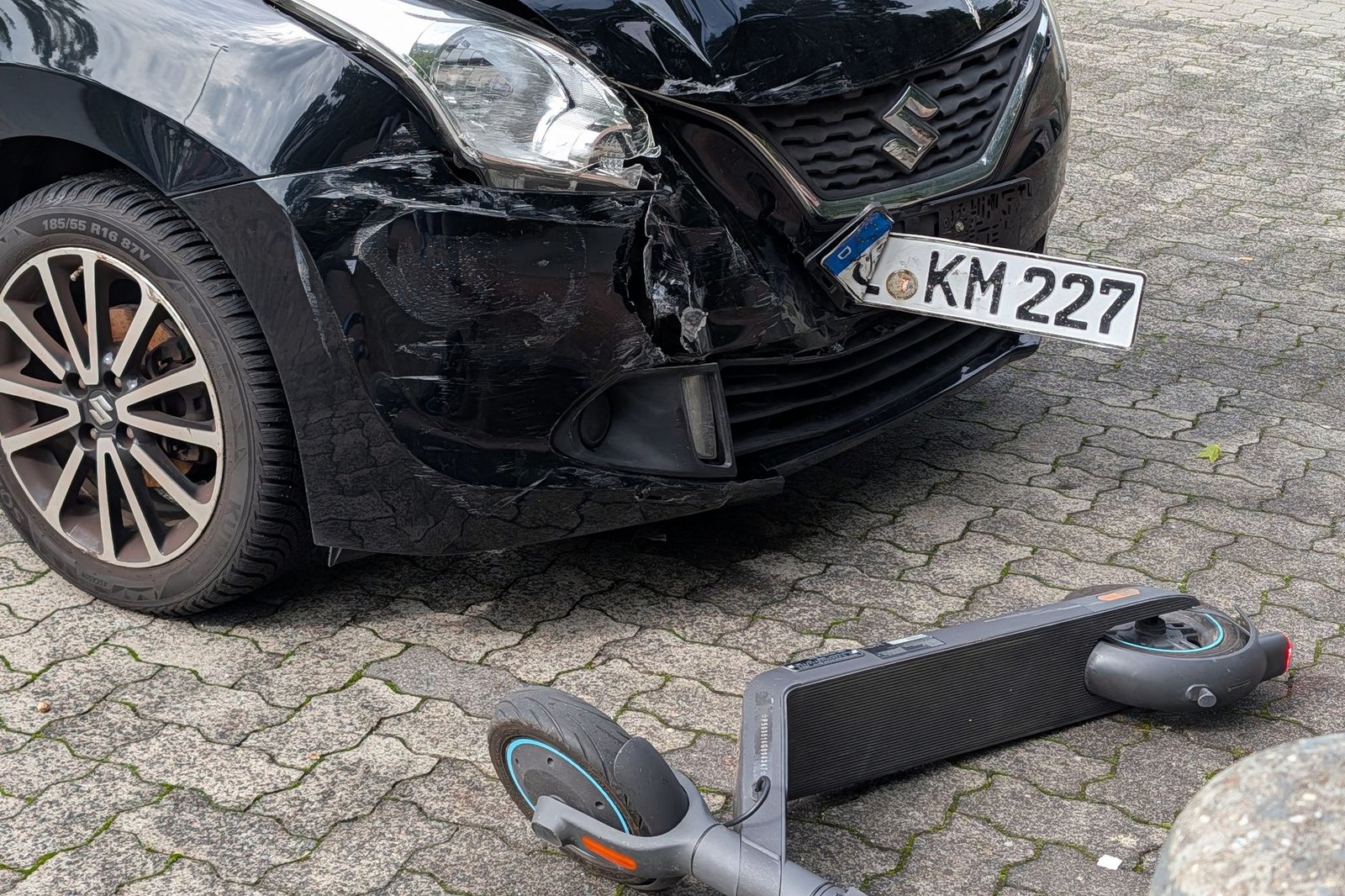
Understanding insurance adjusters car accident is crucial for anyone navigating the aftermath of a vehicle collision. After an accident, the auto claim process can often feel overwhelming, and knowing the role of insurance adjusters in accidents is essential for effectively managing your car accident claims. In this article, we will explore the specific responsibilities of insurance adjusters, the steps involved in the auto claim process, and the challenges that may arise during car accident claims. By gaining insight into how insurance adjusters operate and their significance in the claims process, you will be better equipped to handle your situation with confidence. We will also provide tips on how to communicate effectively with adjusters and ensure a smoother claims experience. To further assist you, we’ll address common pitfalls and how to navigate the complexities of working with insurance adjusters. Understanding these aspects will not only demystify the process but also empower you to advocate for your rights and needs following an accident.
The Role of Insurance Adjusters in Car Accidents
What is an Insurance Adjuster?
Insurance adjusters play a crucial role in the aftermath of car accidents. They are professionals employed by insurance companies to investigate and evaluate claims made by policyholders. Their primary functions include assessing damages to vehicles, determining the extent of injuries, and establishing the validity of claims. By gathering evidence, interviewing witnesses, and reviewing police reports, they ensure that the claims process is thorough and fair.
According to the Insurance Journal, insurance adjusters can significantly influence the outcome of car accident claims, often determining the amount of compensation paid to victims. For example, a study found that claims involving an adjuster resulted in a payout that was, on average, 20% higher than those without one.
How Do Adjusters Impact Car Accident Claims?
The insurance adjuster role in accidents is vital, as they are responsible for evaluating the damages and establishing liability. They conduct a detailed review of the incident to determine who is at fault, which can directly affect the compensation amount. Their expertise in the auto claim process enables them to identify all relevant factors, including property damage, medical expenses, and lost wages.
Statistics show that claims that go through an adjuster tend to have a more favorable outcome for the claimant. For instance, a report from the Nolo website indicates that claims evaluated by adjusters are resolved faster and often lead to higher settlements. This highlights the importance of working with these professionals during car accident claims.

understanding the role of insurance adjusters car accident situations is essential for anyone navigating the complexities of auto claims. Their assessments not only influence the speed of the claim process but also the compensation that victims receive. For detailed guidance on how to effectively work with adjusters, you can explore Choosing an Insurance Adjuster: A Comprehensive Guide.
Steps in the Auto Claim Process Involving Insurance Adjusters
Initial Contact After the Accident with Insurance Adjusters Car Accident
After a car accident, one of the first steps in the auto claim process is the initial contact from your insurance adjuster. This is typically initiated by the insurance company shortly after the claim is filed. The adjuster will reach out to you to gather basic information about the accident, including the date, location, and circumstances surrounding the incident. Expect to provide details such as your insurance policy number and contact information for any other involved parties.
During this conversation, it is crucial to remain calm and provide accurate information. Misstatements can complicate your car accident claims down the line. The adjuster will also inform you about the next steps, including the investigation and evaluation procedures, which are critical for determining coverage and claim validity.
Investigation and Evaluation Procedures
Following the initial contact, the insurance adjuster will begin the investigation and evaluation of your claim. This process may involve several steps:
- Collecting Evidence: The adjuster will gather evidence related to the accident, which may include police reports, witness statements, photographs of the scene, and vehicle damage assessments.
- Assessing Damages: A detailed evaluation of your vehicle and any medical expenses incurred will be performed. Adjusters may consult with auto repair shops and medical professionals to estimate costs accurately.
- Reviewing Policy Coverage: The adjuster will review your insurance policy to ensure that the claim falls within the coverage limits and conditions.
Effective communication with your insurance adjuster is vital throughout this process. Be prepared to provide any additional documentation they may request and keep a record of all interactions. This can help expedite the claims process and ensure that you receive the compensation you deserve. Remember, accuracy and transparency are key to navigating the insurance adjuster role in accidents successfully.

Taking these steps can greatly influence the outcome of your car accident claims, making it essential to engage actively with your insurance adjuster. For additional tips on managing claims, consider visiting Tips to Negotiate with Your Insurance Adjuster.
Understanding the Insurance Adjuster Role in Accidents
When navigating the aftermath of a car accident, understanding the role of insurance adjusters is crucial. Many individuals hold misconceptions about what insurance adjusters do, which can hinder the auto claim process and complicate car accident claims. This section clears up common myths and provides actionable tips for working with insurance adjusters effectively.
Common Misconceptions About Adjusters
A prevalent myth is that insurance adjusters solely aim to minimize payouts for the insurance company. In reality, the insurance adjuster role in accidents is complex; they are responsible for assessing damages, determining liability, and ensuring that claims are handled fairly. Their job is to evaluate all evidence objectively, which includes gathering statements from involved parties, reviewing police reports, and inspecting damages to vehicles.
Another misconception is that adjusters are adversaries. Instead, they are often the first point of contact for claimants and can facilitate a smoother claims process. Understanding this can help claimants approach conversations with adjusters more positively and collaboratively.
Tips for Working with Insurance Adjusters After a Car Accident
To ensure a smooth claims process, consider the following best practices when working with insurance adjusters after a car accident:
- Be Prepared: Gather all relevant evidence, such as photographs of the accident scene, witness contact details, and any medical records. This information can support your claim and provide context to the adjuster.
- Document Everything: Keep a record of all communications with the adjuster, including dates, times, and the content of discussions. This documentation can be invaluable if disputes arise later.
- Stay Transparent: Provide honest and accurate information. Misleading the adjuster can jeopardize your claim and lead to denial.
- Follow Up: If you haven’t heard from the adjuster in a while, don’t hesitate to reach out. A proactive approach demonstrates your commitment and helps keep your claim moving forward.
By understanding the role of insurance adjusters in car accident claims and employing these strategies, claimants can navigate the auto claim process more effectively, leading to a more favorable outcome. How Insurance Adjusters Calculate Claim Value

Challenges in Car Accident Claims and Adjuster Involvement
Disputes and Denials in Car Accident Claims
The auto claim process can often be fraught with challenges, particularly when it comes to disputes over fault or coverage. It is not uncommon for insurance companies to deny claims or dispute the details surrounding a car accident. These disputes may arise due to differing accounts of the incident, lack of evidence, or conflicting insurance policy interpretations. The role of insurance adjusters in car accident claims becomes crucial at this juncture. They investigate the incident by reviewing police reports, photographs, and witness statements to ascertain the facts surrounding the accident.
Insurance adjusters are trained to evaluate the merits of a claim and provide an impartial assessment. However, their findings may not always align with the expectations of the claimants, leading to potential disagreements. If a claimant feels that the adjuster’s assessment is unfair or inaccurate, they may need to gather additional evidence or documentation to support their position. This can include obtaining medical records, repair estimates, and even expert opinions to bolster their claim.
When to Involve an Attorney Regarding Insurance Adjusters Car Accident Claims
While many straightforward claims can be resolved directly with the insurance adjuster, complex cases often necessitate legal assistance. When disputes escalate or claims are denied, consulting an attorney experienced in car accident claims can be beneficial. An attorney can help navigate the complexities of the auto claim process, particularly if there are significant injuries or damages involved.
Moreover, an attorney can provide guidance on how to effectively communicate with the insurance adjuster and advocate for the claimant’s rights. If negotiations stall or if the insurance company refuses to settle fairly, legal intervention may be the best course of action to ensure that claimants receive the compensation they deserve.

Conclusion: Navigating the Insurance Adjusters Car Accident Process
Understanding the role of insurance adjusters in the auto claim process is essential for anyone involved in car accident claims. Insurance adjusters are responsible for evaluating the circumstances surrounding an accident, determining liability, and calculating damages. Their findings can significantly impact the outcome of your claim, making it crucial for claimants to be well-informed and prepared.
Throughout this article, we have discussed the various aspects of the insurance adjuster role in accidents, including how they assess damages and negotiate settlements. Knowing what to expect from the adjuster can help you navigate this often complex process with greater confidence. Here are some actionable takeaways to keep in mind:
- Document everything: Collect evidence such as photographs, witness statements, and medical records to support your claim.
- Communicate clearly: Be straightforward and honest when discussing the accident with the adjuster; this fosters trust and transparency.
- Know your rights: Familiarize yourself with your insurance policy and local laws to understand what you’re entitled to during the claim process.
- Be prepared to negotiate: Understand the value of your claim and be ready to advocate for yourself if the initial offer seems inadequate.
By preparing thoroughly and understanding the insurance adjusters car accident process, you can better advocate for yourself and aim for a fair resolution to your claim. Whether you are dealing with minor damages or significant injuries, being proactive in your approach will serve you well in navigating the complexities of car accident claims.

Understanding the role of insurance adjusters in car accidents is crucial for navigating the auto claim process effectively. These professionals assess damages, determine liability, and negotiate settlements for car accident claims, ensuring that victims receive fair compensation for their losses. By grasping the intricacies of their responsibilities, claimants can better prepare themselves for the interactions they will have with adjusters.
As you proceed with your claim, remember that being well-informed can significantly impact the outcome. Engage with your insurance adjuster openly, provide accurate information, and ask questions to clarify the process. This proactive approach will help ensure that you are not only prepared for the insurance adjusters after a car accident but also positioned to secure the compensation you deserve.
“`html
What does an insurance adjuster do after a car accident?
Insurance adjusters play a critical role in assessing car accident claims. After an accident, they investigate the details, gather evidence, and evaluate the extent of damages. They review police reports, medical records, and witness statements to determine the liability and the compensation amount. Their findings help insurance companies decide on claims, ensuring that the settlement is fair for all parties involved.
How long does the auto claim process take with an adjuster?
The auto claim process can vary significantly depending on the complexity of the case. Typically, insurance adjusters may take anywhere from a few days to several weeks to complete their investigations. Factors that influence this timeline include the availability of evidence, the complexity of damages, and whether negotiations regarding liability are necessary. Staying in touch with your adjuster can help expedite the process.
What information should I provide to my insurance adjuster?
When dealing with insurance adjusters after a car accident, it’s important to provide comprehensive information. This includes your policy number, details of the accident (date, time, location), descriptions of damages to your vehicle and any injuries sustained, medical records, and any police reports. The more information you provide, the easier it will be for the adjuster to process your claim efficiently.
Can I negotiate with my insurance adjuster?
Yes, you can negotiate with your insurance adjuster regarding your car accident claim. If you believe the initial settlement offer is too low, you can present evidence supporting your case, such as repair estimates or medical bills. Engaging in negotiations can lead to a better settlement, as adjusters are often open to discussion, especially if you provide strong documentation to support your claim.
What should I do if my car accident claim is denied?
If your car accident claim is denied, review the denial letter carefully to understand the reasons. Often, claims are denied due to missing information or insufficient evidence. You can appeal the decision by submitting additional documentation or clarification. Consider contacting your insurance adjuster for guidance, or consult an attorney if you believe the denial was unjustified.
When should I hire an attorney for my car accident claim?
Hiring an attorney may be beneficial if your car accident claim involves significant injuries, disputes over liability, or complications with the insurance adjusters. An attorney can provide expertise in negotiating with insurance companies, ensuring you receive fair compensation. If you feel overwhelmed or if the insurance adjuster is being uncooperative, it’s wise to seek legal advice sooner rather than later.
“` This HTML block provides clear and helpful answers to common questions about insurance adjusters in the context of car accidents, while adhering to your specified guidelines for structure and content.