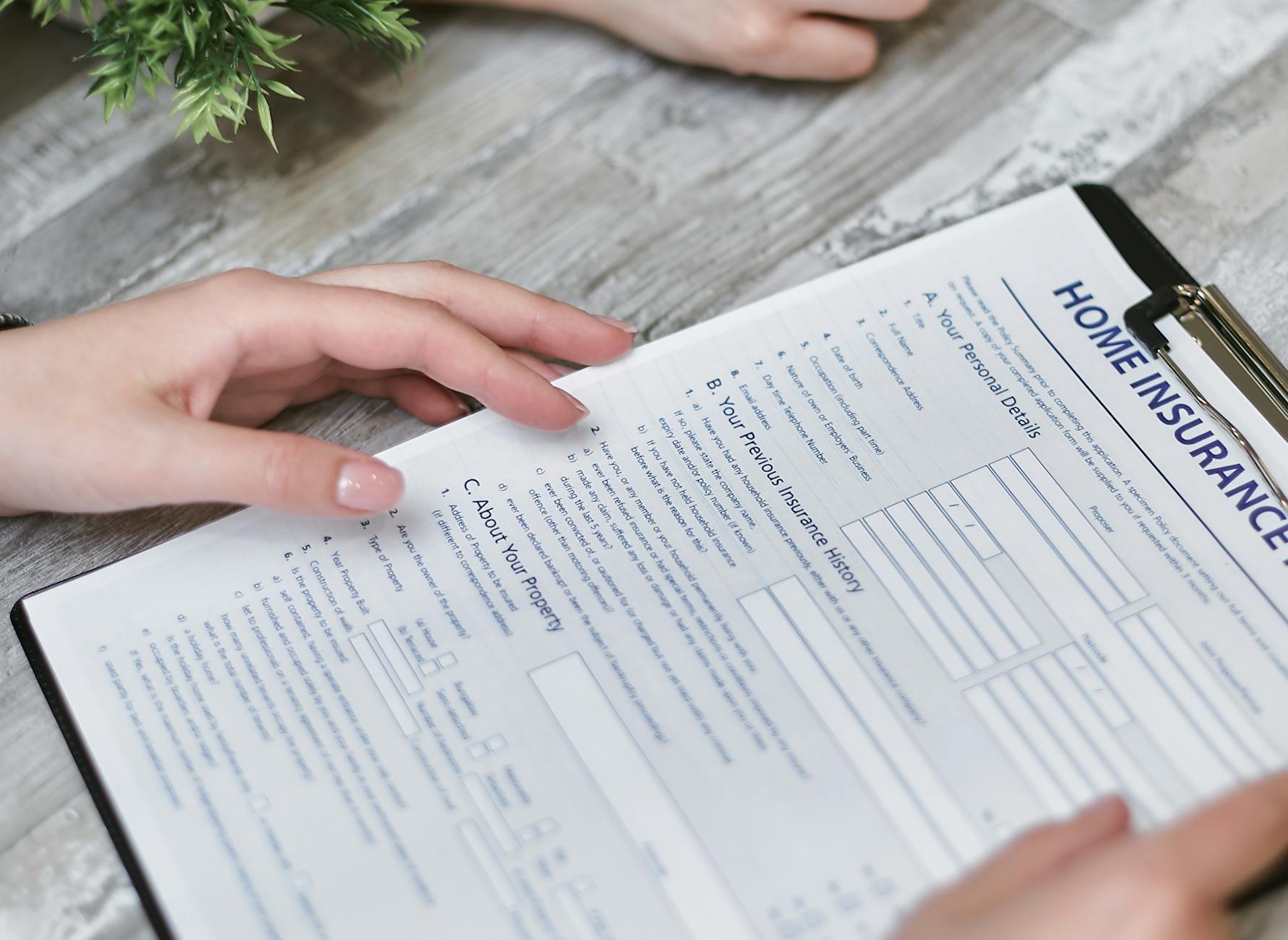
Homeowners insurance adjusters play a pivotal role in the home insurance claims process, acting as the bridge between policyholders and insurance companies. Understanding their responsibilities and how they navigate the complexities of claims can empower homeowners to achieve fair settlements. This article delves into the essential functions of homeowners insurance adjusters, detailing how they assist during the home claim process and the common challenges that may arise. Additionally, we will provide an insurance adjuster guide to help you maximize your home insurance claims effectively. By familiarizing yourself with the adjusters’ role and the claims process, you can enhance your chances of a successful claim settlement. Whether you are facing damage from a natural disaster or a minor repair, knowing what to expect from homeowners insurance adjusters is crucial for a smoother experience. For further insights, we will explore the importance of having a solid understanding of the home claim process, ensuring you are well-equipped to navigate the intricacies of home insurance claims.
The Role of Homeowners Insurance Adjusters
What Does a Homeowners Insurance Adjuster Do?
Homeowners insurance adjusters play a critical role in the home claim process, serving as the liaison between the policyholder and the insurance company. Their primary responsibilities include evaluating claims, inspecting damages, and determining payout amounts. When a policyholder files a home insurance claim, the adjuster assesses the extent of the damage, which may involve visiting the site, reviewing repair estimates, and gathering evidence to support the claim.
Adjusters also analyze the policyholder’s insurance coverage to ensure that the claim aligns with the terms of the policy. This thorough evaluation is essential, as it directly influences the outcome of the claim, including the amount of compensation the homeowner receives. According to the Insurance Information Institute, a significant portion of claims are underpaid due to misunderstandings or miscommunications during this process.
Why Are Adjusters Important in the Home Claim Process?
The role of homeowners insurance adjusters is crucial in the home claim process because they ensure that claims are assessed fairly and accurately. Their expertise not only aids in verifying damages but also helps in preventing fraudulent claims, thus protecting the interests of the insurance company and its clients alike. In many cases, adjusters are the ones who can expedite the claims process by facilitating communication between all parties involved.
Understanding the impact of the adjuster’s findings can empower homeowners during the claim process. By being well-informed, homeowners can better navigate disputes, if they arise, over the amount of compensation. For a detailed overview of working with an adjuster, consult our comprehensive insurance adjuster guide. This resource can be invaluable for policyholders looking to maximize their home insurance claims.
Ultimately, homeowners insurance adjusters are vital to ensuring a smooth, efficient claims process, which can significantly affect the financial recovery of a homeowner after a loss.
Navigating the Home Claim Process with Insurance Adjusters
Step-by-Step Guide to the Home Claim Process
Understanding the home claim process is essential for a seamless experience when dealing with homeowners insurance adjusters. Here’s a step-by-step guide:
- Report the Incident: Notify your insurance company as soon as the damage occurs. Gather necessary details such as the date, time, and nature of the incident.
- File a Claim: Complete the necessary claim forms provided by your insurer. Make sure to document the damage with photos and notes.
- Meet the Insurance Adjuster: An adjuster will be assigned to your claim. Schedule a visit to assess the damage. This step is crucial for determining the compensation amount.
- Review the Adjuster’s Report: After the assessment, the insurance adjuster will provide a report. Understand the findings and ensure they align with your documentation.
- Receive Payment: Once the claim is approved, you will receive payment for the covered losses. This may take some time, so stay in touch with your insurer for updates.

Tips for Working with Your Homeowners Insurance Adjusters
Effective communication can significantly ease the home claim process. Here are some actionable tips:
- Stay Organized: Keep all documentation related to your claim neatly organized, including photos, receipts, and communication records.
- Ask Questions: Do not hesitate to ask your insurance adjuster any questions you may have. Understanding the process will help you feel more in control.
- Be Honest: Always provide accurate information regarding the damages and losses. Misrepresentation can lead to claim denial.
- Follow Up: If you do not hear back after a reasonable time, follow up with your adjuster. Regular communication can prevent delays.
For more in-depth strategies, refer to our insurance adjuster guide that covers essential tips for home insurance claims.
Common Challenges in Home Insurance Claims
Understanding Claim Denials
Homeowners often encounter various challenges during the home claim process, with claim denials being one of the most frustrating. A claim may be denied for several reasons, including insufficient documentation, policy exclusions, or failure to meet the requirements set forth by the insurance company. Homeowners insurance adjusters play a crucial role in evaluating the claim, but misunderstandings about the policy can lead to dissatisfaction.
To mitigate the risk of denial, it is essential to thoroughly understand your policy and gather all necessary documentation before filing a claim. This includes photos of the damage, repair estimates, and any communication with contractors. Proper documentation not only supports your claim but also provides a clearer picture for the homeowners insurance adjusters assessing the situation.
How to Appeal a Claim Decision
If you receive a denial or a low payout offer, it is possible to appeal the decision. Start by reviewing the initial claim report and the reasons for the denial. An insurance adjuster guide can be beneficial in understanding the nuances of the appeal process.
To successfully appeal a claim decision, follow these steps:
- Gather all relevant documentation, including photos and receipts.
- Document any communication with your insurance provider.
- Submit a formal appeal letter explaining why you believe the claim should be reconsidered.
- Consider seeking advice from a public adjuster or legal professional if necessary.
By addressing these common challenges and understanding the role of homeowners insurance adjusters, you can navigate the claims process more effectively and improve your chances of a successful outcome.

The Importance of an Insurance Adjuster Guide
Navigating the home claim process can be daunting for any homeowner. An insurance adjuster guide serves as an invaluable resource to help you understand the complexities of home insurance claims. By familiarizing yourself with the role and responsibilities of homeowners insurance adjusters, you can approach your claims process with greater confidence and clarity.
Key Terms and Concepts in Home Insurance Claims
Understanding key terms related to home insurance claims is essential for effective communication with your adjuster. Here are a few important definitions:
- Deductible: The amount you must pay out of pocket before your insurance coverage kicks in.
- Replacement Cost: The cost to replace your damaged property with new items of similar kind and quality.
- Actual Cash Value (ACV): The replacement cost minus depreciation, representing the current value of the item.
- Loss Assessment: A fee that may be charged to homeowners in a condominium or homeowners association if a shared loss occurs.
Familiarity with these terms will help you articulate your concerns and understand the adjuster’s explanations better. For more detailed information, refer to resources such as the National Association of Insurance Commissioners or the Consumer Financial Protection Bureau.
Resources for Homeowners Working with Homeowners Insurance Adjusters
Several resources can assist you in navigating the intricacies of your home insurance claims. You may consider consulting the Claims Journal for industry news and tips, or the Insurance Information Institute for educational materials. These sources can provide useful insights to help you effectively work with homeowners insurance adjusters.
Ultimately, having a comprehensive insurance adjuster guide at your disposal can empower you to approach the claims process more effectively, ensuring you receive the coverage you deserve.

Maximizing Your Home Insurance Claims
Preparing for the Adjuster’s Visit
When a loss occurs, understanding the role of homeowners insurance adjusters is crucial for a successful claim. Preparation is key to ensuring that your claim is handled efficiently. Start by gathering all relevant documentation, including your insurance policy, previous correspondence, and any repair estimates. Create a checklist of items to discuss with the adjuster. This proactive approach can help clarify your expectations and streamline the home claim process.
Additionally, consider the timing of the adjuster’s visit. Ensure that your home is accessible and that you are available to answer questions. Being present allows you to provide immediate context for any damages observed. Maintain open communication with the adjuster throughout the process, as this can foster a collaborative relationship that benefits your claim.
Documenting Your Losses Effectively
Thorough documentation is essential for maximizing home insurance claims. Take detailed photos and videos of all damage, ensuring you capture different angles and close-ups. This visual evidence supports your narrative and provides a clear picture of the extent of the loss. Maintain a log of any expenses related to the claim, including temporary repairs and additional living costs, as these can significantly impact your final settlement.
Utilize an insurance adjuster guide to familiarize yourself with what adjusters typically look for. This knowledge helps you present your case more effectively. Remember, homeowners insurance adjusters are tasked with evaluating damage fairly, but having all your documentation in order can bolster your claim and potentially lead to a more favorable outcome.

By following these strategies, you can navigate the complexities of the home claim process and maximize your chances of receiving the compensation you deserve. Don’t underestimate the power of organized documentation and proactive communication with your adjuster.
Conclusion: Empowering Homeowners in the Claims Process
Understanding the role of homeowners insurance adjusters is crucial for effectively navigating the home claim process. These professionals are responsible for evaluating damage, estimating repair costs, and determining the compensation you may receive from your insurance company. Familiarity with their responsibilities and the claims process can significantly impact the outcome of your home insurance claims.
Throughout this article, we explored the intricate relationship between homeowners and insurance adjusters. We emphasized the importance of clear communication, proper documentation, and knowing your rights as a policyholder. Engaging effectively with your insurance adjuster can make a substantial difference in how promptly and satisfactorily your claim is processed.
By utilizing an insurance adjuster guide, homeowners can better prepare themselves before filing a claim. This knowledge can help demystify the process and empower you to advocate for your interests, ensuring you receive the compensation you’re entitled to.
Ultimately, being proactive and informed is key. Whether it’s understanding the nuances of your policy or knowing what to expect when working with homeowners insurance adjusters, your awareness can lead to a smoother claims experience. Remember, you are not alone in this journey; resources and support are available to help you navigate any challenges that arise.
Understanding the role of homeowners insurance adjusters is crucial in navigating the home claim process effectively. These professionals play a pivotal role in assessing damages and determining the compensation amount for home insurance claims. By familiarizing yourself with their responsibilities, you can better advocate for your interests and ensure a smoother experience during what can often be a complex process.
Utilizing an insurance adjuster guide can empower you to engage more effectively with homeowners insurance adjusters, making informed decisions that can significantly impact your claim. As you move forward, take the time to research and understand the specific procedures involved in your own home insurance claims. This proactive approach will enable you to achieve a satisfactory resolution and protect your investment.
“`html
What do homeowners insurance adjusters do?
Homeowners insurance adjusters evaluate claims made by policyholders after an incident, such as damage from fire or storm. They assess the extent of the damage, gather evidence, and determine the validity of the claim based on policy coverage. Adjusters work for insurance companies or independently, and their goal is to ensure that claims are settled fairly and according to the policy terms. They play a crucial role in the home claim process, facilitating communication between the insurer and the insured.
How do I file a home insurance claim?
To file a home insurance claim, start by contacting your insurance company as soon as possible after the incident. Provide them with your policy number and a brief overview of the damage. Many insurers offer online claim filing options. Document the damage with photos and make a list of affected items. Be prepared to provide any necessary documentation and cooperate with the homeowners insurance adjusters when they arrive to inspect the damage. Prompt and thorough communication can expedite the claims process.
What should I expect during the home claim process?
During the home claim process, expect an initial assessment by an insurance adjuster who will inspect the damage and gather information. They may ask for documentation, such as photos and repair estimates. After the assessment, the adjuster will determine the amount of compensation based on your policy coverage. You may receive updates throughout the process, and it can take time to finalize the claim. Staying in close contact with your adjuster will help clarify any questions and facilitate smoother communication.
Why was my home insurance claim denied?
Claims can be denied for various reasons, including lack of coverage for specific damages, failure to provide necessary documentation, or if the incident is deemed not covered under your policy. Sometimes, claims are denied due to late filing or failure to meet policy deadlines. It’s essential to review your policy carefully and understand its terms. If your claim is denied, the homeowners insurance adjusters are required to provide a reason, which can help you address any issues in the future.
How can I appeal a claim decision?
If you wish to appeal a claim decision, first contact your insurance company to understand the denial reason. Gather any additional evidence or documentation that supports your case, such as repair estimates or expert opinions. Write a formal appeal letter outlining your reasons and include any new information. Submit this appeal to your insurer and keep a copy for your records. Following up with a phone call can help ensure your appeal is being processed. Knowing the appeal process can be crucial in navigating home insurance claims effectively.
What documentation do I need for my home insurance claim?
For your home insurance claim, gather essential documentation such as your insurance policy, photographs of the damage, a detailed list of damaged or lost items, and any repair estimates. Also, include any police reports or fire department reports if applicable. Keeping records of all communication with your insurance company and adjusters is important. Providing comprehensive and organized documentation can significantly enhance the processing of your claim and aid homeowners insurance adjusters in their assessment.
“`