
The role of medical records in injury claims cannot be overstated. Medical records injury claims serve as critical pieces of evidence that can substantiate the extent of an injury and its impact on a claimant’s life. This article explores the importance of medical documentation in the injury claim process, highlighting how thorough records support the validity of claims and the challenges involved in obtaining and utilizing these documents effectively. Understanding the nuances of medical records can empower individuals navigating the complex landscape of injury claims, ensuring they have the necessary evidence for claims that may significantly affect their recovery and compensation. From examining how medical records bolster claims to discussing common obstacles and viable solutions, this article aims to provide a comprehensive overview of the crucial role played by medical records in the injury claim process. For further insights on the significance of medical documentation in legal contexts, consider reviewing resources from Nolo and HG.org.
Understanding Medical Records in Injury Claims
What Are Medical Records?
Medical records are comprehensive documents that contain a patient’s health information, including medical history, diagnoses, treatment plans, medications, and test results. These records can be categorized into several types, such as:
- Electronic Health Records (EHR): Digital versions of patients’ paper charts that allow for easier data sharing among healthcare providers.
- Consultation Reports: Documents generated when a patient is referred to a specialist for further evaluation.
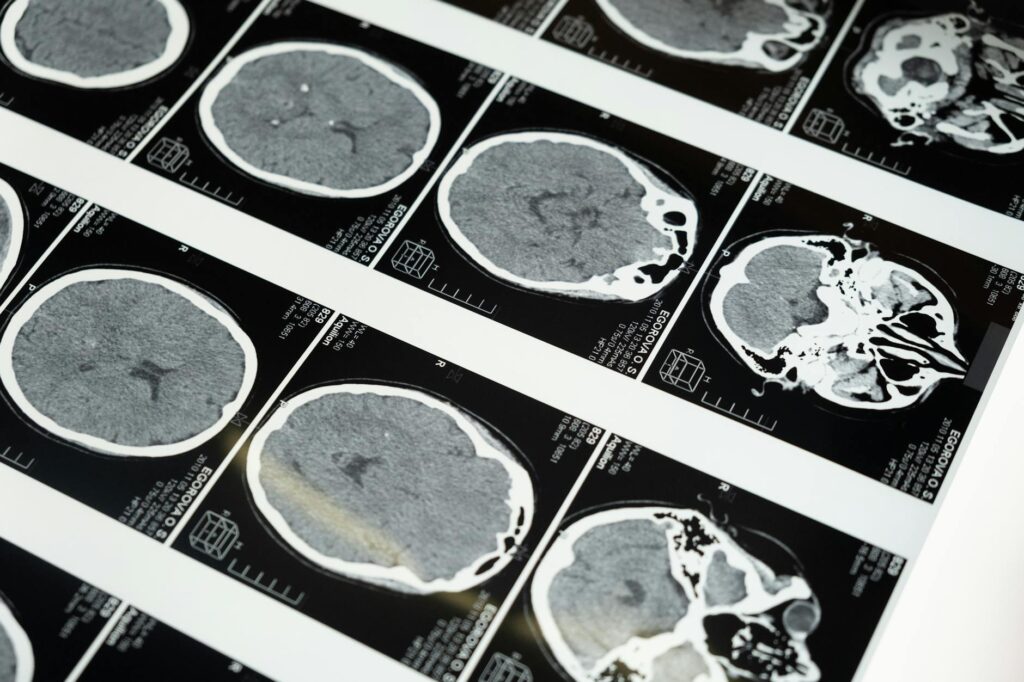
- Radiology Reports: Imaging results that provide information about a patient’s condition.
- Discharge Summaries: Summaries provided when a patient is released from a hospital, detailing the treatment received.
These records are crucial for understanding an individual’s health status and treatment history, making them vital in the context of medical records injury claims.
Importance of Medical Documentation in Claims
Medical records serve as essential evidence for claims in the injury claim process. They provide a factual basis for the injuries sustained and the treatment received, which is necessary for substantiating claims. Insurers and legal representatives rely on this documentation to verify the extent of the injuries, the associated costs, and the impact on the victim’s life.
Injury claims often hinge on the ability to demonstrate a direct link between the incident and the injuries documented. Accurate medical records help establish this connection, ensuring that the claimant receives fair compensation. Furthermore, inconsistencies or gaps in medical documentation can weaken a case, potentially leading to denied claims or reduced settlements.
Therefore, understanding and managing your medical records is crucial for anyone involved in the injury claim process. Maintaining organized and thorough documentation can significantly enhance the chances of a successful claim outcome.
How Medical Records Support Injury Claims
Linking Injuries to Medical Conditions
One of the critical roles of medical records in injury claims is their ability to establish a clear connection between the incident and the resulting injuries. When an injury occurs, the medical documentation created during the initial examination provides essential evidence for claims. This documentation typically includes notes on the patient’s symptoms, diagnoses, and any relevant medical history. Having this information recorded soon after the incident helps to create a timeline that links the injury directly to the event in question.
For example, if an individual sustains a back injury in a slip and fall accident, the attending physician’s notes, imaging studies, and treatment plans can collectively substantiate that the injury was a direct result of the fall. This linkage is crucial in the injury claim process, as it can significantly influence the outcome of the claim by demonstrating the legitimacy of the injury and its origins.
Documenting Treatment and Recovery in Medical Records Injury Claims
Medical records also provide a comprehensive account of the treatment history and recovery process, which can be vital in proving the severity and impact of injuries. Treatment records document the type and frequency of medical care received, including physical therapy, surgeries, or medication prescribed. This detailed medical documentation not only illustrates the effort taken to recover but also highlights the ongoing effects of the injury on daily life.
For instance, a claimant who has undergone multiple treatments may present a stronger case for compensation than one with minimal treatment, as extensive records can reflect the seriousness of the injury and the associated medical costs. Overall, thorough medical records are indispensable in the evaluation of injury claims, as they provide the evidence needed to substantiate the claim and facilitate a fair resolution.

Navigating the Injury Claim Process with Medical Records
Collecting and Organizing Medical Documentation
Gathering the right medical documentation is crucial in supporting your medical records injury claims. The first step is to identify all healthcare providers involved in your treatment, including hospitals, clinics, and specialists. Start by requesting copies of your medical records, which may include:
- Initial assessments and examinations
- Diagnostic tests and results
- Treatment plans and follow-up notes
- Prescriptions and medication records
When requesting these records, be specific about the time frame and type of documents you need. Many providers have formal processes for releasing records, so check their websites or contact their offices for guidance. Keep a detailed log of all requests and communications.
Once you have your records, organize them chronologically in a secure folder, highlighting key information relevant to your injury claim. This organization will not only help streamline the claims process but also provide clear evidence for claims if disputes arise.
Working with Legal Professionals on Medical Records Injury Claims
Engaging with a knowledgeable attorney can significantly enhance the efficacy of your medical records injury claims. Legal professionals can assist in interpreting medical documentation and identifying which records are most pertinent to your case. They can also ensure that your medical records are presented effectively, emphasizing the direct correlation between your injuries and the incident in question.
When collaborating with your attorney, be transparent about your medical history and any ongoing treatments. This information enables them to craft a comprehensive narrative that aligns your medical documentation with the injury claim process. Additionally, they can help you understand the implications of your records on your claim, enabling a more strategic approach to negotiations or litigation.
managing your medical records effectively and partnering with legal experts will pave the way for a smoother injury claim process. By prioritizing accurate documentation and professional guidance, you can bolster your position in any claim related to your injuries.
Challenges and Solutions in Using Medical Records
Common Issues with Medical Documentation
When dealing with medical records injury claims, various challenges can arise that complicate the injury claim process. Some of the most common issues include:
- Incompleteness: Medical records may lack essential details, such as treatment dates or follow-up notes.
- Accessibility: Obtaining records from multiple healthcare providers can be time-consuming and difficult.
- Interpretation: Medical terminology can be complex, making it hard for claimants to understand the documentation.
- Errors: Mistakes in medical records can lead to discrepancies that affect the validity of evidence for claims.
How to Overcome Challenges in Medical Records Injury Claims
Addressing these challenges requires a proactive approach. Here are some solutions and best practices:
- Request Comprehensive Records: When seeking medical documentation, always request complete records, including all relevant treatment notes and diagnostic reports, to ensure no critical information is missing.
- Follow Up: If records are delayed, follow up with the healthcare provider to expedite the process. Keeping a log of requests and responses can also be beneficial.
- Seek Professional Help: If interpreting medical records proves difficult, consider hiring a medical consultant or legal expert who can clarify complex terms and their implications for your claim.
- Verify Information: Regularly check for any inaccuracies in your medical records and request corrections from the provider when necessary. This helps maintain the integrity of your evidence for claims.
By implementing these strategies, individuals can better navigate the complexities of using medical records in their injury claims, ultimately leading to more effective advocacy for their needs.

Conclusion: The Crucial Role of Medical Records in Injury Claims
Medical records play an indispensable role in the injury claim process, serving as essential evidence for claims that establish the extent and impact of injuries sustained. Accurate and comprehensive medical documentation not only strengthens your case but also facilitates a smoother claims process, allowing for timely compensation. Without these records, proving the legitimacy of your injuries can become significantly more challenging, potentially jeopardizing your claim.
Medical records injury claims hinge on detailed documentation of medical visits, treatments, and recovery progress. These records provide a factual basis for your injuries, including diagnosis, treatment plans, and the prognosis, which are crucial when negotiating with insurance companies or presenting your case in court. A lack of proper medical documentation can lead to disputes about the severity of injuries or the necessity of certain treatments, making it imperative to prioritize the collection and maintenance of these records throughout your recovery journey.
It is advisable to keep organized files of all medical records as part of your injury claim process. This includes not only hospital records but also notes from healthcare providers and receipts for treatments. By doing so, you create a clear narrative of your medical history that supports your claims. Additionally, working with a legal professional experienced in handling medical records injury claims can enhance your chances of a successful outcome.
Ultimately, prioritizing medical records can make a significant difference in the outcome of your injury claim. Proper documentation not only provides the necessary evidence for claims but also supports your overall well-being as you navigate the recovery process.
Understanding the role of medical records in injury claims is essential for anyone navigating the injury claim process. These documents serve as critical evidence for claims, providing a comprehensive account of the medical treatment received and the impact of the injuries sustained. Accurate and thorough medical documentation not only strengthens your case but also enhances your credibility in the eyes of insurers and legal professionals.
As you move forward, ensure you gather and organize all relevant medical records injury claims related to your case. This will not only streamline the injury claim process but will also help to substantiate your claims effectively. Working closely with medical professionals and legal experts can further enhance your understanding of how to leverage this documentation to your advantage. Take the next step by consulting a legal professional who specializes in injury claims to ensure you are adequately prepared for your case.
“`html
What role do medical records play in injury claims?
Medical records are crucial in injury claims as they provide evidence of the injury and its treatment. They document the extent of injuries, treatment plans, and the prognosis, which attorneys use to support claims for compensation. The accuracy and completeness of these records can significantly influence the outcome of the claim, making them essential for establishing the link between the injury and the incident.
How can medical documentation affect my claim?
Medical documentation affects your claim by serving as key evidence for claims. It helps substantiate the severity of your injury, the treatment received, and the impact on your daily life. Insurers rely on this documentation when determining the validity and amount of compensation. If the medical records injury claims are thorough and detailed, they can support a stronger case for fair compensation.
What types of medical records are needed for an injury claim?
For an injury claim, you typically need comprehensive medical records, including diagnosis reports, treatment history, prescription records, and any imaging studies like X-rays or MRIs. Additionally, documentation of medical bills and any notes from healthcare providers regarding the injury’s impact on your daily activities can further strengthen your claim.
How do I obtain my medical records for a claim?
You can obtain your medical records by submitting a request to your healthcare provider’s office. Most facilities have a formal process for releasing medical records, which may include filling out a specific form and providing identification. Be sure to specify that the records are needed for an injury claim to expedite the process.
Can I use medical records from a different provider for my injury claim?
Yes, you can use medical records from a different provider for your injury claim. These records can provide additional context about your medical history, treatment, and any pre-existing conditions that may relate to the injury. However, ensure that these records are relevant and clearly connected to your injury to maximize their effectiveness as evidence.
What should I do if my medical records are incomplete?
If your medical records are incomplete, contact your healthcare provider to address any gaps. You may need to request additional documentation or clarification on certain treatments. It’s also advisable to keep a record of all communications. If necessary, your attorney can help obtain or clarify pertinent medical documentation to ensure your injury claim is well-supported.
“`