
Understanding the mistakes in filing injury claim can significantly impact the outcome of your case. Many individuals navigate the complex world of personal injury claims without fully realizing the common injury claim pitfalls that can lead to detrimental consequences. This article aims to shed light on frequent filing injury claim errors that can undermine your chances of receiving fair compensation. From overlooking critical documentation to miscalculating deadlines, these personal injury claim mistakes can jeopardize your claim. We’ll explore actionable steps to help you avoid these errors and ensure a successful injury claim. By understanding these common issues, you can better prepare yourself and enhance your chances of achieving a favorable resolution. For additional insights, consider reviewing resources from Nolo and HG.org to deepen your understanding of the claims process.
Understanding the Mistakes in Filing Injury Claim
Filing an injury claim can be a complex process, and understanding the common mistakes in filing injury claims is crucial for ensuring a successful outcome. Many individuals overlook critical aspects that can significantly impact their claims, leading to delays or reductions in compensation. Being aware of these pitfalls can help victims navigate the process more effectively.
Lack of Documentation: A Key Mistake in Filing Injury Claim
One of the most significant mistakes in filing injury claims is the lack of proper documentation. Without adequate evidence, establishing the validity of your claim becomes challenging. Common documentation errors include failing to gather medical records, accident reports, and witness statements. For instance, if you sustain injuries from a car accident but do not keep a record of your medical treatments or the police report, it may weaken your case.
Always collect and organize relevant documents as soon as possible. This includes:
- Medical bills and records
- Photographs of the accident scene
- Witness contact information
- Insurance correspondence
Taking these steps can help mitigate filing injury claim errors and bolster your case’s strength.
Delaying the Claim Process: Another Common Personal Injury Claim Mistake
Another prevalent issue involves delaying the claim process. Timeliness is essential in personal injury claims; each state has a statute of limitations that dictates how long you have to file a claim. For example, in California, the statute of limitations for personal injury claims is typically two years from the date of the incident. Delaying your claim can lead to missed deadlines and potential forfeiture of your right to compensation.
To avoid these injury claim pitfalls, it is advisable to initiate your claim promptly. This includes notifying your insurance company and seeking legal advice as soon as possible. The sooner you act, the more effectively you can address the necessary paperwork and gather vital evidence to support your claim.

Understanding these common mistakes in filing injury claims can empower you to navigate the legal landscape more effectively. By prioritizing documentation and acting without delay, you can significantly enhance your chances of a successful outcome.
Common Injury Claim Pitfalls to Avoid
Mistakes in Filing Injury Claim: Assuming Liability
One of the most significant injury claim pitfalls is assuming liability for an accident. It is crucial to understand that admitting fault, either verbally or in writing, can severely impact your claim’s outcome. When you assume liability, you might unintentionally undermine your case, making it difficult to recover damages. According to a study by the Insurance Research Council, over 50% of claimants who admit fault in the immediate aftermath of an accident face challenges in securing compensation.
Neglecting Medical Attention
Another common mistake in filing injury claims is not seeking medical attention promptly. Failing to obtain medical care can lead to long-term complications and weaken your claim. Not only does immediate medical evaluation establish a clear link between the accident and your injuries, but it also provides essential documentation to support your case. In fact, the Centers for Disease Control and Prevention (CDC) notes that timely medical intervention can reduce the severity of injuries, improving recovery outcomes.
Statistics show that claimants who document their injuries and treatment effectively are 40% more likely to secure favorable settlements. By neglecting medical care, you risk both your health and the strength of your personal injury claim.
To avoid these filing injury claim errors, always prioritize seeking medical attention after any accident and refrain from making statements that could imply liability. Proper documentation and a careful approach will significantly enhance your chances of a successful claim.

Filing Injury Claim Errors and Their Consequences
Mistakes in Filing Injury Claim: Inaccurate Information
One of the most prevalent filing injury claim errors involves providing inaccurate personal information. This can include anything from incorrect names and addresses to erroneous medical records. Such inaccuracies can lead to significant complications in your case, potentially causing delays or even denial of your claim. Insurance companies and legal representatives rely heavily on the accuracy of the information provided. If they discover discrepancies, it may raise doubts about your credibility, jeopardizing your compensation.
To avoid these pitfalls, double-check all personal details before submission. Ensure that your medical records align with your claim and that all documentation is complete and accurate. Keeping a well-organized file of all documents related to your injury can help streamline this process.
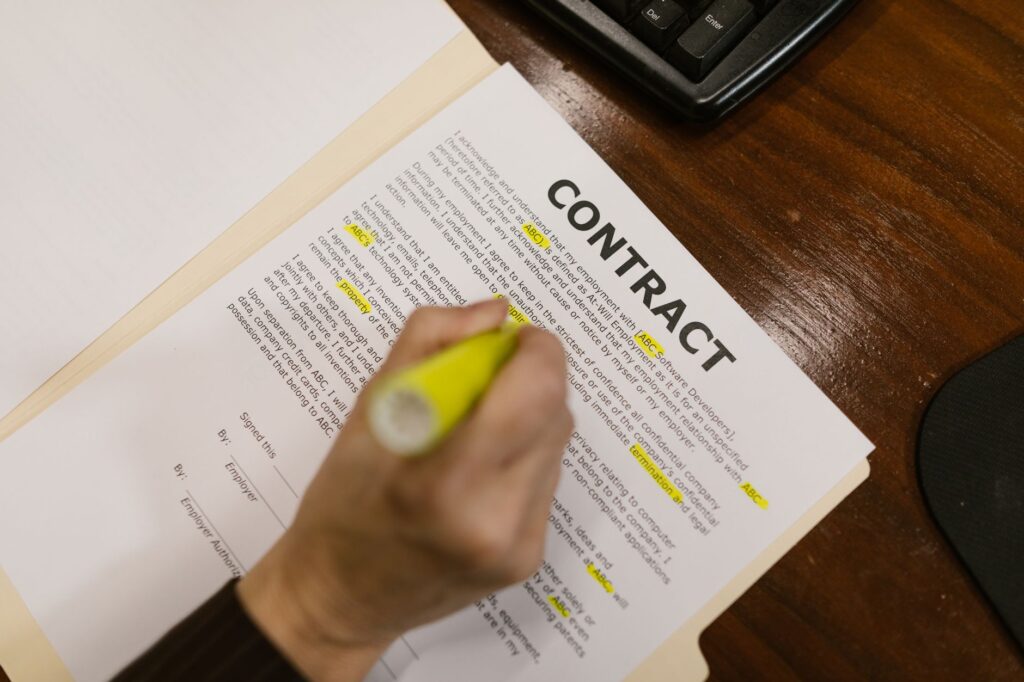
Underestimating Damages: A Common Personal Injury Claim Mistake
Another frequent issue arises when claimants underestimate the damages they have incurred. Many individuals fail to account for long-term expenses, such as ongoing medical treatment, lost wages, and emotional distress. This underestimation can significantly reduce the compensation you receive and may not cover the true extent of your suffering and losses.
To accurately assess your damages, keep detailed records of all expenses related to your injury, including medical bills, therapy costs, and any lost income. Consulting with a financial expert or a personal injury attorney can also help you calculate your total damages, ensuring you do not fall victim to common personal injury claim mistakes.
Taking the time to verify your information and thoroughly assess your damages will help you navigate the complexities of the claims process more effectively, ultimately enhancing your chances of a successful outcome. For more insights on avoiding common pitfalls, consider consulting Common Mistakes in Injury Claims to Avoid.
Personal Injury Claim Mistakes to Avoid
Mistakes in Filing Injury Claim: Ignoring Legal Representation
One of the most significant personal injury claim mistakes individuals make is choosing to forgo legal representation. Many believe they can handle the complexities of their claim alone, but this can lead to severe consequences. Without the guidance of an experienced attorney, you may overlook essential details, miss deadlines, or fail to gather crucial evidence. This can ultimately weaken your case and result in less compensation than you deserve. According to the American Bar Association, individuals who hire lawyers are statistically more likely to receive larger settlements compared to those who do not.
Consulting with a legal professional early in the process can help you identify the strengths and weaknesses of your case. A knowledgeable attorney will guide you through the maze of paperwork, negotiations, and litigation, allowing you to focus on your recovery while they handle the legal intricacies.
Accepting Early Settlement Offers: A Common Mistake in Filing Injury Claims
Another common pitfall involves accepting early settlement offers from insurance companies. Initially, these offers may seem appealing, especially when financial pressures mount. However, they often undervalue the true cost of ongoing medical treatments, lost wages, and pain and suffering. Accepting a quick offer may leave you without adequate compensation to cover your long-term needs.
Before agreeing to any settlement, evaluate the offer carefully. Consider whether it accounts for all current and future expenses related to your injury. It’s advisable to seek legal advice to ensure you fully understand your claim’s value and the potential ramifications of accepting an early offer. An attorney can help negotiate a fair settlement that reflects the true extent of your damages, mitigating the risk of filing injury claim errors.

Avoiding these injury claim pitfalls can significantly impact the outcome of your personal injury case. By securing legal representation and thoroughly assessing settlement offers, you can navigate the claim process more effectively and protect your rights.
For more information on common mistakes in filing an injury claim and how to avoid them, consider consulting with an experienced attorney who can provide personalized guidance tailored to your unique situation. Top Mistakes in Injury Claim Calculation to Avoid
Actionable Steps to Ensure a Successful Injury Claim
To avoid common mistakes in filing injury claim, it is essential to take proactive steps in documenting your case and consulting with professionals. By following these actionable steps, you can significantly enhance your chances of a successful claim.
Document Everything
Thorough documentation is critical in any personal injury claim. Keeping detailed records can help substantiate your case and avoid potential filing injury claim errors.
- Accumulate Evidence: Collect photographs of the accident scene, your injuries, and any property damage. This visual evidence can be compelling in negotiations.
- Maintain a Journal: Document your pain levels, emotional distress, and any impact on daily activities. This can illustrate the extent of your injuries and their effects on your quality of life.
- Record Medical Information: Keep copies of all medical records, bills, and treatment plans. This documentation will be pivotal in establishing the extent of your injuries and related costs.
- Track Communication: Maintain a record of all correspondence related to your claim, including emails and letters from insurance companies, witnesses, and any involved parties.
Avoid Common Mistakes in Filing Injury Claim Through Professional Consultation
Consulting with professionals is another crucial step to steer clear of personal injury claim mistakes. A legal expert can provide the guidance necessary to navigate the complexities of your claim.
- Engage a Personal Injury Attorney: A qualified attorney can help you understand your rights and the legal process. They can also assist in negotiating with insurance companies, preventing you from being undervalued.
- Consult Medical Professionals: Regular visits to your healthcare provider not only aid in your recovery but also ensure that your medical documentation is complete. This documentation is vital for your claim.
- Prepare for Consultations: Before meeting with professionals, prepare an outline of your case, including key incidents, evidence collected, and questions you have. This will make your consultations more productive.
By following these steps, you can significantly reduce the risk of encountering injury claim pitfalls and improve your chances of a successful outcome. Remember, taking the time to document your case thoroughly and seek professional advice can make all the difference in your injury claim process.

Understanding the common mistakes in filing injury claim can significantly impact the outcome of your case. By being aware of potential injury claim pitfalls, such as failing to gather sufficient evidence or missing deadlines, you can avoid costly filing injury claim errors that may jeopardize your compensation. Taking the time to educate yourself on these personal injury claim mistakes empowers you to navigate the claims process more effectively.
As you move forward, consider consulting with a qualified attorney who can help you identify and avoid these common mistakes in filing injury claim. With their guidance, you can ensure that your claim is well-prepared and increases your chances of a successful resolution. Don’t hesitate to take this essential step in protecting your rights and securing the compensation you deserve.
“`html
What are common mistakes in filing an injury claim?
Common mistakes in filing an injury claim include failing to document injuries properly, missing deadlines for filing claims, and not gathering sufficient evidence. Additionally, some claimants underestimate the value of their claims or accept low settlement offers too quickly. Ignoring medical advice or treatment can also weaken your case. These errors can significantly impact the outcome of your claim, so being aware of them is crucial.
How can I avoid injury claim pitfalls?
To avoid injury claim pitfalls, start by documenting every detail related to the incident and your injuries. Always seek medical attention and follow up on treatment. Understand the deadlines for filing claims in your jurisdiction and stick to them. It is also advisable to consult with an attorney who specializes in personal injury cases to navigate the complexities of your claim and ensure you do not overlook important aspects.
What are the filing injury claim errors to watch out for?
Filing injury claim errors often include failing to report the incident to authorities, neglecting to collect witness statements, and not keeping track of medical expenses. Additionally, some claimants may provide inconsistent statements or lack proper insurance information. These errors can jeopardize your claim and lead to denied compensation, so thorough preparation is essential.
What personal injury claim mistakes should I be aware of?
Be aware of personal injury claim mistakes such as not seeking timely medical treatment, which can undermine your claim’s legitimacy. Additionally, sharing too much information on social media can harm your case, as insurance companies often monitor these platforms. Underestimating the long-term effects of your injuries and settling early for less than what you deserve are also significant pitfalls to avoid.
How does documentation affect my injury claim?
Documentation is crucial in supporting your injury claim. It provides evidence of the incident, your injuries, and the subsequent medical treatments received. Records such as medical bills, police reports, and witness statements can significantly strengthen your case. Inadequate documentation may lead to disputes over the legitimacy of your claim and the compensation you seek, making it essential to gather and maintain accurate records throughout the process.
Should I hire an attorney for my injury claim?
Hiring an attorney for your injury claim is highly advisable, especially if the case is complex or the potential compensation is significant. An experienced attorney can help you navigate the legal system, avoid common mistakes in filing injury claim, and negotiate effectively with insurance companies. They can also ensure that all necessary documentation is in order, increasing your chances of a favorable outcome.
“`