
The factors affecting injury claim settlement can significantly impact the outcome of any personal injury case. When evaluating your claim, understanding these influencing elements is crucial for determining your potential settlement amount. Various personal injury factors, including the severity of the injury, medical expenses, lost wages, and the emotional distress experienced, play a vital role in assessing the overall injury claim value. This article will delve into the key considerations that affect settlement amounts, including how to properly evaluate your injury claim and strategies to maximize your compensation. Additionally, we will explore the intricate processes involved in navigating your claim, helping you make informed decisions every step of the way. Whether you are just beginning your claim journey or are in the settlement negotiation phase, understanding these factors can empower you to advocate effectively for your rights. For further insights into personal injury claims, consider visiting Nolo and LegalMatch.
Understanding the Factors Affecting Injury Claim Settlement
An injury claim is a legal demand for compensation made by an individual who has suffered harm due to another party’s negligence or intentional actions. Understanding the factors affecting injury claim settlement is crucial for claimants seeking adequate compensation for their losses. These factors can substantially influence the settlement amount, making it essential for individuals to be well-informed about how their claims are evaluated.
The Role of Medical Evidence
Medical evidence plays a pivotal role in establishing the extent of injuries sustained and their impact on the claimant’s life. Comprehensive medical documentation, including treatment records, diagnostic tests, and expert opinions, is vital in substantiating the injury claim value. Insurers often scrutinize this evidence to assess the severity and permanence of the injuries, which can significantly affect the settlement amount. Claimants should ensure that they have all relevant medical records and, if necessary, obtain expert testimony to support their claims.
Impact of Liability and Negligence
The determination of liability is another key personal injury factor influencing the factors affecting injury claim settlement. If the injured party is found to be partially at fault, the settlement may be reduced according to comparative negligence laws in their jurisdiction. Understanding how negligence is evaluated can help claimants navigate their cases more effectively. It is essential to gather evidence that clearly demonstrates the other party’s fault, as this can enhance the chances of a favorable settlement.
By focusing on these critical areas, claimants can better prepare themselves for negotiations and improve their chances of receiving a fair settlement.
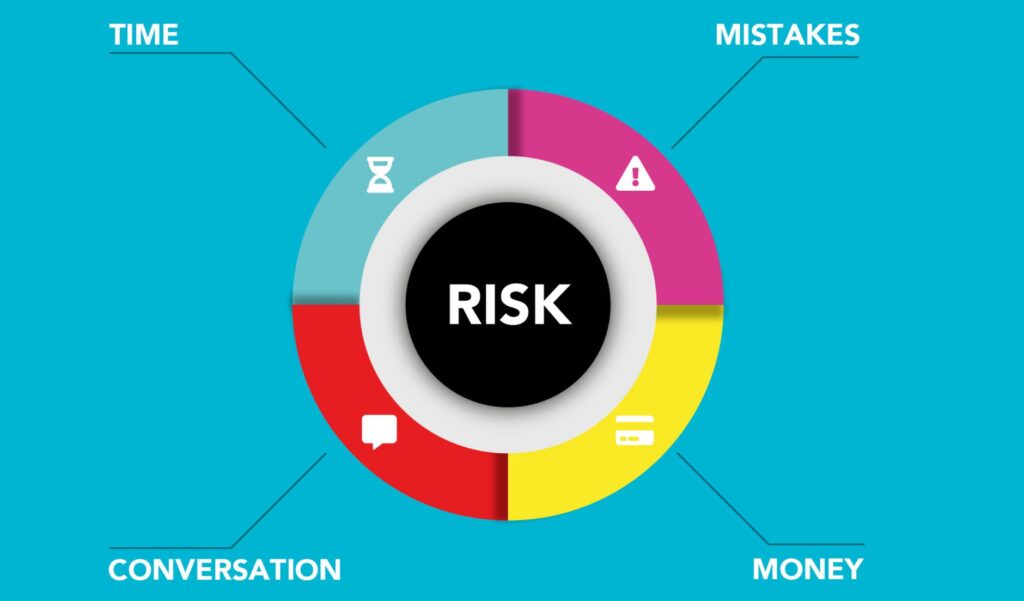
Personal Injury Factors That Influence Settlement Amount
Severity of Injuries
One of the most significant factors affecting injury claim settlement is the severity of the injuries sustained. More serious injuries typically lead to higher compensation amounts. For instance, catastrophic injuries such as spinal cord damage or traumatic brain injuries often result in extensive medical treatment, rehabilitation, and long-term care, which can escalate medical expenses significantly. According to the Centers for Disease Control and Prevention, the lifetime cost for a person with a traumatic brain injury can exceed $1 million, adding considerable weight to the injury claim value.
In contrast, less severe injuries, such as minor sprains or bruises, may yield lower settlement amounts due to reduced medical costs and less impact on the claimant’s daily life and work capabilities. This relationship between injury severity and settlement amount is crucial for claimants to understand as they prepare their cases.
Long-term Impact on Quality of Life
Another critical aspect of personal injury factors is the long-term impact of the injury on the claimant’s quality of life. Injuries that result in chronic pain, disability, or the inability to work can dramatically affect a person’s lifestyle and mental well-being. Insurance companies often evaluate how an injury will affect a claimant’s future earning potential and overall quality of life. For example, a study published in the National Institutes of Health emphasizes that individuals with long-term disabilities may face a 60% reduction in their income potential.
Claimants should gather comprehensive documentation regarding their injuries, treatment plans, and lifestyle changes to substantiate their claims. By effectively demonstrating how their injuries impact their current and future lives, they can better argue for a settlement that reflects the true cost of their suffering, thereby maximizing their injury claim value.

Understanding these personal injury factors is essential for anyone pursuing a claim. By focusing on the severity of injuries and the long-term impact on quality of life, claimants can better navigate the complexities of the settlement process and advocate for a fair compensation amount.
Evaluating Your Injury Claim Value: Key Considerations
Economic vs. Non-economic Damages
When evaluating your injury claim value, it’s essential to distinguish between economic and non-economic damages. Economic damages are tangible costs that can be easily quantified, such as medical bills, rehabilitation expenses, and lost wages due to the inability to work. According to the National Law Review, these costs can often be documented through receipts and pay stubs, making them relatively straightforward to calculate.
On the other hand, non-economic damages encompass more subjective elements, including pain and suffering, emotional distress, and loss of enjoyment of life. These damages are often more challenging to quantify, as they rely on individual experiences and perceptions of the injury’s impact on daily life. Courts often use various methods, such as a multiplier of economic damages or per diem calculations, to establish a fair value for these claims.
The Role of Insurance Companies and Factors Affecting Injury Claim Settlement
Insurance companies play a significant role in determining the settlement amount for injury claims. Their assessment process typically involves evaluating both the economic and non-economic damages presented in a claim. Insurance adjusters will consider factors such as the extent of the injuries, the clarity of liability, and the overall impact on the claimant’s life. They may also reference past settlement amounts for similar cases as part of their evaluation process.
Moreover, the policies of insurance companies can influence the final settlement amounts significantly. Some insurers may have caps on certain types of damages or may prioritize quick settlements over thorough evaluations. It’s crucial for claimants to understand these dynamics and how they relate to the factors affecting injury claim settlement. By being informed, you can better negotiate and advocate for a settlement that accurately reflects your injury claim value.

How to Maximize Your Settlement Amount
Importance of Legal Representation
One of the key factors affecting injury claim settlement is the quality of legal representation. Hiring a qualified personal injury attorney can significantly influence your settlement amount. Attorneys possess the expertise to navigate the complexities of personal injury law, ensuring that you don’t overlook any critical elements that could bolster your case. They can help you gather essential documentation, such as medical records, police reports, and witness statements, which are vital for establishing the injury claim value.
Moreover, a skilled attorney can accurately assess the full extent of your damages, including both economic and non-economic losses. This comprehensive evaluation is crucial, as it allows you to present a more compelling case to the insurance company or during negotiations. According to a study by the Insurance Journal, individuals represented by attorneys tend to receive settlements that are significantly higher than those who navigate the claims process alone.
Negotiation Strategies
Effective negotiation is another critical component in maximizing your settlement amount. Begin by thoroughly preparing your case, ensuring you have all relevant documentation and evidence supporting your claims. This includes medical bills, lost wages, and any other related expenses. When negotiating, consider the following strategies:
- Know Your Worth: Understand the full scope of your damages, including both tangible and intangible losses. This knowledge will give you a solid foundation when discussing your settlement.
- Be Realistic: While it’s important to aim high, be realistic about your expectations. Research similar cases to gauge likely settlement amounts.
- Stay Calm and Professional: Emotions can cloud judgment. Approach negotiations with a level head and a professional demeanor.
- Be Prepared to Counter Offer: The initial offer from the insurance company is often lower than what you deserve. Prepare to make a counteroffer that reflects your assessment of the injury claim value.
Utilizing these negotiation strategies, along with strong legal representation, can greatly enhance your chances of securing a favorable outcome. By understanding the personal injury factors at play and advocating effectively for your needs, you can work towards maximizing your settlement amount.

Conclusion: Navigating Your Claim Process
Understanding the factors affecting injury claim settlement is crucial for anyone looking to secure a fair settlement amount for their personal injury. Throughout the claims process, several key elements can influence your injury claim value, including the severity of your injuries, the clarity of liability, and the quality of your documentation.
To effectively navigate your claim, it is essential to gather all necessary documentation. This includes medical records, accident reports, witness statements, and any correspondence related to your injury. Comprehensive documentation not only strengthens your case but also helps establish the extent of your damages, which can significantly affect your settlement amount.
Additionally, seeking professional advice can greatly enhance your chances of receiving a favorable outcome. An experienced personal injury attorney can guide you through the complexities of the legal process, ensuring that you understand all the personal injury factors that may impact your claim. They can also assist in accurately assessing your injury claim value and negotiating with insurance companies on your behalf.
Ultimately, being well-prepared and informed about the factors affecting injury claim settlement will empower you to make better decisions throughout your claim process. By taking the right steps, you can maximize your chances of achieving a settlement that truly reflects your needs and losses.

Understanding the factors affecting injury claim settlement is essential for anyone navigating the complexities of personal injury cases. Elements such as the severity of injuries, medical expenses, lost wages, and the impact on quality of life play significant roles in determining the settlement amount. Each case is unique, and a thorough evaluation of these personal injury factors can lead to a more accurate assessment of the injury claim value.
As you prepare for negotiations or discussions with insurance companies, consider consulting with a legal professional who specializes in personal injury claims. They can provide invaluable guidance tailored to your specific situation, ensuring that you understand all the factors affecting injury claim settlement. Taking this step will empower you to make informed decisions and advocate effectively for the compensation you deserve.
“`html
What factors influence the amount of my injury claim?
The amount of your injury claim is influenced by various factors, including the severity of your injuries, medical expenses, lost wages, and the impact on your quality of life. Additionally, liability and the insurance policy limits of the responsible party also play critical roles. Understanding these factors affecting injury claim settlement can help you gauge potential outcomes.
How does medical evidence affect my settlement amount?
Medical evidence is crucial in establishing the extent and impact of your injuries. Comprehensive medical records, diagnoses, treatment plans, and expert testimony can significantly bolster your case. Strong medical evidence not only validates your claims but also influences the insurance companies’ assessment of your settlement amount. The clearer the evidence, the better your chances of achieving a favorable outcome.
What are the personal injury factors that matter most?
Key personal injury factors include the degree of negligence involved, the nature and severity of your injuries, your age, and your overall health prior to the incident. Additionally, the emotional and psychological impacts of your injuries can affect the case. These factors come together to determine how much your injury claim might be worth in a settlement.
Can the severity of my injuries increase my claim value?
Yes, the severity of your injuries can greatly influence your claim value. More serious injuries typically lead to higher medical costs, longer recovery times, and greater emotional distress, all of which can increase the settlement amount. Insurance companies often take these factors into account when evaluating claims, making it essential to document all aspects of your injuries thoroughly.
What role do insurance companies play in settlement amounts?
Insurance companies play a pivotal role in determining settlement amounts. They assess claims based on the evidence provided, evaluate the extent of liability, and consider policy limits. Their goal is often to minimize payouts, so having strong documentation and representation can be crucial. Understanding how they evaluate factors affecting injury claim settlement can help you navigate the process more effectively.
How can I maximize my personal injury settlement?
To maximize your personal injury settlement, gather extensive evidence, including medical records, witness statements, and expert opinions. Consult with a personal injury attorney who understands the nuances of your case and can negotiate effectively with insurance companies. Additionally, keep detailed records of all expenses and losses related to your injury, as this information is vital for calculating the full extent of your claim value.
“`