
Understanding injury settlement examples is crucial for anyone navigating the complexities of personal injury claims. This article delves into real case studies that illustrate various injury settlement examples, providing insights into the factors that influence payout ranges. By analyzing these real-world situations, we aim to equip you with the knowledge needed to assess your own case and the potential outcomes you might expect. Additionally, we will offer practical tips for maximizing your injury settlement, ensuring you are well-prepared to advocate for your rights. The importance of knowing your settlement options cannot be overstated, as it empowers you to make informed decisions during a challenging time. Whether you are dealing with a minor injury or a more serious situation, understanding the landscape of settlements can significantly impact your recovery process.
Understanding Injury Settlement Examples
What is an Injury Settlement?
An injury settlement is a financial agreement reached between an injured party and the responsible party or their insurance company, typically following an accident or incident that resulted in harm. These settlements aim to compensate the injured individual for various damages, including medical expenses, lost wages, and emotional distress. Understanding the nuances of injury settlement examples can provide valuable insight into what one might expect when pursuing compensation.
Common Factors Affecting Settlement Amounts
The amount awarded in an injury settlement can vary significantly based on several key factors. Here are some of the most important considerations:
- Medical Expenses: The cost of medical treatment directly impacts the settlement amount. This includes hospital bills, rehabilitation costs, and any future medical care that may be necessary.
- Lost Wages: If the injury has affected your ability to work, lost wages will factor into the settlement. This includes both current and potential future earnings.
- Pain and Suffering: Non-economic damages like pain and suffering can also play a critical role in determining the settlement. Insurance companies often assess these damages based on the severity of the injury and its impact on the victim’s life.
- Liability: The degree of fault assigned to each party involved can influence the settlement amount. A higher percentage of liability on the responsible party’s side typically leads to a larger settlement.
Understanding these factors is essential when examining injury settlement examples. By analyzing case studies and payout ranges, individuals can better prepare for their negotiations and develop realistic expectations regarding their compensation.

Real Case Studies: Injury Settlement Examples
Case Study 1: Car Accident
In a recent car accident case, a 35-year-old woman was rear-ended while stopped at a traffic light. She suffered whiplash and a concussion, leading to significant medical expenses and lost wages. The insurance company initially offered $10,000, but after negotiations, the final settlement reached $50,000. The key factors contributing to the higher payout included the severity of her injuries, the necessity for ongoing treatment, and the clear liability of the other driver. This case illustrates how injury settlement examples can vary significantly based on individual circumstances.
Case Study 2: Workplace Injury
A construction worker, aged 28, fell from scaffolding, resulting in a fractured leg and multiple weeks of rehabilitation. His employer’s insurance initially estimated the payout at $30,000. After reviewing the long-term impacts on his ability to work, including lost earnings and pain and suffering, the final settlement was negotiated to $75,000. This case exemplifies how the nature of employment and the potential for future earnings loss can influence the payout ranges for workplace injuries.
Case Study 3: Slip and Fall
In a slip and fall incident at a grocery store, a 50-year-old man sustained a torn ligament in his knee. The store’s lack of proper signage and maintenance was evident, establishing their liability. The initial settlement offer was $15,000, but after presenting medical records and evidence of the store’s negligence, the case was settled for $60,000. This case highlights how premises liability can significantly affect injury settlement examples based on the establishment’s responsibility and the extent of the injuries sustained.

Each of these case studies demonstrates the variability in injury settlement amounts, influenced by factors such as the severity of injuries, medical costs, lost wages, and the degree of liability. Understanding these elements can assist individuals in navigating their own injury claims effectively.
Analyzing Payout Ranges for Different Types of Injuries
Common Injury Types and Their Settlements
When evaluating injury settlement examples, it’s crucial to understand the various types of injuries and their corresponding payout ranges. Common injuries can be categorized into three primary groups: soft tissue injuries, fractures, and catastrophic injuries.
- Soft Tissue Injuries: These include sprains, strains, and whiplash. Settlements typically range from $2,000 to $15,000, depending on severity and treatment duration. According to a study by Nolo, the average payout for soft tissue claims is around $10,000.
- Fractures: More severe than soft tissue injuries, fractures often result in higher settlements, ranging from $15,000 to $100,000. The nature of the fracture and the recovery time significantly impact the final settlement amount. The National Institutes of Health notes that fractures requiring surgery can lead to settlements upwards of $50,000.
- Catastrophic Injuries: These include spinal cord injuries, traumatic brain injuries, and amputations. Due to their life-altering consequences, settlements can reach $1 million or more. The American Association for Insurance Medicine reports that catastrophic injury cases often have payouts averaging between $500,000 and $2 million.
Understanding Payout Ranges in Injury Settlement Examples
Recognizing the nuances of payout ranges is essential for anyone navigating the complexities of personal injury claims. Each case is unique, influenced by factors such as medical expenses, lost wages, and pain and suffering. By reviewing injury settlement examples and case studies, claimants can gain valuable insights into potential compensation amounts and the factors affecting their claims.
Understanding these ranges not only prepares individuals for what to expect but also empowers them to negotiate effectively with insurance companies. For a deeper dive into this topic and to explore real-world scenarios, consider reviewing additional resources on personal injury settlements.

Tips for Maximizing Your Injury Settlement
Collecting Evidence for Injury Settlement Examples
One of the most crucial steps in maximizing your injury settlement is the collection of compelling evidence. This includes gathering medical records, accident reports, photographs of injuries, and witness statements. Documenting the extent of your injuries not only strengthens your case but also provides a clear picture of how the accident has affected your life. For example, if you have to miss work due to your injuries, obtaining documentation from your employer regarding lost wages can significantly impact your settlement.
Additionally, maintaining a journal detailing your recovery process can be beneficial. This log should include notes on pain levels, emotional struggles, and any limitations you face in daily activities. Such firsthand accounts can be pivotal in illustrating the impact of your injuries during negotiations or court proceedings. Research shows that cases with comprehensive evidence can lead to higher payouts, as seen in various payout ranges for similar incidents.
Working with Legal Professionals on Injury Settlement Examples
Engaging experienced legal counsel can make a significant difference in the outcome of your case. A knowledgeable attorney will guide you through the complex legal landscape, helping you understand the nuances of injury settlement examples from past case studies. They can provide insights into what constitutes a fair settlement based on the specifics of your case and their familiarity with local laws.
Your attorney can also assist in negotiating with insurance companies, who often aim to minimize payouts. With their expertise, you can ensure that all elements of your claim are accounted for, from medical expenses to pain and suffering. Ultimately, having legal representation increases your chances of achieving a settlement that reflects the true extent of your losses.
Summary of Steps to Maximize Your Injury Settlement
- Collect and organize all relevant evidence, including medical records and witness statements.
- Document your injuries and their impact on your daily life.
- Consult with a qualified attorney to understand your rights and potential settlement amounts.
- Be prepared to negotiate and advocate for your needs during the settlement process.
By following these steps and leveraging the insights gained from injury settlement examples, you can significantly improve your chances of obtaining a favorable settlement that adequately compensates you for your injuries.

Conclusion: The Importance of Knowing Your Settlement Options
Understanding injury settlement examples is crucial for anyone navigating the complexities of personal injury claims. Each case is unique, influenced by factors such as the nature of the injury, medical expenses, lost wages, and emotional distress. Familiarizing yourself with various payout ranges can provide valuable insight, helping claimants set realistic expectations for their settlements.
The implications of these examples extend beyond mere numbers; they inform strategic decisions throughout the claims process. By reviewing case studies of similar incidents, potential claimants can gain a clearer picture of what to anticipate and how to effectively communicate their needs to insurance adjusters or legal representatives. This knowledge empowers individuals, equipping them with the tools to negotiate better outcomes.
It’s essential to consider your specific circumstances when assessing potential settlement options. Factors such as jurisdiction, the severity of the injury, and long-term effects can greatly influence the resolution of a claim. Moreover, seeking professional advice from experienced attorneys can significantly enhance your understanding of the legal landscape and available options. Legal experts can provide tailored guidance, helping you navigate the complexities of your case and maximize your chances for a favorable settlement.
Ultimately, knowing your injury settlement options can be the difference between a satisfactory resolution and a missed opportunity for fair compensation. Take the time to educate yourself about injury settlement examples, and consult professionals who can offer tailored insights and support. Your future wellbeing may depend on it.
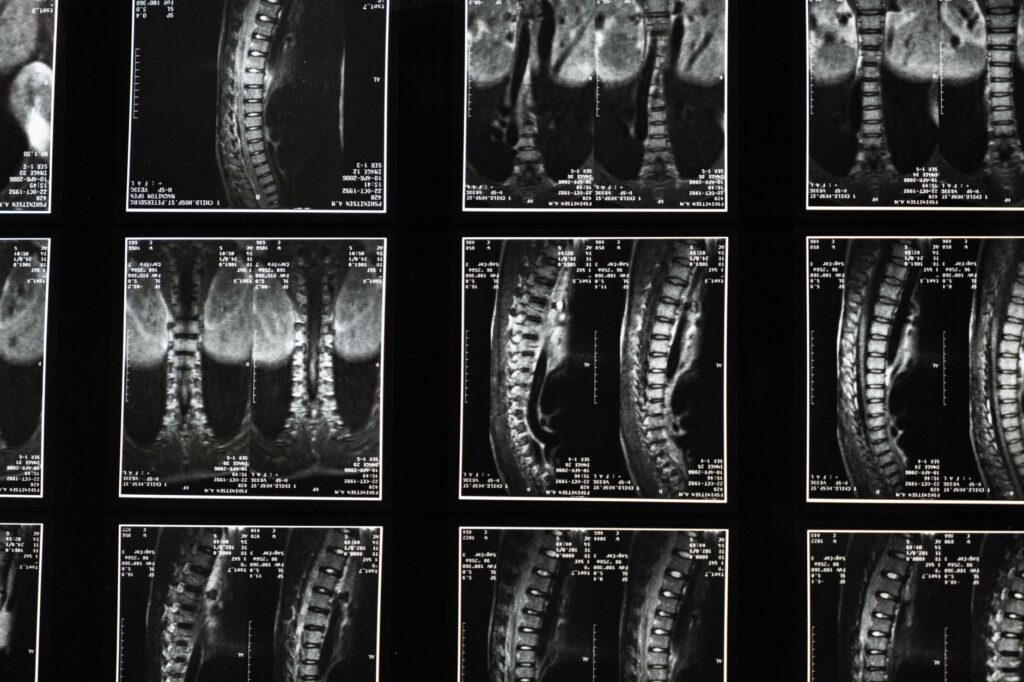
Understanding injury settlement examples is essential for anyone navigating the complexities of personal injury claims. By examining various case studies, you can gain insight into the factors that influence payout ranges and the potential compensation you may receive. These examples not only illustrate the diverse outcomes possible but also highlight the importance of tailored legal strategies in achieving favorable results.
As you explore your options, consider consulting with a qualified attorney who can guide you through the intricacies of your case. They can help you evaluate your specific circumstances and provide a clearer picture of what you might expect in terms of settlement amounts. Taking this step can significantly impact your journey toward obtaining the compensation you deserve.
“`html
What are typical injury settlement amounts?
Typical injury settlement amounts can vary widely depending on several factors, including the severity of the injury, medical expenses, and lost wages. Generally, settlements can range from a few thousand dollars for minor injuries to six or seven figures for catastrophic injuries. It’s important to look at specific injury settlement examples to get a better understanding of what might be expected in your case.
How are injury settlements calculated?
Injury settlements are typically calculated by assessing both economic and non-economic damages. Economic damages include medical bills, lost income, and other financial losses. Non-economic damages encompass pain and suffering, emotional distress, and loss of enjoyment of life. Insurance companies often consider these factors in conjunction with case studies and past payout ranges to determine a fair settlement amount.
What factors influence injury settlement examples?
Several factors can influence injury settlement examples, including the nature and extent of the injuries, the clarity of liability, and the impact on the victim’s life. Other considerations include the jurisdiction, quality of evidence, and the skill of legal representation. Each case is unique, so it’s essential to evaluate these elements carefully to understand potential outcomes.
Can I negotiate my injury settlement?
Yes, you can negotiate your injury settlement. After an initial offer is made by the insurance company, you have the right to counter it. Negotiation may involve presenting additional evidence, medical documentation, or expert opinions to support your claim. Having a skilled attorney can significantly improve your chances of achieving a favorable settlement through effective negotiation strategies.
What should I include in my injury settlement claim?
Your injury settlement claim should include comprehensive documentation of your injury and its effects. This typically involves medical records, bills, proof of lost wages, and any evidence supporting your claim, such as photographs or witness statements. Additionally, a detailed narrative explaining how the injury has impacted your life can strengthen your case and clarify your needs for compensation.
How long does it take to receive an injury settlement?
The time it takes to receive an injury settlement can vary based on factors like the complexity of the case and how quickly negotiations proceed. Generally, settlements can take anywhere from a few months to several years. Factors such as gathering evidence, negotiating with insurance companies, and court timelines all play a role in determining how long the process will take.
“`