
The use of an injury claim calculator can be a helpful tool for assessing potential compensation after an accident, but many people make common mistakes injury claim calculator users often overlook. These missteps can lead to settlement miscalculations that may significantly undervalue or overestimate a claim. This article will explore the typical personal injury mistakes that individuals encounter when using these calculators, emphasizing the importance of accuracy in the claims process. We will also discuss how to avoid claim calculator errors and when it is advisable to consult a legal professional for guidance. Understanding these common pitfalls can help you navigate the complexities of personal injury claims more effectively, ensuring you receive a fair settlement. For those interested in further reading, resources such as the Nolo Guide to Personal Injury Claims provide valuable insights into the claims process. Let’s delve into the common mistakes injury claim calculator users make and how to avoid them.
Common Mistakes Injury Claim Calculator Users Make
Neglecting Comprehensive Data Input
One of the most prevalent mistakes injury claim calculator users make is neglecting to input comprehensive data. These calculators often require detailed information regarding medical expenses, lost wages, and other related costs to provide an accurate estimate. When users fail to include all relevant figures, they risk significant claim calculator errors that can lead to unrealistic expectations about their potential settlements.
For instance, if a user omits ongoing medical treatment costs or the full extent of lost wages, the calculator might yield a lower settlement figure than what is actually warranted. This oversight can result in settlement miscalculations that negatively impact the claimant’s financial recovery. It’s critical to gather all necessary documentation and data before utilizing an injury claim calculator to ensure the best possible outcome.
Overlooking Unique Case Factors
Another common issue arises when users overlook unique case factors that could significantly influence their claims. Personal injury mistakes often occur when individuals do not account for specific circumstances such as the severity of injuries, the impact on quality of life, or potential future medical needs. For example, a user with a chronic injury may require long-term care, which should be considered in the calculation.
Additionally, factors like the jurisdiction in which the claim is filed can play a crucial role in determining eligibility for damages. Failing to recognize these elements can lead to misleading results from an injury claim calculator, ultimately affecting the strategy for pursuing compensation. To avoid these mistakes injury claim calculator users make, it is advisable to consult with a legal professional who can provide insights tailored to individual circumstances.
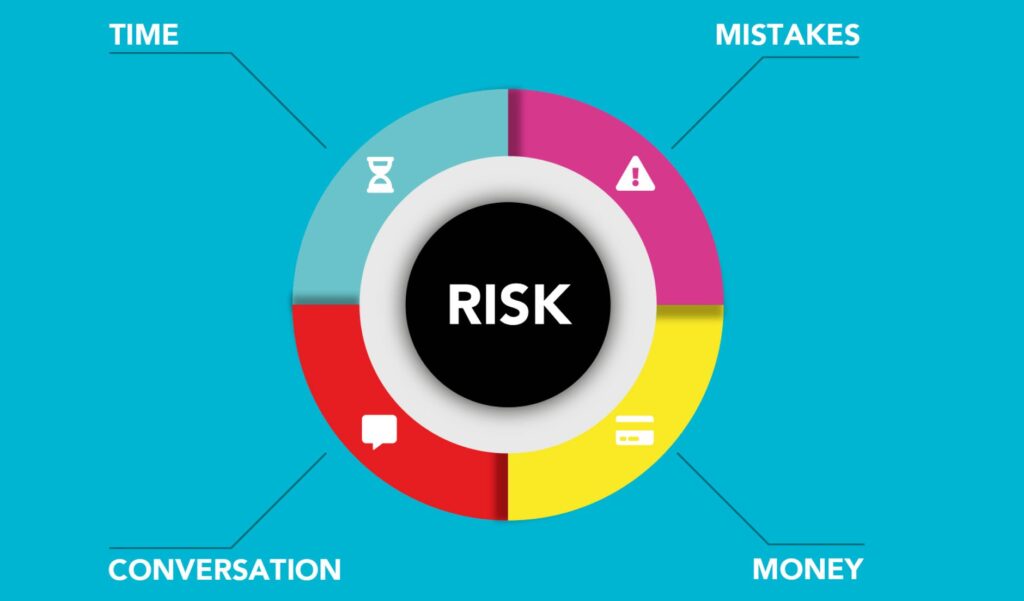
Understanding Settlement Miscalculations
Mistakes Injury Claim Calculator Users Make When Estimating Damages
One of the most significant personal injury mistakes individuals make when using an injury claim calculator is misestimating damages. This miscalculation can lead to substantial settlement miscalculations, affecting the financial compensation you receive. Accurately assessing your damages involves considering not only current medical costs but also future expenses related to ongoing treatment. For instance, if you suffered a serious injury, you may require long-term therapy or specialized care, which can be costly.
Moreover, lost wages are another critical component often overlooked in calculators. Many users fail to account for future lost earnings due to their inability to work or diminished earning capacity. According to the Bureau of Labor Statistics, the average time off work due to injury can extend months, impacting your financial situation significantly.
Ignoring Future Impacts of Personal Injury Mistakes
Another common error is neglecting the potential long-term effects of emotional distress and mental health issues stemming from the injury. These factors can impact not only your quality of life but also your earning potential. A comprehensive damage assessment should include a projection of how your injury may affect you both physically and emotionally in the years to come.
To minimize claim calculator errors, it is essential to gather all relevant documentation, including medical records, pay stubs, and expert opinions. This comprehensive approach helps ensure that your injury claim calculator provides a more accurate estimate of your potential settlement. By addressing both current and future implications of your injury, you can better navigate the complexities of your claim and avoid the pitfalls associated with miscalculations.

How to Avoid Claim Calculator Errors
Using an injury claim calculator can be a useful tool for estimating potential compensation. However, many individuals fall victim to mistakes injury claim calculator tools can produce. To ensure you arrive at a more accurate assessment of your personal injury claim, consider the following strategies.
Double-Check Your Inputs
The first step in avoiding claim calculator errors is to meticulously verify the information you enter. Common personal injury mistakes often stem from simple input errors, such as:
- Incorrect accident dates
- Wrong medical expenses
- Inaccurate lost wage calculations
Before finalizing your calculations, take a moment to review all data points. Cross-reference your inputs with medical bills, pay stubs, and police reports. This diligence may prevent substantial settlement miscalculations that could affect your claim’s outcome.
Utilize Multiple Calculators to Avoid Mistakes Injury Claim Calculator
Relying solely on one injury claim calculator can lead to inaccuracies. Each calculator may use different algorithms or factors to estimate compensation. To enhance the reliability of your estimate, utilize multiple calculators. Compare the results to identify any significant discrepancies.
By aggregating data from various sources, you can get a more rounded view of what to expect. Websites like Nolo and FindLaw offer calculators that provide different perspectives on potential settlements. This approach minimizes the risk of calculator errors and gives you a better foundation for your claim.
Ultimately, being proactive and thorough in your calculations can save you from common pitfalls. By double-checking your inputs and utilizing multiple calculators, you can avoid the mistakes injury claim calculator tools commonly lead to.

When to Consult a Legal Professional
Recognizing Complex Cases and Mistakes Injury Claim Calculator
While injury claim calculators can provide useful estimates, they are not foolproof. Certain scenarios may require the expertise of a legal professional. For instance, if your case involves multiple parties, complex medical conditions, or significant long-term implications, relying solely on a calculator can lead to claim calculator errors and inaccurate assessments of your potential settlement. Additionally, if there are disputes regarding liability or if you face insurance company tactics that downplay your claim’s value, consulting an attorney becomes essential.
Personal injury mistakes often arise from misunderstandings of the law or the nuances of your situation. A legal expert can clarify how specific factors, like jurisdictional variations in damages, affect your potential recovery. For example, some states have caps on pain and suffering damages, which a calculator may not account for. Without this insight, you risk falling victim to settlement miscalculations that underestimate your claim’s worth.
The Value of Expert Guidance
Engaging a legal professional offers invaluable benefits, particularly in navigating the complexities of personal injury claims. An attorney can provide tailored advice based on the specifics of your case, ensuring that you understand all aspects of your potential recovery. They can also help gather and present evidence effectively, significantly improving your chances of achieving a fair settlement.
Furthermore, if your case heads to trial, having an experienced attorney by your side is crucial. They will be well-versed in courtroom procedures and can advocate for your rights effectively. In many situations, their expertise can lead to a much higher settlement than what a calculator might suggest, helping you avoid the pitfalls associated with mistakes injury claim calculator tools might introduce.

Ultimately, while calculators serve as a starting point, they should not replace professional legal counsel. If you find yourself in a complicated situation, consider reaching out to a personal injury attorney who can guide you through the intricacies of your claim.
For more information on when to consult a legal professional, visit Avoid These Injury Claim Calculator Mistakes.
Final Thoughts on Mistakes Injury Claim Calculator Users Make
Learning from Common Errors in Injury Claim Calculations
Understanding the mistakes injury claim calculator users often make is essential for achieving a fair settlement. Many individuals who rely on these calculators fail to consider all relevant factors, leading to settlement miscalculations. A common error includes neglecting to account for long-term medical expenses, lost wages, and emotional distress. These overlooked elements can severely impact the final outcome of a claim.
Another frequent issue arises from the misuse of the calculator itself. Users may input incorrect data or misunderstand the terminology, resulting in claim calculator errors. For instance, failing to differentiate between economic and non-economic damages can skew the results significantly. Familiarizing oneself with these common personal injury mistakes can help users avoid pitfalls that could diminish their compensation.
Taking Action for Accurate Claims
To mitigate the risks associated with these mistakes injury claim calculator users make, it is vital to take a proactive approach. Begin by thoroughly documenting all aspects of your injury and its impact on your life. This includes medical records, receipts, and any correspondence related to your case. Additionally, consulting with a personal injury attorney can provide clarity and guidance, ensuring that you are accurately representing your situation.
By being diligent in your calculations and understanding the potential pitfalls, you can enhance your chances of achieving a fair settlement. Remember that a well-informed approach not only protects your interests but also empowers you to navigate the complexities of the claims process effectively.

Understanding the common mistakes injury claim calculator users make can significantly impact your compensation outcomes. By recognizing and avoiding claim calculator errors, you can better navigate the complexities of personal injury claims. It’s essential to approach these tools with a critical mindset, ensuring that you input accurate data to prevent settlement miscalculations that may undervalue your claim.
Take the time to educate yourself about the factors influencing your claim and seek professional advice if needed. Whether you are a first-time claimant or have prior experience, being aware of potential personal injury mistakes can enhance your chances of a favorable settlement. Start by reviewing your case details and using the calculator wisely, ensuring that each figure reflects your unique situation. This proactive approach will help you maximize your compensation and avoid the pitfalls associated with inaccuracies.
“`html
What are common mistakes when using an injury claim calculator?
Common mistakes injury claim calculator users make include not inputting accurate medical expenses, ignoring lost wages, and failing to account for future treatment costs. Additionally, some may underestimate the impact of pain and suffering, which can significantly affect the final settlement amount. Users often overlook specific state laws and guidelines that influence claims, leading to errors in their calculations. Being aware of these pitfalls can help ensure a more accurate estimate.
How can I avoid errors in my injury claim calculator?
To avoid claim calculator errors, start by gathering all relevant documents, such as medical bills, pay stubs, and any evidence related to your injury. Double-check the information you input to ensure accuracy. It’s also beneficial to understand the components that contribute to your claim, including both economic and non-economic damages. Using multiple calculators can also provide different perspectives, which can help confirm your final estimate.
What should I include in my injury claim data?
Your injury claim data should include detailed medical expenses, lost wages, and any future treatment costs you anticipate. Additionally, include information about pain and suffering, emotional distress, and any other non-economic damages. Documentation, such as medical records and witness statements, can also enhance the credibility of your claim. Gathering comprehensive data will provide a clearer picture for your claim calculator and help avoid mistakes injury claim calculator users often make.
Why do settlement miscalculations happen?
Settlement miscalculations often occur due to incomplete information, misinterpretation of damages, or not factoring in long-term impacts of the injury. Many users underestimate non-economic damages like pain and suffering, leading to a lower settlement estimate. Additionally, differences in legal standards or jurisdiction-specific laws can also contribute to inaccuracies. Understanding these factors can help you avoid common personal injury mistakes and improve your claim’s accuracy.
When should I consult a lawyer for my injury claim?
Consulting a lawyer for your injury claim is advisable if your case involves complex legal issues, significant medical expenses, or if an insurance company disputes your claim. A lawyer can provide guidance on how to accurately use an injury claim calculator and help you avoid common mistakes injury claim calculator users make. They can also assist in negotiating a fair settlement and represent your interests in court if necessary.
Can multiple injury claim calculators provide different results?
Yes, multiple injury claim calculators can yield different results due to variations in their algorithms, the factors they consider, and how they interpret your input data. Each calculator may weigh certain aspects of your claim differently, impacting the final estimate. It’s important to use several calculators to get a broader understanding of your potential settlement, which can help mitigate claim calculator errors.
“`