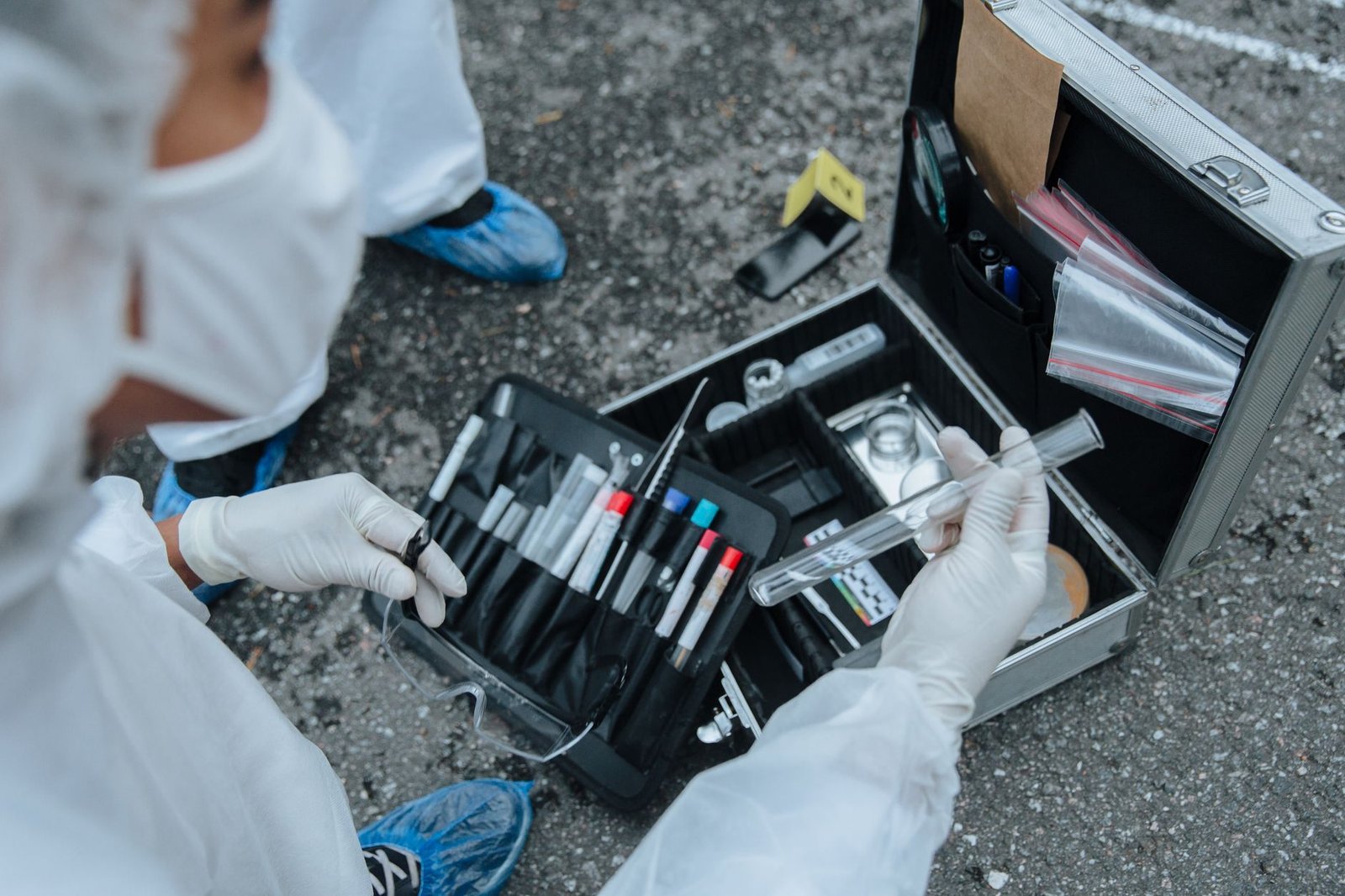
Gathering evidence for injury claim is a critical step in securing the compensation you deserve after an accident. The success of your claim often hinges on the quality and comprehensiveness of the evidence for injury claim that you present. This guide will walk you through the essential aspects of how to support your injury claim effectively. We will explore the importance of collecting proof for claims, providing you with a step-by-step approach to ensuring that your case is solid. Additionally, we will discuss the role of expert testimony, which can significantly bolster your claim’s credibility. Staying organized is another key aspect; we will share tips on managing your evidence for injury claims efficiently. Finally, we will outline the final steps to prepare your evidence for submission to maximize your chances of a successful outcome. By following this complete guide, you can navigate the complexities of gathering evidence for injury claims with confidence.
Understanding the Importance of Gathering Evidence for Injury Claim
Why Evidence Matters
Gathering evidence for injury claims is critical in establishing the validity of your case. Insurance companies and legal entities require robust proof to validate claims, as they often aim to minimize payouts. Evidence serves as the backbone of your claim, helping to demonstrate the extent of your injuries, the circumstances surrounding the incident, and the responsible party’s liability. Without sufficient evidence, your claim may be dismissed or undervalued, which can significantly impact your ability to recover damages.
Types of Evidence to Collect
When considering how to support your injury claim, it is essential to gather a variety of evidence types:
- Medical Records: Documenting your injuries through medical records is crucial. This includes treatment history, diagnostic results, and any prescribed medications. These records validate the severity of your injuries and treatment expenses.
- Witness Statements: Eyewitness accounts can provide an unbiased perspective on the incident. Collecting statements from witnesses can reinforce your account of events and establish liability.
- Accident Reports: Official reports filed by law enforcement or other authorities can serve as essential evidence. They often contain details about the incident, including parties involved and any citations issued.
- Photographic Evidence: Images of the accident scene, injuries, and any damages can help illustrate the circumstances of the event.
- Expert Testimony: In some cases, expert opinions may be necessary to explain medical conditions or the mechanics of an accident.
Collecting proof for claims requires diligence and attention to detail. Ensure you gather all relevant evidence immediately after the incident to avoid losing critical information.

How to Support Your Injury Claim with Comprehensive Proof
Medical Documentation for Gathering Evidence for Injury Claim
One of the most vital elements in gathering evidence for injury claim is medical documentation. Properly organized medical records can substantiate your injuries and treatment process, crucial for your case. Here are actionable steps to collect this necessary proof:
- Obtain Treatment Records: Request copies of all medical records related to your injury. This includes hospital visits, consultations, diagnoses, and treatment plans.
- Collect Bills and Receipts: Keep all invoices for medical expenses incurred, including hospital stays, outpatient therapies, and medications.
- Expert Opinions: If possible, get written statements from medical professionals that describe your injuries, treatment, and any long-term effects. These can provide invaluable support for your claim.
Organizing this documentation will make it easier for your legal team to present a compelling case.

Gathering Witness Statements and Testimonies
Witness statements can significantly enhance the evidence for your injury claim. They provide an outside perspective on the incident and corroborate your account. Here’s how to effectively gather these statements:
- Identify Potential Witnesses: Look for anyone who witnessed the incident, including bystanders or first responders.
- Conduct Interviews: Approach witnesses promptly while their memories are fresh. Ask open-ended questions to gather detailed accounts.
- Obtain Written Statements: After discussing the incident, ask witnesses to provide a signed statement summarizing their observations. This adds weight to your claim.
By diligently collecting proof for claims through medical documentation and witness statements, you can significantly strengthen your case and improve your chances of a successful outcome.
Collecting Proof for Claims: A Step-by-Step Approach
Documenting the Incident
When you find yourself needing to make a claim due to an injury, the first step in gathering evidence for your injury claim is meticulously documenting the incident. This involves collecting detailed information about what occurred, where it happened, and who was involved. Here’s a step-by-step approach:
- Write Down Your Account: As soon as possible, write a detailed narrative of the incident, including the date, time, location, weather conditions, and any other relevant factors.
- Gather Witness Information: If there were any witnesses, collect their names and contact details. This can be crucial for validating your account.
- Obtain Incident Reports: If applicable, request copies of any official reports (e.g., police reports, incident reports from businesses) that document the event.
Photographic Evidence: Gathering Evidence for Injury Claim
One of the most compelling forms of evidence for injury claim is photographic documentation. Photos can vividly illustrate the scene and the extent of your injuries. Here are tips on how to effectively capture this evidence:
- Capture the Scene: Take wide-angle shots of the overall scene to provide context. If it’s an accident scene, include the positioning of vehicles, road signs, and any other pertinent details.
- Focus on Injuries: Photograph your injuries from multiple angles to clearly show their severity. Consider using a ruler or a common object for scale.
- Document Surroundings: Take pictures of relevant surroundings, such as the location of hazards or obstacles that may have contributed to your injury.
These steps are essential in collecting proof for claims. Proper documentation can significantly bolster your case and enhance your chances of a successful claim. Always remember to keep backups of your photos and notes, as they may become vital in supporting your injury claim. 
The Role of Expert Testimony in Your Injury Claim
Expert testimony can be a crucial element in gathering evidence for your injury claim, especially in complex cases where specialized knowledge is required. Whether you are dealing with medical malpractice, product liability, or workplace injuries, expert witnesses can provide insights that are not easily understood by the average person. Their analysis and opinions can help clarify the technical aspects of your claim, making it easier for judges and juries to understand the full picture.
When to Seek Expert Witnesses
It is essential to consider enlisting expert witnesses when your case involves intricate details that require professional insight. For example, if your injury results from a medical procedure, a medical expert can explain the standard of care expected from healthcare providers. Additionally, if the injury involves technical equipment, a specialist in that field can testify about potential defects or improper use. Seeking expert testimony is particularly important when:
- The injury is severe and has long-term implications.
- Liability is contested, requiring detailed analysis.
- Medical or technical jargon is beyond the understanding of a layperson.
How to Find Qualified Experts
Finding the right expert witnesses is critical to supporting your injury claim. Start by consulting with your attorney, who may already have a network of qualified professionals. You can also look for experts through professional associations or academic institutions relevant to your case. When selecting an expert, consider the following:
- Experience in the field related to your injury.
- Previous testimony experience in court.
- Reputation and credibility within the expert’s profession.
By effectively collecting proof for claims through expert testimony, you enhance the validity of your injury claim. Their insights can turn complex medical and technical information into easily digestible evidence for your case.

Staying Organized: Managing Your Evidence for Injury Claims
Creating an Evidence File for Gathering Evidence for Injury Claim
When pursuing an injury claim, staying organized is crucial. One of the first steps is to create an evidence file that will house all relevant documents and proof. This file can be physical or digital, depending on your preference.
Start by categorizing your evidence. Common categories include:
- Medical Records: Include any doctor’s notes, treatment plans, and bills related to your injury.
- Accident Reports: Gather police reports or incident documentation.
- Witness Statements: Collect accounts from anyone who saw the incident.
- Photographs and Videos: Store any visual evidence related to the injury or accident scene.
Label each item clearly and maintain a chronological order. This organization will streamline the process when you need to present your evidence for an injury claim and help you understand how to support your injury claim effectively.
Using Digital Tools for Organization
In today’s digital age, several tools and apps can assist in collecting proof for claims. Consider using:
- Cloud Storage Services: Platforms like Google Drive or Dropbox allow you to store and access files from anywhere.
- Document Scanning Apps: Use apps such as CamScanner or Adobe Scan to digitize physical documents.
- Task Management Tools: Applications like Trello or Evernote can help you track deadlines and organize tasks related to your claim.
By implementing these organizational strategies, you can ensure that all your evidence is easily accessible, making the process of gathering evidence for your injury claim more manageable and efficient.

Final Steps: Preparing Your Evidence for Submission
Reviewing Your Evidence
Once you have gathered evidence for your injury claim, it is essential to review everything you’ve collected carefully. Start by organizing your documents, photographs, and witness statements in a logical manner. Create a checklist to ensure you have all relevant materials, which may include:
- Medical records and bills
- Police reports
- Witness contact information
- Photographs of the accident scene and injuries
- Correspondence related to the claim
Thoroughly review each piece of evidence to confirm its accuracy and relevance. Ensure that all documents are legible, and consider including a brief description of how each item supports your claim. This meticulous organization will bolster your case and facilitate smoother communication with your legal representative.

Consulting with a Legal Professional on Gathering Evidence for Injury Claim
Before submitting your claim, consulting with a legal professional is crucial. An attorney experienced in personal injury cases can provide valuable insights on how to support your injury claim effectively. They can help identify any gaps in your evidence and advise on additional documentation that may strengthen your case. Furthermore, a legal expert can ensure that your evidence is presented clearly and persuasively, adhering to all relevant legal standards.
Taking these final steps will enhance your chances of a successful outcome, making your efforts in collecting proof for claims more impactful. Always remember, the quality of your evidence is as important as the quantity, and professional guidance can make a significant difference in the process.
Effectively gathering evidence for your injury claim is essential for building a strong case. By understanding how to support your injury claim through thorough documentation and credible witness testimonies, you can significantly enhance your chances of a favorable outcome. Remember that collecting proof for claims not only involves physical evidence but also encompasses medical records, photographs, and expert opinions. Each piece of evidence contributes to a comprehensive narrative that substantiates your claim.
As you embark on this process, prioritize organizing your materials and maintaining clear communication with your legal team. The more diligent you are in gathering evidence for injury claim, the better prepared you will be to present your case. Take the next step by reaching out to a legal professional who specializes in injury claims; their expertise can guide you in gathering the necessary evidence and navigating the complexities of your claim effectively.
“`html
What types of evidence are needed for an injury claim?
When gathering evidence for your injury claim, you should focus on medical records, photographs of the accident scene, police reports, and any relevant documents that support your case. Additionally, obtaining receipts for medical expenses and records of lost wages can significantly strengthen your claim. Each piece of evidence plays a vital role in establishing liability and demonstrating the extent of your injuries.
How do I gather evidence for my injury claim?
Gathering evidence for an injury claim involves documenting the incident as thoroughly as possible. Start by taking photographs of the scene and collecting contact information from witnesses. Make sure to keep all medical records and bills related to your treatment. If applicable, obtain a copy of the police report. You may also consider making a detailed account of your injuries and how they have impacted your daily life, which can be helpful for your claim.
What is the best way to support an injury claim?
The best way to support an injury claim is by collecting thorough and credible evidence. This includes medical records, witness statements, and any physical evidence from the scene. Additionally, documenting your injuries, treatments, and how they affect your daily activities can significantly strengthen your case. Engaging legal assistance can also guide you on how to support your injury claim effectively.
Can witness statements help my injury claim?
Yes, witness statements can be crucial in supporting your injury claim. They provide an unbiased account of the incident, which can corroborate your version of events. When witnesses can confirm details such as the circumstances of the accident or the extent of your injuries, their statements can enhance the credibility of your claim and potentially influence the outcome.
What documentation is necessary for an injury claim?
Essential documentation for an injury claim includes medical records, bills, and any relevant correspondence with insurance companies. Additionally, you should gather police reports, photographs of injuries and the accident scene, and any witness statements. This documentation helps establish the facts of the case and validates the extent of your injuries and associated costs.
How can I organize evidence for my injury claim?
Organizing evidence for your injury claim can be done efficiently by creating a dedicated file or digital folder. Categorize documents into sections such as medical records, accident details, and witness information. Use clear labels and timestamps for photographs and documents. Keeping everything organized allows you to present your evidence clearly, which can be beneficial during negotiations or court proceedings.
“`