
The personal injury claim process can be intricate and often overwhelming for those unfamiliar with its nuances. Understanding this process is crucial for anyone seeking compensation for injuries sustained due to someone else’s negligence. This article aims to demystify the personal injury claim process by outlining the key injury claim steps involved, detailing the claim timeline, and explaining the essential components of the personal injury procedure. We will also discuss the outcomes of a personal injury claim, whether through settlement or trial, and highlight the common challenges you may face along the way. By the end of this guide, you will have a clearer understanding of how to navigate your personal injury claim process effectively, enabling you to pursue the justice and compensation you deserve. For further insights into personal injury claims, you can explore resources from Nolo and American Bar Association.
Navigating the Personal Injury Claim Process
What is a Personal Injury Claim?
A personal injury claim is a legal demand for compensation due to harm caused by someone else’s negligence or intentional actions. This claim generally arises from incidents like car accidents, slip and falls, or medical malpractice. The injured party seeks financial restitution for medical expenses, lost wages, pain and suffering, and other damages resulting from the incident. Understanding the personal injury claim process is crucial for anyone who has suffered an injury, as it establishes the framework for seeking justice and compensation.
Why Understanding the Claim Process is Important?
Navigating the personal injury claim process can be complex and daunting, especially for those who are dealing with the aftermath of an injury. Knowledge of the injury claim steps helps individuals understand their rights and the necessary actions to take. Being informed about the process can significantly impact the outcome of a claim, including how long the claim timeline may take. For instance, knowing when to file a claim and the documentation required can prevent costly mistakes that could jeopardize a case.
Moreover, understanding the personal injury procedure allows individuals to make informed decisions about settlements and legal representation. This preparedness can lead to better negotiation outcomes and more successful claims overall. With the right information, claimants can navigate the process more effectively, ensuring they receive the compensation they deserve.
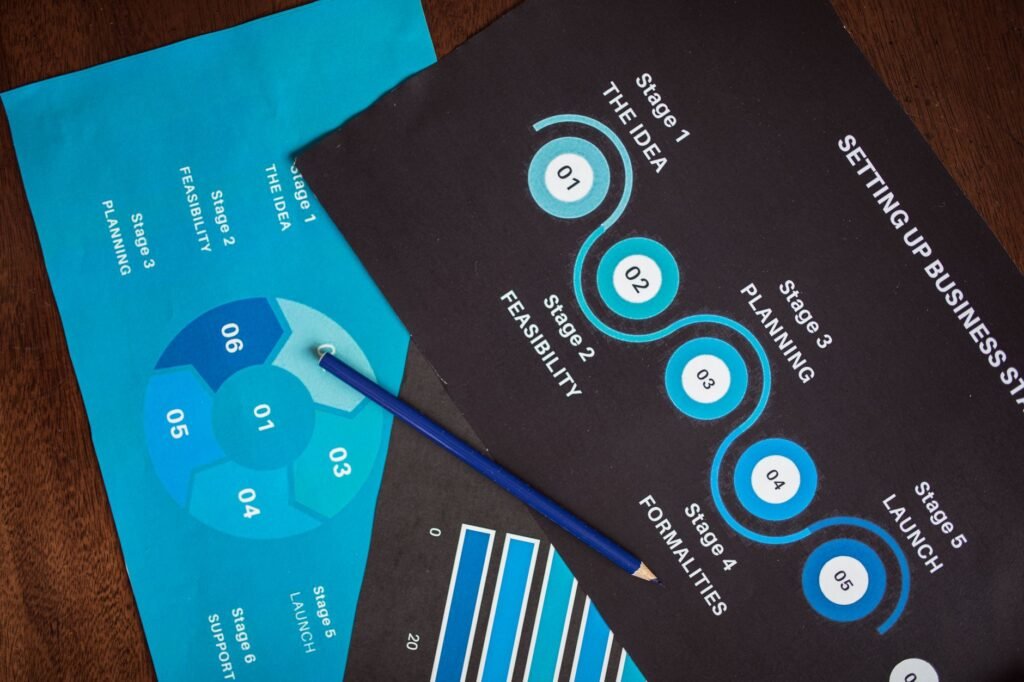
Key Injury Claim Steps in the Personal Injury Claim Process
Initial Consultation and Evaluation
The first step in the personal injury claim process typically involves scheduling an initial consultation with a qualified personal injury attorney. During this consultation, the attorney will evaluate the details of your case, including the circumstances surrounding the injury, any medical treatment received, and potential liability. This evaluation is crucial as it helps determine the viability of your claim and the potential compensation you might receive.
It’s essential to be prepared during this meeting. Bring any relevant documents, such as medical records, accident reports, and correspondence with insurance companies. This preparation will facilitate a more thorough assessment and help the attorney provide accurate advice on the next steps in the injury claim process. What to Expect During the Injury Claim Process
Gathering Evidence and Documentation
After the initial consultation, the next step in the personal injury claim process is gathering evidence and documentation to support your claim. This includes collecting medical records, photographs of the accident scene, witness statements, and any police reports. The strength of your claim largely depends on the quality and quantity of the evidence you can present. Proper documentation not only substantiates the extent of your injuries but also demonstrates the negligence of the party at fault.
In many cases, a clear timeline of events can significantly impact the claim’s success. This claim timeline should outline all relevant details, from the accident occurrence to the medical treatments received. A well-documented injury claim can lead to a more favorable outcome, making the injury claim steps you take crucial for your case. What to Expect When Filing an Injury Claim

Understanding the Claim Timeline During the Personal Injury Claim Process
Establishing a Timeline for Your Claim
The personal injury claim process can be lengthy, often taking several months to years to resolve. Generally, the timeline can be broken down into several key stages: initial consultation, investigation, negotiation, and litigation.
- Initial Consultation: This usually occurs within days of the injury. Here, you will discuss your case with a lawyer, who will assess its viability.
- Investigation: Gathering evidence and documentation can take several weeks to months, depending on the complexity of the case.
- Negotiation: After the investigation, negotiations with the insurance company may take a few weeks to months. Many claims settle during this phase.
- Ligation: If no settlement is reached, litigation can extend the process by several months or even years.

Factors Influencing the Duration of Claims
Several factors can influence the duration of your injury claim steps, including the severity of your injuries, the complexity of your case, and the willingness of the involved parties to negotiate. For instance:
- Severity of Injuries: More severe injuries often require extensive documentation and medical evaluations, prolonging the process.
- Complexity: Cases involving multiple parties or intricate liability issues can take longer to resolve.
- Negotiation Stance: If the insurance company is unwilling to negotiate in good faith, this can add time to the resolution process.
Ultimately, patience and preparation are crucial in navigating the personal injury procedure. Understanding the claim timeline can help set realistic expectations and ensure you are ready for each step of the journey. For more details on what to expect, refer to Best Injury Claim Calculators: A Comparison Guide.
Completing the Personal Injury Claim Process: Settlement or Trial
Negotiating a Settlement
As you approach the end of the personal injury claim process, one of the most critical steps is deciding whether to negotiate a settlement or proceed to trial. Settlements can provide a quicker resolution and save both parties the time and expense associated with court proceedings. During negotiations, it’s essential to have a clear understanding of your case’s value and the potential damages you may be entitled to, which typically include medical expenses, lost wages, and pain and suffering.
Effective negotiation strategies include presenting compelling evidence, understanding the insurance company’s position, and being prepared to make counteroffers. It is advisable to consult with experienced legal representation, as they can help you navigate the complexities of the personal injury procedure and advocate on your behalf. Research shows that claimants who work with attorneys often receive higher settlements compared to those who represent themselves in negotiations source.
Going to Trial: What to Expect in the Personal Injury Claim Process
If negotiations fail, your case may proceed to trial. This can be a daunting prospect, but understanding what to expect can alleviate some anxiety. Trials can take several months or even years, depending on the claim timeline and court schedules. During the trial, both sides will present evidence, call witnesses, and make their arguments.
It’s crucial to have skilled legal representation during this phase, as they will prepare your case for presentation and help you navigate the courtroom environment. Keep in mind that juries can be unpredictable, and the outcome is not guaranteed. However, a successful verdict can lead to a more significant compensation package than what might have been available through a settlement.
Ultimately, whether you settle or go to trial, both paths require careful consideration of your case’s specifics and potential outcomes. Ensure you are well-informed and supported by legal professionals throughout the process.

Common Challenges in the Personal Injury Claim Process
Navigating the personal injury claim process can be fraught with challenges. Understanding these obstacles is crucial for ensuring a smoother experience. Below, we address two significant hurdles: dealing with insurance companies and overcoming legal complexities.
Dealing with Insurance Companies
One of the most daunting aspects of the personal injury claim process is negotiating with insurance companies. Insurers often aim to minimize payouts and may employ tactics to challenge your claim. Common strategies include:
- Delaying responses: Insurers may take their time to respond to claims, prolonging the claim timeline and causing frustration.
- Offering low settlements: Initial offers may not reflect the true value of your claim, including medical expenses, lost wages, and pain and suffering.
To combat these tactics, it is essential to document all evidence related to your injury, including medical records, photographs, and witness statements. Additionally, consider consulting with a personal injury attorney who can negotiate on your behalf and help you understand the true worth of your claim. A well-structured approach can make a significant difference in the outcome of your negotiations with insurers.
Overcoming Legal Hurdles in the Personal Injury Claim Process
The legal complexities involved in a personal injury procedure can also pose significant challenges. Understanding the various injury claim steps is critical for success. Common legal hurdles include:
- Statute of limitations: Each state has specific time limits for filing a personal injury claim, and missing these deadlines can lead to losing your right to seek compensation.
- Proving liability: Establishing that the other party was at fault can be difficult, often requiring expert testimony and robust evidence.
To navigate these challenges, familiarize yourself with your state’s laws regarding personal injury claims. Gathering comprehensive evidence and consulting with legal professionals can provide invaluable support throughout the process. Being proactive and informed will empower you to overcome these legal obstacles effectively.
By understanding these common challenges in the personal injury claim process, you can better prepare yourself for the journey ahead. Whether it’s negotiating with insurance companies or navigating legal complexities, knowledge and preparation are your best allies.
Conclusion: Navigating Your Personal Injury Claim Process
Understanding the personal injury claim process is essential for anyone seeking compensation for damages resulting from an accident or negligence. Throughout this article, we have explored the various stages of the claim process, from the initial assessment of your injuries to the negotiation of settlements. Each step in the injury claim steps is crucial, and being well-informed can significantly improve your chances of a successful outcome.
Following a structured claim timeline is vital. It allows you to manage deadlines effectively, ensuring that all necessary paperwork is filed on time. The personal injury procedure can often feel overwhelming; however, breaking it down into manageable steps can make it easier to navigate.
It is highly recommended that you seek professional guidance throughout the personal injury claim process. An experienced attorney can provide valuable insights, help you gather essential documentation, and negotiate with insurance companies on your behalf. This support can lead to a smoother and more efficient claims experience, ultimately maximizing your compensation.
As you embark on your journey through this complex process, keep in mind that you are not alone. With the right resources and support, you can navigate the challenges of your personal injury claim with confidence.

As you navigate the personal injury claim process, understanding the injury claim steps is essential for maximizing your compensation. Each phase of the claim timeline can significantly impact the outcome of your case. Being informed about the personal injury procedure helps you make educated decisions and could prevent common pitfalls that claimants face.
If you find yourself in a situation where you need to pursue a personal injury claim, take the first step by consulting a qualified attorney who specializes in this area. They can guide you through each stage, ensuring that you adhere to the necessary legal requirements and timelines. By doing so, you will be better equipped to advocate for your rights and secure the compensation you deserve.
“`html
What are the steps in the personal injury claim process?
The personal injury claim process generally involves several key steps. First, you need to gather evidence related to the incident, including medical records and witness statements. Next, you submit a demand letter to the insurance company outlining your claim and the damages you are seeking. The insurer will then review your claim and may negotiate a settlement. If an agreement cannot be reached, you may need to file a lawsuit, leading to potentially going to trial. Understanding these injury claim steps can help ensure you are prepared.
How long does the personal injury claim process take?
The duration of the personal injury claim process can vary significantly based on various factors. Typically, cases may take anywhere from a few months to several years to resolve. Factors influencing the timeline include the complexity of the case, the extent of injuries, and the willingness of both parties to negotiate a settlement. If your case goes to trial, it can extend the claim timeline even further. Patience and understanding of this process are key to managing expectations.
What should I do first in an injury claim process?
The first step in the injury claim process is to seek medical attention for your injuries. Your health and well-being should be your primary concern. Afterward, you should document all details regarding the accident, including photographs and witness information. Gathering evidence early is crucial, as it strengthens your claim. Consider consulting with a personal injury attorney who can guide you through the process effectively and help you understand your rights and options.
What documents do I need for a personal injury claim?
To support your personal injury claim, you will need several important documents. Key documents include medical records detailing your injuries and treatment, accident reports, photos of the accident scene, and any correspondence with insurance companies. Additionally, you should gather evidence of lost wages, such as pay stubs or tax returns, and any other documentation that reflects the impact of the injury on your life. Having a comprehensive set of documents will strengthen your case.
How do insurance companies handle personal injury claims?
Insurance companies typically handle personal injury claims by first reviewing the details of the incident and the provided evidence. They may investigate the claim, interview witnesses, and assess the extent of your injuries. Based on their findings, they will determine whether to accept or deny the claim and may offer a settlement. Be aware that insurers aim to minimize payouts, so it is essential to present a well-documented claim and consider professional legal assistance if negotiations become complicated.
What happens if my personal injury claim goes to trial?
If your personal injury claim goes to trial, the process becomes more formal and involves presenting your case before a judge or jury. Both parties will present evidence, witness testimonies, and legal arguments. The trial can take days or weeks, depending on the case’s complexity. After deliberation, the judge or jury will make a decision regarding liability and the amount of damages awarded. It is crucial to have skilled legal representation during this process to ensure your case is effectively argued.
“`