
The role of animal control in dog bite cases is crucial for ensuring public safety and animal welfare. Animal control dog bites represent a significant concern for communities, as they can lead to serious injuries and legal repercussions. This article delves into the multifaceted responsibilities of animal control agencies, starting with an overview of the processes involved in animal control investigations. Understanding these investigations is essential for both victims and pet owners alike. Furthermore, we will discuss the importance of reporting dog bites to animal control, as this step is vital for tracking incidents and enforcing regulations. Legal implications surrounding dog bite enforcement will also be explored, highlighting the role that law plays in preventing future occurrences. Additionally, we will examine preventive measures that animal control can implement to reduce the incidence of dog bites. By understanding these components, communities can work together to foster safer environments for both residents and their pets. For further insights on dog bite safety measures, you may refer to the CDC’s dog bite prevention resources.
Understanding Animal Control Dog Bites
What is Animal Control?
Animal control is a vital public service responsible for managing and enforcing laws related to domestic animals. This includes the prevention and investigation of incidents such as dog bites. Local animal control agencies are tasked with ensuring the safety of both animals and the community, often through programs that promote responsible pet ownership, enforce licensing, and respond to complaints regarding aggressive animals. By conducting animal control investigations, these agencies assess dog bite cases to determine the circumstances, potential risks, and necessary actions.
Why Dog Bites Matter
Dog bites are a significant public health concern, with the Centers for Disease Control and Prevention (CDC) reporting that approximately 4.5 million dog bites occur in the United States each year. Of these, nearly one in five results in an injury requiring medical attention. The emotional and financial repercussions of dog bites can be severe, affecting individuals and communities alike. Effective dog bite enforcement measures are crucial for reducing incidents and fostering a safer environment.
Communities benefit greatly from proactive animal control measures, which include educating dog owners about responsible care, the importance of spaying and neutering, and proper training techniques. Additionally, reporting dog bites to animal control is essential for tracking incidents, understanding patterns, and implementing targeted interventions. This collaborative effort between the community and animal control can significantly mitigate the risks associated with animal control dog bites.

The Process of Animal Control Investigations in Dog Bite Cases
When a dog bite incident occurs, animal control plays a crucial role in ensuring public safety and addressing the situation appropriately. Understanding the process of animal control investigations can clarify what happens after a dog bite and the potential outcomes for the involved parties.
How Investigations Are Conducted
Following a reported dog bite, animal control officers initiate an investigation to gather facts surrounding the incident. The process typically begins with the collection of evidence, which includes:
- Witness Statements: Eyewitnesses can provide valuable accounts of the incident, helping to establish context and details.
- Medical Records: If the bite resulted in injuries, medical records may be reviewed to understand the severity of the situation.
- Inspections: Animal control officers may inspect the dog involved to assess its behavior and any potential risks it may pose.
- Owner Interviews: The dog’s owner will typically be interviewed to gather their perspective and any relevant information about the dog’s history.
Authorities involved in animal control investigations look for evidence of negligence on the owner’s part, such as failure to leash the dog or prior aggressive behavior. Reporting dog bites to animal control is crucial for documenting these incidents, facilitating effective enforcement, and determining the appropriate response.
Common Outcomes of Investigations into Animal Control Dog Bites
The outcomes of an animal control investigation can vary significantly based on the findings. Common outcomes include:
- Citations: If the investigation reveals violations of local dog bite laws, the owner may receive citations.
- Behavioral Assessments: The dog may be required to undergo behavioral assessments or training.
- Quarantine: In some cases, the dog may be quarantined to monitor for signs of rabies or other health concerns.
- Penalties: Depending on the severity of the incident, penalties can range from fines to mandatory liability insurance.
Animal control’s role in dog bite enforcement is essential for maintaining community safety and ensuring responsible pet ownership. As investigations conclude, both the dog owner and the victims may receive guidance on the next steps, emphasizing the importance of compliance with local regulations.

Reporting Dog Bites to Animal Control: A Necessary Step
How to Report a Dog Bite to Animal Control
When a dog bite occurs, it is crucial to report it to animal control promptly. This ensures not only the safety of the individual involved but also the community at large. To report a dog bite, follow these steps:
- Gather Information: Collect details about the incident, including the time, location, and circumstances surrounding the bite. Document the breed and vaccination status of the dog, if known.
- Contact Local Animal Control: Reach out to your local animal control agency. This can typically be done via phone or through their website.
- Provide Documentation: If possible, submit photographs of injuries and any medical reports. This documentation aids in animal control investigations and helps determine the appropriate dog bite enforcement actions.
Timely reporting can significantly impact the case, as it allows authorities to investigate the situation while evidence is still fresh.
Importance of Timely Reporting for Animal Control Dog Bites
Reporting dog bites to animal control within the first few days of the incident can lead to effective outcomes for both the victim and the community. Early reports facilitate:
- Preventative Measures: Animal control can assess the dog’s behavior and vaccination status, reducing the risk of future incidents.
- Community Awareness: Timely reporting allows for public notifications if a specific dog poses a threat, enhancing community safety.
- Legal Recourse: Victims may need documentation for insurance claims or potential legal actions, and timely reports provide necessary evidence.
reporting dog bites to animal control is not just a procedural step; it is essential for ensuring safety and accountability in your community. By taking the initiative to report, you contribute to the overall well-being of both residents and animals.

Dog Bite Enforcement: The Legal Implications
Understanding Dog Bite Laws
Dog bite laws vary significantly across states and municipalities. Generally, these laws can be categorized into two main frameworks: strict liability and negligence. States with strict liability laws hold dog owners responsible for injuries caused by their pets, regardless of the owner’s knowledge of the dog’s aggressive behavior. In contrast, negligence laws require proof that the owner failed to control their dog or was aware of its dangerous tendencies. Local ordinances often complement state laws, adding specific regulations on leash laws, breed restrictions, and requirements for vaccinations.
For instance, many areas mandate that dog owners report bites to animal control, which serves as a vital step in tracking incidents and preventing future occurrences. Understanding these laws can help victims navigate their rights and responsibilities following a dog bite incident. For more information on state-specific dog bite laws, you can refer to the Animal Legal & Historical Center.
Role of Animal Control in Enforcement of Animal Control Dog Bites
Animal control plays a critical role in enforcing dog bite laws and ensuring public safety. They are responsible for conducting animal control investigations into reported dog bites, assessing the circumstances surrounding each incident. This includes interviewing witnesses, evaluating the dog’s history, and determining if the owner has violated any local regulations. Proper reporting of dog bites to animal control is essential for maintaining community safety and preventing dangerous situations from arising.
Moreover, animal control agencies often implement educational programs on responsible pet ownership and bite prevention, aiming to reduce the incidence of attacks. They may also enforce penalties against owners whose dogs are involved in repeated biting incidents, enhancing dog bite enforcement measures. This enforcement not only holds negligent owners accountable but also promotes compliance with animal control regulations.
Ultimately, the collaboration between law enforcement, local governments, and animal control agencies is vital for minimizing dog bite incidents and ensuring both animal welfare and public safety. For more insights on how to effectively report incidents, consider looking into Dog Bite Claims by State.

Preventing Dog Bites: The Role of Animal Control
Community Education Initiatives
Animal control agencies play a vital role in preventing dog bites through various community education initiatives. By raising awareness about dog behavior, safety around dogs, and the importance of responsible pet ownership, these agencies help mitigate the risks associated with dog bites. Programs may include workshops, school presentations, and social media campaigns designed to inform the public about proper interactions with dogs and the warning signs of aggressive behavior. For instance, the ASPCA provides valuable resources that can be utilized by local animal control for community outreach.
Promoting Responsible Pet Ownership and Animal Control Dog Bites
Another critical aspect of preventing dog bites lies in promoting responsible pet ownership. Animal control dog bites can be significantly reduced when pet owners are educated about their responsibilities, including proper training, socialization, and veterinary care. By enforcing leash laws and licensing requirements, animal control agencies can help ensure that dogs are managed safely within communities. Additionally, programs for reporting dog bites to animal control can facilitate timely investigations, enabling agencies to identify problematic trends and provide targeted interventions.
- Encourage spaying/neutering to reduce aggressive tendencies.
- Provide resources for training and behavior modification.
- Promote awareness of dog bite laws and the importance of compliance.
Through comprehensive education and targeted dog bite enforcement strategies, animal control agencies are instrumental in fostering a safer environment for both dogs and the community. 
Conclusion: The Importance of Animal Control in Dog Bite Cases
Animal control plays a critical role in managing dog bite cases, ensuring public safety and welfare. The process begins with animal control investigations that assess the circumstances surrounding each incident. These investigations are essential for identifying patterns of aggressive behavior, which may require intervention to prevent future attacks. Proper documentation and investigation techniques are vital for effective dog bite enforcement and ensuring that responsible pet ownership is upheld.
Legal implications also stem from the findings of animal control. Reports generated from reporting dog bites animal control can influence litigation, insurance claims, and community regulations. By understanding the legal landscape, victims and dog owners can navigate the complexities of dog bite incidents more effectively.
Moreover, prevention efforts initiated by animal control agencies foster community awareness and education about responsible pet ownership. These programs often include training sessions and outreach events that address dog behavior and safety. Engaging with local animal control not only enhances community safety but also promotes a culture of responsibility among dog owners.
Encouraging dialogue with local animal control agencies is crucial. Community members should actively seek resources and support, particularly regarding animal control dog bites, to ensure a safer environment for both humans and dogs alike. By working together, we can reduce the frequency of dog bites and promote a harmonious coexistence.
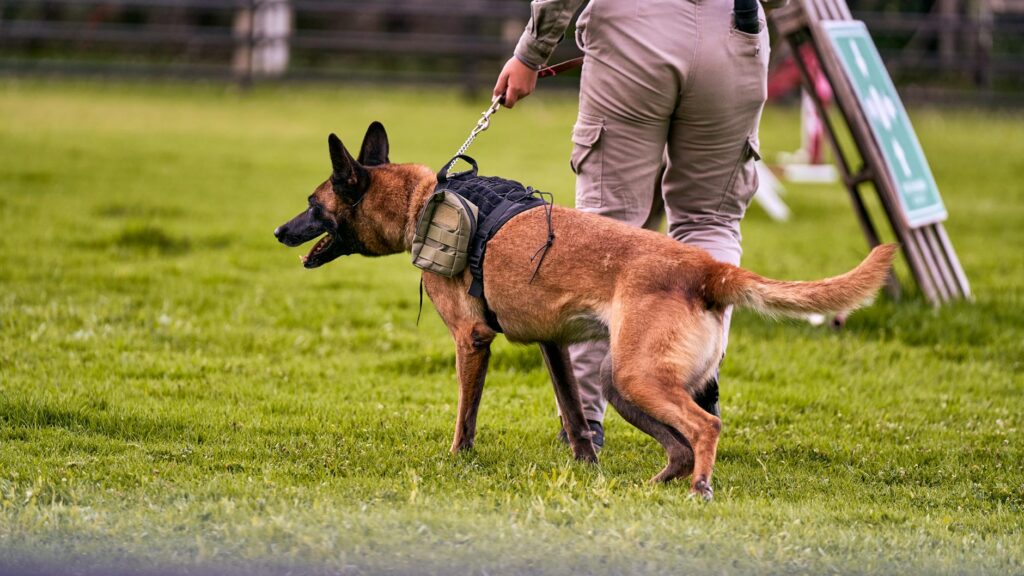
Animal control plays a crucial role in managing dog bite cases, acting as a bridge between public safety and responsible pet ownership. Through thorough animal control investigations, they assess incidents, enforce regulations, and implement policies aimed at preventing future attacks. Reporting dog bites to animal control is essential for tracking trends and ensuring that necessary actions are taken to protect the community.
Effective dog bite enforcement not only holds dog owners accountable but also fosters a culture of safety and awareness. By understanding the importance of animal control in dog bite cases, pet owners can contribute to a safer environment for everyone. If you or someone you know has experienced a dog bite, take the important step of reporting it to your local animal control authority to help facilitate the investigation and promote community safety.
“`html
What should I do if I am bitten by a dog?
If you are bitten by a dog, your first step is to wash the wound thoroughly with soap and water. Seek medical attention, especially if the bite is serious, to prevent infection and assess the need for a tetanus shot or rabies vaccination. Document the incident by taking photos of the wound and gathering information about the dog’s owner and vaccination status. Reporting the incident to animal control is crucial for animal control investigations and to help prevent future bites.
How does animal control investigate dog bite cases?
Animal control investigates dog bite cases by collecting evidence, interviewing witnesses, and assessing the circumstances surrounding the incident. They may visit the location of the bite and examine the dog involved. The investigation aims to determine if the dog has a history of aggression and whether the owner complied with local laws regarding pet ownership and licensing. This thorough process helps ensure community safety and informs any necessary dog bite enforcement actions.
What are the consequences for dog owners after a bite?
Consequences for dog owners after a bite can vary based on local laws and the severity of the incident. Owners may face fines, mandatory training for their dogs, or even criminal charges if negligence is involved. In some cases, the dog may be quarantined or declared dangerous, requiring specific measures to ensure public safety. Understanding the implications of animal control dog bites is essential for responsible pet ownership.
How can I report a dog bite to animal control?
To report a dog bite to animal control, contact your local animal control agency or visit their website. Provide detailed information about the incident, including the location, time, and circumstances of the bite, as well as details about the dog and its owner. Many agencies also offer online forms for reporting dog bites, making it easier to submit your information. Prompt reporting helps initiate necessary actions and contributes to effective animal control investigations.
What laws exist regarding dog bites?
Laws regarding dog bites vary by jurisdiction, but they typically fall under liability statutes that hold dog owners responsible for injuries caused by their pets. Many areas have “one-bite” laws, which may allow a dog owner to avoid liability if it is the first known incident of aggression. Additionally, some regions enforce leash laws and require dog owners to keep their pets secured. Understanding these laws is essential for both dog owners and victims of dog bites.
What preventative measures can animal control take against dog bites?
Animal control can implement various preventative measures against dog bites, such as public education campaigns about responsible dog ownership, leash laws, and dog training programs. They may also conduct regular inspections of dog owners’ compliance with licensing and vaccination requirements. By promoting community awareness and responsible pet care, animal control agencies aim to reduce the incidence of dog bites and enhance public safety.
“`