
Understanding the mistakes in injury claim processes can significantly impact the outcome of your case. Navigating the complexities of filing an injury claim can be daunting, and even minor oversights can lead to costly consequences. This article delves into the most common injury claim errors that claimants make, providing essential insights on how to avoid these pitfalls. We will explore various injury claim pitfalls that can derail your efforts, as well as offer practical filing an injury claim tips to help you maximize your chances of a successful outcome. Whether you are dealing with a personal injury, workplace accident, or medical negligence, understanding these key factors is vital. By being aware of the potential mistakes in injury claims, you can enhance your strategy and increase the likelihood of obtaining the compensation you deserve. For more detailed information on personal injury law, visit Nolo or check out guidelines from the U.S. government.
Understanding Mistakes in Injury Claim Processes
The Importance of Accurate Documentation
One of the most significant mistakes in injury claim processes is the failure to provide accurate and thorough documentation. Proper documentation serves as the backbone of any injury claim, establishing the facts and supporting the severity of the injury. Common injury claim errors often arise from incomplete medical records, missing accident reports, or inadequate witness statements. For example, if you neglect to document the details of the incident, such as the time, location, and circumstances, you may struggle to prove liability later. This can severely weaken your case and diminish the compensation you might receive.
Additionally, it is crucial to keep track of all medical expenses, treatments, and recovery progress. A lack of clear records can lead to disputes over the extent of your injuries and the associated costs. To better understand documentation standards, the American Bar Association provides valuable resources on this topic. Ensure that you are diligent in collecting and preserving documents to avoid these common pitfalls.
Neglecting to Seek Medical Attention
Another critical mistake individuals make in injury claims is neglecting to seek immediate medical attention. Failing to visit a healthcare professional right after an accident can not only jeopardize your health but also weaken your claim. When medical records are delayed or non-existent, insurance companies may argue that your injuries are not as severe as claimed or that they were caused by a different incident altogether.
For instance, if you experience back pain after a car accident but wait weeks to see a doctor, the insurance adjuster may question the legitimacy of your claim. Timely medical evaluations serve as official documentation of your injuries and treatment, reinforcing your case. The Centers for Disease Control and Prevention emphasizes the importance of prompt medical care for sustaining accurate documentation of injuries. Following these filing an injury claim tips can significantly strengthen your position and help avoid common injury claim errors.
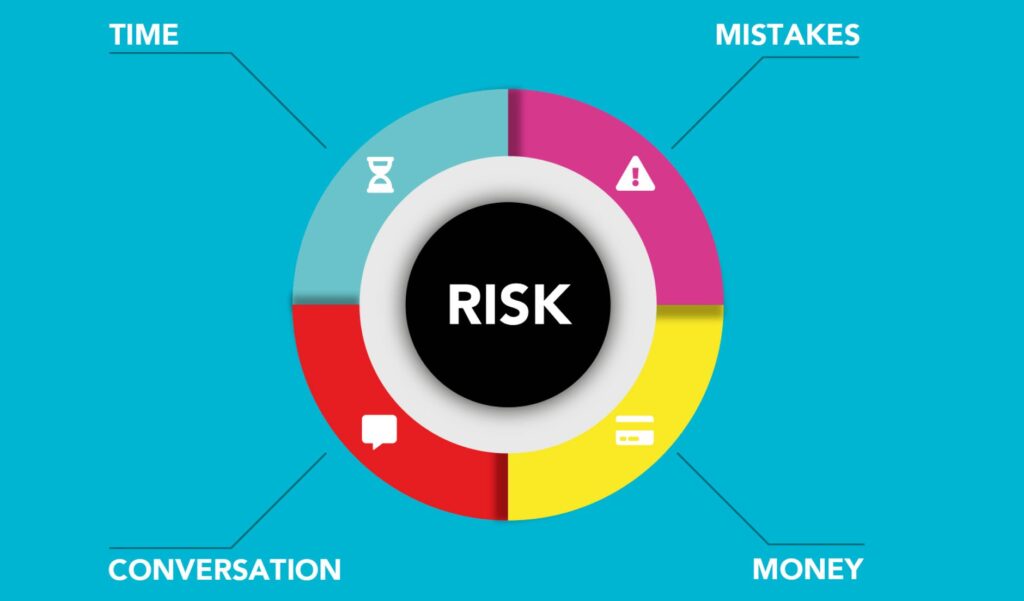
Common Injury Claim Errors That Can Cost You
Mistakes in Injury Claim: Underestimating Your Damages
One of the most significant common injury claim errors individuals make is underestimating their damages. This mistake can lead to inadequate compensation, which can leave you struggling to cover medical bills, lost wages, and other related expenses. To ensure you are fully compensated, take the time to calculate your damages accurately.
Start by documenting all related expenses, including:
- Medical bills
- Physical therapy costs
- Lost wages due to missed work
- Future earning potential if your injury impacts your ability to work
- Emotional distress and pain and suffering
It may be beneficial to consult with a personal injury attorney or financial expert who can help you evaluate your situation and ensure all potential damages are considered. Refer to these filing an injury claim tips for a more thorough understanding of the damages you may be entitled to receive.
Failing to Meet Deadlines
Another critical aspect that can lead to injury claim pitfalls is failing to meet filing deadlines. Each state has specific statutes of limitations that dictate how long you have to file your claim after an injury occurs. Missing these deadlines can result in your case being dismissed, regardless of its merits.
To avoid this mistake in your injury claim, familiarize yourself with the deadlines relevant to your case. Most states provide this information online through their judicial system’s website. Additionally, consider setting reminders or consulting with a legal professional to ensure you stay on track. For detailed information on deadlines for filing claims in your state, visit this resource.
By understanding and addressing these common injury claim errors, you can significantly improve your chances of receiving the compensation you deserve. Stay proactive and informed, and consult with professionals when needed to navigate the complexities of your claim successfully.

Avoiding Injury Claim Pitfalls: Tips for Success
Mistakes in Injury Claim: The Role of Legal Representation
When navigating the complexities of an injury claim, the presence of legal representation can significantly impact the outcome. Many individuals underestimate the advantages a lawyer offers, which can lead to common injury claim errors. An experienced attorney not only knows the legal landscape but can also identify potential pitfalls that a claimant might overlook. For instance, they can help ensure that all necessary documentation is gathered and submitted on time, preventing delays that could jeopardize your case.
Moreover, legal professionals can provide valuable insight into the value of your claim, guiding you in avoiding low settlement offers from insurance companies. They can negotiate on your behalf, drawing from their expertise to secure a fair compensation package that reflects both immediate and long-term needs. If you’re considering filing an injury claim, seeking legal advice is one of the most effective filing an injury claim tips you can follow. Avoid These Common Mistakes in Injury Claims
Understanding the Claims Process
Grasping the injury claims process is crucial to preventing mistakes in injury claim. Here’s a step-by-step breakdown of what to expect:
- Consultation: Initially, consult with a legal expert to discuss your case details and determine the merits of your claim.
- Investigation: Gather evidence, including medical records, witness statements, and any relevant documents that support your claim.
- Filing the Claim: Complete and submit the necessary paperwork within the required timeframe to initiate the claims process.
- Negotiation: Once the claim is filed, negotiations with the insurance company typically begin, often requiring legal intervention to reach a fair settlement.
- Resolution: If negotiations fail, your lawyer may advise you to pursue litigation, which involves filing a lawsuit.
Keeping track of these steps can help you avoid common injury claim errors that could hinder your chances of receiving compensation. For a more detailed look at the claims process, refer to Common Mistakes in Injury Claim to Avoid. Understanding each phase will enhance your preparedness and confidence as you navigate your case.

Filing an Injury Claim Tips to Maximize Your Chances
When it comes to filing an injury claim, avoiding common mistakes in injury claims can significantly affect the outcome. By effectively gathering evidence and communicating with insurance companies, you can strengthen your claim and increase your chances of receiving the compensation you deserve. Here are some essential filing an injury claim tips to help you navigate the process.
Gathering Evidence Effectively
One of the most critical aspects of a successful injury claim is gathering strong evidence. Here are some actionable tips to help you collect the necessary information:
- Take Photos: Document the scene of the accident, including any visible injuries, property damage, and relevant road or environmental conditions. Ensure that your photos are clear and time-stamped.
- Collect Witness Statements: If there were any witnesses to the incident, obtain their contact information and ask them if they would be willing to provide a statement regarding what they saw. These statements can be crucial in corroborating your account of events.
- Keep Medical Records: Document all medical treatments related to your injury. Keep copies of bills, prescriptions, and notes from your healthcare providers, as this information will substantiate your claim for medical expenses.
- Maintain a Journal: Write down your experiences following the injury, including physical limitations and emotional distress. This personal account can serve as compelling evidence of the impact on your life.
For more detailed information on evidence collection, refer to these guidelines.
Avoiding Common Injury Claim Errors When Communicating with Insurance Companies
Effective communication with insurance companies is vital when filing an injury claim. Here are some best practices to follow:
- Be Clear and Concise: When discussing your claim, stick to the facts. Avoid providing unnecessary details that could complicate your case.
- Do Not Admit Fault: During conversations with insurance representatives, never admit fault or make statements that could be interpreted as accepting liability for the accident.
- Document Conversations: Keep a record of all communications with insurance companies, including dates, times, and details of discussions. This documentation can serve as evidence if disputes arise later.
- Consult with an Attorney: Before speaking with an insurance adjuster, consider consulting with a legal professional who specializes in personal injury claims. They can provide valuable insights and help you avoid potential injury claim pitfalls.
For further communication tips, check out this informative resource on communicating with insurance companies.
By avoiding common injury claim errors and implementing these effective filing an injury claim tips, you can enhance the strength of your claim and increase the likelihood of a successful outcome. Remember, being informed and proactive is key to navigating the complexities of injury claims.

Avoiding mistakes in injury claim processes is essential for maximizing your potential compensation. By recognizing common injury claim errors, such as failing to document evidence or missing deadlines, you can significantly improve your chances of a successful outcome. Being aware of these injury claim pitfalls not only helps in safeguarding your rights but also prepares you for any challenges that may arise during the process.
As you navigate your injury claim, remember to utilize filing an injury claim tips, such as seeking legal advice and keeping thorough records of all communications and expenses. Taking these proactive steps can help you steer clear of costly mistakes in injury claim processes. If you suspect you may have made an error or need guidance, consider consulting with a qualified attorney who specializes in personal injury law to ensure your claim is handled correctly and effectively.
“`html
What are the most common mistakes in injury claims?
Common mistakes in injury claims include failing to gather sufficient evidence, not seeking medical treatment promptly, and underestimating the total damages incurred. Many claimants also make the error of not documenting their injuries thoroughly or providing inconsistent statements, which can weaken their case. Additionally, some people delay filing their claims, which can lead to complications and even denial.
How can I avoid injury claim pitfalls?
To avoid injury claim pitfalls, always document your injuries and treatment history meticulously. Seek medical attention as soon as possible after the incident, and keep all related records. Consult with a knowledgeable attorney who can guide you through the process and help you understand your rights. Being organized and proactive in your claim will significantly reduce the likelihood of making costly mistakes in injury claims.
What should I know about common injury claim errors?
Common injury claim errors often stem from misunderstanding the legal process. Many claimants underestimate the importance of evidence and documentation. Additionally, failing to adhere to deadlines can jeopardize your claim. It’s essential to be aware of your state’s laws regarding personal injury claims, as these can vary significantly. Familiarizing yourself with common injury claim errors can help you prepare and navigate the process more effectively.
What tips should I follow when filing an injury claim?
When filing an injury claim, consider these tips: document everything related to your injury, including medical records and expenses; be honest and consistent in your statements; and do not accept the first settlement offer without proper evaluation. It’s also wise to keep a detailed journal of your recovery process and how the injury affects your daily life. Following these filing an injury claim tips can greatly improve your chances of a successful outcome.
What happens if I miss the deadline for my injury claim?
If you miss the deadline for your injury claim, typically referred to as the statute of limitations, you may lose your right to seek compensation. Each state has its own specific time limits, which can range from one to several years. Missing this deadline can result in your claim being dismissed, so it is crucial to file your claim on time and to be aware of the relevant deadlines.
Is it necessary to hire a lawyer for an injury claim?
While it is not strictly necessary to hire a lawyer for an injury claim, having legal representation can significantly enhance your chances of a successful outcome. An experienced attorney understands the complexities of injury law, can help you avoid mistakes in injury claims, and can negotiate on your behalf with insurance companies. If your case is complex or involves substantial damages, hiring a lawyer is highly advisable.
“`