
To effectively document your injury for compensation, understanding the nuances of injury documentation is crucial. Whether you have sustained a minor injury or a severe one, thorough documentation can significantly impact the outcome of your compensation claim. This article will explore why it is essential to document your injury for compensation, providing valuable insights into key injury documentation tips that can maximize your claim. We will also delve into the types of evidence needed for an injury claim, highlighting the importance of gathering and organizing your personal injury evidence. Moreover, we will discuss the benefits of consulting with legal professionals to guide you through your claim process. By taking a proactive approach to your injury documentation, you can enhance your chances of receiving the compensation you deserve. For more resources on personal injury claims, consider visiting Nolo and USA.gov for additional guidance.
Why You Need to Document Injury for Compensation
The Importance of Accurate Documentation
When pursuing a personal injury claim, the significance of thorough documentation cannot be overstated. To successfully document injury for compensation, you must gather and maintain comprehensive records, including medical reports, photographs, and witness statements. This personal injury evidence serves as the foundation for your claim, helping to establish the extent of your injuries and the impact they have had on your life.
Insurance companies rely heavily on the evidence you provide to assess your claim. They evaluate the validity of your injuries, the associated costs, and the potential for future medical expenses based on this documentation. A well-documented case not only increases the likelihood of receiving maximum compensation but also demonstrates your credibility as a claimant.
Implementing injury documentation tips, such as keeping a detailed journal of your recovery process or obtaining copies of all medical records, can significantly enhance your case. Additionally, documenting any changes in your daily life due to the injury can provide compelling evidence to support your claims.
Potential Consequences of Inadequate Evidence
Failing to provide sufficient evidence for your injury claim can lead to devastating consequences. Insufficient documentation may result in claim denials, lower compensation offers, or prolonged settlement negotiations. Insurance adjusters are trained to look for discrepancies and weaknesses in claims, and they may dismiss your case altogether if they find inadequate evidence.
Moreover, without proper documentation, you risk missing out on essential compensation for medical bills, lost wages, and pain and suffering. To protect your rights and ensure you receive the compensation you deserve, it is crucial to document injury for compensation meticulously. This diligence not only strengthens your case but also empowers you as a claimant, giving you the best chance at a favorable outcome.

Key Injury Documentation Tips for Maximum Compensation
To effectively document injury for compensation, following specific guidelines can significantly enhance your chances of receiving the maximum payout. Here are essential injury documentation tips that you should implement immediately after your injury.
Collecting Medical Records and Bills
One of the most critical steps in building personal injury evidence is gathering your medical records and bills. Ensure you obtain copies of all medical reports, treatment notes, and invoices related to your injury. This documentation serves as crucial evidence for your injury claim. Here are some actionable steps:
- Request your medical records from healthcare providers as soon as possible. Most facilities are required by law to provide you access within a certain timeframe.
- Keep all receipts related to your injury, including travel expenses for treatment, prescription medications, and any therapy sessions.
- Maintain a detailed journal of your symptoms, treatments, and any changes in your condition over time. This will be invaluable for showing the impact of the injury on your daily life.
For more information on effective medical record documentation, refer to Medical Records and Your Injury Claim: Key Insights.
Photographic Evidence to Document Injury for Compensation
Visual evidence is a powerful tool when you document injury for compensation. Taking clear, well-lit photographs of your injuries can significantly strengthen your claim. Consider the following tips:
- Take photos of your injuries from multiple angles and at different stages of healing. This will help illustrate the severity of your injuries over time.
- Document the environment where the injury occurred. This can provide context and support your claim regarding liability.
- Make sure to date and label your photos for easy reference later.
Incorporating these injury documentation tips will provide substantial backing to your claim. For more guidance on effective journaling methods, check out The Role of Medical Records in Injury Claims.

Types of Evidence for Injury Claims
When pursuing a personal injury claim, documenting your injury for compensation is crucial. The right evidence can significantly strengthen your case and increase your chances of receiving fair compensation. Here are two essential types of evidence that can support your claim:
Witness Statements and Testimonies
Witness statements can provide firsthand accounts of your injury and the circumstances surrounding it. These testimonies can corroborate your version of events, making your case more compelling. To effectively gather witness statements, consider the following injury documentation tips:
- Collect contact information from witnesses immediately after the incident.
- Encourage witnesses to write down their observations as soon as possible.
- Consider recording video or audio statements, if possible, for added authenticity.
These personal injury evidence pieces can be invaluable, especially if your claim goes to trial. For detailed guidance on obtaining and presenting witness statements, refer to Evidence for Injury Claim: Gathering Essential Proof.
Expert Opinions and Reports to Document Injury for Compensation
Expert evaluations can also play a significant role in substantiating your injury claim. Medical professionals, accident reconstruction specialists, or psychologists can provide objective assessments that support your case. These expert reports can clarify the extent of your injuries and the impact on your daily life.
When seeking expert opinions, ensure that the professionals you consult are credible and have relevant experience in their field. This evidence for your injury claim can serve as a strong foundation for your case, making it essential to include it in your documentation. For assistance in finding qualified experts, consider resources like the American Bar Association.
By utilizing these types of evidence, you can effectively document your injury for compensation and enhance your chances of a successful claim.

Organizing Your Personal Injury Evidence
Creating a Comprehensive Evidence File to Document Injury for Compensation
When pursuing a personal injury claim, the organization of your evidence is critical. A well-structured evidence file can streamline the claims process and enhance your negotiating power with insurance companies. Start by categorizing your personal injury evidence into distinct sections, such as medical records, witness statements, photographs of the incident, and any correspondence with insurance representatives.
For each category, maintain a consistent format and include dates and descriptions. This level of detail not only aids in creating a clear narrative of your injury but also ensures that all relevant information is readily available when needed. Additionally, consider creating a timeline of events to visualize the sequence of occurrences surrounding your injury, which can be a persuasive tool during negotiations.
Utilizing Digital Tools for Documentation
In today’s digital age, leveraging technology for evidence management is essential. Utilize document scanning apps to digitize your physical records, ensuring that you have backup copies stored securely. Cloud storage solutions, such as Google Drive or Dropbox, provide easy access to your files from anywhere, making it simpler to share evidence with your legal team or insurance adjusters.
Implementing these digital tools not only helps you document injury for compensation effectively but also reduces the risk of losing critical documents. A well-organized digital file can significantly enhance your ability to present a coherent case, ultimately increasing your chances of a favorable settlement. For more injury documentation tips, consider consulting legal resources that outline the best practices for managing evidence for injury claims.

Consulting with Legal Professionals for Your Claim
When navigating the complexities of a personal injury claim, consulting with legal professionals can be a critical step. Their expertise not only helps in documenting your injury for compensation but also enhances the overall strength of your claim.
When to Seek Legal Advice
It is advisable to seek legal assistance as soon as possible after your injury. Early consultation can be vital, especially when it comes to gathering evidence for your injury claim and understanding the legal landscape. If your injury leads to significant medical expenses, loss of income, or long-term consequences, engaging a personal injury lawyer is essential. They can provide guidance on the types of personal injury evidence necessary to support your claim and help you avoid common pitfalls.
How Attorneys Can Help Maximize Your Compensation
Attorneys play a crucial role in maximizing your compensation by ensuring that you properly document injury for compensation. They understand the intricacies of injury documentation tips, from collecting medical records and bills to obtaining witness statements. Furthermore, skilled lawyers are adept negotiators who can advocate on your behalf with insurance companies, ensuring you receive a fair settlement. Their insights into the valuation of your claim can significantly affect the outcome, making their involvement a wise investment in your recovery process.
consulting with legal professionals early in your case can lead to more comprehensive documentation of your injuries and, ultimately, a higher compensation amount. Don’t hesitate to seek professional advice to protect your rights and interests.

Conclusion: Take Charge of Your Injury Documentation
Successfully navigating the complexities of an injury claim hinges on thorough and accurate documentation. As discussed, documenting your injury for compensation involves keeping detailed records of your medical treatments, symptoms, and any relevant evidence for your injury claim. These records not only serve as personal injury evidence but also provide the necessary support to strengthen your case.
Be proactive in your approach to injury documentation. Use a journal to consistently track your symptoms, pain levels, and the impact on your daily life. This can be invaluable when discussing your case with legal professionals. Incorporating injury documentation tips, such as taking photos of visible injuries and maintaining communication records with healthcare providers, can significantly enhance the credibility of your claim.
Seeking professional help is equally important. Consulting with legal experts who specialize in personal injury can guide you through the intricacies of the process and ensure that you are maximizing your chances of securing the compensation you deserve. Remember, the more organized and comprehensive your documentation, the stronger your case will be.
Ultimately, taking charge of your injury documentation is essential to achieving the outcome you seek. By being diligent and thorough, you can effectively document your injury for compensation and safeguard your rights.
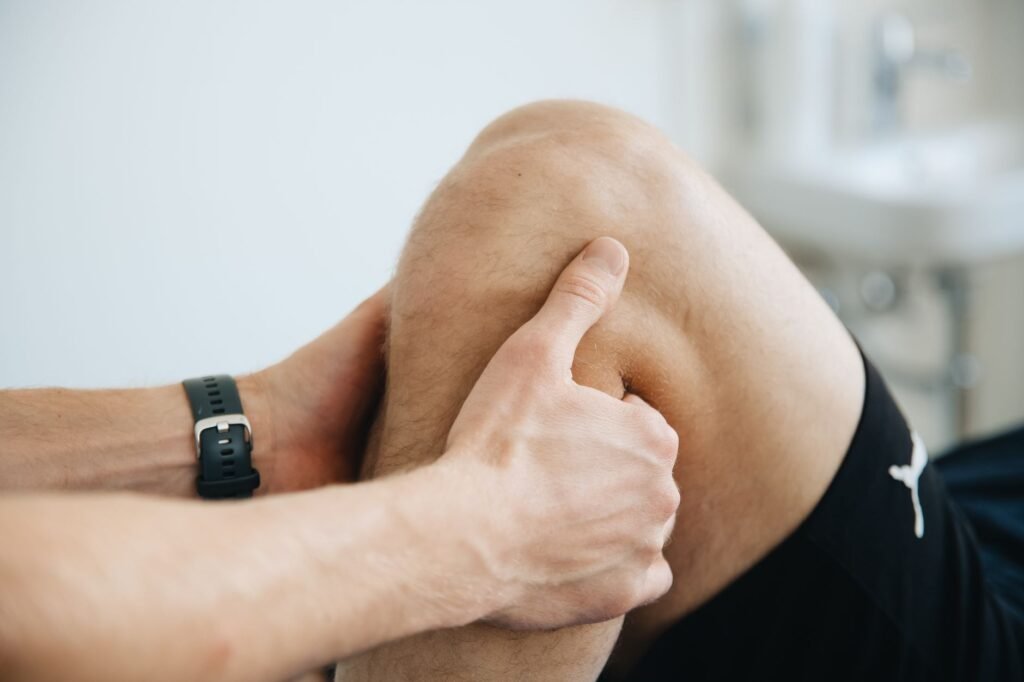
Accurate and thorough documentation is essential when you seek to document injury for compensation. By following effective injury documentation tips, you can ensure that you gather all necessary personal injury evidence. This evidence will play a crucial role in supporting your injury claim, ultimately increasing your chances of receiving the compensation you deserve.
Start by keeping detailed records of your medical treatment, expenses, and any impact on your daily life. Photographic evidence can also bolster your case significantly. Taking these steps not only strengthens your claim but also provides a clear narrative of your experience. To maximize your chances of success, consider consulting a legal professional who specializes in personal injury cases. They can guide you on how to best present your evidence for an injury claim, paving the way for a more favorable outcome.
“`html
What documents do I need to support my injury claim?
To support your injury claim, gather essential documents such as medical records, bills, and treatment plans. Include accident reports, photographs of the scene and your injuries, employment records to demonstrate lost wages, and witness statements. All these documents serve as vital evidence for injury claims, helping to establish the extent and impact of your injuries.
How can I effectively document my injury for compensation?
Effectively documenting your injury for compensation involves compiling thorough and organized records. Start with detailed medical documentation, including diagnoses and treatment plans. Take photographs of your injuries and keep a daily journal of your pain levels and recovery progress. Collect receipts for all medical expenses and any related out-of-pocket costs. This comprehensive approach will enhance your case.
What types of evidence are most persuasive in injury claims?
The most persuasive types of evidence in injury claims include medical records that detail your diagnosis and treatment, photographs of injuries, and witness statements supporting your account of the incident. Additionally, expert opinions from medical professionals can bolster your claim. Comprehensive documentation is crucial to establish the extent of your injuries and their impact on your life.
Should I hire a lawyer for my personal injury case?
Hiring a lawyer for your personal injury case can be highly beneficial. An experienced attorney can navigate the complexities of the legal system, negotiate with insurance companies, and ensure you receive fair compensation. They can also help you document your injury for compensation effectively, and understand the nuances of personal injury law, which can significantly enhance your chances of a successful claim.
How do I keep track of my medical treatment and expenses?
To keep track of your medical treatment and expenses, maintain a detailed log that includes dates, types of treatments received, and associated costs. Save all medical bills, receipts, and insurance statements in a dedicated folder, either physical or digital. This organized record will be invaluable when you need to document your injury for compensation and can streamline the claims process.
What common mistakes should I avoid when documenting an injury?
Common mistakes to avoid when documenting an injury include failing to gather comprehensive medical records and ignoring the importance of witness statements. Don’t delay in taking photographs of injuries and the accident scene, as evidence can fade over time. Additionally, avoid making recorded statements to insurance companies without legal advice, as it may jeopardize your claim.
“`