
Documenting injury for claim is a critical process that can significantly influence the outcome of any personal injury case. Proper injury documentation not only serves as essential claim evidence but also acts as personal injury proof that substantiates your case. In this comprehensive guide, we will explore the importance of documenting injuries accurately and effectively, ensuring that you have the best chance of securing the compensation you deserve. We will outline the key steps for effective injury documentation, including the role of witnesses in strengthening your claims. Additionally, we will highlight common mistakes made during the documentation process and provide insights on how to utilize your documentation effectively within the claim process. By following these guidelines, you will be better prepared to navigate the complexities of injury claims and enhance your chances for a successful outcome. For further reading on legal rights and procedures, visit Nolo or American Bar Association.
Understanding the Importance of Documenting Injury for Claim
Why Accurate Injury Documentation Matters
Documenting injury for claim purposes is crucial for anyone seeking compensation for personal injuries. Thorough injury documentation not only provides a clear account of what occurred but also substantiates the severity of the injuries sustained. Inadequate or inconsistent documentation can lead to disputes with insurance companies and potentially lower settlement amounts. In fact, research shows that claimants with detailed medical records and evidence are more likely to receive favorable outcomes in their claims. Accurate records serve as personal injury proof, demonstrating the impact of the incident on the injured party’s life.
Common Types of Claim Evidence
Effective injury documentation encompasses various forms of claim evidence. Here are some key types to consider:
- Medical Records: These documents detail diagnoses, treatment plans, and medical evaluations from healthcare providers.
- Photographs: Visual evidence of injuries, the accident scene, and any relevant surroundings can significantly bolster your claim.

Photo by cottonbro studio on Pexels - Witness Statements: Accounts from individuals who observed the incident can provide additional context and support your version of events.
- Incident Reports: Documentation from authorities or employers regarding the details of the accident can also be instrumental.
By understanding the importance of documenting injury for claim purposes and gathering comprehensive evidence, you enhance your chances of a successful outcome. For more information on how to effectively document your injury, refer to our detailed guide on injury claim calculator mistakes.
Steps for Effective Injury Documentation
Documenting injury for claim purposes is a critical step in ensuring that you have the necessary proof to support your case. Whether you are pursuing a personal injury lawsuit or filing an insurance claim, thorough injury documentation is essential. Here’s how to effectively document your injuries.
Gathering Medical Records and Reports
The first step in documenting injury for claim is to collect all relevant medical records and reports. This includes:
- Emergency Room Reports: Obtain a copy of all documentation from your initial visit.
- Physician’s Notes: Ensure you have records of follow-up appointments and assessments.
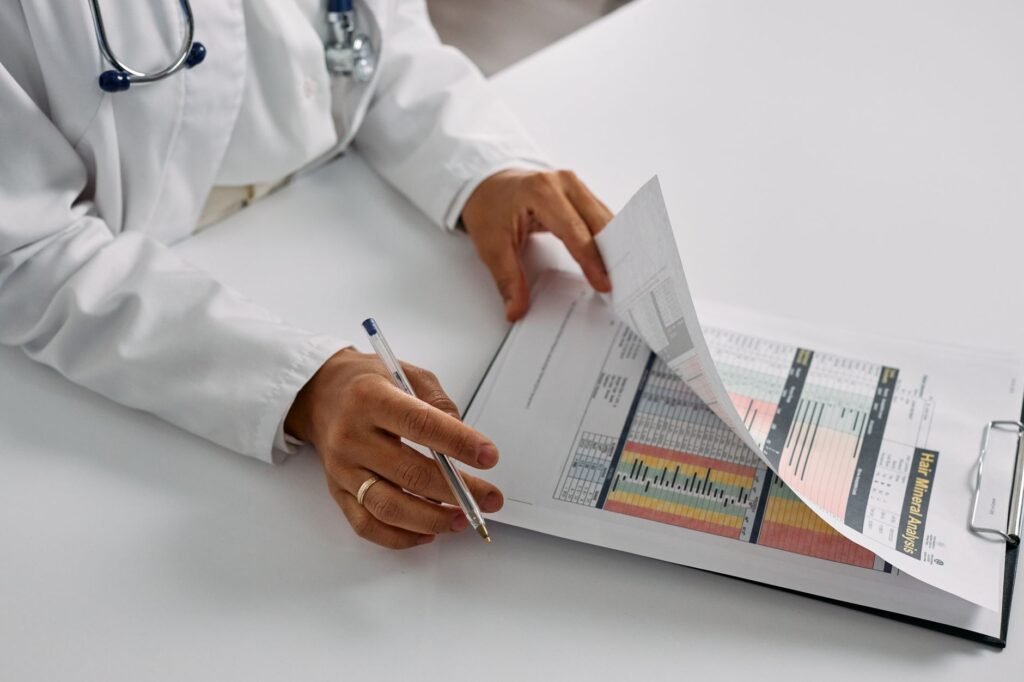
- Diagnostic Tests: Include results from X-rays, MRIs, and other tests.
- Treatment Plans: Document any prescribed therapies or medications.
These records serve as crucial claim evidence and can substantiate your injury claims effectively. Maintain an organized file of your injury documentation to streamline the claims process.
Collecting Photographic Evidence
Photographs can be vital personal injury proof in your documentation. Here’s how to capture effective photographic evidence:
- Take Photos Immediately: Document the injury as soon as possible after the incident.
- Include Context: Capture the surroundings; this helps establish how the injury occurred.
- Use Timestamps: Ensure your camera or smartphone is set to display the date and time for authenticity.
- Show Progression: Take follow-up photos to document healing or deterioration over time.
Well-documented injuries with visual evidence can significantly strengthen your claim. Remember, clear and organized documentation can make a substantial difference in the outcome of your claim.
The Role of Witnesses in Documenting Injury for Claim
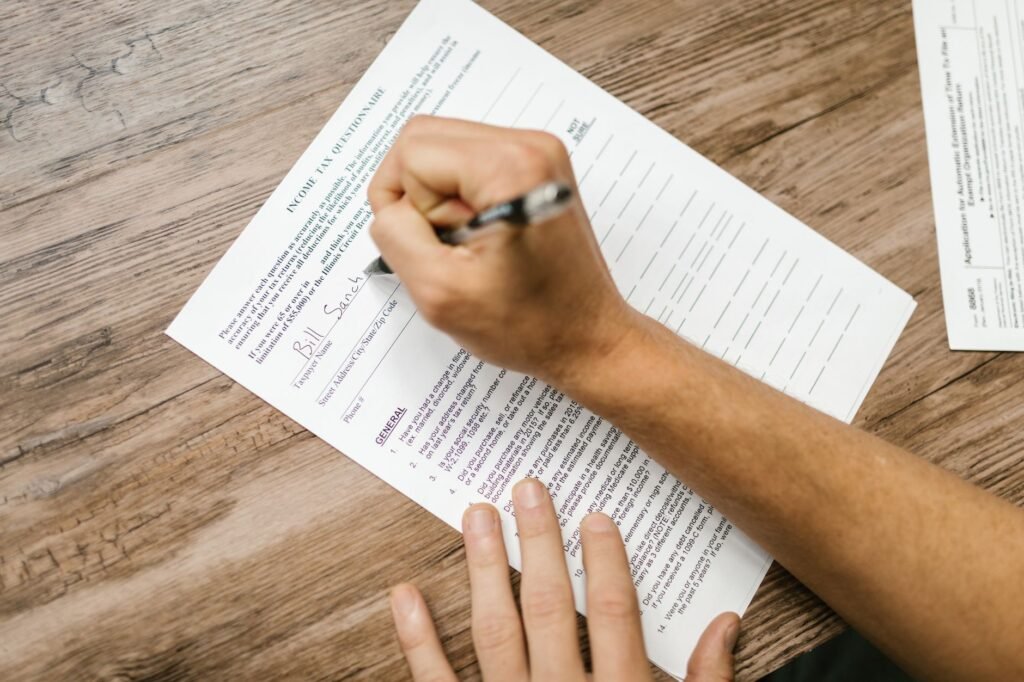
Witness statements are invaluable when it comes to documenting injury for claim purposes. They can serve as critical claim evidence, helping to substantiate your account of the incident and provide additional perspectives on the circumstances surrounding your injury. Having credible witnesses can significantly bolster your case, making it essential to approach this aspect of injury documentation with care and strategic planning.
How to Collect Witness Statements
When gathering witness statements, it’s important to be organized and thorough. Here are actionable steps to ensure you collect meaningful testimony:
- Identify Witnesses: Look for individuals present during the incident. This can include bystanders, passersby, or even people involved in the event.
- Approach with Sensitivity: Politely ask witnesses if they would be willing to provide a statement. Explain the importance of their testimony in documenting injury for claim purposes.
- Collect Key Information: Obtain their full name, contact information, and a brief account of what they witnessed. Ensure they understand they may be contacted later for more details.
Be sure to ask witnesses to write down their statements if possible, as written documentation can serve as strong personal injury proof.
The Impact of Witnesses on Personal Injury Proof
Witness testimonies can significantly influence the outcome of your claim. They provide an unbiased account of the events, which can corroborate your version of the story. This is particularly important in cases where liability is contested. A strong witness statement can elevate your injury documentation and support your claims regarding negligence or fault.
In addition to the testimony, having contact information for witnesses allows your legal team to reach out if further clarification is needed. This can enhance the credibility of your claim evidence, ultimately increasing your chances of a favorable outcome.
Common Mistakes in Injury Documentation
When it comes to documenting injury for claim purposes, individuals often make mistakes that can jeopardize their potential compensation. Understanding these common pitfalls is essential for effective injury documentation that serves as strong claim evidence.
Overlooking Key Evidence
A frequent error in injury documentation is the failure to capture critical evidence surrounding the incident. Many individuals neglect to document the context of the event, including the conditions that led to the injury. For instance, details such as the time of day, weather conditions, and location can significantly impact the validity of personal injury proof. Without this information, establishing liability can become complicated.
Failing to Keep Detailed Records
Another common mistake is not maintaining thorough records of medical treatments, symptoms, and recovery progress. This includes dates of doctor visits, treatments received, and even daily pain levels. These details are vital when building a comprehensive injury documentation file. Accurate records not only support claims but also provide a timeline that can demonstrate the ongoing impact of the injury on daily life.
To ensure you avoid these missteps, consider the following actionable takeaways:
- Document everything: From photographs of the scene to witness statements, gather as much evidence as possible.
- Log your recovery: Keep a diary of symptoms and treatments to illustrate the injury’s effects over time.
- Consult professionals: Seek guidance from legal or medical professionals to ensure you’re capturing all necessary information.
By paying attention to detail and avoiding common mistakes, you can strengthen your case when documenting injury for claim purposes. 
For more tips on effective injury documentation, check our detailed guide on gathering evidence for your injury claim calculation.
How to Use Your Documentation in the Claim Process
Presenting Your Evidence Effectively
When documenting injury for claim, the way you present your evidence can significantly impact the outcome. Insurance companies and courts require clear, organized, and relevant injury documentation to support your case. Begin by compiling all relevant materials, including medical records, photographs, witness statements, and police reports. Each piece of evidence should be clearly labeled and categorized to facilitate easy review.
When submitting your claim, include a cover letter summarizing your injuries, treatments, and the impact on your daily life. This narrative should complement your claim evidence, providing context that numbers or photos alone cannot convey. Ensure your documentation is concise and free from ambiguity, focusing on facts that establish the extent of your injuries and any associated costs.
Consider creating a timeline of events to visually represent your journey from injury to recovery. Such a timeline can be an effective tool in demonstrating the progression of your injuries to adjusters or judges. 
Working with Legal Professionals
Engaging an attorney experienced in personal injury cases can be invaluable in navigating the complexities of your claim. Legal professionals can help compile and present your personal injury proof in a compelling manner, ensuring that no critical detail is overlooked. They understand the nuances of the legal system and can advise on the types of evidence that will hold the most weight in court.
Moreover, lawyers can assist in negotiating with insurance companies, leveraging their expertise to advocate for a fair settlement. They can also provide insights on how to best organize your documentation and what additional evidence might strengthen your case. When documenting injury for claim, having an expert by your side can enhance your chances of a favorable outcome.
For more information on effective injury documentation strategies, consider consulting resources like essential evidence for injury claims or how medical records impact your injury claim.
Conclusion: The Path to a Successful Claim
Securing a favorable outcome for your claim hinges on one crucial factor: thorough documentation. When it comes to documenting injury for claim purposes, every detail matters. Proper injury documentation serves as the foundation of your claim evidence, enabling you to establish the extent of your injuries and their impact on your life. This not only strengthens your case but also enhances your negotiation position.
To successfully navigate the claims process, it is imperative to take proactive steps in gathering and maintaining your injury documentation. Start by consistently documenting all aspects of your injury, including medical records, photographs, and witness statements. These pieces serve as vital personal injury proof that corroborates your narrative, making it easier for insurance companies or courts to understand the full scope of your situation.
Additionally, keep a detailed record of any expenses incurred due to your injury, including medical bills, rehabilitation costs, and lost wages. This comprehensive evidence can significantly influence the outcome of your claim. By being diligent and organized in your documentation efforts, you not only protect your rights but also set yourself up for a smoother claims process.
For those looking to maximize their chances of a successful claim, consider consulting with a legal professional who specializes in personal injury cases. They can provide invaluable guidance on effectively documenting injury for claim, ensuring you are well-prepared to present your case.

Effectively documenting injury for claim purposes is vital for a successful outcome. By maintaining thorough injury documentation and gathering appropriate claim evidence, you strengthen your position and enhance your chances of receiving fair compensation. Remember, personal injury proof is not just about photographs and medical reports; it’s also about keeping a detailed record of your experiences, treatments, and the impact of the injury on your daily life.
As you navigate the claims process, prioritize the organization of your documentation. Develop a systematic approach to collect and store all relevant information. For anyone seeking to ensure their rights are protected, taking the time to establish a comprehensive record can be the difference between a successful claim and an unfavorable outcome. Start today by evaluating your current documentation practices and making improvements where necessary, ensuring that your efforts contribute effectively to your claim.
“`html
What is the best way to document my injury for a claim?
The best way to document your injury for a claim includes taking detailed photographs of the injury, keeping a record of medical visits, and maintaining a journal of your recovery process. Ensure you gather all medical reports and bills associated with your treatment. This comprehensive approach provides a strong foundation for your claim and helps demonstrate the extent of your injuries and the impact on your life.
What types of injury documentation are most effective?
Effective types of injury documentation include medical records, photographs of injuries, witness statements, and accident reports. Additionally, keeping a diary of your symptoms and how the injury affects your daily life can significantly bolster your case. These forms of injury documentation will serve as personal injury proof, illustrating the severity and impact of your injuries to support your claim.
How do I gather claim evidence after an accident?
To gather claim evidence after an accident, start by collecting all relevant documents such as police reports, medical records, and photographs of the scene and injuries. Speak to witnesses and obtain their contact information for statements if needed. Additionally, keep copies of any communication with insurance companies. This thorough collection will strengthen your case and assist in documenting injury for claim purposes.
Why is personal injury proof important in a claim?
Personal injury proof is vital in a claim because it substantiates your injuries and the associated damages. Without solid evidence, such as medical records and accident documentation, it becomes challenging to prove the extent of your suffering and the financial impact on your life. Strong personal injury proof can significantly influence the outcome of your claim, ensuring you receive fair compensation.
What common mistakes should I avoid in injury documentation?
Common mistakes to avoid in injury documentation include failing to keep organized records, not obtaining all necessary medical documentation, and neglecting to document the accident scene thoroughly. Additionally, overlooking witness contacts or not following up on their statements can weaken your case. Consistently updating your documentation and being meticulous can help prevent these pitfalls in your claim process.
How can witnesses support my injury claim?
Witnesses can support your injury claim by providing unbiased accounts of the accident and its aftermath. Their statements can confirm your version of events, bolster your credibility, and provide additional context to your injuries. It is beneficial to gather contact information from witnesses at the scene and follow up to obtain written statements. Their testimonies can be crucial in documenting injury for claim purposes.
“`