
After submitting an injury claim, many individuals find themselves unsure of what to expect next. Understanding the claim process timeline is essential for managing your expectations and preparing for the stages that follow. This article will guide you through the crucial next steps after claim submission, detailing what happens after an injury claim is filed and how you can navigate this often-complex landscape. From receiving acknowledgment of your claim to potential negotiations and settlements, we will cover all key aspects to help you feel informed and empowered. Additionally, we’ll address frequently asked questions about injury claims, ensuring you have a comprehensive overview of the entire process. Whether you’re new to filing a claim or seeking clarity on what to do next, this article aims to provide the insights you need to move forward confidently. For more information, you might find resources from Nolo and USA.gov helpful in understanding your rights and options.
What Happens After Submitting an Injury Claim
Understanding the Initial Review Process After Submitting Injury Claim
Once you have submitted your injury claim, the first step in the process is the initial review conducted by an insurance adjuster. This professional is responsible for assessing the details of your claim, including the nature of the injury, the circumstances surrounding the incident, and the documentation provided. The adjuster will evaluate whether the claim meets the policy requirements, which is crucial in determining the next steps after claim submission.
Typically, the adjuster will reach out to you for further information, which may include additional medical records, accident reports, or witness statements. This phase can vary in duration, depending on the complexity of your case and the volume of claims being processed by the insurer. Generally, you can expect a response within a few weeks, but this timeline can fluctuate.
The Importance of Documentation
Documentation plays a pivotal role in what happens after an injury claim is submitted. A well-documented claim can significantly expedite the review process and strengthen your case. Essential documents include medical reports, proof of lost wages, and receipts for any related expenses. These records serve to substantiate your claim and demonstrate the impact of the injury on your life.
Moreover, the thoroughness of your documentation can influence the outcome of negotiations with the insurance company. Adjusters rely heavily on the evidence presented to determine compensation amounts, making it vital to provide clear and comprehensive records. If you encounter any challenges in gathering these documents, consider consulting a legal professional who specializes in personal injury claims. They can guide you through the claim process timeline and ensure that you have all necessary materials prepared.
after submitting your injury claim, the initial review by an adjuster and the importance of thorough documentation are critical components that will shape the direction of your case. Staying organized and responsive during this phase will facilitate smoother interactions with your insurer and increase the likelihood of a favorable resolution.
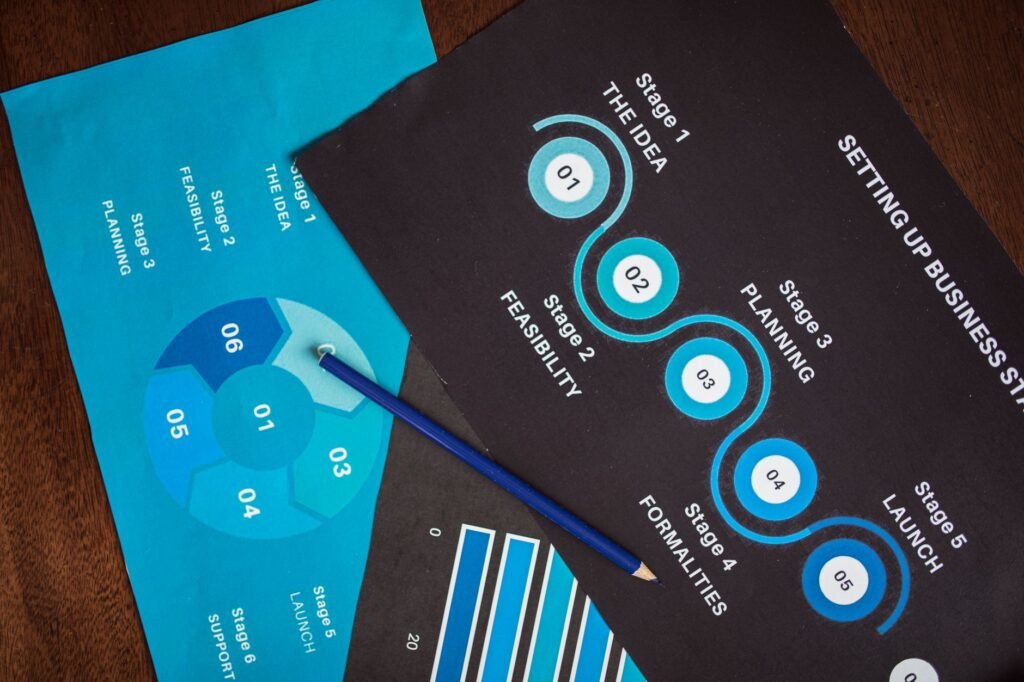
Claim Process Timeline: What to Expect After Submitting an Injury Claim
Understanding the claim process timeline can alleviate some of the uncertainty that comes with submitting an injury claim. After submitting your injury claim, it’s essential to know what phases lie ahead, how long each phase might take, and what factors can influence your timeline.
Typical Duration of Each Phase
The claim process generally unfolds in several stages, each with its own duration:
- Investigation (1-6 months): After you submit your claim, the insurer will initiate an investigation to gather all relevant facts. This may include interviews, gathering medical records, and reviewing police reports. The complexity of your case can significantly impact this duration.
- Negotiation (1-3 months): Once the investigation is complete, the insurer will make an initial offer. This phase involves back-and-forth negotiations, where you may counter the offer based on your assessment of damages and losses. The responsiveness of both parties can speed up or prolong this stage.
- Resolution (1 month or longer): If negotiations lead to an agreement, the claim will be resolved, and you will receive your settlement. However, if an agreement cannot be reached, you may need to consider litigation, which can extend the process significantly.
In total, the complete claim process can take anywhere from a few months to over a year, depending on various circumstances. Understanding these phases helps set realistic expectations about what happens after an injury claim is submitted.
Factors That Can Affect Your Timeline
Several elements can influence the duration of your claim process:
- Complexity of the Case: More complex cases involving severe injuries or multiple parties can take longer to resolve.
- Responsiveness: Delays can occur if the involved parties (including medical providers or witnesses) are slow to respond to requests for information.
- Legal Representation: Having an experienced attorney can streamline the process, as they understand how to navigate negotiations and legal requirements effectively.
By being informed about the claim process timeline and the next steps after your claim, you can manage your expectations and remain proactive throughout the journey. For a detailed checklist of documents needed after submitting an injury claim, refer to the image below.

knowing what happens after an injury claim is essential for navigating the complexities of the process. Stay engaged, keep lines of communication open, and consult with legal experts to ensure a smoother experience during this period.
Next Steps After Claim Submission
Once you have submitted your injury claim, understanding the next steps is crucial for navigating the claim process effectively. This section will guide you through essential actions, including maintaining communication with your claims adjuster and preparing for various potential outcomes.
Communicating with Your Adjuster
After submitting an injury claim, one of the most important steps you can take is to maintain open lines of communication with your claims adjuster. The adjuster is your primary point of contact and plays a significant role in the evaluation of your claim. Make sure to:
- Be Proactive: Don’t wait for the adjuster to reach out; regularly check in to ask about the progress of your claim.
- Provide Additional Information: If the adjuster requests more documentation or clarification, respond promptly to avoid delays.
- Document Communication: Keep a record of all interactions, including dates, times, and the substance of conversations, to support your case and track progress.
Effective communication can significantly influence the claim process timeline and help ensure that your claim is processed as efficiently as possible.
Preparing for Possible Outcomes After Submitting an Injury Claim
As your claim moves forward, it is essential to prepare for various potential outcomes. Here are some scenarios you may encounter:
- Settlement Offers: The adjuster may present a settlement offer based on the evidence submitted. Be prepared to evaluate whether this offer meets your needs and covers all medical expenses, lost wages, and other damages.
- Further Negotiations: If the initial offer is unsatisfactory, you may need to negotiate. Gather evidence, such as medical records and expert opinions, to support your counteroffer.
- Claim Denial: In some cases, the claim could be denied. If this happens, review the denial letter carefully and consider appealing the decision or seeking legal advice.
Understanding what happens after an injury claim is essential for your next steps. By preparing for these outcomes, you can navigate the process with confidence and make informed decisions.

For more detailed guidance on managing your claim and possible outcomes, consider consulting with a legal professional who specializes in personal injury claims. Their expertise can help you navigate the complexities of the claims process effectively.
Staying informed and proactive is key to ensuring your claim is handled fairly and efficiently. Prepare for the journey ahead, and you will be better equipped to respond to any developments that arise.
Frequently Asked Questions About Injury Claims
What to Expect After Submitting an Injury Claim
After submitting an injury claim, many individuals find themselves with pressing questions about the next steps in the process. Understanding the common concerns can alleviate anxiety and prepare you for what lies ahead.
What happens after injury claim submission?
After you submit your injury claim, the insurance company will initiate a review process. This typically involves gathering documentation related to your injury, such as medical records, police reports, and any evidence of liability. The insurer may also contact witnesses to gather statements that support your case. This phase can take anywhere from a few weeks to several months, depending on the complexity of your claim and the specifics of your situation. For more detailed information on the claim process timeline, you may want to consult an insurance expert or legal professional.
What are the next steps after claim submission?
Once you’ve submitted your claim, the next steps generally include:
- Awaiting acknowledgment from the insurance company.
- Providing additional documentation as requested.
- Participating in an independent medical examination (IME), if required.
- Negotiating the settlement offer when it is presented.
Being proactive and responsive during this stage can significantly influence the outcome of your claim.
How long does the claim process take?
The claim process timeline varies widely based on multiple factors, including the complexity of your case, the responsiveness of the parties involved, and any disputes that may arise. On average, straightforward claims may be resolved within three to six months, while more complicated cases could take a year or longer. Staying informed and maintaining communication with your insurance adjuster can help expedite the process.

What if my claim is denied?
If your claim is denied, you have the right to appeal the decision. Review the denial letter carefully to understand the reasons behind it. You may need to provide additional evidence or clarify specific points in your claim. Seeking legal assistance can be beneficial during this phase to effectively navigate the appeals process.
Understanding the intricacies of what happens after an injury claim can empower you to take informed actions and advocate for your rights effectively. If you have further questions, consider consulting a qualified attorney to guide you through the process.
Understanding what happens after submitting an injury claim is crucial to navigating the complexities of the claim process. Typically, you can expect the insurance company to start the review process, assessing the details and evidence you provided. This phase can vary in duration, impacting the claim process timeline, and it is essential to stay informed about the progress. As you await their response, consider what the next steps after claim submission might entail, including gathering additional documentation or preparing for potential negotiations.
As you move forward, remember that being proactive is key. Knowing what happens after injury claim submission will help you manage your expectations and prepare for discussions with insurance representatives. If you haven’t already, reach out to a legal professional who can guide you through the remaining steps. This partnership can also ensure that you are adequately compensated for your injuries. Stay engaged and informed to navigate the process effectively.
“`html
What happens after I submit an injury claim?
After submitting an injury claim, the insurance company will review your case. They will assess the details you’ve provided, including medical records and any other evidence of your injury. This review process is essential to determine the validity of your claim and the compensation you may be entitled to. You may also be contacted for further information or clarification during this stage.
How long does the injury claim process take?
The length of the injury claim process can vary widely, depending on the complexity of your case and the responsiveness of the involved parties. Generally, the claim process timeline can take anywhere from a few weeks to several months. Factors influencing this duration include the thoroughness of the investigation, the need for additional documentation, and possible negotiations regarding settlement amounts.
What should I do after submitting my injury claim?
After submitting your injury claim, it is important to stay organized and proactive. Keep a detailed record of all communications with the insurance company and any medical appointments related to your injury. Additionally, follow up with the insurer to check on the status of your claim. This will help you understand the next steps after the claim and ensure that your case is progressing smoothly.
Will I need to provide additional information after my claim is submitted?
Yes, it is common for insurance companies to request additional information after you submit your injury claim. They may need further documentation, such as medical records, police reports, or witness statements, to fully evaluate your case. Be prepared to respond promptly to any requests to avoid delays in the processing of your claim.
What are my options if my injury claim is denied?
If your injury claim is denied, you have several options. First, you can appeal the decision by providing additional evidence or clarification. Review the denial letter carefully to understand the reasons for denial. If the appeal is unsuccessful, you may consider legal action or consulting with an attorney who specializes in personal injury claims to explore further options.
How can I speed up the injury claim process?
To speed up the injury claim process, ensure that you provide all necessary documentation and information promptly when requested. Clear and thorough communication with the insurance adjuster can also help prevent delays. Staying organized and following up regularly about your claim status will keep your case moving forward and may result in a quicker resolution.
“`