Understanding the factors affecting injury claim settlement is crucial for anyone navigating the often complex landscape of personal injury compensation. When pursuing an injury claim, numerous settlement amount factors come into play, significantly influencing the overall value of your case. This article delves into key components that determine your injury claim value, including the critical role of medical documentation and the impact of effective negotiation and legal representation. Additionally, we will explore how insurance company tactics can affect settlement amounts, providing you with insights to maximize your potential compensation. By understanding these dynamics, you can approach your claim with the knowledge necessary to advocate for fair treatment and appropriate restitution for your injuries. For more information on personal injury law, you may find resources at Nolo. Join us as we unpack these essential factors and equip you with the tools to navigate your personal injury claim effectively.
Understanding the Factors Affecting Injury Claim Settlement
What is an Injury Claim?
An injury claim is a legal request for compensation following an incident that causes harm to an individual. This can include physical injuries, emotional distress, or damage to property. Typically, these claims arise from accidents, medical malpractice, or workplace incidents. Understanding the intricacies of injury claims is crucial, as it can significantly impact the outcome and the amount of personal injury compensation awarded to the claimant.
The Importance of Settlement Amount Factors in Injury Claims
When pursuing an injury claim, several factors affecting injury claim settlement come into play, influencing the overall injury claim value. These factors include the severity of the injury, medical expenses, lost wages, and even the claimant’s credibility. For instance, a severe injury requiring extensive medical treatment will typically command a higher settlement amount than a minor injury. Additionally, the clarity of evidence presented, including medical records and witness statements, can sway negotiations in favor of the claimant.
Understanding these settlement amount factors is crucial for potential claimants, as they can better prepare their case and maximize their compensation. It is essential to gather comprehensive documentation and evidence to substantiate the claim, ensuring that all aspects of the injury and its impact on daily life are adequately represented. By being informed about how the injury claim value is determined, claimants can approach negotiations with confidence and clarity.

Key Factors Influencing Your Injury Claim Value
Severity of Injuries and Its Role Among Factors Affecting Injury Claim Settlement
The severity of injuries sustained in an accident plays a critical role in determining the overall injury claim value. Generally, more severe injuries result in higher medical expenses, longer recovery times, and greater pain and suffering, all of which can significantly influence the settlement amount factors. For example, a fractured bone may lead to substantial medical bills and rehabilitation costs, while more severe injuries, such as traumatic brain injuries or spinal cord injuries, could result in lifelong care needs and loss of quality of life. According to the National Institutes of Health, these factors are often quantified by evaluating the impact on the claimant’s physical and emotional well-being.
Impact on Daily Life and Employment
Another crucial aspect to consider is how injuries affect daily life and employment. If an injury limits a person’s ability to work, engage in regular activities, or maintain relationships, this can dramatically increase the personal injury compensation sought in a claim. Claimants may need to prove that their injuries led to lost wages or a diminished earning capacity, which can be evidenced through medical documentation and employment history. Moreover, the long-term consequences of an injury can affect not just the present but also future earning potential, adding to the complexity of calculating the total injury claim value.

Understanding these factors affecting injury claim settlement is essential for claimants to accurately assess their situation and prepare for negotiations. Gathering comprehensive evidence, including medical records and expert testimonies, can significantly bolster a claim. Top 5 Factors Affecting Your Injury Claim Settlement.
The Role of Medical Documentation in Settlements
Importance of Medical Records
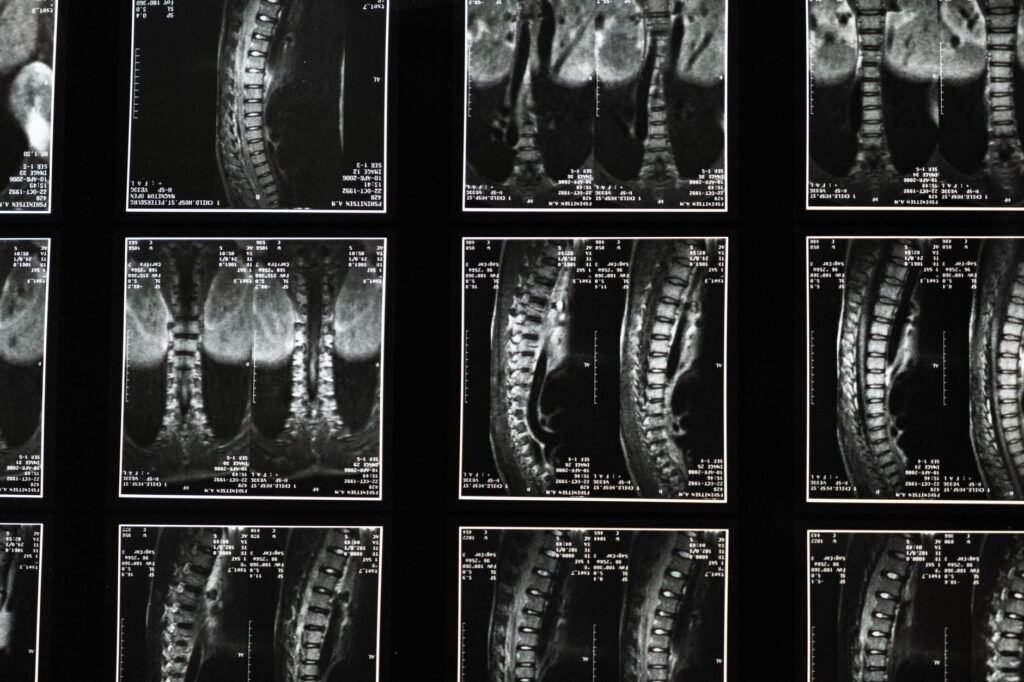
Medical documentation plays a crucial role in the injury claim process. Comprehensive medical records serve as the backbone of any personal injury case, providing evidence of the injuries sustained and the treatments received. This documentation includes medical history, diagnostic tests, treatment plans, and follow-up visits. Having accurate and thorough medical records can significantly affect the injury claim value, as they directly correlate to the severity of the injury and the ongoing impact on the claimant’s life.
For instance, a study by the National Institutes of Health highlights that detailed medical records can increase the likelihood of a favorable settlement by offering clear evidence of the injury’s impact. Without these records, it becomes challenging to substantiate claims, which can lead to lower settlements or even claim denials.
How Documentation Affects Compensation
The factors affecting injury claim settlement are heavily influenced by the quality of medical documentation. Insurers often rely on these records to evaluate the legitimacy of a claim and to determine appropriate compensation. Inadequate or poorly organized documentation can raise red flags, leading to skepticism from the insurer and potentially lower personal injury compensation.
Moreover, proper documentation can help establish a clear causal link between the accident and the injuries, which is essential for proving liability. This is why it is vital for claimants to keep meticulous records of all medical treatments and expenses related to their injuries. By doing so, they can better advocate for their rights and ensure they receive a fair settlement amount.
maintaining thorough medical records is essential for maximizing the outcome of an injury claim. By understanding the critical role of medical documentation in the settlement process, claimants can take proactive steps to enhance their chances of achieving a favorable resolution. Key Injury Claim Settlement Factors Explained.
Negotiation and Legal Representation
The Importance of Legal Guidance in Factors Affecting Injury Claim Settlement
Navigating the complexities of an injury claim can be daunting. Having an attorney with experience in personal injury law can significantly influence the outcome of your case. Legal representation not only helps in understanding the factors affecting injury claim settlement, but it also ensures that you are aware of your rights and potential compensation. Studies show that individuals with legal representation tend to receive settlements that are considerably higher than those who negotiate on their own. According to a study by the American Bar Association, injured parties with lawyers often secure settlements that are 3.5 times larger than those without.
Negotiation Strategies for Better Settlements
Effective negotiation can greatly enhance your injury claim value. Here are some actionable strategies to consider:
- Research and Documentation: Gather all relevant medical records, bills, and evidence to support your claim. This documentation will serve as a strong foundation for your negotiations.
- Know Your Worth: Understand the full extent of your damages, including medical expenses, lost wages, and emotional suffering. This comprehensive view will help you articulate your case more effectively.
- Be Patient: Insurance companies often start with low offers. Be prepared to negotiate and counter with a well-supported demand based on your injury claim value.
- Utilize Legal Expertise: Leverage your attorney’s negotiation skills. A seasoned lawyer knows how to communicate effectively with insurance adjusters and can help you navigate settlement amount factors.
Implementing these strategies, alongside professional legal guidance, can lead to better outcomes in your personal injury compensation claims. Always remember that an informed and prepared negotiator stands a better chance of securing a fair settlement.

Insurance Company Tactics and Their Effect on Settlement Amounts
Insurance companies often employ various tactics to minimize payouts, which can significantly influence the factors affecting injury claim settlement. Understanding these strategies is crucial for claimants aiming to secure adequate personal injury compensation.
Common Insurance Company Strategies
One common tactic is to offer low initial settlement amounts, hoping that claimants will accept these offers without negotiating. This approach takes advantage of individuals who may not fully understand the true value of their injury claim. Additionally, insurers might delay the claims process, increasing the pressure on claimants to settle quickly, often for less than they deserve. They may also scrutinize medical records and other documentation to find discrepancies that could weaken a claimant’s position. These strategies are designed to reduce the overall injury claim value presented by the claimant.
How to Counteract Low Initial Offers
To effectively counteract these low offers, claimants should first conduct thorough research to understand the realistic value of their claims, considering all settlement amount factors. Documenting all medical expenses, lost wages, and emotional suffering is essential. Presenting this information clearly can help build a stronger case. Engaging a personal injury attorney is advisable, as they can negotiate on behalf of the claimant and provide insights into the typical compensation amounts for similar cases. Additionally, remaining patient during the negotiation process can yield better results than hastily accepting an initial offer.
By recognizing and responding to the tactics used by insurance companies, claimants can maximize their compensation and ensure that they receive a fair settlement.

“`html
Conclusion: Maximizing Your Settlement Through Knowledge
Understanding the factors affecting injury claim settlement is crucial for anyone pursuing compensation after an accident. By recognizing these elements, individuals can effectively navigate the complexities of the claims process and optimize their injury claim value.
Key Factors Affecting Injury Claim Settlement
Settlement amount factors such as the severity of injuries, medical expenses, lost wages, and emotional distress all play significant roles in determining the final compensation. Additionally, evidence strength, liability, and the insurance company’s policies can influence outcomes. Being well-informed about these factors can empower claimants to negotiate more effectively with insurers or pursue litigation if necessary.
Preparation is also essential. Gathering thorough documentation, including medical records, accident reports, and witness statements, can significantly bolster your position. Understanding your rights and the legal framework surrounding personal injury claims will further enhance your ability to advocate for fair personal injury compensation.
Ultimately, knowledge is your best ally in maximizing your settlement. By understanding the factors affecting injury claim settlement and taking proactive steps, you can better ensure that you receive the compensation you deserve.

“`
Understanding the factors affecting injury claim settlement is essential for anyone navigating the complexities of personal injury claims. The interplay of various settlement amount factors, such as the severity of injuries, the clarity of liability, and the extent of medical expenses, can significantly influence the injury claim value. By being informed about these elements, claimants can better assess their potential outcomes and make strategic decisions during negotiations.
As you move forward, consider consulting with a legal professional who specializes in personal injury compensation. They can provide invaluable insights tailored to your specific situation, ensuring that you understand the nuances of your claim. Remember, a well-prepared claim that considers all relevant factors affecting injury claim settlement can lead to a more favorable outcome. Take the next step in your journey by seeking expert guidance to enhance your chances of receiving the compensation you deserve.
“`html
What factors affect injury claim settlements?
Several key factors affect injury claim settlements, including the severity of the injury, medical expenses, lost wages, and the impact on your quality of life. Additionally, liability issues, insurance policy limits, and negotiations between parties can significantly influence the final settlement amount. Understanding these factors affecting injury claim settlement can help you better assess your own claim.
How is the settlement amount calculated?
The settlement amount is typically calculated by evaluating both economic and non-economic damages. Economic damages can include medical bills and lost wages, while non-economic damages account for pain, suffering, and emotional distress. Insurance adjusters will consider the evidence provided, including medical records and witness statements, to determine a fair settlement. Each case is unique, making accurate calculations essential.
What role does medical documentation play in injury claims?
Medical documentation plays a crucial role in establishing the legitimacy of your injury claim. It provides evidence of the injury, treatment received, and ongoing medical needs, which are essential for calculating the injury claim value. Comprehensive records can strengthen your case and support your demand for a higher settlement, making it vital to keep thorough documentation throughout your recovery process.
Do insurance companies influence injury settlement amounts?
Yes, insurance companies do influence injury settlement amounts significantly. Their goal is to minimize payouts, so they often offer lower initial settlements. They rely on various factors, including policy limits and the perceived strength of your claim, to determine their offer. Understanding this can help you negotiate more effectively and advocate for the compensation you deserve.
How can I improve my personal injury compensation?
To improve your personal injury compensation, gather thorough documentation of your injuries, medical treatment, and any related expenses. Consult with a personal injury attorney who can guide you through the legal process and negotiate on your behalf. Additionally, being prepared to counter low initial offers and understanding the full extent of your damages can enhance your settlement potential.
What are common negotiation strategies for injury claims?
Common negotiation strategies for injury claims include establishing a solid base for your claim with documented evidence, clearly articulating the impact of the injury on your life, and being patient throughout the negotiation process. It is also beneficial to anticipate counteroffers and be prepared to adjust your demands based on the insurer’s response. Seeking professional legal advice can further enhance your negotiation tactics.
“`