
The injury claim settlement amount can significantly impact the financial recovery of individuals involved in personal injury cases. Understanding the various factors affecting injury claims is crucial for anyone navigating the often-complex world of legal settlements. This article explores the key elements that influence the determination of your settlement amount, from the personal injury factors that come into play to the importance of evidence in settlement calculations. We’ll also discuss effective negotiation strategies that can help you maximize your settlement amount. By comprehensively examining these topics, readers will gain valuable insights into what shapes their injury claim settlement amounts and how to approach the claims process with confidence. For more detailed information on personal injury claims, you can visit resources like Nolo and American Bar Association.
Understanding Injury Claim Settlement Amount Factors
When navigating the complexities of an injury claim, understanding the factors affecting injury claims is crucial for determining your potential settlement amount. The settlement calculation involves a variety of elements, including medical expenses and the roles of liability and negligence. Each of these components plays a significant role in shaping the final outcome of your claim.
The Role of Medical Expenses in Your Injury Claim Settlement Amount
One of the most significant factors influencing your injury claim settlement amount is the extent of your medical expenses. These expenses include hospital bills, rehabilitation costs, medication, and any future medical treatment you may require. Courts and insurance companies typically assess these expenses to establish a baseline for compensation. Accurate documentation of all medical costs is essential, as it directly impacts the amount you may receive. For instance, a study from the National Institutes of Health indicates that medical costs can account for a substantial portion of settlements in personal injury cases.
Impact of Liability and Negligence on Injury Claim Settlement Amount
Another critical element in the settlement calculation is the determination of liability and negligence. If you can prove that the other party was primarily at fault for your injury, you may be entitled to a higher settlement. Conversely, if you share some responsibility for the accident, your payout could be reduced based on comparative negligence laws, which vary by state. Understanding these personal injury factors is vital, as they will influence how much compensation you can realistically expect. For example, states like California follow a pure comparative negligence rule, meaning you can recover damages even if you were partially responsible, but the amount will be adjusted accordingly.
Assessing these factors thoroughly can help you build a stronger case and negotiate effectively for your injury claim settlement amount. For further guidance on maximizing your claim, consider reviewing resources related to Top Factors Affecting Your Injury Claim Settlement Amount and Key Factors Affecting Injury Claim Settlement Amount.

Personal Injury Factors Influencing Settlement Amounts
When pursuing an injury claim, understanding the personal injury factors that influence the settlement amount is crucial. Factors such as the types of injuries sustained and their severity can significantly affect the final settlement calculation. Knowing how these elements play a role can help you better prepare for negotiations and expectations regarding your injury claim settlement amount.
Types of Injuries and Their Severity
The nature of your injuries serves as one of the primary personal injury factors in determining your settlement. Injuries can range from minor bruises to severe conditions like traumatic brain injuries or spinal cord injuries. Typically, the more severe the injury, the higher the medical expenses, lost wages, and pain and suffering associated with it. For instance, a broken bone may require extensive medical treatment and rehabilitation, while a concussion might have lasting cognitive effects. According to the CDC, the costs associated with traumatic brain injuries can exceed $1 million over a lifetime, influencing the overall injury claim settlement amount significantly.
Long-Term Effects and Future Medical Needs Impacting Injury Claim Settlement Amount
In addition to immediate injuries, the long-term consequences and potential future medical needs play a critical role in settlement calculations. If your injury requires ongoing treatment or results in permanent disability, the anticipated future medical expenses will be factored into the settlement. For example, individuals with chronic pain may need lifelong therapy, while others might require assistive devices or home modifications. These future costs can add substantial value to an injury claim, emphasizing the importance of thorough medical documentation and expert testimony. It’s essential to account for these long-term implications when negotiating your claim, as they can significantly affect the injury claim settlement amount.
Understanding these personal injury factors can empower you during the claims process. By presenting a compelling case regarding the severity of your injuries and the long-term effects, you can improve your chances of securing a fair settlement. Always consult with professionals to guide you through the complexities of injury claims and settlement calculations, ensuring you receive the compensation you deserve.

The Importance of Evidence in Settlement Calculations
When it comes to determining your injury claim settlement amount, the quality and quantity of evidence you provide can significantly impact the outcome. Comprehensive evidence strengthens your claim by clearly demonstrating the extent of your injuries and the circumstances surrounding the incident. This article will explore key elements of evidence that can influence settlement calculations.
Gathering Medical Records and Documentation
One of the most critical aspects of any personal injury claim is medical documentation. Gathering complete medical records can provide a clear picture of your injuries, treatment plans, and recovery trajectory. This information not only supports your claims but also helps to quantify the damages you have suffered, which is essential for a fair settlement calculation.
Ensure you keep all relevant medical records, including:
- Hospital admission and discharge papers
- Doctor’s notes and treatment plans
- Receipts for medical expenses, including therapy and medications
The clearer the documentation, the stronger your position will be during negotiations. A study by NOLO highlights that well-documented injuries often lead to higher compensation amounts, reinforcing the significance of thorough medical records in your claim.
Witness Statements and Police Reports
In addition to medical records, witness statements and police reports serve as essential personal injury factors. Eyewitness accounts can corroborate your version of events, providing additional credibility to your claim. Collect statements from anyone who witnessed the incident, as their perspectives can help establish liability.
Police reports, when available, can also provide an official account of the incident. These documents often include crucial details, such as the responding officer’s observations and any citations issued, which can further support your case. Together, these elements can significantly influence your injury claim settlement amount.
the evidence you gather plays a pivotal role in your injury claim. By focusing on obtaining comprehensive medical records and corroborating witness statements, you can enhance the strength of your case and potentially achieve a more favorable settlement calculation.

Negotiation Strategies for Maximizing Your Injury Claim Settlement Amount
Negotiating for an injury claim settlement amount can be a daunting task, particularly if you are not familiar with the nuances of the legal system. However, employing effective negotiation strategies can significantly enhance your chances of securing a favorable settlement. Here, we explore key strategies that focus on understanding your claim’s worth and working with legal professionals.
Understanding Your Claim’s Worth
The first step in maximizing your injury claim settlement amount is to have a clear understanding of your claim’s worth. Several personal injury factors influence this value, including medical expenses, lost wages, pain and suffering, and long-term impacts on your quality of life. Conducting a comprehensive settlement calculation is essential. Gathering detailed documentation, such as medical records, accident reports, and witness statements, can help substantiate your claim. Consider the following actionable takeaways:
- Research similar cases: Look into settlements awarded in cases similar to yours, which can serve as a benchmark.
- Document everything: Keep meticulous records of all expenses and losses related to your injury.
- Evaluate long-term impacts: Assess how your injury may affect your future income and lifestyle, as these factors can significantly influence your settlement amount.
Working with Legal Professionals to Maximize Your Injury Claim Settlement Amount
Engaging a personal injury lawyer can provide you with invaluable support during negotiations. Legal professionals bring expertise and experience that can enhance your negotiating position. They are familiar with the factors affecting injury claims and can advise you on the best strategies to adopt. Here are some ways to leverage their expertise:
- Consultation: A lawyer can help you evaluate the true value of your claim and set realistic expectations.
- Negotiation tactics: Experienced attorneys know how to negotiate effectively with insurance companies and can advocate on your behalf.
- Litigation readiness: Having a lawyer prepares you to take your case to court if negotiations fail, which can often motivate insurance companies to offer a better settlement.
By understanding your claim’s worth and working closely with legal professionals, you can significantly enhance your chances of maximizing your injury claim settlement amount. This strategic approach not only empowers you but also ensures that you are adequately compensated for your suffering and losses.

Conclusion: Factors That Shape Your Injury Claim Settlement Amount
Understanding the intricacies of your injury claim settlement amount is crucial for anyone navigating the aftermath of an accident. Several factors play a significant role in determining how much compensation you might receive. Key elements include the severity of your injuries, the clarity of liability, medical expenses, lost wages, and emotional distress. Each of these personal injury factors can significantly influence the overall settlement calculation.
For instance, the extent of your injuries often dictates not only your immediate medical costs but also long-term impacts, such as rehabilitation needs or potential loss of earning capacity. Establishing liability is equally critical; if the other party is clearly at fault, your chances of securing a higher settlement increase. Additionally, documenting all medical treatments and associated costs can strengthen your position when negotiating your claim.
Taking proactive steps is essential. Start by gathering all relevant documentation and evidence related to your accident and injuries. Consider consulting with a legal professional who specializes in personal injury claims to better understand your rights and options. They can provide valuable insights into the factors affecting injury claims and help you build a compelling case.
Ultimately, being informed and prepared can empower you during the negotiation process. By understanding these factors and seeking appropriate guidance, you can enhance your chances of achieving a favorable injury claim settlement amount.
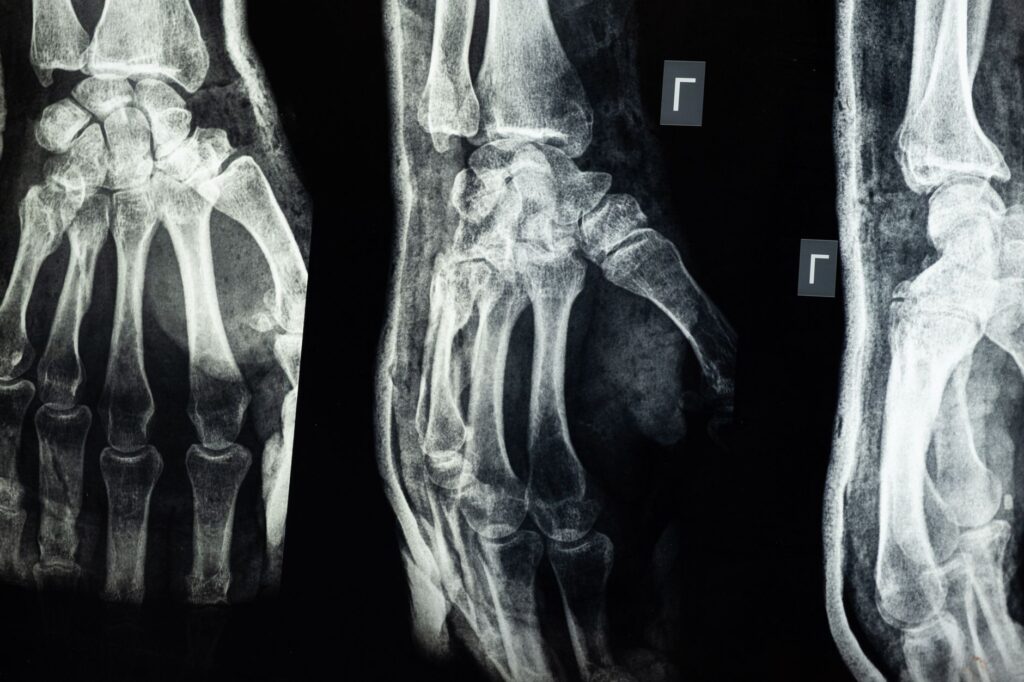
For more detailed information on how to navigate your claim, consider exploring Factors Affecting Injury Claim Settlement Explained.
Understanding the factors affecting injury claims is essential for anyone navigating the complexities of personal injury law. Each element, from the severity of injuries to the clarity of liability, plays a significant role in the settlement calculation. Knowing these personal injury factors can empower you to approach negotiations with greater confidence and clarity.
As you consider your own situation, remember that the injury claim settlement amount is influenced by various aspects unique to your case. Engaging with a qualified attorney can provide invaluable insights into the nuances of your claim, ensuring that you maximize your potential settlement. Take the next step by consulting with legal professionals who specialize in injury claims, as their expertise can make a significant difference in achieving a favorable outcome.
“`html
What factors affect my injury claim settlement amount?
Several factors affect your injury claim settlement amount, including the severity of your injuries, medical expenses, lost wages, and the impact on your quality of life. Additionally, factors like liability, insurance policy limits, and evidence supporting your claim can also play a significant role. Understanding these factors can help you better evaluate what to expect in your settlement.
How are injury claim settlement amounts calculated?
Settlement amounts are typically calculated by assessing both economic and non-economic damages. Economic damages include medical bills, lost wages, and rehabilitation costs, while non-economic damages cover pain and suffering, emotional distress, and loss of enjoyment of life. Insurance companies often use formulas or guidelines to estimate these amounts, but negotiations can also influence the final figure.
What personal injury factors should I consider?
When considering personal injury factors, focus on the extent of your injuries, the required medical treatments, and any long-term effects on your daily life. Additionally, the evidence you have to support your claim, such as medical records, witness statements, and police reports, can significantly influence the outcome of your case and the injury claim settlement amount.
How do medical expenses influence my settlement?
Medical expenses play a crucial role in determining your settlement amount. The total cost of treatment, including hospital bills, medication, and rehabilitation, will be calculated to assess economic damages. If your injuries require ongoing treatment, future medical expenses will also be considered. Comprehensive documentation of all medical expenses is essential for maximizing your injury claim settlement amount.
Can I negotiate my injury claim settlement amount?
Yes, you can negotiate your injury claim settlement amount. Once you receive an initial offer from the insurance company, you have the right to counter with your requested amount based on your expenses and damages. It’s essential to present solid evidence and a well-reasoned argument to support your claim. Negotiation can lead to a more favorable settlement.
What evidence do I need for my injury claim?
To support your injury claim, gather comprehensive evidence such as medical records, bills, and receipts related to your treatment. Additionally, photographs of the accident scene, witness statements, and police reports can strengthen your case. Documentation of lost wages and any impacts on your daily activities is also crucial in establishing the validity of your claim and the appropriate settlement amount.
“`