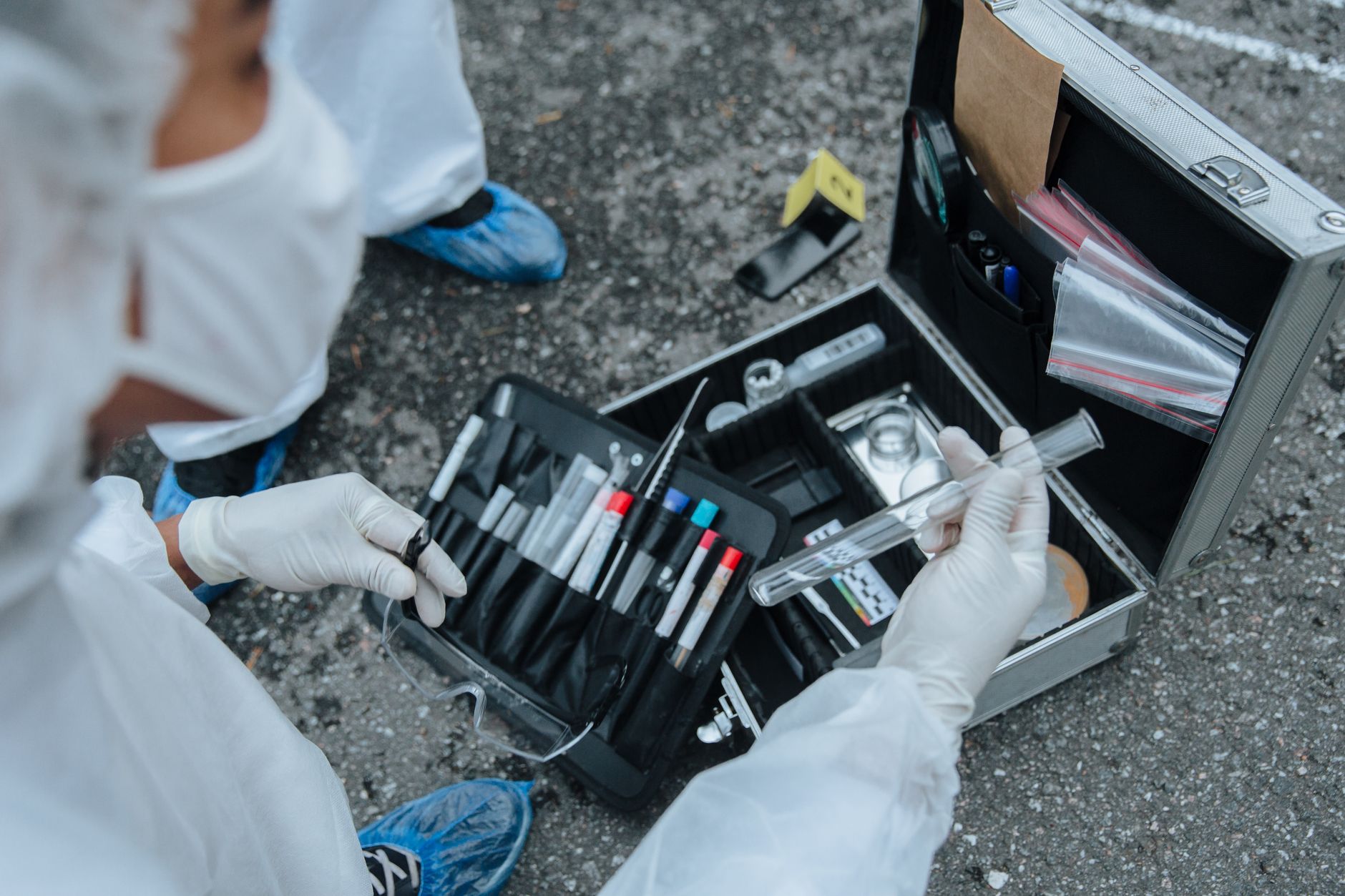
To effectively gather evidence for your injury claim, understanding the methods and strategies involved is crucial. The success of your claim often hinges on the strength and relevance of the evidence you present. In this article, we will explore key steps to gather evidence for your injury claim, ensuring that you are well-prepared to support your case. We will discuss the types of personal injury evidence you should collect, including witness statements, photographs, and medical records, which serve as supporting documents for your injury claim. Additionally, we will outline how to utilize this evidence for claims, helping you build a compelling case. If you find yourself with insufficient evidence for your injury claim, we will offer guidance on the next steps to take. The importance of solid evidence cannot be overstated in the realm of injury claims, as it can significantly impact the outcome of your case. For more information on legal rights and procedures, visit Nolo for comprehensive resources.
Understanding How to Gather Evidence for Your Injury Claim
Why Evidence is Crucial for Your Injury Claim
When pursuing an injury claim, gathering solid evidence is vital for establishing the validity of your case. The outcome of your claim can heavily depend on the strength of the evidence you present. Insufficient or weak evidence may lead to a denial of your claim or a lower settlement amount. Conversely, robust personal injury evidence can significantly bolster your case and increase the likelihood of a favorable outcome.
Evidence for claims serves to support your version of events and demonstrate the extent of your injuries. This may include not only the immediate circumstances surrounding the incident but also the long-term effects on your life. Therefore, taking the time to gather evidence is essential in building a strong foundation for your claim.
Common Types of Personal Injury Evidence
There are several types of personal injury evidence that can be critical in substantiating your claim. Here are some common examples:
- Photographs: Images of the accident scene, your injuries, and any property damage can provide compelling visual evidence.
- Witness Statements: Eyewitness accounts can corroborate your version of events and lend credibility to your claim.
- Medical Records: Documenting your injuries and treatment is essential; these records serve as supporting documents for your injury claim.
- Police Reports: Official reports can provide an objective account of the incident, helping to establish liability.
- Insurance Correspondence: Any communication with insurance companies can demonstrate the negotiations that occurred regarding your claim.
By understanding how to gather evidence for your injury claim, you can build a stronger case and improve your chances of receiving the compensation you deserve. Always consider consulting with a legal professional to ensure that you collect the necessary evidence effectively.
Steps to Gather Evidence for Your Injury Claim
Document the Incident Thoroughly
When you need to gather evidence for your injury claim, the first step is to thoroughly document the incident. This initial documentation is crucial for building a solid case. Follow these actionable steps:
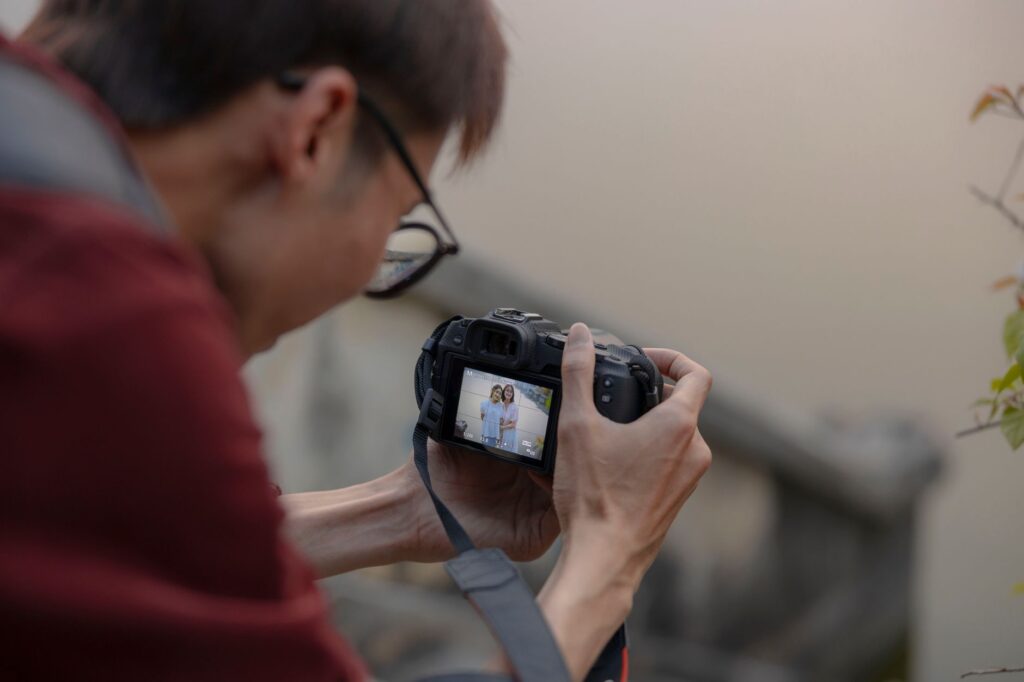
- Take Photos: Capture clear images of the scene, including the surrounding area, any hazards, and your injuries. Photographic evidence is vital in personal injury cases, as it provides a visual account of the circumstances.
- Note Details: Write down the date, time, and location of the incident. Be specific about what happened, including any actions leading up to the injury.
- Gather Witness Information: If there are bystanders, collect their names and contact details. Witness testimonies can significantly bolster your claim.
Collect Supporting Documents for Your Injury Claim
In addition to documenting the incident, it is essential to collect supporting documents for your injury claim. These documents help to substantiate your case and demonstrate the impact of the injury:
- Medical Records: Obtain copies of all medical reports, treatment plans, and bills related to your injury. This medical evidence is crucial for demonstrating the severity and treatment of your injuries.
- Police Reports: If law enforcement was involved, request a copy of the police report. This document provides an official account of the incident and can be instrumental in your claim.
- Insurance Information: Gather all correspondence with your insurance company, including policy details and any claims filed. This will help clarify coverage and the claims process.
By taking these steps to gather evidence injury claim, you ensure that your case is well-supported and increases the chances of a favorable outcome.

Using Evidence for Claims: Building a Strong Case
Organizing Your Evidence to Gather Evidence for Your Injury Claim
Once you have begun to gather evidence for your injury claim, the next critical step is organization. Properly organizing your evidence not only aids in clarity but also strengthens your claim’s impact. Start by categorizing your evidence into relevant sections, such as:
- Medical Records: Include all documentation related to your injuries, treatment plans, and medical expenses.
- Incident Reports: Collect police reports, witness statements, and any other documentation related to the incident.
- Photographs and Videos: Visual evidence can be compelling. Ensure all images are dated and clearly labeled.
- Employment Records: If applicable, gather pay stubs and letters from your employer regarding lost wages.
Use a spreadsheet or a dedicated folder on your computer to keep track of all pieces of evidence, making it easier to reference them when needed. This organized approach will facilitate a smoother process when presenting your claim.
Consulting with Professionals for Personal Injury Evidence
While gathering evidence for your claim is essential, consulting with legal professionals can enhance the quality of your personal injury evidence. An attorney specializing in personal injury claims can help compile and present your supporting documents for your injury claim more effectively. They can also identify critical evidence that you might have overlooked and ensure that all documentation adheres to legal standards.
Additionally, having a legal expert review your evidence can help in strategizing the best way to present your case. They can provide insights into which pieces of evidence are most persuasive and how to frame your narrative. Consider reaching out to a qualified attorney to strengthen your claim and gain access to invaluable resources.

What to Do If You Lack Evidence for Your Injury Claim
When pursuing an injury claim, a lack of evidence can be a significant hurdle. However, there are strategies you can implement to strengthen your case even without substantial proof. Here, we explore alternative methods to gather evidence for your injury claim and highlight the importance of professional assistance.
Alternative Strategies to Strengthen Your Case
If you find yourself with insufficient personal injury evidence, consider these alternative strategies to bolster your claim:
- Witness Statements: Reach out to anyone who may have witnessed the incident. Their accounts can serve as vital supporting documents for your injury claim.
- Documentation of Medical Treatment: Even if you lack accident-related evidence, keep records of your medical treatments. This documentation can demonstrate the impact of your injuries.
- Social Media and Online Evidence: Posts or comments related to the incident can sometimes provide context or corroboration of your claims.
- Surveillance Footage: If the incident occurred in a public place, check for nearby security cameras that may have recorded the event.
Implementing these strategies can help you gather evidence for your injury claim, thereby enhancing your case’s strength.
How to Seek Professional Help to Gather Evidence Injury Claim
Engaging with a legal professional can significantly impact the outcome of your claim. Attorneys specializing in personal injury cases have experience in gathering the necessary evidence and can guide you through complex legal processes. They can help you:
- Identify additional sources of evidence that you may not have considered.
- Gather and organize supporting documents for your injury claim effectively.
- Negotiate with insurance companies to ensure you receive fair compensation.
Consulting with a professional can provide the expertise needed to navigate your claim successfully. If you find yourself struggling to gather evidence for your injury claim, seeking help may be the most effective step you can take.

The Importance of Evidence in Injury Claims
Gathering evidence is an essential step in building a strong injury claim. The validity of your case often hinges on the quality and quantity of the evidence you collect. Throughout this article, we have explored various methods to gather evidence for an injury claim, from documenting the accident scene to obtaining witness statements and securing medical records. Each aspect plays a pivotal role in supporting your claim and establishing liability.
When you gather evidence for your injury claim, you are essentially assembling a puzzle that clearly depicts the events leading up to, during, and after your injury. This evidence not only supports your narrative but also strengthens your position against insurance companies and opposing parties. The more comprehensive your collection of personal injury evidence, the better your chances of achieving a favorable settlement or verdict.
Actionable steps to consider include:
- Documenting all relevant details at the scene of the accident.
- Collecting photographs of injuries and property damage.
- Obtaining contact information from witnesses.
- Compiling medical records and bills as supporting documents for your injury claim.
Ultimately, the importance of evidence in injury claims cannot be understated. A well-supported claim can significantly impact the outcome of your case, helping you secure the compensation you deserve. As you navigate this process, remember that thorough and organized documentation is key. By taking the necessary steps to gather evidence for your injury claim, you position yourself strongly in negotiations and potential litigation.

Gathering evidence for your injury claim is a vital step in securing the compensation you deserve. The right personal injury evidence not only strengthens your case but also provides a clear picture of the impact the injury has had on your life. Make sure to compile all necessary supporting documents for your injury claim, such as medical records, witness statements, and photographs of the incident scene. Each piece of evidence contributes significantly to the overall strength of your claim.
As you work through the evidence gathering process, remain organized and thorough. Keep a detailed record of all documents and communications related to your case. This diligence will serve you well when presenting your evidence for claims to insurance adjusters or in court. Take the next step by consulting a legal professional who can guide you through the intricacies of your specific situation and help you effectively gather evidence injury claim.
“`html
What type of evidence is needed for an injury claim?
To effectively gather evidence for your injury claim, you need to collect various types of documentation. This includes medical records that detail your injuries, photographs of the accident scene, and any property damage. Additionally, police reports and insurance correspondence can be crucial. Gathering witness statements can also bolster your case. The more comprehensive your evidence, the stronger your claim will be.
How do I document the scene of an accident?
To document the scene of an accident effectively, start by taking clear photographs from multiple angles, capturing any relevant details. Note the date, time, and weather conditions. If possible, gather contact information from witnesses and write down their accounts. You should also record the names and badge numbers of responding officers. This documentation will help establish the context and details of the incident for your claim.
What supporting documents for an injury claim should I gather?
When preparing your injury claim, it is essential to gather supporting documents that substantiate your case. This includes medical bills, treatment records, and any related expenses. Additionally, collect proof of lost wages and any other financial impacts due to your injury. Insurance communications, photographs from the accident scene, and witness statements also serve as crucial supporting documents for your injury claim.
Can witness statements help my injury claim?
Yes, witness statements can significantly strengthen your injury claim. They provide impartial accounts of the accident and can corroborate your version of events. Witnesses can testify about what they saw, which may include the circumstances leading to the accident and the immediate aftermath. Having credible witnesses can make your case more compelling to insurance companies or in court.
What if I don’t have enough evidence for my claim?
If you find yourself lacking sufficient evidence for your claim, consider consulting a personal injury attorney. They can help you identify potential sources of evidence you may have overlooked, such as surveillance footage or expert testimony. Additionally, they can assist in gathering evidence for your injury claim, ensuring your case is as robust as possible despite initial limitations.
How can a lawyer assist in gathering personal injury evidence?
A lawyer can play a crucial role in gathering personal injury evidence by leveraging their experience and resources. They know what types of evidence are most impactful and can help you obtain medical records, accident reports, and witness statements. Furthermore, a lawyer can negotiate with insurance companies on your behalf and ensure that all necessary documentation is properly filed to support your claim.
“`