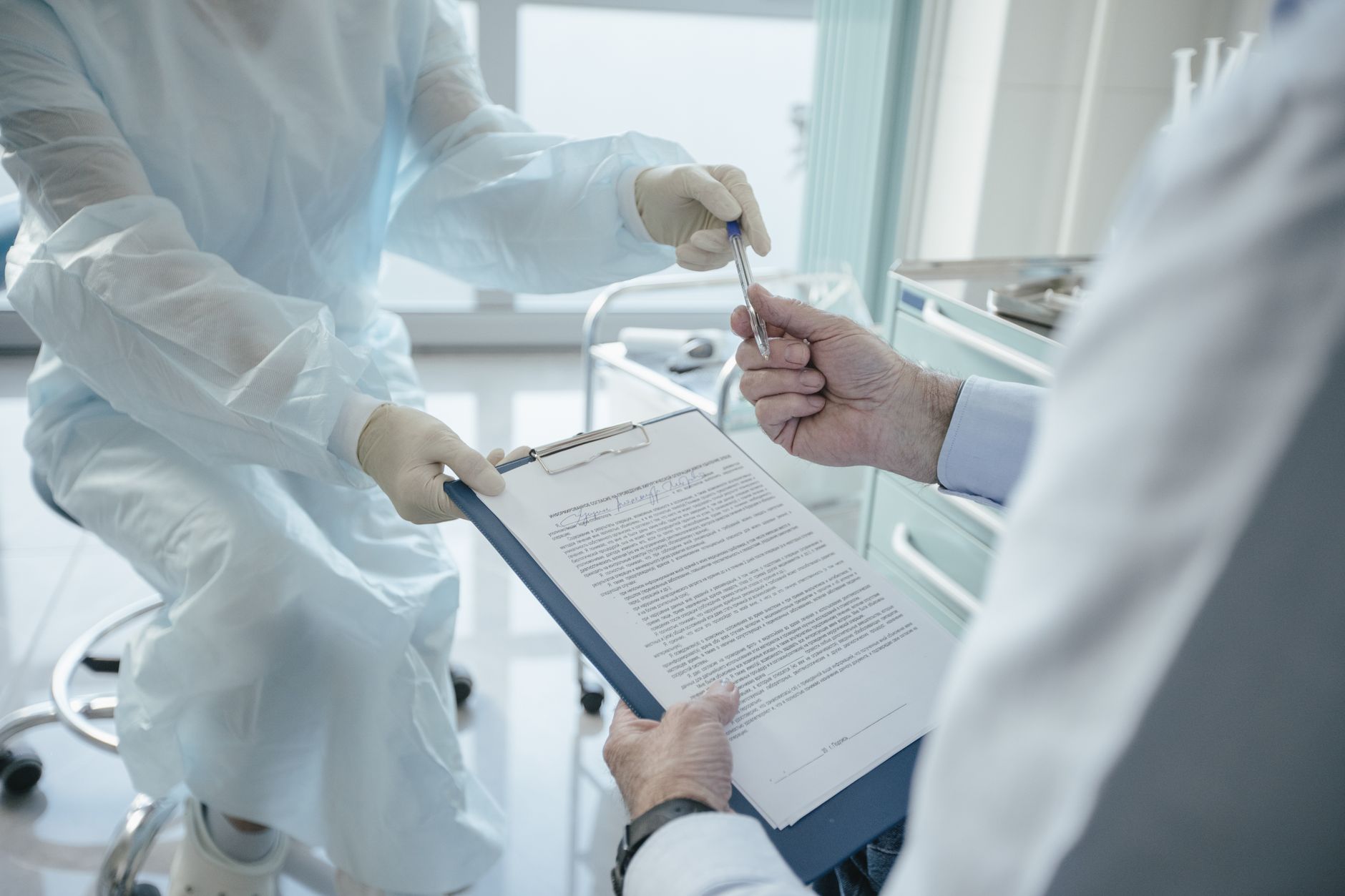
The importance of medical documentation injury claims cannot be overstated. Accurate and comprehensive medical records are essential for establishing the validity of injury claims, as they serve as the backbone of any legal argument. This article delves into the critical role that medical evidence plays in injury claims, emphasizing how well-organized medical documentation can significantly impact the outcome of a case. We will explore what constitutes essential supporting documents for injury claims, the challenges often faced in obtaining these records, and potential solutions to streamline the process. Understanding the nuances of medical records in injury claims is vital for claimants seeking fair compensation for their injuries. Whether you are a victim or a legal professional, gaining insights into how to leverage medical documentation effectively can enhance the prospects of a successful claim. By the end of this article, you will have a comprehensive understanding of the importance of medical documentation and how to navigate its complexities in the context of injury claims.
Understanding Medical Documentation in Injury Claims
What is Medical Documentation?
Medical documentation encompasses all records generated by healthcare providers concerning a patient’s medical history, diagnosis, treatment, and ongoing care. This type of documentation includes various forms such as medical records, diagnostic tests, treatment plans, and progress notes. Each piece of medical documentation plays a pivotal role in substantiating claims made in the context of injury cases. The completeness and accuracy of these records are critical, as they provide a factual basis for assessing the extent of injuries and the necessary treatments.
Roles of Medical Records in Injury Claims
In the realm of medical documentation injury claims, medical records serve as foundational evidence. They detail the nature of the injuries sustained, the treatments administered, and the prognosis for recovery. This documentation is crucial from both legal and medical perspectives. Legally, comprehensive medical records help establish a direct connection between the incident and the injuries claimed, which is vital for proving liability and entitlement to damages. From a medical standpoint, these records guide healthcare providers in delivering appropriate care and help in tracking the patient’s recovery process.
Moreover, supporting documents for injury claims, including bills, prescriptions, and letters from medical professionals, complement the medical records to provide a holistic view of the injury’s impact on the claimant’s life. Understanding the importance of medical evidence in these claims cannot be overstated; it is the cornerstone that influences the outcome of legal proceedings and insurance negotiations.

The Importance of Medical Evidence in Injury Claims
Why Medical Evidence Matters
When pursuing injury claims, the role of medical evidence cannot be overstated. Medical documentation serves as a critical foundation for establishing the legitimacy of a claim. Insurers and courts rely heavily on medical documentation injury claims to assess the extent of injuries, necessary treatments, and long-term implications. Without robust medical evidence, a claim can struggle to gain traction, leading to potential denial or undervaluation.
For example, if an individual suffers from a car accident and seeks damages for their injuries, they must present detailed medical records. These documents should include diagnoses, treatment plans, and prognoses. A comprehensive treatment plan detailing the prescribed therapies and medications provides a clear narrative of the injury’s impact on the claimant’s life. Moreover, a prognosis can demonstrate the expected recovery trajectory, supporting the claim for future medical costs and lost wages.
Key Types of Medical Evidence
Several key types of medical evidence are essential in substantiating injury claims:
- Medical Records: These documents include detailed accounts of the treatment received, physician notes, and any diagnostic tests performed. They are vital in demonstrating the nature and severity of injuries, making them crucial in medical records injury claims.
- Diagnostic Imaging: X-rays, MRIs, and CT scans provide visual evidence of injuries, enabling clearer understanding and validation of claims.
- Expert Testimonies: Opinions from medical professionals can lend additional credibility to claims, particularly regarding the necessity of treatments and the expected recovery time.
Gathering these supporting documents for injury claim is crucial. Effective medical documentation can significantly enhance the chances of a successful outcome in an injury claim.

Supporting Documents for Injury Claims: What You Need
Essential Supporting Documents for Medical Documentation Injury Claims
When pursuing an injury claim, having the right supporting documents is crucial. These documents serve as the backbone of your claim and demonstrate the extent of your injuries and the impact on your life. Here are the essential supporting documents you should gather:
- Medical Records: Detailed records from your healthcare providers that outline your injuries, treatments, and prognosis. These are vital for any medical records injury claims.
- Medical Bills: Itemized statements that show the costs of your treatments, including hospital stays, surgeries, medications, and follow-up care.
- Insurance Communications: All correspondence with your insurance company, including claim forms, denial letters, and any other relevant communication.
- Accident Reports: Official reports from law enforcement or relevant authorities detailing the incident, which can help establish liability.
- Witness Statements: Written accounts from individuals who witnessed the accident, which can provide additional evidence to support your claim.
- Photographs: Visual documentation of the accident scene, injuries, and any property damage that occurred.

How to Collect and Organize Documentation
Organizing your medical documentation for injury claims can simplify the claims process and ensure you have everything you need at your fingertips. Follow these actionable steps:
- Start Early: Begin collecting documents as soon as possible after your injury. This includes obtaining medical records and bills from your healthcare providers.
- Create a Binder: Use a physical or digital binder to keep your documents organized. Label sections for medical records, bills, insurance communication, and accident reports.
- Keep Copies: Always retain copies of all documents you send to your insurance company or other parties involved in your claim.
- Document Chronologically: Organize your documents in the order of events. This will help you present a clear timeline of your injury and treatment.
- Consult Professionals: If you are unsure about the necessary documents or how to organize them, consider consulting with a personal injury attorney who understands the importance of medical evidence in claims.
By gathering and organizing these supporting documents for your injury claim, you enhance your chances of a successful outcome. Proper medical documentation injury claims can significantly impact your compensation, making it essential to approach this step with diligence and care.
Challenges and Solutions in Obtaining Medical Documentation for Injury Claims
Common Obstacles
Obtaining medical documentation for injury claims can present several challenges. Individuals often face issues such as delayed responses from healthcare providers, incomplete records, or even the refusal of some facilities to release documents. These obstacles can significantly hinder the claims process, making it difficult to substantiate the importance of medical evidence in your case.
- Delayed Responses: Many healthcare institutions have lengthy administrative processes, which can slow down the retrieval of medical records injury claims.
- Incomplete Documentation: Records may lack essential details, which are necessary to support your injury claim.
- Legal Barriers: Some facilities may have policies that complicate the release of medical records, requiring additional authorization or forms.
How to Overcome Documentation Challenges for Medical Documentation Injury Claims
To effectively navigate these challenges, it’s crucial to employ specific strategies:
- Be Proactive: Request your medical records as soon as possible after your injury. This allows ample time for any potential delays.
- Follow Up: Regularly check in with healthcare providers to ensure that your request is being processed. A polite reminder can often expedite the process.
- Know Your Rights: Familiarize yourself with the legal requirements for obtaining medical documentation. The Health Insurance Portability and Accountability Act (HIPAA) outlines your rights to access your medical records, which can aid in obtaining supporting documents for injury claims.
By understanding these common obstacles and implementing these strategies, you can streamline the process of acquiring medical documentation injury claims. This will ultimately enhance the strength of your claim and improve your chances of receiving fair compensation.
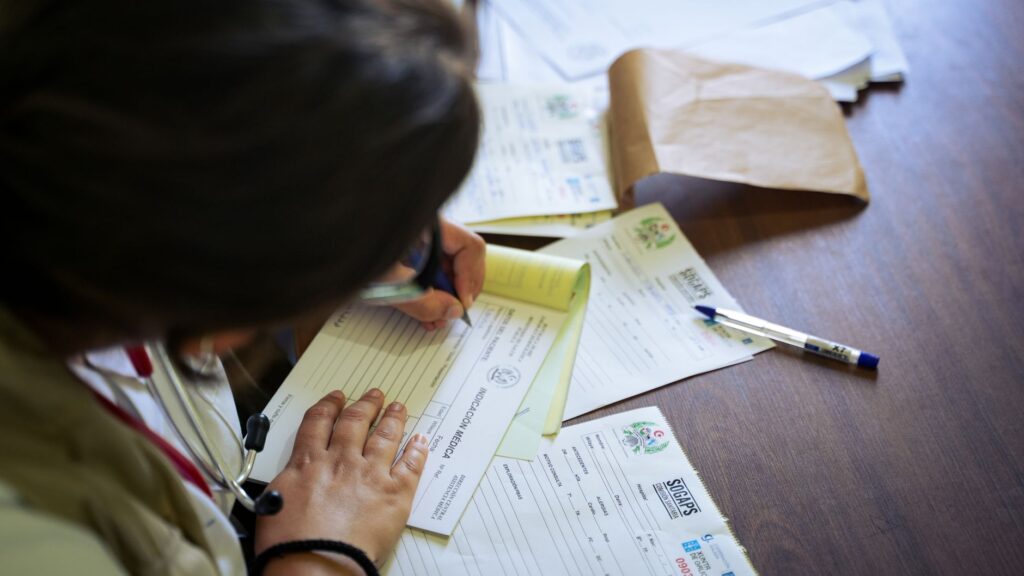
Conclusion: Leveraging Medical Documentation for Successful Claims
Throughout this article, we have examined the vital role of medical documentation in injury claims. The effectiveness of your claim often hinges on the quality and comprehensiveness of your medical records. Proper documentation not only substantiates your injuries but also aids in demonstrating the extent of your suffering and the necessary treatment you have undergone.
Understanding the importance of medical evidence cannot be overstated. Medical documentation serves as the backbone of your case, providing the necessary details that insurance companies require to process claims accurately. From medical histories to treatment plans, each piece of information contributes to your overall narrative and strengthens your position in negotiations or legal proceedings.
To ensure that you are equipped to maximize your claim potential, consider these actionable steps:
- Gather all relevant medical records for injury claims, including diagnostic tests, treatment notes, and discharge summaries.
- Maintain a detailed log of your symptoms and treatment progress, which can serve as supporting documents for your injury claim.
- Consult with healthcare professionals about the accuracy and completeness of your documentation.
- Be proactive in requesting updates and copies of your medical documentation injury claims to ensure you have everything needed when filing.
Ultimately, taking these proactive steps will enable you to build a solid foundation for your claim. Well-organized and thorough medical documentation can significantly enhance your chances of a successful outcome. By understanding and utilizing your medical evidence effectively, you position yourself to navigate the complexities of injury claims with confidence.
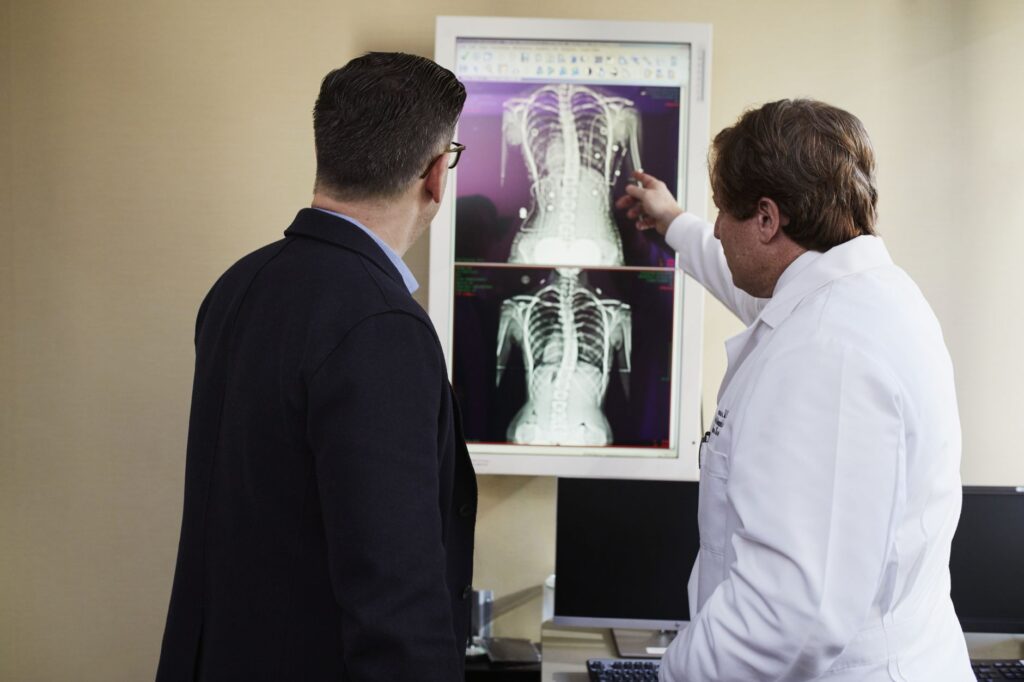
Thorough medical documentation is essential for a successful injury claim, as it serves as the backbone of your case. The importance of medical evidence cannot be overstated, as it substantiates your injuries and treatment. When pursuing medical records for injury claims, ensure that you obtain all relevant details, including diagnoses, treatment plans, and any follow-up care. These supporting documents for your injury claim are vital in demonstrating the extent of your injuries and their impact on your daily life.
Taking proactive steps to gather and maintain comprehensive medical documentation will significantly strengthen your position in any injury claim process. Consider consulting with a legal professional who specializes in injury claims to navigate the complexities of medical records and evidence. By understanding the importance of medical documentation in injury claims, you can better advocate for your rights and ensure you receive the compensation you deserve.
“`html
What is the role of medical documentation in injury claims?
Medical documentation plays a crucial role in injury claims as it provides the necessary evidence to support your case. It outlines the nature of your injuries, the treatment received, and the prognosis. Without proper medical documentation, it can be challenging to prove the extent of your injuries and their impact on your life, making it essential for successful medical documentation injury claims.
How can medical records support an injury claim?
Medical records serve as critical evidence in injury claims by detailing your diagnosis, treatment history, and recovery progress. These records help establish a direct link between the injury and the treatment received, underscoring the necessity of care. Insurance companies and legal entities rely on these records to assess the legitimacy and extent of claims, making them indispensable for medical records injury claims.
Why is medical evidence important in legal cases?
Medical evidence is vital in legal cases as it substantiates claims regarding injuries, treatment, and the impact on a claimant’s life. Courts and insurance companies depend on this evidence to make informed decisions. The importance of medical evidence cannot be overstated; it often determines the outcome of a case, influencing settlements and judgments significantly.
What types of supporting documents do I need for an injury claim?
For an injury claim, you typically need various supporting documents, including medical records, treatment bills, accident reports, and witness statements. Photographic evidence of the injury or accident scene can also be beneficial. Collecting these supporting documents for injury claims strengthens your case and validates your claims regarding the extent and impact of your injuries.
How can I obtain my medical records for an injury claim?
To obtain your medical records for an injury claim, you can request them directly from your healthcare provider. Most facilities require you to fill out a release form and may ask for identification. Be specific about the records you need and allow adequate time for processing. Following up can ensure you receive your medical documentation promptly for your claim.
What challenges might I face in gathering medical documentation?
Gathering medical documentation can present several challenges, such as delays in obtaining records, misfiled documents, or varying formats across different providers. Additionally, some healthcare facilities may charge fees for copies. Understanding these potential hurdles and planning ahead can help streamline the process, ensuring you have the necessary documentation for your injury claims.
“`