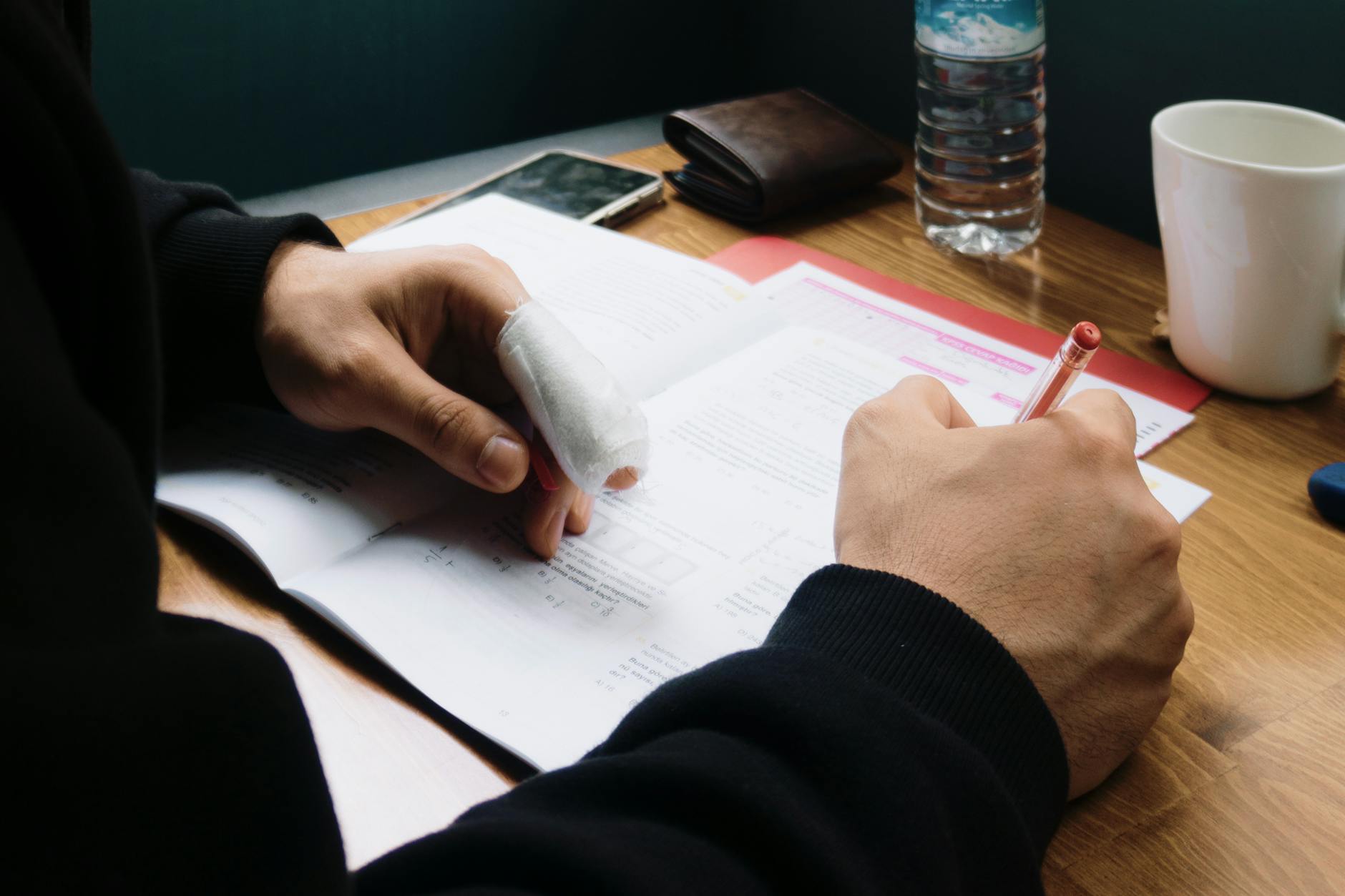
The importance of documentation for injury claim success cannot be overstated. Proper documentation serves as the backbone of any personal injury claim, ensuring that all necessary information is accurately recorded and presented. This article explores the critical role of documentation in the injury claim process, detailing what documents are needed for injury claim processing, as well as tips for gathering effective evidence for injury claims. Additionally, we will highlight common pitfalls to avoid when handling personal injury claim paperwork and offer guidance on how to collaborate effectively with your attorney. By understanding the significance of thorough documentation for injury claim success, you can improve your chances of receiving the compensation you deserve. Each section will provide actionable insights to help navigate this complex landscape, from the initial gathering of evidence to the final submission of your claim.
Understanding the Role of Documentation for Injury Claim
Why Documentation is Essential
Documentation for injury claim is a cornerstone of successfully navigating the claims process. It provides the necessary evidence to support your case, clearly demonstrating the extent of your injuries and the circumstances surrounding the incident. Without proper documentation, your claim may be weakened or even denied. Insurers often require detailed proof to assess liability and determine the compensation amount. Thus, lacking adequate evidence can lead to significant financial losses and prolonged recovery times.
Common Types of Documentation Required
When preparing your personal injury claim paperwork, several essential documents are crucial for establishing your case:
- Medical Records: These documents detail your injuries, treatment plans, and medical expenses. They serve as primary evidence for injury claims.
- Accident Reports: Official reports from law enforcement or insurance companies provide context and factual details about the incident.
- Witness Statements: Testimonies from individuals who witnessed the accident can bolster your claim, lending credibility to your account.
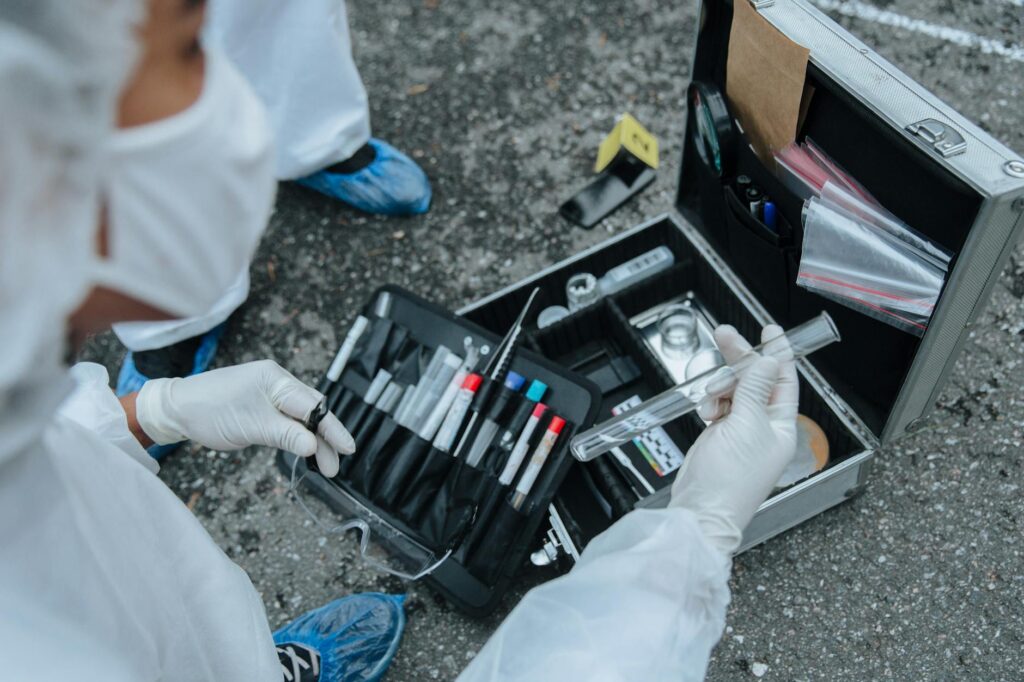
- Photographic Evidence: Images of the accident scene, injuries, and property damage are vital for visual representation of the incident.
- Documentation of Lost Wages: Proof of income loss due to the injury can help substantiate claims for compensation.
Gathering the right evidence for injury claims is critical. By ensuring that you have all necessary documentation for injury claim, you can significantly enhance your chances of a favorable outcome. For more information on what documents are needed for an injury claim, visit Importance of Documentation for Injury Claims.

What Documents are Needed for Injury Claim Processing
To successfully navigate the claims process, understanding the documentation for injury claim is essential. Each piece of documentation serves a specific purpose, helping to build a strong case for your personal injury claim. Below, we outline the key documents you’ll need to gather.
Medical Records and Bills
One of the most critical components of your personal injury claim paperwork is your medical records and bills. These documents provide evidence of the extent of your injuries, the treatments received, and the associated costs. Important items to collect include:
- Emergency room records
- Physician’s notes and treatment plans
- Diagnostic tests (X-rays, MRIs, etc.)
- Receipts for medical expenses, including rehabilitation and therapy
To obtain these records efficiently, contact your healthcare provider directly and request a copy of your medical history. Be prepared to fill out any necessary forms and provide identification.
Accident Reports and Witness Statements
Accident reports from law enforcement and witness statements are crucial pieces of evidence for injury claims. They help establish the circumstances surrounding the incident. Essential documents include:
- Police reports detailing the accident
- Statements from witnesses who observed the event
- Photos of the accident scene and damages
You can usually obtain police reports through your local law enforcement agency. For witness statements, consider reaching out to individuals who were present at the time of the accident and ask if they would be willing to provide a written account of what they saw.
Having comprehensive documentation for injury claim not only strengthens your case but also ensures that you are adequately compensated for your injuries and losses. For further insights, check our article on The Role of Medical Records in Injury Claims.

Gathering Evidence for Injury Claims Effectively
Importance of Evidence in Your Claim
When pursuing a personal injury claim, the strength of your case often hinges on the evidence you provide. Documentation for injury claim success is essential, as it substantiates your assertions and demonstrates the impact of the injury on your life. Types of evidence can include photographs of the accident scene, medical records, witness statements, and expert opinions. Each piece of evidence contributes to a comprehensive narrative that supports your claim, making it crucial to gather and organize it effectively.
How to Collect Evidence for Your Injury Claim
To build a solid foundation for your case, follow these actionable steps for collecting and organizing evidence:
- Document the Scene: Take clear photographs and videos of the accident location, surrounding areas, and any visible injuries. These visual records can be vital in establishing the circumstances of the incident.
- Gather Medical Records: Collect all relevant medical documentation, such as hospital discharge papers, treatment plans, and invoices. This personal injury claim paperwork serves as crucial evidence of the injuries sustained and the treatment received.
- Obtain Witness Statements: If there were witnesses to the incident, obtain their contact information and ask if they would provide written statements. Their accounts can corroborate your version of events.
- Consult Experts: In some cases, testimony from medical professionals or accident reconstruction experts can reinforce your claim. Their insights can clarify the extent of your injuries and the factors contributing to the accident.
- Organize Your Evidence: Keep all documentation related to your injury claim in one place, categorized by type. This organization will streamline the claims process and ensure timely submission of all necessary evidence.
By gathering comprehensive evidence for injury claims, you significantly increase the chances of a favorable outcome in your case. Remember, meticulous documentation for injury claim purposes not only supports your assertions but also demonstrates your commitment to seeking justice.

Common Pitfalls in Documentation for Injury Claim
Mistakes to Avoid
When preparing documentation for injury claim, individuals often fall into several common traps that can jeopardize their case. Here are some key mistakes to avoid:
- Inadequate Evidence: Failing to gather sufficient evidence for injury claims can weaken your case. This includes neglecting to document photos of the accident scene, witness statements, or medical records.
- Missing Deadlines: Every state has specific timelines for submitting personal injury claim paperwork. Missing these deadlines can result in losing your right to claim.
- Incomplete Documentation: Submitting partial documentation can lead to delays or denials. Ensure you have all necessary documents, such as police reports, medical bills, and insurance correspondence.
- Ignoring Emotional Impact: Failing to document the emotional and psychological effects of the injury can diminish the perceived severity of your case.
How to Ensure Your Documentation is Complete
To avoid these pitfalls and ensure your documentation for injury claim is thorough, consider the following actionable tips:
- Organize Your Documents: Keep all personal injury claim paperwork in one place, categorized by type (medical, legal, insurance).
- Verify Required Documents: Familiarize yourself with what documents are needed for an injury claim, including medical records, accident reports, and receipts.
- Consult Professionals: Engaging with a personal injury attorney can help ensure your documentation is comprehensive and well-prepared.
- Regularly Update Your Records: Continuously document any new developments, such as ongoing medical treatments or changes in your condition.
Working with Your Attorney on Personal Injury Claim Paperwork
When navigating the complexities of a personal injury claim, effective collaboration with an attorney is essential. The right legal guidance can greatly enhance your chances of success by ensuring that all necessary documentation for injury claim is meticulously prepared and submitted on time.
When to Consult an Attorney
It is advisable to consult an attorney as soon as possible after an injury occurs. This ensures that you understand what documents are needed for your injury claim and helps you avoid common pitfalls. Delays in seeking legal assistance can lead to missed deadlines or incomplete paperwork, which may jeopardize your claim. An attorney can provide clarity on critical timelines and the types of evidence for injury claims that will strengthen your case.
How an Attorney Can Help You with Documentation for Injury Claim
Your attorney plays a pivotal role in managing your personal injury claim paperwork. They will assist in gathering essential documents, such as medical records, accident reports, and witness statements. These documents are vital in substantiating your claims and demonstrating the extent of your injuries and losses. In addition, an attorney knows how to present this documentation effectively to maximize its impact on your case.
Furthermore, having legal representation ensures that all paperwork adheres to legal standards, reducing the likelihood of errors that could delay your claim. An attorney can also negotiate with insurance companies on your behalf, using the documentation to advocate for a fair settlement. Overall, their expertise can streamline the process and provide you with peace of mind during a challenging time.

Conclusion: The Impact of Thorough Documentation on Your Injury Claim
Effective documentation for injury claim success is crucial for maximizing your chances of receiving fair compensation. The strength of your personal injury claim hinges on the evidence you gather and the thoroughness of your personal injury claim paperwork. Without proper documentation, your case may lack the necessary support, making it difficult to establish liability and damages.
Gathering the right documents is essential. Understanding what documents are needed for an injury claim can set you on the right path. This includes medical records, police reports, and witness statements, all of which serve as vital evidence for injury claims. By keeping these documents organized and accessible, you can streamline the claims process, reduce stress, and present a compelling case to insurance companies or in court.
Prioritizing documentation for injury claim purposes not only helps in building a strong case but also enhances your credibility as a claimant. Insurers are more likely to take your claim seriously when it is backed by well-organized and comprehensive evidence. Therefore, invest the time to compile and maintain your documentation accurately.
Ultimately, thorough documentation can significantly impact the outcome of your claim. Don’t underestimate its importance; instead, make it a priority in your recovery journey. Start today by organizing your records and ensuring you have all necessary information at hand, as this can make all the difference in achieving the compensation you deserve.

Thorough documentation for injury claim success cannot be overstated. A well-organized collection of necessary documents, such as medical records, accident reports, and photographic evidence, plays a crucial role in strengthening your case. Understanding what documents are needed for an injury claim ensures that you can present a compelling narrative of your experience, which is vital for obtaining a fair settlement. Your personal injury claim paperwork should be meticulously maintained to support your claims and enhance your credibility.
Keep in mind that the strength of your evidence for injury claims significantly impacts the outcome of your case. By proactively gathering and preserving documentation for injury claim purposes, you position yourself for a more favorable resolution. If you have not yet begun compiling your documentation, start today by collecting all relevant materials and consider consulting with a legal professional who can guide you through the process. Taking these steps now can make a substantial difference in the success of your claim.
“`html
What documents are needed for an injury claim?
When pursuing an injury claim, essential documents include medical records, bills, police reports, witness statements, and photographs of the injury or accident scene. You should also gather any correspondence with insurance companies and documentation of lost wages. Having complete and accurate documentation for injury claim is vital for establishing the extent of your injuries and the impact on your life.
How do I collect evidence for my injury claim?
To collect evidence for your injury claim, start by documenting your injuries and the accident scene through photographs and written descriptions. Gather witness statements and ensure to obtain police reports if applicable. You can also keep a journal detailing your recovery process and any impact on your daily life. Organizing this evidence effectively is crucial for strengthening your case.
What is the importance of documentation in an injury claim?
Documentation for injury claim is essential because it provides the necessary proof to support your case. Proper documentation helps establish the validity of your claims regarding injuries, medical treatment, and financial losses. It can significantly influence the outcome of negotiations with insurance companies and strengthen your position if the case goes to court. Without solid documentation, you risk your claim being undervalued or denied.
What common mistakes should I avoid in my injury claim documentation?
Common mistakes to avoid in injury claim documentation include failing to keep accurate records of medical treatments and expenses, neglecting to document all relevant evidence, and not gathering witness statements promptly. Additionally, avoid underreporting the impact of your injuries or missing deadlines for submitting documentation. Each of these errors can weaken your claim and lead to unfavorable outcomes.
When should I consult an attorney for my injury claim?
Consult an attorney for your injury claim as soon as possible, particularly if your injuries are severe or if liability is disputed. An attorney can help navigate complex documentation for injury claim and ensure you meet all legal requirements. Early legal guidance can also enhance your negotiation power with insurance companies and help you understand your rights and options.
How can I organize my personal injury claim paperwork?
To organize your personal injury claim paperwork, create a dedicated folder or binder that includes sections for medical records, bills, evidence, correspondence, and witness statements. Use labeled dividers to keep everything easily accessible. Consider utilizing digital tools or apps for tracking expenses and organizing documents. A well-organized system will help you present your case effectively and efficiently.
“`