
Documentation for injury claims is a critical component that can significantly influence the outcome of your case. Whether you are pursuing compensation for a workplace accident, a vehicle collision, or any other incident leading to injury, the quality and completeness of your documentation play a pivotal role in substantiating your claim. This article delves into the various aspects of documentation, exploring the types of evidence for injury claims that can strengthen your position. Additionally, we will discuss the importance of documentation in legal proceedings, emphasizing how thorough and accurate records can make or break your case. Furthermore, we will provide best practices for collecting claim documents to ensure you are well-prepared to present your case effectively. By understanding these elements, you can maximize your injury claim potential and navigate the complexities of the claims process with confidence. For more information on legal documentation, you may visit USA.gov or Nolo.
Understanding Documentation for Injury Claims
What Constitutes Documentation in Injury Claims?
When pursuing an injury claim, understanding what constitutes documentation for injury claims is essential. Key elements include:
- Medical Records: Detailed records from healthcare providers that outline diagnoses, treatments, and prognoses related to the injury.
- Police Reports: Official documentation from law enforcement that describes the incident, including witness statements and any citations issued.
- Witness Statements: Accounts from individuals who observed the event, providing impartial perspectives that support your claim.
- Photos and Videos: Visual evidence that captures the scene, injuries, and any relevant conditions surrounding the incident.
- Insurance Documents: Communication with insurance companies that outlines the claim’s status and any settlements offered.
Effective collecting claim documents can greatly enhance your position when negotiating a settlement or pursuing legal action.
Why Documentation is Critical for Your Claim
The importance of documentation in injury claims cannot be overstated. Proper documentation serves to substantiate your claim, providing necessary evidence for injury claims that can support your case. Without adequate documentation, you risk your claim being denied or undervalued, leading to unsatisfactory settlements or prolonged disputes.
For instance, a comprehensive medical record can demonstrate the extent of your injuries and their impact on your life, while police reports can clarify liability. If documentation is incomplete or poorly organized, it can create confusion or cast doubt on the validity of your claim. This could lead to unfavorable outcomes, including dismissal of your claim or reduced compensation.
Thus, taking the time to gather and maintain thorough documentation is not just advisable; it is essential for protecting your rights and ensuring that you receive the compensation you deserve.

Types of Evidence for Injury Claims
Collecting Claim Documents: Essential Types
Effective documentation for injury claims is critical to successfully proving your case. Various types of evidence for injury claims can significantly impact the outcomes of your claim. Here are some essential categories of documentation you should consider:
- Photographs: Capture images of the accident scene, your injuries, and any related damages. These visual records can provide compelling evidence of the circumstances surrounding your injury.
- Medical Records: Gather all medical documents, including diagnosis reports, treatment plans, and discharge summaries. Medical bills are also crucial as they substantiate the financial impact of your injury.
- Witness Statements: Collect statements from witnesses who can corroborate your account of the incident. Their insights can reinforce your claims.
- Expert Testimonies: In some cases, expert opinions from medical professionals or accident reconstruction specialists may be necessary to validate the severity of your injuries or the circumstances of the accident.
How to Organize Your Evidence for Injury Claims
The importance of documentation cannot be overstated, and organizing your evidence is just as critical as collecting it. Here are actionable tips for collecting claim documents effectively:
- Create a Filing System: Use physical folders or digital storage solutions to categorize all documents by type (e.g., medical, photographic, witness statements).
- Label Everything: Clearly label each document with dates and descriptions to facilitate easy retrieval.
- Keep Copies: Always maintain copies of original documents, especially when submitting them to insurance companies or legal representatives.
- Regular Updates: As your case progresses, regularly update your files to include new evidence or medical updates.
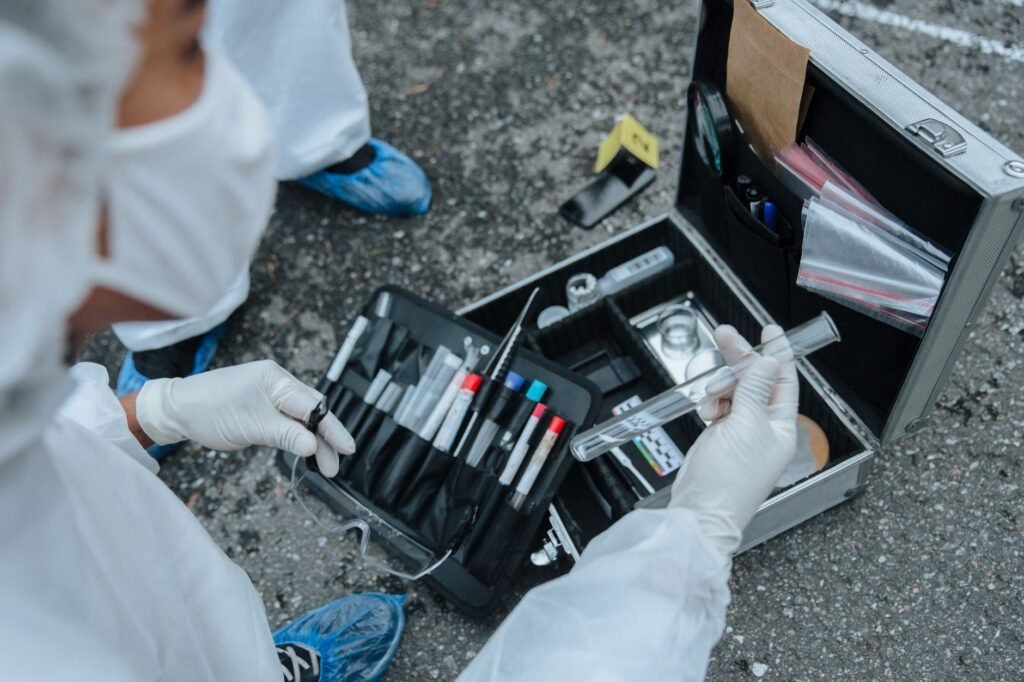
By understanding the types of evidence for injury claims and employing a systematic approach to collecting and organizing your documentation, you can lay a solid foundation for your claim. This proactive strategy not only enhances the strength of your case but also ensures that you are prepared for any challenges that may arise during the claims process.
The Importance of Documentation in Legal Proceedings
How Documentation Affects Claim Outcomes
Proper documentation for injury claims is essential in ensuring that your case holds weight in legal proceedings. Documentation serves as the backbone of your claim, providing the necessary evidence for injury claims that can influence the outcome significantly. Inconsistent or incomplete documentation can lead to disputes, delays, or even denial of your claim. For instance, maintaining a detailed record of medical treatments, accident reports, and witness statements can substantiate your case and demonstrate the extent of your injuries and losses.
In legal contexts, the quality and organization of your documentation can either bolster your case or undermine it. Insurers and courts rely heavily on the clarity and accuracy of the documentation presented. A well-documented case is often seen as more credible, potentially leading to a more favorable settlement or judgment.
Common Pitfalls to Avoid in Documentation for Injury Claims
Collecting claim documents can be a daunting task, and individuals often make mistakes that can jeopardize their claims. Here are some common pitfalls to avoid:
- Neglecting to keep copies: Always keep copies of every document you submit or receive regarding your claim, including medical records and correspondence with insurers.
- Inadequate detail: Providing vague or incomplete accounts of your injuries or the accident can weaken your case. Be thorough and precise.
- Ignoring timelines: Document events as they occur. Delaying documentation can lead to memory lapses and missing evidence.
By understanding the importance of documentation and recognizing these common mistakes, you can enhance the strength of your injury claim. For further guidance on how to navigate this process and avoid pitfalls, consider consulting with a legal professional experienced in handling injury claims. Essential Injury Claim Documentation You Need.

Best Practices for Collecting Claim Documents
Steps to Ensure Comprehensive Documentation for Injury Claims
Collecting claim documents is a vital process in substantiating your injury claims. Following best practices can enhance the thoroughness and accuracy of your documentation, ultimately strengthening your case. Here are some actionable steps:
- Start Early: Begin to gather documentation as soon as the injury occurs. This includes photos of the accident scene, medical records, and witness statements.
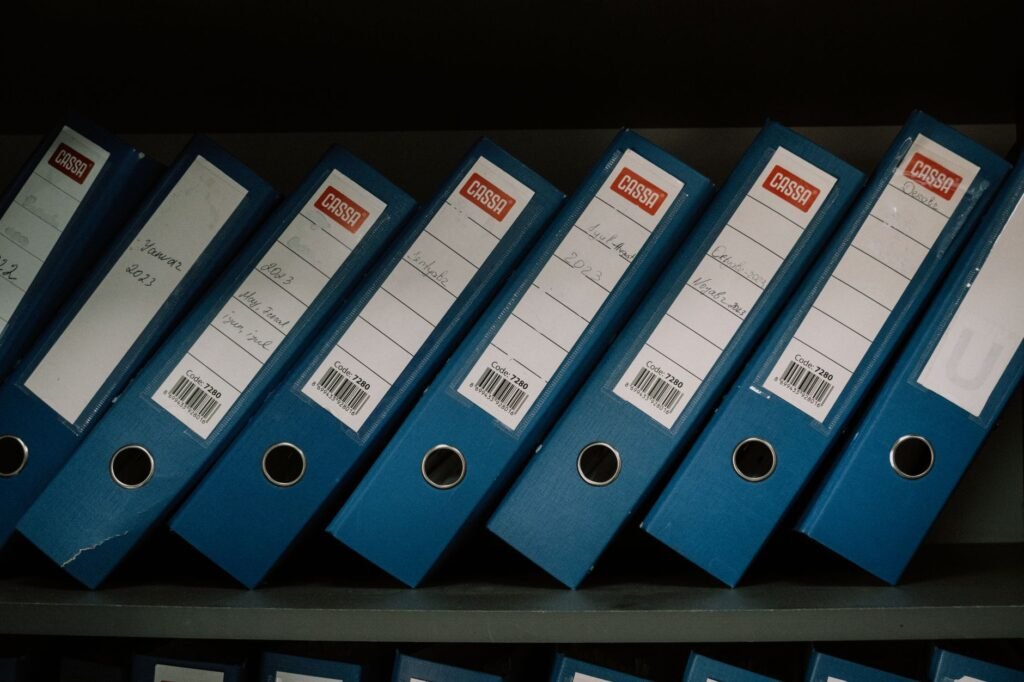
- Organize Documents: Create a dedicated folder or filing system for all related documents. Clearly label each section (e.g., medical bills, correspondence, police reports) to facilitate easy access.
- Keep Copies: Always maintain copies of original documents. This protects you in case of loss and ensures you have backup evidence for injury claims.
- Verify Accuracy: Double-check all information for accuracy. Ensure that medical records and bills reflect the correct dates and services provided.
Utilizing Technology for Efficient Documentation
Leveraging technology can significantly enhance your efficiency in collecting claim documents. Consider these tools:
- Document Scanning Apps: Use apps like CamScanner or Adobe Scan to digitize paper documents. This not only saves physical space but also allows for easy sharing and backup.
- Cloud Storage: Services like Google Drive or Dropbox enable you to store documents securely online. This ensures that your files are accessible from anywhere and protected from local hardware failures.
- Case Management Software: Consider using dedicated software like Clio or MyCase if you’re working with a legal professional. These platforms help track documents, deadlines, and tasks related to your injury claims.
By implementing these best practices and utilizing technology, you can streamline the process of collecting claim documents, making it easier to present your case effectively. The importance of documentation cannot be overstated; thorough and organized evidence for injury claims is essential in achieving a favorable outcome.
Conclusion: Maximizing Your Injury Claim Potential
Thorough and accurate documentation for injury claims is essential for achieving a favorable outcome in any case. From medical records to accident reports, every piece of documentation plays a vital role in substantiating your claim and ensuring you receive the compensation you deserve. The importance of documentation cannot be overstated; it serves as the foundation upon which your case is built. Properly collected and organized evidence for injury claims can significantly influence the outcome, making it crucial to take proactive steps in gathering and maintaining your claim documentation.
To maximize your injury claim potential, consider the following actionable steps:
- Start Early: Begin collecting claim documents as soon as possible. This includes medical records, police reports, and any correspondence with insurance companies.
- Be Thorough: Keep detailed records of all expenses related to your injury, including medical bills, travel expenses for treatment, and lost wages.
- Stay Organized: Create a dedicated folder, either physical or digital, to store all documentation related to your claim. This will make it easier to access and present your evidence when needed.
- Consult Professionals: If you’re unsure about what documents are necessary, consider consulting with a legal expert who specializes in injury claims to guide you through the process.
By understanding and implementing these strategies, you can significantly enhance the effectiveness of your claim. The right approach to collecting claim documents not only strengthens your case but also positions you favorably during negotiations or court proceedings. Remember, the more comprehensive your documentation, the better your chances of receiving fair compensation for your injuries.

The role of documentation for injury claims cannot be overstated. It serves as the backbone of your case, providing essential evidence for injury claims that can significantly impact the outcome. By diligently collecting claim documents, you enhance your chances of securing the compensation you deserve. Each piece of documentation adds weight to your claim, illustrating the effects of the injury on your life.
Understanding the importance of documentation is crucial for anyone navigating the complexities of injury claims. As you gather evidence, be meticulous and thorough. This will not only strengthen your position but also facilitate a smoother claims process. To get started, focus on compiling all relevant medical records, accident reports, and witness statements. Taking this proactive step can make a substantial difference in the success of your claim.
“`html
What is the role of documentation in injury claims?
Documentation for injury claims serves as the foundation for proving your case. It provides evidence that supports your claims about the injury, its cause, and the resulting damages. Proper documentation helps to establish the facts and provides a clear record that can influence the outcome of negotiations or court proceedings. Without thorough documentation, it can be challenging to substantiate your claims and receive the compensation you deserve.
What types of documents are needed for an injury claim?
Essential documents for an injury claim include medical records detailing the injury and treatment, police reports if applicable, photos of the accident scene, witness statements, and any correspondence with insurance companies. Additionally, receipts for medical expenses and records of lost wages can strengthen your claim. Collecting these documents helps to create a comprehensive overview of your situation, reinforcing the credibility of your injury claim.
How do I collect evidence for my injury claim?
Collecting evidence for injury claims involves several steps. Start by gathering medical records and bills, as well as any documentation related to the accident, such as reports or citations. Take photographs of the scene, injuries, and any relevant signage or conditions. Additionally, obtain witness contact information and statements if possible. Keeping a detailed journal of your recovery process can also serve as valuable evidence, documenting your experiences and challenges related to the injury.
Why is documentation important for legal claims?
The importance of documentation in legal claims cannot be overstated. It provides a factual basis that supports your assertions and can significantly influence the outcome of your case. Documentation helps prevent disputes regarding the details of the incident and establishes a timeline of events. Courts and insurance companies rely on accurate and well-organized documentation to assess liability and determine compensation amounts, making it essential to present a strong case.
What are common mistakes in documenting injury claims?
Common mistakes in documenting injury claims include failing to gather all necessary evidence, not keeping detailed records, and overlooking the importance of timelines. Additionally, some individuals may wait too long to file claims or provide incomplete information to insurers. It’s crucial to be thorough and organized, as these mistakes can weaken your case and lead to complications in receiving fair compensation for your injuries.
How can technology help with collecting claim documents?
Technology can significantly streamline the process of collecting claim documents. Mobile apps allow users to take photos of evidence, store documents securely, and share information with legal representatives. Cloud storage services enable easy access to files from anywhere, ensuring that important records are not lost. Additionally, digital tools can help organize paperwork and maintain a timeline of events, enhancing the overall efficiency and accuracy of your documentation for injury claims.
“`