
The injury claim documentation checklist is a crucial tool for anyone pursuing compensation after an accident or injury. Proper documentation for injury claims can significantly impact the outcome of your case, making it essential to gather and organize all necessary materials effectively. This article will guide you through the key components of an injury claim documentation checklist, outlining the essential documentation for injury claims, including medical records and accident reports. You will learn how to collect compelling injury claim evidence that supports your case and identify the claim support documents you need to gather. Additionally, we will discuss best practices for organizing your injury claim documentation checklist to streamline your claims process. Common mistakes to avoid in injury claim documentation will also be addressed, ensuring you are well-prepared for any challenges that may arise. By the end of this article, you will have a comprehensive understanding of how to finalize your injury claim documentation checklist, empowering you to navigate your claim with confidence.
What is an Injury Claim Documentation Checklist?
An injury claim documentation checklist is an essential tool for anyone navigating the complex process of filing an injury claim. Proper documentation not only supports your case but also plays a critical role in ensuring you receive the compensation you deserve. Without the right documentation for injury claims, you may find it challenging to substantiate your claims, which can result in delays or denials from insurance companies.
Understanding the Importance of Documentation
Injury claim evidence is crucial for establishing the validity of your claim. Collecting and organizing supporting documents can significantly enhance the likelihood of a favorable outcome. An effective injury claim documentation checklist helps streamline this process, ensuring that you gather all necessary information from medical records to police reports. By being methodical, you can mitigate stress and focus on your recovery.
Key Components of the Checklist
To help you prepare, this checklist will cover several key components, including:
- Medical records and treatment documentation
- Accident reports and witness statements
- Photos and diagrams of the accident scene
- Correspondence with insurance companies
- Proof of lost wages and other financial impacts
By ensuring you have all necessary claim support documents organized and accessible, you can effectively advocate for your rights. Stay tuned as we delve deeper into each component of the injury claim documentation checklist.

Essential Documentation for Injury Claims
Medical Records and Reports: Key Components of Your Injury Claim Documentation Checklist
To support your injury claim effectively, comprehensive medical records are essential. These documents serve as vital injury claim evidence to prove the extent and impact of your injuries. Key components include:
- Hospital Bills: Detailed invoices from the hospital where you received treatment, outlining charges for services rendered.
- Treatment Records: Documentation from healthcare providers detailing the nature of your injuries, treatments received, and any follow-up care required.
- Reports from Healthcare Providers: Professional assessments and recommendations from doctors or specialists that clarify your diagnosis and treatment plans.
Gathering these documents not only strengthens your claim but also helps in establishing a comprehensive injury claim documentation checklist. To learn more about the types of medical records needed, visit Nolo’s guide on medical evidence.

Proof of Income Loss: A Critical Aspect of Your Injury Claim Documentation Checklist
Documentation that illustrates loss of income due to your injury is another crucial element of your claim support documents. This may include:
- Pay Stubs: Recent pay stubs that reflect your earnings before the injury.
- Tax Returns: Copies of your previous tax returns, typically for the last two years, to show your income history.
- Employer Statements: Written statements from your employer confirming your income and the duration of your absence from work due to the injury.
Having this documentation for injury claims is essential, as it helps to quantify the financial impact of your injuries. For further information on claiming lost wages, check out The Importance of Accurate Documentation for Injury Claims.
Collecting Injury Claim Evidence
When pursuing an injury claim, robust evidence can make all the difference in the outcome. A comprehensive injury claim documentation checklist should include various forms of evidence, particularly photographic evidence and witness statements, both of which can significantly bolster claim support documents.
Photographic Evidence
Photographic evidence plays a crucial role in substantiating your injury claim. Capturing images of the accident scene, including relevant surroundings, can provide context that strengthens your case. Additionally, documenting the progression of your injuries through photographs can illustrate the impact on your daily life, which is vital for establishing the extent of your suffering.
Ensure that you take clear, well-lit photos from multiple angles. Include images of any visible injuries, property damage, and the accident site. This visual documentation serves as compelling evidence in negotiations or court proceedings. For more tips on effective documentation for injury claims, consider consulting Gathering Evidence for Your Injury Claim: A Complete Guide.

Witness Statements in Your Injury Claim Documentation Checklist
Witness statements can significantly enhance the credibility of your injury claim evidence. Eyewitnesses can provide unbiased accounts of the incident, which can help to verify your version of events. Collect contact information and statements from anyone who observed the accident, ensuring they are willing to share their perspectives.
When gathering witness statements, ask open-ended questions to encourage detailed responses. It’s best to document these statements in writing or through recorded conversations, as this provides clear claim support documents that can be referenced later. For guidance on how to effectively gather witness statements, explore How to Document Your Injury for a Successful Claim.
By focusing on these essential elements of your injury claim documentation checklist, you can build a robust case that facilitates a successful claim process.
Claim Support Documents to Gather
Essential Components of Your Injury Claim Documentation Checklist
When filing an injury claim, gathering the right claim support documents is crucial to strengthen your case. An organized injury claim documentation checklist will help ensure you have all necessary evidence at your disposal.
Insurance Information
Start by collecting comprehensive insurance documentation. This includes:
- Policy details, such as coverage limits and exclusions
- Proof of insurance, including policy numbers
- Records of communication with the insurer, including emails, letters, and notes from phone calls
Having this information readily available will facilitate smoother interactions with your insurance company and help clarify your coverage when filing your claim. Accurate documentation for injury claims is essential for a successful outcome.
Incident Reports
Another critical element in your injury claim documentation checklist is obtaining incident reports. These may come from:
- Law enforcement agencies for accidents that occurred on public roads or properties
- Workplace safety reports if the injury happened at work
Incident reports serve as vital injury claim evidence, providing an official record of what occurred and supporting your narrative. Make sure to request copies of these documents as soon as possible to avoid delays in your claim process.

Organizing Your Injury Claim Documentation Checklist
Creating a System for Your Documents
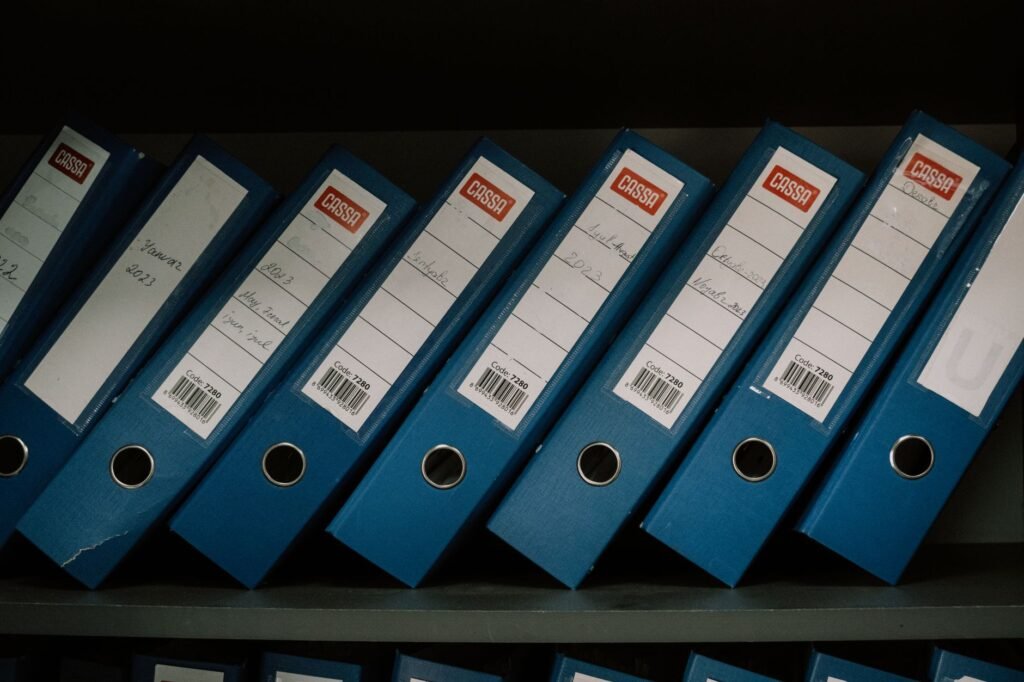
Efficient organization is crucial when managing your injury claim documentation checklist. Start by categorizing your documents into relevant sections. You might consider using physical folders or digital tools like Google Drive or Dropbox to store documents related to:
- Medical records and bills
- Accident reports
- Witness statements
- Insurance correspondence
- Photographs of the incident and injuries
Label each folder clearly to ensure you can quickly locate specific claim support documents when needed. A well-structured system not only simplifies your task but also enhances your efficiency during the claims process.
Tips for Easy Access and Submission
To ensure that your documentation for injury claims is easily accessible when filing, consider these actionable steps:
- Digitize Documents: Scan hard copies of important documents and store them in a secure cloud service. This allows you to access them from anywhere.
- Keep Everything Updated: Regularly review your documentation to add new information and remove outdated items.
- Use a Checklist: Create a checklist based on your injury claim documentation checklist to track what you have and what you still need.
- Backup Your Files: Always have a backup of your documents in case of unexpected loss.
Following these tips will facilitate smoother communication with your attorney and insurance company, ensuring that your injury claim evidence is readily available when required.
Common Mistakes to Avoid in Injury Claim Documentation
Incomplete Documentation in Your Injury Claim Documentation Checklist
One of the most common errors claimants make is failing to include all necessary claim support documents. This can significantly weaken your case. Essential items like medical records, accident reports, and witness statements serve as crucial injury claim evidence that can substantiate your claim. Without these documents, your insurer may deny your claim or offer a lower settlement. Ensure that your injury claim documentation checklist is thorough, covering all aspects of your injury and its impact on your life.
Ignoring Deadlines for Documentation for Injury Claims
Another frequent mistake is overlooking submission deadlines. Each state has specific timeframes for filing injury claims, and missing these deadlines can result in losing your right to compensation. It’s vital to keep a calendar of important dates related to your claim. Timeliness in submitting documentation for injury claims not only shows your diligence but also reinforces the validity of your case. Make sure you stay organized and adhere to your injury claim documentation checklist to avoid these pitfalls.

Conclusion: Finalizing Your Injury Claim Documentation Checklist
Ensuring that your injury claim documentation checklist is thorough and complete is essential for a successful claims process. Proper documentation for injury claims not only supports your case but also streamlines communication with insurance companies and legal representatives. Missing or incomplete claim support documents can lead to delays or even denials of your claim, which may hinder your ability to receive compensation for your injuries and losses.
Before submitting your claim, take the time to review your injury claim documentation checklist carefully. Make sure you have gathered all required items, including medical records, photographs of the incident, witness statements, and any other pertinent injury claim evidence. Each piece of documentation plays a crucial role in validating your claim and establishing the extent of your injuries.
By following this checklist, you can feel confident that you have done everything possible to support your claim. Remember, being organized and meticulous will help you navigate the claims process more effectively. If you have any doubts or questions about the required documents, consider consulting with a legal professional who specializes in personal injury cases.

Having a comprehensive injury claim documentation checklist is essential for ensuring that your case is well-supported. Proper documentation for injury claims not only strengthens your position but also facilitates a smoother claims process. By gathering all necessary injury claim evidence and organizing your claim support documents, you can significantly enhance the chances of a favorable outcome.
As you prepare your claim, take the time to review and compile all relevant documents meticulously. This will not only aid in presenting a compelling case but also help you avoid common pitfalls that could delay your claim. Start by creating your customized injury claim documentation checklist today to ensure you have everything in order before proceeding with your claim. Your diligence now can make all the difference in the success of your case.
“`html
What documents do I need for an injury claim?
To file an injury claim successfully, you will need several essential documents. This includes medical records detailing your injuries, bills and receipts for medical treatment, proof of lost wages, photographs of the accident scene, police reports, and any witness statements. Additionally, keep any correspondence related to the claim, such as letters from insurance companies. Having a comprehensive injury claim documentation checklist can help ensure you gather everything necessary for your claim.
How do I collect injury claim evidence?
Collecting injury claim evidence involves gathering all relevant materials that support your case. Start by documenting the accident scene with photographs, noting any damages or hazardous conditions. Obtain medical records and bills from your healthcare provider to establish the extent of your injuries. Additionally, gather witness statements and any police reports related to the incident. Keeping a detailed log of all evidence collected is crucial for building a strong case.
What are claim support documents?
Claim support documents are various materials that substantiate your injury claim. These include medical records, bills, and receipts that reflect your treatment and expenses. Additionally, witness statements, photographs of the accident scene, and any relevant police reports serve as critical support documents. The more comprehensive your documentation for injury claims, the stronger your case will be, increasing the likelihood of a favorable outcome.
Why is documentation important for injury claims?
Documentation is vital for injury claims as it serves as tangible proof of your injuries and associated expenses. Insurance companies rely on this evidence to evaluate the validity of your claim and determine compensation amounts. Without proper documentation, it can be challenging to support your case, leading to delays or denials. A well-prepared injury claim documentation checklist ensures you have all necessary documents to present a compelling case.
How can I organize my injury claim documentation?
Organizing your injury claim documentation is crucial for efficient management of your case. Start by creating a dedicated folder, either physical or digital. Sort documents into categories such as medical records, bills, photographs, and witness statements. Use labeled dividers or folders to keep everything in order. Regularly update your documentation as you receive new information or evidence. This organization will make it easier to access what you need when communicating with your attorney or insurance company.
What mistakes should I avoid in my injury claim documentation?
Avoid common mistakes such as failing to gather all necessary documents or neglecting to keep copies of everything submitted. Do not overlook the importance of timely documentation; delays can weaken your claim. Additionally, ensure that all records are accurate and truthful, as misinformation can lead to claim denial. Lastly, avoid discussing your claim on social media, as anything you post can be used against you. A comprehensive injury claim documentation checklist can help prevent these errors.
“`