
Your injury claim estimate is a critical component in securing the compensation you deserve following an accident. Understanding what to include in your injury claim is essential for accurately portraying your situation to insurers and ensuring a fair evaluation. This article will guide you through the key elements that should be part of your injury claim documentation, helping you to navigate the complexities of the claims process. We will explore how to estimate injury claims accurately, providing you with valuable insights into the factors that influence your claim’s value, such as medical expenses, lost wages, and pain and suffering. By the end of this article, you will be equipped with the knowledge needed to maximize your injury claim estimate, making sure that no essential details are overlooked. For further insights, you may refer to Nolo on personal injury claims or NHTSA’s guide on personal injury claims.
Understanding Your Injury Claim Estimate
What is an Injury Claim Estimate?
An injury claim estimate is a calculated projection of the financial compensation you may be eligible to receive following an injury caused by someone else’s negligence or wrongdoing. This estimate takes into account various factors, including medical expenses, lost wages, pain and suffering, and other related costs. Accurately estimating these elements is crucial, as it forms the basis of your claim and can significantly influence the outcome of any negotiations or settlements.
Why is an Accurate Estimate Important?
Obtaining an accurate injury claim estimate is vital for several reasons. First and foremost, it ensures that you have a realistic understanding of your potential compensation, allowing you to make informed decisions throughout the claims process. Insurance companies often attempt to minimize payouts, so a precise estimate can serve as a powerful tool during negotiations. If your estimate is too low, you might end up settling for less than what you truly deserve.
Moreover, a well-documented injury claim estimate enhances your credibility. It demonstrates that you have thoroughly assessed your damages and are serious about your claim. This can lead to more favorable negotiations and may even deter insurance companies from attempting to undervalue your claim. When you know how to estimate injury claims effectively, you can include comprehensive injury claim documentation, which may encompass medical records, bills, and any other relevant evidence.
understanding what to include in your injury claim is critical to formulating a solid estimate. It allows you to present a compelling case to the insurance adjuster, thereby increasing your chances of receiving a fair settlement. As you navigate the complexities of your claim, consider all factors carefully and consult professionals if needed to ensure your estimate is as accurate as possible. This proactive approach can make a significant difference in the outcome of your claim.
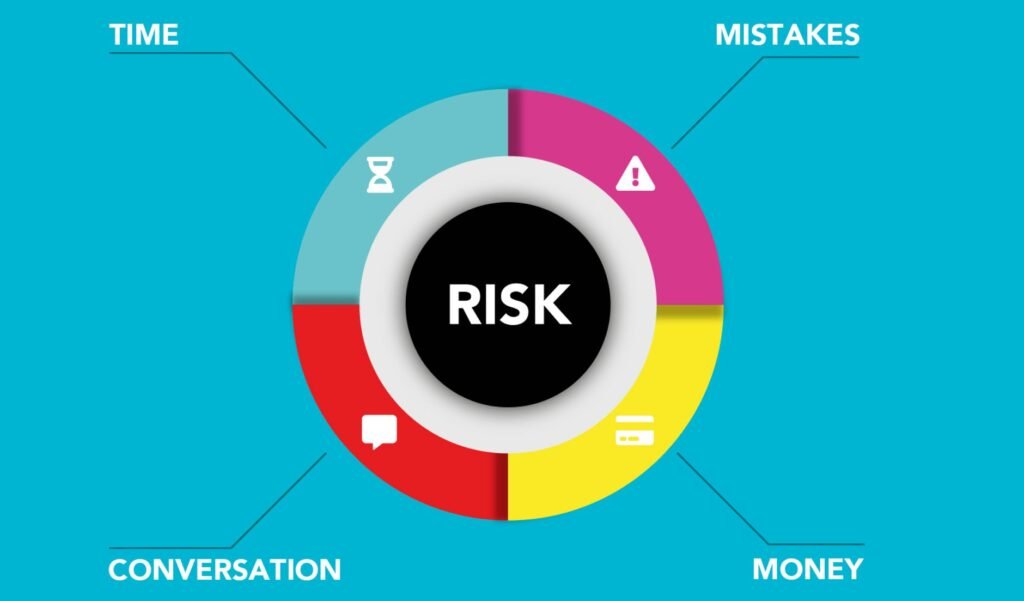
What to Include in Your Injury Claim Estimate
Key Components of an Injury Claim Estimate
When preparing an injury claim estimate, several key components must be included to ensure a comprehensive assessment of your damages. Each component plays a crucial role in presenting a full picture of your losses, which can significantly affect the outcome of your claim.
- Medical Expenses: These include all costs related to your medical treatment, such as hospital bills, rehabilitation, physical therapy, and any future medical care necessary due to the injury. Keep all receipts and invoices as part of your injury claim documentation.
- Lost Wages: If your injury has caused you to miss work, you should estimate the income you have lost. This includes not only your salary but also potential bonuses and other benefits. Document this loss with pay stubs and employer statements.
- Pain and Suffering: This is a subjective measure of the physical and emotional distress you have experienced due to the injury. While there is no fixed formula for quantifying pain and suffering, many use a multiplier of medical expenses to estimate this component.
- Property Damage: If your property was damaged in the incident, include repair or replacement costs in your estimate. Document the damage with photographs and repair estimates.
How to Document Your Injury Claim Effectively
Effective injury claim documentation is critical for supporting your injury claim estimate. Here are steps on how to estimate injury claims through proper documentation:
- Gather Medical Records: Collect all documents related to your medical treatment, including doctors’ notes, prescriptions, and test results. These documents will substantiate your medical expenses.
- Compile Financial Records: Include pay stubs, tax returns, and any other financial documents that show your income prior to the injury. This information is vital for calculating lost wages.
- Document Pain and Suffering: Keep a journal detailing your physical and emotional state post-injury. Include descriptions of how your daily life has been impacted.
- Take Photographs: Images of the accident scene, your injuries, and any property damage can provide compelling evidence to support your claim.
- Organize and Store Evidence: Use a filing system to keep all documentation in one place, making it easier to access when needed.
By systematically compiling your injury claim estimate with these components and thorough documentation, you enhance your chances of receiving a fair settlement. For more insights on what to include in injury claims, refer to Calculate Your Personal Injury Claim Value Effectively.

How to Estimate Injury Claims Accurately
Estimating your injury claim accurately is crucial to ensure you receive fair compensation for your damages. A precise injury claim estimate involves a careful evaluation of various factors, including medical expenses, lost wages, and pain and suffering. Below are effective strategies and common pitfalls to avoid when estimating your claim.
Using Tools and Resources for Estimation
One of the most effective ways to begin your injury claim estimate is by utilizing online calculators specifically designed for personal injury claims. These tools can provide a ballpark figure by taking into account various factors such as medical costs and lost income. However, keep in mind that these calculators are just starting points and may not encompass all your unique circumstances.
Consulting with professionals, such as personal injury attorneys or financial advisors, can also significantly enhance the accuracy of your estimate. These experts can guide you through the injury claim documentation process, ensuring that you include everything relevant in your claim. They can also help you understand the nuances of local laws and regulations that could affect your settlement.
Additionally, gathering comprehensive documentation is vital. This includes medical records, receipts for out-of-pocket expenses, and evidence of lost wages. By compiling this information, you can create a more informed estimate and strengthen your claim when negotiating with insurance companies.
Common Mistakes to Avoid in Injury Claims
While estimating your injury claim, it is essential to be aware of common mistakes that could lower your settlement. One frequent error is underestimating medical expenses. Many individuals fail to account for future medical treatments or rehabilitation costs, which can significantly impact long-term recovery.
Another mistake is not considering the full extent of pain and suffering. It can be challenging to quantify emotional and psychological impacts, but these factors are crucial in a comprehensive injury claim estimate. Additionally, failing to maintain organized documentation can lead to complications down the line.
Lastly, some claimants rush through the estimation process, leading to overlooked details and missed opportunities for compensation. Taking the time to thoroughly assess your situation and consult with professionals can make a substantial difference in the outcome of your claim.

By utilizing available tools and avoiding common pitfalls, you can create a more accurate injury claim estimate. This not only benefits your immediate financial situation but also lays the groundwork for a stronger case should negotiations arise.
For further guidance, explore resources on Estimate Medical Expenses in an Injury Claim and Compare Injury Claim Calculators: Find the Best Tool.
Conclusion: Maximizing Your Injury Claim Estimate
Tips for a Successful Claim
Creating an accurate injury claim estimate is crucial in ensuring you receive fair compensation for your injuries. Start by gathering all necessary injury claim documentation, which should include medical records, bills, and proof of lost wages. Additionally, consider the emotional impact of your injury and any long-term effects it may have on your quality of life. Here are some actionable tips to improve your claim:
- List All Expenses: Document every cost associated with your injury, including medical expenses, rehabilitation, and travel for medical appointments.
- Keep Detailed Records: Maintain a journal of your recovery process, noting how your injury affects your daily life.
- Consult Professionals: Seek evaluations from medical professionals and, if necessary, financial experts to bolster your claim.
Understanding how to estimate injury claims effectively can significantly impact the outcome of your case. Be thorough in your documentation to avoid missing vital components that could enhance your injury claim estimate.
When to Consult a Legal Professional
While many individuals can successfully manage straightforward claims, complex cases may benefit from legal expertise. If your injury resulted from a particularly serious incident, involved multiple parties, or if the insurance company is contesting your claim, seeking legal advice is highly advisable. An attorney can provide valuable insights into what to include in an injury claim and help navigate the legal complexities that may arise. They can also assist in negotiating with insurers to ensure you receive the compensation you deserve.
Ultimately, a well-prepared injury claim estimate is the foundation of a successful claim. By taking the time to document your expenses and seeking professional guidance when necessary, you maximize your chances of securing a fair settlement.
Creating an accurate injury claim estimate is crucial for ensuring that you receive fair compensation. Understanding what to include in your injury claim can make a significant difference in the outcome of your case. Key elements such as medical expenses, lost wages, and pain and suffering should all be carefully documented in your injury claim documentation to support your estimate. Knowing how to estimate injury claims effectively can empower you in negotiations with insurance companies.
As you prepare your injury claim estimate, be diligent in gathering all necessary information and evidence. This will not only strengthen your claim but also streamline the process. If you need assistance, consider consulting with an experienced attorney who can guide you through what to include in injury claim estimates and help you navigate the complexities of your case. Taking these steps will position you for a more favorable resolution.
“`html
What factors affect my injury claim estimate?
Your injury claim estimate can be significantly influenced by several factors, including the severity of your injuries, medical expenses, lost wages, and the impact on your quality of life. Other elements, such as liability, evidence of negligence, and insurance policy limits, also play crucial roles. Understanding these factors can help you build a more accurate estimate and ensure you include all relevant information in your claim.
How do I gather injury claim documentation?
Gathering injury claim documentation involves collecting all relevant records that support your claim. Start with medical records, including treatment notes, bills, and diagnostic tests. Also, document any lost wages through pay stubs and employer statements. Photographs of the accident scene, witness statements, and police reports can be helpful as well. Organizing this documentation methodically will strengthen your claim and provide clear evidence for your injury claim estimate.
What expenses should I include in my injury claim?
When preparing your injury claim estimate, include all related expenses such as medical costs, rehabilitation expenses, and any necessary home modifications. Additionally, account for lost wages due to missed work, transportation costs for medical appointments, and any future anticipated expenses related to your injury. Documenting these expenses thoroughly will help ensure you capture the full extent of your losses.
How can I estimate my injury claim accurately?
To estimate your injury claim accurately, start by compiling all documentation related to your injury, including medical records and financial losses. Assess the total of your medical expenses, lost wages, and any other costs associated with your injury. You may also consider using a multiplier method, which involves multiplying your economic damages by a factor that reflects your pain and suffering. Consulting with legal professionals can provide additional insights into how to estimate injury claims effectively.
What common mistakes should I avoid in my injury claim?
Avoid common mistakes such as underestimating your damages, failing to document your injuries thoroughly, and missing deadlines for filing your claim. Another frequent error is neglecting to consult with a legal professional, which can result in overlooking critical details. Additionally, be cautious about providing recorded statements to insurance adjusters without legal guidance, as this can jeopardize your claim. Staying organized and informed will help you navigate the claims process successfully.
When should I hire a lawyer for my injury claim?
Consider hiring a lawyer for your injury claim if your injuries are severe, if you face significant medical expenses, or if there are disputes over liability. An attorney can help navigate complex legal processes, negotiate with insurance companies, and ensure you receive a fair settlement. If you feel overwhelmed or unsure about how to proceed, consulting with a legal professional can provide the support and expertise necessary to strengthen your claim.
“`