
When pursuing an injury claim, avoiding injury claim mistakes is crucial to securing the compensation you deserve. Many individuals unknowingly jeopardize their cases due to common filing errors and miscommunication with insurance companies. This comprehensive guide will delve into the top injury claim mistakes to avoid, providing essential insights to help you navigate the process effectively. We will explore common filing errors that can derail your claim, along with practical injury claim tips designed to help you maximize your settlement. Additionally, we will highlight strategies for avoiding mistakes when communicating with insurers, ensuring you present your case in the best light possible. With the right information at your disposal, you can approach your injury claim with confidence and clarity. For further reading, consider visiting Nolo or USA.gov for more insights on navigating the claims process.
Top Injury Claim Mistakes to Avoid
Understanding injury claim mistakes is crucial for anyone seeking compensation after an accident. Many claimants unknowingly make errors that can significantly impact the success of their claims and the final settlement amount. By recognizing and avoiding these pitfalls, you can strengthen your case and maximize your compensation.
Common Filing Errors That Can Cost You
One of the most frequent common filing errors is missing deadlines. Each state has specific time limits for filing injury claims, known as statutes of limitations. Failing to submit your claim on time can result in losing your right to compensation entirely. Additionally, providing incomplete or inaccurate information on claim forms can lead to delays or denials. Always double-check your documents for accuracy and completeness.
Another critical mistake is underestimating the extent of your injuries. Claimants often settle quickly without fully understanding the long-term implications of their injuries. This can lead to insufficient compensation for medical expenses, lost wages, and pain and suffering. It’s essential to consult with healthcare professionals to get a comprehensive understanding of your condition before accepting any settlement offers.
How to Apply Injury Claim Tips Effectively
To avoid injury claim mistakes, consider implementing these effective injury claim tips. Firstly, keep detailed records of all medical treatments, expenses, and correspondence related to your claim. This documentation will serve as vital evidence if your case goes to court or if you need to negotiate with insurance companies.
Secondly, do not rush into a settlement. Take the time to evaluate your injuries and the impact they may have on your life. Consulting with a legal professional can provide you with valuable insights and help you to maximize your settlement. They can guide you through the complexities of the claims process and advocate on your behalf to ensure you receive fair compensation.
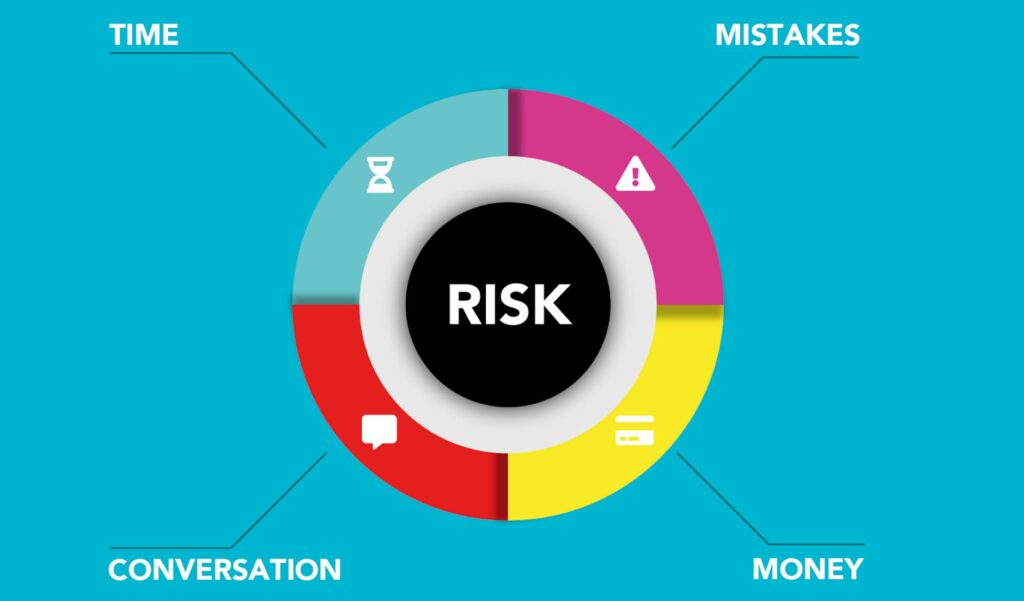
By understanding and avoiding these common injury claim mistakes, you can navigate the claims process more effectively and increase your chances of a favorable outcome.
Understanding Common Filing Errors
Incomplete Documentation and Its Consequences
One of the most prevalent injury claim mistakes is failing to provide complete and accurate documentation. When filing an injury claim, it is essential to gather all relevant evidence, including medical records, accident reports, photographs, and witness statements. Incomplete documentation can lead to claim denials or reductions in settlement offers. Insurers often require proof to substantiate your claim, and missing documents can cast doubt on the legitimacy of your case.
For example, if you neglect to include a medical report detailing your injuries, the insurance adjuster may question the severity of your condition, ultimately impacting your ability to maximize your settlement. To avoid this mistake, create a checklist of necessary documents and ensure that each item is obtained and submitted in a timely manner. 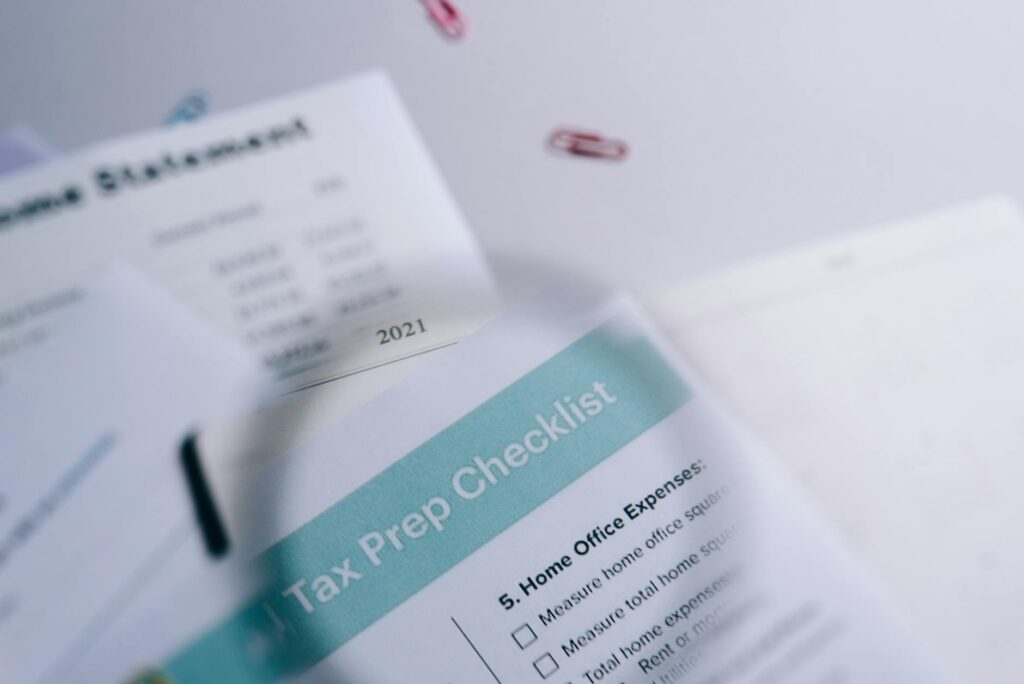
Failing to Meet Deadlines: Why Timing Matters
Another critical aspect of filing an injury claim is adhering to deadlines. Each state has specific statutes of limitations that dictate how long you have to file a claim after an accident. Missing these deadlines can result in losing your right to seek compensation altogether. For instance, in many states, the timeframe can range from one to six years, depending on the type of claim. Failing to act promptly can be one of the most detrimental injury claim mistakes you can make.
In addition to court deadlines, there may also be time limits imposed by insurance companies for filing claims or providing additional information. To avoid these pitfalls, stay organized and set reminders for crucial dates. Following these injury claim tips will help ensure that your claim is processed efficiently and that you do not miss out on potential compensation.
Injury Claim Tips to Maximize Settlement
The Importance of Professional Legal Assistance
One of the most significant injury claim mistakes individuals make is attempting to navigate the claims process without professional legal assistance. A qualified attorney can provide invaluable guidance, ensuring that you understand your rights and the intricacies of the legal system. They can help you avoid common filing errors that may jeopardize your case. Furthermore, an experienced lawyer can negotiate with insurance companies on your behalf, which often leads to a higher settlement than what you might achieve alone. According to the American Bar Association, individuals who hire attorneys for personal injury claims receive settlements that are, on average, three times larger than those who represent themselves.
Gathering Evidence: Strengthening Your Claim
Another critical aspect of maximizing your settlement is gathering comprehensive evidence to support your claim. This includes collecting police reports, medical records, witness statements, and photographs of the incident scene. A well-documented claim significantly increases your chances of receiving a fair settlement. Here are some actionable injury claim tips:
- Document Everything: Keep detailed records of your injuries, treatments, and any related expenses. This documentation serves as essential evidence in negotiations.
- Obtain Witness Information: Collect names and contact details of any witnesses to the incident, as their testimonies can bolster your case.
- Consult Medical Professionals: Regular medical evaluations can provide ongoing documentation of your injuries and recovery process, reinforcing the severity of your claim.
- Stay Organized: Maintain a dedicated folder for all your documents and correspondence related to your injury claim. This can help avoid common filing errors.
By following these tips and working closely with a qualified attorney, you can significantly enhance your claim and maximize your settlement. Remember, the more robust your evidence, the stronger your case will be. 
Avoiding Mistakes When Communicating with Insurers
Effective communication with insurance companies is crucial in navigating the complexities of personal injury claims. Many injury claim mistakes stem from misunderstandings or misstatements during conversations with insurers. To protect your claim and ensure you maximize your settlement, it is essential to articulate your situation clearly and accurately.
What to Say and What Not to Say
When speaking with an insurance adjuster, it is vital to convey your injuries and the circumstances surrounding your accident clearly. Focus on factual details without embellishing or speculating. Avoid making statements that could be interpreted as admitting fault or downplaying the severity of your injuries. For instance, saying “I think I might be okay” can be misinterpreted as a sign of minor injuries, which can lead to significant injury claim mistakes later on.
- Do: Provide clear, concise information about the incident.
- Don’t: Offer opinions or assumptions about your recovery.
- Do: Stick to the facts of your case.
- Don’t: Discuss prior injuries unless they are relevant.
Understanding the Role of Recorded Statements
Recorded statements are often requested by insurance companies soon after an accident. While you may feel compelled to comply, it is essential to understand how these statements can impact your claim. Insurers may use your recorded statements against you, particularly if there are inconsistencies in your narrative. Nolo outlines that even minor discrepancies can lead to challenges in your case.
Before agreeing to provide a recorded statement, consider consulting a legal professional who can offer injury claim tips tailored to your situation. They can help you prepare and ensure that you avoid common filing errors that could jeopardize your claim.

By being mindful of what you say and understanding the implications of recorded statements, you can significantly reduce the likelihood of making injury claim mistakes that could affect your case’s outcome.
For more guidance on how to navigate the complexities of injury claims, including strategies to maximize your settlement, visit Common Mistakes When Filing an Injury Claim.
Final Thoughts on Injury Claim Mistakes
Recap of Key Points Regarding Injury Claim Mistakes
Throughout this guide, we have identified several common injury claim mistakes that can significantly impact the outcome of your case. Some of the most frequent errors include failing to gather adequate evidence, missing critical deadlines, and underestimating the true value of your claim. Being aware of these pitfalls is essential for anyone pursuing an injury claim, as they can lead to reduced compensation or even denial of your claim altogether.
We also explored injury claim tips to help you navigate the process effectively. These include documenting all relevant information, seeking medical attention promptly, and consulting with a qualified attorney to guide you through the complexities of your claim.
Next Steps After Identifying Mistakes
If you realize that mistakes have been made in your claim, it is vital to take immediate action. Start by reviewing the details of your case and identifying specific areas where errors occurred, such as common filing errors like missing signatures or incorrect information. If you need to amend any documents, do so as soon as possible to avoid further complications.
Consider reaching out to a personal injury attorney who can provide expert advice tailored to your situation. They can help you understand your options and assist you in making the necessary corrections to maximize your settlement. Remember, timely action can make a significant difference in the outcome of your claim.
Finally, keep a close eye on all deadlines moving forward. Create a timeline of necessary actions to ensure you stay on track and avoid repeating past injury claim mistakes. Staying organized and informed will empower you to navigate the claim process with confidence.

Understanding and avoiding common injury claim mistakes can significantly impact the outcome of your case. By being aware of frequent filing errors and implementing effective injury claim tips, you enhance your chances of a successful settlement. Remember, even minor oversights can lead to substantial consequences, so it’s crucial to approach your claim with diligence and care.
To maximize your settlement, take the time to educate yourself about the claims process, gather all necessary documentation, and consult with a qualified attorney if needed. By being proactive and informed, you can navigate the complexities of an injury claim more effectively. Start by reviewing your case and identifying any potential pitfalls today.
“`html
What are the most common injury claim mistakes?
Some of the most common injury claim mistakes include failing to gather adequate evidence, not documenting medical treatment properly, and missing important deadlines. Claimants often underestimate the importance of detailed records, which can significantly impact the outcome of their claim. Additionally, providing recorded statements without legal guidance can lead to issues. Understanding these injury claim mistakes is crucial for building a strong case.
How can I avoid common filing errors?
To avoid common filing errors, carefully review all documents before submission. Ensure that all required information is complete and accurate, including witness statements, medical records, and incident reports. Keeping organized records and checking for deadlines can also help. If unsure, consulting with a professional can provide clarity and prevent costly mistakes.
What injury claim tips can help me maximize my settlement?
To maximize your settlement, gather comprehensive evidence, including photographs of the incident scene, medical records, and witness statements. It’s also important to document all expenses related to your injury. Negotiating effectively with insurance companies and being patient throughout the process can lead to better results. Consulting with a legal expert can also provide strategic insights that enhance your claim.
What happens if I miss a deadline for my injury claim?
Missing a deadline for your injury claim can result in losing your right to file. Statutes of limitations vary by state and type of claim, but generally, once the deadline passes, you may be barred from seeking compensation. If you believe you have missed a deadline, it is advisable to consult a legal professional immediately to explore potential options.
Do I need a lawyer for an injury claim?
While it’s possible to file an injury claim without a lawyer, having legal representation can significantly benefit your case. A lawyer understands the complexities of injury law, can help you navigate negotiations with insurance companies, and ensure your rights are protected. They can also help avoid common injury claim mistakes that could jeopardize your settlement.
How should I communicate with insurance companies during my claim?
When communicating with insurance companies, be clear and concise. Stick to the facts of the case and avoid discussing personal opinions or emotions. It’s wise to document all interactions, including dates and the names of representatives. If negotiations become complex, consider having a lawyer handle communications to ensure your interests are adequately represented.
“`