Insurance adjusters dog bite claims play a crucial role in determining the outcome of any claim resulting from a dog bite incident. When a dog bite occurs, the path to resolution often involves a thorough evaluation by insurance adjusters, who assess various factors to ensure a fair settlement for all parties involved. This article delves into the intricacies of how insurance adjusters approach dog bite claims, focusing on key elements they consider during the dog bite claim evaluation. Additionally, we will explore the dog bite investigation process, which is essential for gathering evidence and determining liability. Understanding the insurance claim process for dog bites can empower victims to navigate their claims more effectively, ensuring they receive the compensation they deserve. Finally, we will discuss important considerations for dog bite claims that can influence the final outcome. For further reading on insurance claim processes, you can visit Nolo’s guide on insurance claims and the Insurance Information Institute.
Understanding Insurance Adjusters in Dog Bite Claims
What is an Insurance Adjuster?
An insurance adjuster is a professional who evaluates insurance claims on behalf of insurance companies. Their primary responsibility is to investigate the circumstances surrounding a claim, assess its validity, and determine the appropriate compensation based on the policy terms. Adjusters possess a thorough understanding of the insurance claim process, which allows them to effectively manage claims from inception to resolution.
Role of Adjusters in Dog Bite Claims
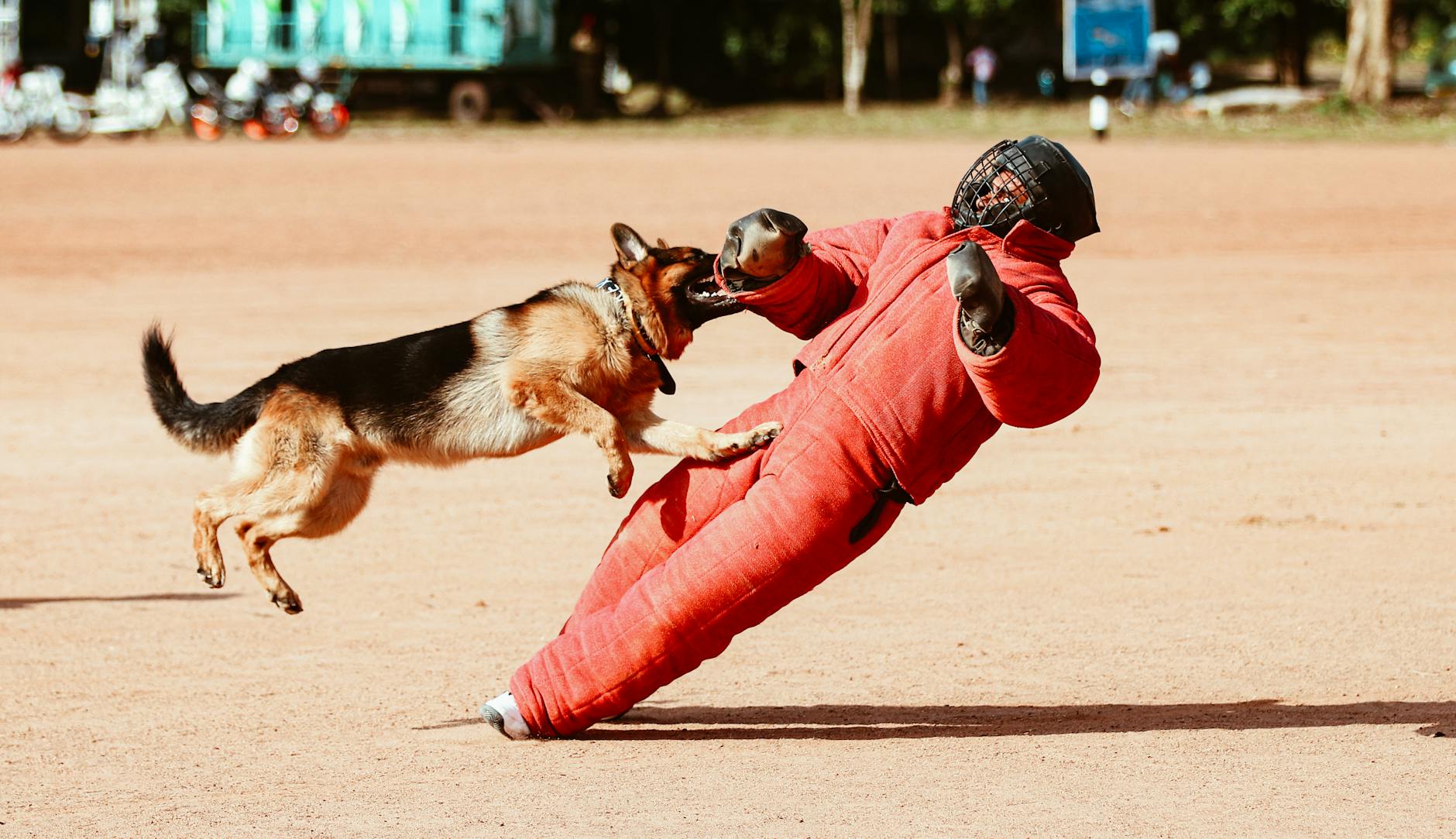
When it comes to insurance adjusters dog bite claims, their role is crucial in ensuring a fair evaluation. Upon receiving a dog bite claim, the adjuster will conduct a comprehensive dog bite investigation. This process involves gathering evidence, speaking with witnesses, and reviewing medical records related to the incident. The adjuster assesses various factors, including the severity of the injuries, the nature of the dog’s behavior, and whether the dog owner had prior knowledge of potential aggression.
During the dog bite claim evaluation, adjusters also consider local laws regarding dog ownership and liability. For example, some jurisdictions follow a “one-bite rule,” which may influence the outcome of the claim. Additionally, they review the policyholder’s insurance coverage to determine the limits and exclusions that may apply. Through this thorough investigation and assessment, adjusters ensure that claims are processed fairly and efficiently, providing both the claimant and the insurer with a clear understanding of the claim’s value and resolution path.
Understanding the role of insurance adjusters in dog bite claims can be beneficial for claimants. By knowing what to expect during the insurance claim process, individuals can better prepare themselves for interactions with adjusters and ensure that they are advocating effectively for their rights and compensation.
Key Factors Insurance Adjusters Look for in Dog Bite Claims
When navigating the intricate landscape of insurance adjusters dog bite claims, understanding the key factors that influence the evaluation process is essential. Thorough documentation and substantial evidence can significantly affect the outcome of a claim. Below, we break down the primary elements that adjusters prioritize in their assessments.
Evidence and Documentation
Insurance adjusters place great emphasis on evidence and documentation during a dog bite investigation. This includes photographs of the injury, the scene of the incident, and any relevant physical evidence. Adjusters are particularly interested in:
- Photographic Evidence: Clear images of the injuries sustained, as well as the location where the bite occurred, help substantiate the severity of the incident.
- Witness Statements: Testimonies from individuals who witnessed the incident can provide crucial context, confirming the circumstances surrounding the dog bite.
- Incident Reports: Any police or animal control reports filed at the time of the incident can offer official documentation that supports the claim.
Collectively, this evidence serves to create a comprehensive picture that aids in the dog bite claim evaluation and informs the adjuster’s decision-making process during the insurance claim process.
Injury Severity and Medical Records
Another critical aspect that insurance adjusters consider in dog bite claims is the severity of the injuries sustained by the victim. Medical records play a vital role in this evaluation, as they document the nature of the injuries, treatment received, and any ongoing medical needs. Adjusters typically look for:
- Medical Documentation: Detailed records that outline the extent of injuries, treatment plans, and follow-up appointments are necessary for substantiating the claim.
- Assessment of Long-term Impact: Adjusters may also consider whether the injuries have resulted in long-term health issues, which could influence compensation amounts.
By carefully reviewing these elements, insurance adjusters can effectively assess the validity and potential compensation of dog bite claims. A thorough understanding of these factors is essential for claimants looking to navigate the complexities of the insurance claim process.
The Dog Bite Investigation Process Explained
How Dog Bite Investigations Are Conducted
When a dog bite incident occurs, the insurance claim process involves a thorough investigation led by insurance adjusters. These professionals are responsible for gathering crucial information to assess the validity of the claim. The investigation typically begins with the adjuster interviewing the involved parties, including the dog owner, the victim, and any witnesses. They collect statements to establish the sequence of events leading up to the bite.
Additionally, adjusters often review medical records related to the victim’s injuries, as this is essential for a dog bite claim evaluation. They may also obtain police reports if law enforcement was involved, which can provide an official account of the incident. Photographs of the scene, the dog, and the injuries sustained are also critical components of the investigation. These elements help adjusters build a comprehensive picture of the circumstances surrounding the incident.
Common Challenges in the Investigation
Despite the structured approach, several challenges can arise during a dog bite investigation. One common issue is the lack of witnesses or conflicting accounts of the incident, which can complicate the determination of liability. Additionally, if the dog owner is uncooperative or if there are disputes over the dog’s history (such as prior aggressive behavior), the investigation can stall.
To overcome these challenges, adjusters must employ diligent fact-finding techniques and maintain open lines of communication with all parties involved. They may also consult with dog behavior experts for insights into the animal’s actions during the incident. By addressing these issues proactively, insurance adjusters can effectively navigate the complexities of dog bite claims and ensure a fair assessment of the situation.
Navigating the Insurance Claim Process for Dog Bites
When faced with a dog bite, navigating the insurance claim process can be daunting. Understanding how insurance adjusters handle dog bite claims is crucial for securing the compensation you deserve. This section outlines the steps involved in filing a claim and provides actionable tips to enhance your chances of success.
Steps in the Insurance Claim Process
- Document the Incident: Collect evidence immediately after the dog bite. Take photos of injuries, the dog, and the location. Gather witness statements, if available.
- Seek Medical Attention: Ensure you receive proper medical care, even for minor injuries. Medical records will be vital for your dog bite claim evaluation.
- Notify the Dog Owner: Inform the dog owner about the incident. This may help in negotiating the claim directly, but always document your communication.
- Contact Your Insurance Company: Notify your own insurance company about the incident, even if you plan to file against the dog owner’s policy.
- File the Claim: Submit your claim with all supporting documentation, including medical bills and photos. Be clear and concise in your narrative.
- Cooperate with the Investigation: Be prepared for an insurance claim investigation. The insurance adjusters will assess liability and damages, so provide any additional information they request.
Tips for a Successful Claim
- Keep Detailed Records: Maintain a file of all documents related to the incident, including medical records, bills, and correspondence with the insurance company.
- Do Not Rush to Settle: Take your time to understand the full extent of your injuries and any long-term implications before accepting a settlement offer.
- Consult a Professional: Consider working with an attorney who specializes in dog bite claims to navigate the complexities of the insurance claim process effectively.
- Stay Persistent: Follow up regularly with the insurance adjusters handling your dog bite claims to ensure your case is progressing.
By understanding the steps involved and employing these strategies, you can significantly improve your chances of a successful outcome in your dog bite claim. Remember, the thoroughness of your documentation and your ability to respond to the insurance company’s requests can greatly influence the final decision. For more information on the legal aspects of your case, refer to Understanding Dog Bite Insurance Claims.
Final Considerations for Dog Bite Claims
Working with Your Adjuster on Dog Bite Claims
Effective communication is crucial when navigating the insurance claim process for dog bites. When dealing with insurance adjusters on dog bite claims, it’s important to provide all necessary documentation, including medical records, witness statements, and any evidence from the dog bite investigation. This helps the adjuster conduct a comprehensive dog bite claim evaluation and expedites the resolution process. Open lines of communication can also facilitate negotiation, allowing you to clearly articulate your losses and expectations.
Be prepared for follow-up questions from the adjuster. They may seek clarification on details regarding the incident or your injuries. Responding promptly and thoroughly can enhance your credibility and support your claim.
When to Seek Legal Help
While many dog bite claims can be resolved through direct negotiation with insurance adjusters, there are situations where consulting with an attorney becomes necessary. If you encounter resistance from the insurance company, or if your injuries are severe and long-lasting, legal representation can provide essential support. An attorney experienced in dog bite claims can help navigate complex legal issues and ensure that your rights are protected. They can also assist in gathering evidence, conducting a thorough dog bite investigation, and effectively communicating with insurance adjusters on dog bite claims.
Additionally, if the insurance adjuster offers a settlement that seems inadequate, an attorney can help evaluate whether it is fair and if pursuing further legal action is warranted. Remember, it’s your right to seek professional guidance to achieve a fair resolution for your claim.
Navigating insurance adjusters dog bite claims can be challenging, but understanding the dog bite claim evaluation process is essential for securing fair compensation. These claims often involve a thorough dog bite investigation, where adjusters assess the specifics of the incident, the severity of injuries, and any applicable state laws. By familiarizing yourself with the insurance claim process, you can better prepare for discussions with your insurance provider and ensure your rights are protected.
Taking proactive steps in your case can make a significant difference. If you or a loved one has been bitten by a dog, consider consulting with a legal professional who specializes in personal injury and insurance claims. They can guide you through the complexities of insurance adjusters and help you gather necessary evidence for a robust claim. With the right support, you can navigate the process effectively and work towards receiving the compensation you deserve.
“`html
What do insurance adjusters look for in dog bite claims?
Insurance adjusters assess various factors in dog bite claims, including the severity of the injuries sustained, the circumstances surrounding the incident, and the dog’s history of aggression. They also consider the owner’s liability, state laws regarding dog ownership, and any relevant witness statements. Documentation such as medical records and photographs of injuries can significantly influence the outcome of the claim. Ultimately, adjusters aim to determine fair compensation based on these factors.
How is a dog bite claim evaluated?
A dog bite claim evaluation typically starts with a review of the incident details and the injuries reported. Adjusters gather evidence such as medical records, police reports, and witness accounts. They analyze the dog’s owner’s liability and any applicable local dog bite laws. The adjuster also estimates damages, which may include medical expenses, lost wages, and pain and suffering. This comprehensive evaluation helps determine the compensation amount that may be offered to the injured party.
What does the insurance claim process look like for dog bites?
The insurance claim process for dog bites generally begins with reporting the incident to the dog’s owner’s insurance company. After filing the claim, an insurance adjuster will be assigned to investigate the circumstances surrounding the bite. This includes gathering evidence, evaluating damages, and determining liability. Once the investigation is complete, the adjuster will communicate the findings and negotiate a settlement with the injured party, which may involve compensation for medical bills, lost wages, and other damages.
What evidence is needed for a dog bite investigation?
For a thorough dog bite investigation, several types of evidence are essential. Medical records documenting the injuries sustained will be crucial. Photographs of the injuries, the scene of the incident, and any relevant witness statements can also support the claim. Additionally, any prior complaints or reports about the dog can help establish a pattern of behavior. This evidence will aid insurance adjusters in assessing liability and determining the appropriate compensation for the injured party.
How can I improve my chances of a successful dog bite claim?
To improve your chances of a successful dog bite claim, gather as much evidence as possible right after the incident. This includes taking photographs, obtaining medical records, and collecting witness statements. Reporting the incident to local authorities can also strengthen your case. It is advisable to keep detailed notes of your injuries and any related expenses. Consulting with an attorney who specializes in dog bite claims can provide guidance throughout the process and help maximize your compensation.
When should I hire a lawyer for a dog bite claim?
Hiring a lawyer for a dog bite claim is advisable under several circumstances. If the injuries are severe or require extensive medical treatment, legal representation can ensure that you receive fair compensation. Additionally, if the insurance adjuster disputes liability or if the settlement offer is inadequate, an attorney can provide valuable negotiation support. Consulting a lawyer early in the process can help you navigate the complexities of the claim and protect your rights.
“`