
Understanding the mistakes in injury claim estimation is crucial for anyone navigating the often complex world of personal injury claims. Many individuals underestimate the importance of accurate claim estimation, leading to significant financial repercussions. This article addresses the most common claim estimation errors that can derail your recovery efforts and offers practical injury claim tips to ensure you are adequately compensated for your injuries. We will delve into how to avoid claim mistakes, emphasizing the importance of thorough documentation and accurate assessments. By recognizing these pitfalls and implementing best practices, you can strengthen your position and increase your chances of a favorable outcome. For further reading on effective claim strategies, consider visiting Nolo and LegalZoom. Join us as we explore ways to safeguard your claim against common missteps.
What Are Injury Claim Estimation Errors?
Injury claim estimation errors refer to inaccuracies that occur when determining the financial compensation necessary for an injury claim. These errors can arise from a variety of factors, including miscalculating medical expenses, neglecting to account for future losses, or underestimating non-economic damages such as pain and suffering. Such mistakes in injury claim estimation can severely impact the outcome of a claim, leading to either insufficient compensation or prolonged negotiation processes.
The Importance of Accurate Estimation
Accurate estimation in injury claims is crucial for several reasons. Firstly, it ensures that victims receive fair compensation for their injuries, covering not only immediate medical expenses but also long-term care, lost wages, and emotional distress. When claims are inaccurately estimated, individuals may find themselves financially burdened in the future, as unforeseen costs related to their injuries arise. According to a study published by the National Institutes of Health, individuals who underestimate their claims can miss out on substantial compensation that could have been secured through proper estimation.
Additionally, accurate estimation influences the negotiation process with insurance companies. Insurers often rely on documented evidence to justify settlements, and a well-prepared claim can lead to quicker resolutions and less contention. On the other hand, poor estimation can result in drawn-out negotiations, increased legal fees, and ultimately, a lower settlement than what the victim deserves. To avoid common claim estimation errors, consider these injury claim tips: gather thorough documentation of all expenses, consult with professionals, and always factor in future implications of your injuries. By understanding how to avoid claim mistakes, you can better protect your financial interests.
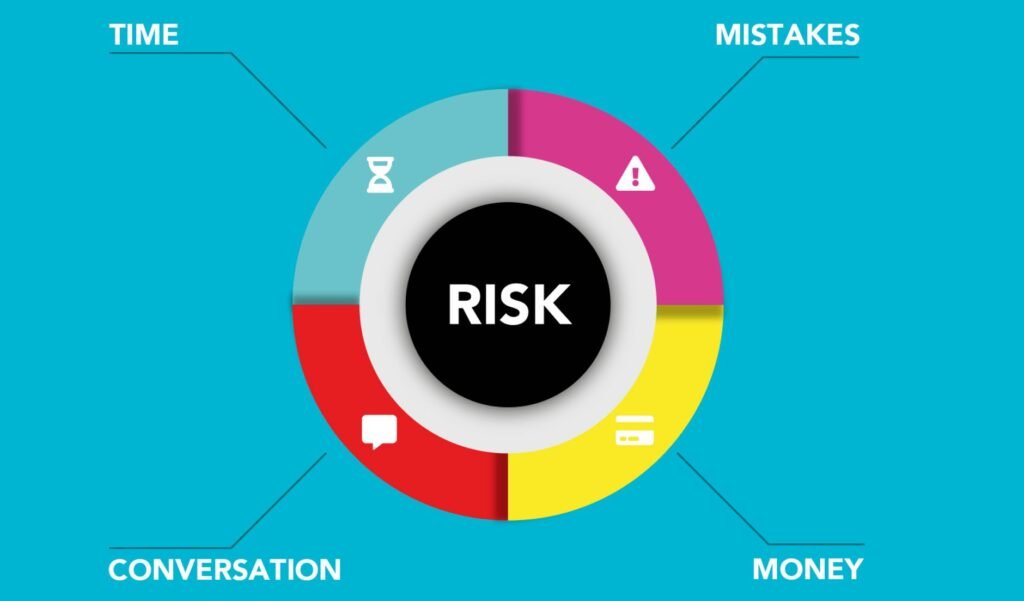
Common Mistakes in Injury Claim Estimation
Overlooking Medical Expenses
One of the most significant mistakes in injury claim estimation is the failure to account for ongoing medical expenses. After an injury, many individuals focus primarily on immediate medical costs, neglecting the long-term treatment that might be necessary. For example, a study by the National Institutes of Health indicates that 50% of individuals with serious injuries will require ongoing medical care, including physical therapy and rehabilitation. Ignoring these future costs can severely undermine the value of an injury claim.
To mitigate this error, it’s essential to gather all medical records and consult with healthcare providers about anticipated future treatments. This proactive approach aligns with essential injury claim tips, ensuring that you have a comprehensive understanding of your medical needs and their associated costs.
Underestimating Future Damages
Another critical area where claim estimation errors often occur is in the underestimation of future lost earnings due to the injury. Many claimants fail to consider how an injury can impact their ability to work in the long term. According to data from the Bureau of Labor Statistics, workers who suffer serious injuries can experience a loss of income averaging around 27% over a lifetime, depending on the severity of the injury. This statistic highlights the critical need to factor in future earning potential when estimating damages.
To avoid claim mistakes, consider consulting with a financial expert who can help project future earnings based on your current job and expected career trajectory. Taking these steps can provide a more accurate estimation of damages and enhance the strength of your claim.

How to Avoid Claim Estimation Mistakes
Accurate claim estimation is crucial for ensuring fair compensation following an injury. To steer clear of common mistakes in injury claim estimation, it is essential to adopt a thorough approach. Below are actionable injury claim tips that can help you create a more accurate estimate.
Consider All Relevant Factors
One major source of claim estimation errors is the failure to consider all relevant factors. When estimating your claim, take into account various aspects of your injury, including:
- Medical Expenses: Gather all medical bills, including emergency services, hospital stays, surgeries, and rehabilitation costs.
- Lost Wages: Document the time you have missed from work due to your injury, including any future potential earnings.
- Pain and Suffering: Consider both physical and emotional distress, which can significantly impact your quality of life.
- Long-Term Implications: If your injury may affect you long-term, factor in potential future medical costs and lost earning capacity.
By compiling comprehensive documentation for each category, you can avoid underestimating or overestimating your claim, thus reducing the likelihood of mistakes in injury claim estimation.
Consult with Professionals
Another effective way to how to avoid claim mistakes is by consulting with professionals. Engaging with legal and medical experts can provide valuable insights into your case. Legal professionals can help you understand the nuances of the law and ensure all relevant damages are accounted for. Medical professionals can give assessments of your injuries and their potential long-term effects.
Additionally, consider working with a claims adjuster or a personal injury attorney who specializes in these cases. They can guide you through the process and help ensure that all necessary documentation is complete and correctly valued. This collaboration can significantly minimize the risk of claim estimation errors.

By thoroughly evaluating all factors and consulting with professionals, you can significantly enhance the accuracy of your injury claim estimation. This proactive approach not only leads to more reliable estimates but also positions you strongly when pursuing compensation.
The Role of Documentation in Claim Estimation
Accurate documentation is vital when it comes to avoiding common mistakes in injury claim estimation. Insufficient or poorly organized evidence can lead to claim estimation errors, which may jeopardize your chances of receiving fair compensation. Here, we delve into the key documents you should gather and provide actionable injury claim tips to keep your evidence organized.
Key Documents to Include
To support your claim effectively, consider compiling the following essential documents:
- Medical Records: These include doctor’s notes, treatment plans, and bills that outline the extent of your injuries and the treatments you have undergone.
- Incident Reports: Any official reports generated at the time of the accident, such as police reports or workplace injury forms, can provide critical context for your claim.
- Witness Statements: Collect statements from witnesses who can corroborate your account of the incident. This adds credibility to your claim.
- Photographic Evidence: Pictures of the accident scene, your injuries, and any property damage can visually support your narrative.
- Pay Stubs and Tax Returns: If your injury affects your ability to work, these documents can help quantify lost wages.
How to Organize Your Evidence
Keeping your documentation organized is crucial to avoiding mistakes in injury claim estimation. Here are some effective strategies:
- Create a Folder: Use a physical or digital folder to store all relevant documents. Label each section clearly for easy access.
- Use a Checklist: Develop a checklist of required documents to ensure you do not overlook anything important.
- Keep Copies: Always make copies of your documents before submitting them to any party. This ensures you have a backup should anything get lost.
- Regular Updates: As new information comes in, regularly update your folder to reflect the most accurate and current documentation.
By prioritizing thorough documentation and maintaining organization, you can significantly reduce the likelihood of claim mistakes and bolster your case. Remember that effective claim estimation requires diligence and attention to detail, so implementing these strategies will serve you well throughout the process.

Conclusion: Avoiding Mistakes in Injury Claim Estimation
Estimating an injury claim accurately is crucial for ensuring that victims receive fair compensation for their losses. Throughout this article, we have identified common mistakes in injury claim estimation that can lead to significant financial repercussions. From underestimating medical expenses to neglecting future income loss, these pitfalls can severely impact the outcome of a claim.
To avoid claim estimation errors, it is essential to take a comprehensive approach to your evaluation. Here are some injury claim tips to keep in mind:
- Gather Complete Documentation: Ensure you have all relevant medical records, bills, and receipts. This documentation will serve as the foundation for your claim.
- Consider All Expenses: Don’t just focus on immediate medical costs. Include future treatment, rehabilitation, and loss of income in your calculations.
- Consult Professionals: Seek advice from medical professionals and legal experts who can provide insights into the long-term effects of your injuries and help you avoid claim mistakes.
Accurate claim estimation is not only about the numbers; it is about understanding the full scope of your situation. By focusing on precise estimations and seeking professional assistance when necessary, you can navigate the complexities of injury claims more effectively. Remember, avoiding mistakes in injury claim estimation is vital for securing the compensation you deserve.

For more guidance on this topic, consider exploring Avoid These Mistakes When Estimating Your Injury Claim.
Recognizing and rectifying mistakes in injury claim estimation is essential for maximizing the compensation you may receive. Common claim estimation errors can stem from inadequate documentation or failing to account for future medical expenses. By employing effective injury claim tips, you can better navigate the complexities of the claims process and enhance the accuracy of your estimations.
To avoid claim mistakes, consider consulting with a professional who can provide guidance tailored to your situation. Understanding the nuances of injury claims will empower you to make informed decisions and strengthen your position during negotiations. By taking proactive steps now, you will be better equipped to secure the compensation you deserve.
“`html
What are common mistakes in injury claim estimation?
Common mistakes in injury claim estimation include underestimating medical expenses, overlooking future treatment costs, failing to account for lost wages, not including pain and suffering, and neglecting to gather sufficient documentation. Each of these errors can lead to a significantly lower settlement than what you may be entitled to. Understanding these pitfalls can help you prepare a more accurate injury claim.
How can I avoid claim estimation errors?
To avoid claim estimation errors, start by thoroughly documenting all aspects of your injury and its impact on your life. Consult with medical professionals for accurate treatment forecasts, and consider hiring a personal injury attorney who can guide you through the process. Utilizing resources like Top 5 Mistakes to Avoid When Calculating Your Injury Claim can also minimize the chances of making mistakes in injury claim estimation.
What should I include in my injury claim?
Your injury claim should include a detailed account of your medical expenses, lost wages, and any other financial impacts. Additionally, document pain and suffering, emotional distress, and any future medical needs. Including comprehensive evidence such as medical records, bills, and witness statements will strengthen your claim and help avoid common claim estimation errors.
Why is accurate claim estimation important?
Accurate claim estimation is crucial as it determines the compensation you may receive for your injuries. Underestimating costs can lead to financial hardship, while overestimating may result in a denied claim. A precise estimation helps ensure that you are fairly compensated for all damages, including future medical expenses and lost income, making it essential for your financial recovery.
What are some tips for estimating an injury claim?
When estimating an injury claim, gather all related documentation, including medical bills, pay stubs, and accident reports. Consult with professionals to assess future medical needs and lost earnings. Use online calculators or resources for initial estimates, but always consider hiring a personal injury attorney for expert guidance. These injury claim tips can help you create a comprehensive and accurate claim.
How do I document my injuries for a claim?
To document your injuries for a claim, keep all medical records, bills, and treatment plans organized. Take photographs of injuries and any visible effects, and maintain a journal describing your recovery process and how your injuries affect your daily life. This comprehensive documentation will support your claim and help avoid mistakes in injury claim estimation.
“`