
Negotiating an injury settlement can be a daunting task, but understanding the key components of the process can significantly improve your chances of success. This article presents essential settlement negotiation tips that will empower you to advocate for yourself effectively. We will delve into how to negotiate compensation, equipping you with a robust injury settlement strategy tailored to your unique situation. You will learn about common mistakes to avoid when negotiating an injury settlement, ensuring that you do not jeopardize your claim. Additionally, we will discuss when it may be prudent to consider legal representation to support your negotiations. By the end of this article, you will be well-prepared to navigate the complexities of negotiating your injury settlement and secure the compensation you rightly deserve. For more information on injury claims, you can explore resources like Nolo and American Bar Association.
Understanding the Process of Negotiating Injury Settlement
What is an Injury Settlement?
An injury settlement is a financial agreement reached between an injured party and the party responsible for the injury, often facilitated through their insurance company. This settlement compensates the injured party for various damages, including medical expenses, lost wages, and pain and suffering. It is essential to understand that these settlements are typically negotiated rather than awarded automatically. This means that the outcome relies heavily on the negotiation process, which can significantly impact the amount received.
The Importance of Negotiation in Injury Settlements
Negotiating injury settlement is crucial because it directly influences the compensation you receive. Insurance companies are motivated to minimize their payouts, and effective negotiation can help ensure that you receive a fair amount that reflects your injuries and losses. Many claimants may not be aware of the full extent of their rights or the true value of their claim, making it vital to develop a strong injury settlement strategy.
Here are some settlement negotiation tips to consider:
- Do thorough research on similar cases to understand potential compensation amounts.
- Document all medical treatments and expenses meticulously.
- Consider consulting a legal professional to help articulate your case.
By understanding how to negotiate compensation effectively, you can enhance your chances of achieving a settlement that meets your needs. Remember, the negotiation process is not just a formality; it is an opportunity to advocate for yourself and ensure that your injuries are adequately compensated. According to Nolo, many injury victims receive less than what they could have if they had negotiated properly.

Essential Settlement Negotiation Tips for Success
Research and Preparation for Negotiating Injury Settlement
Effective negotiation begins long before you sit down with the insurance adjuster or opposing party. One of the most crucial settlement negotiation tips involves thorough research and preparation. Start by gathering information on similar cases in your jurisdiction. Websites like Nolo and Martindale provide insights into past settlements and verdicts that can help inform your expectations.
Additionally, compile all relevant documentation related to your injury. This includes medical reports, bills, and any correspondence with medical professionals or insurance companies. Having organized, well-documented evidence will support your claims and strengthen your position during negotiations.
Setting Your Goals for Successful Negotiations
Defining clear goals is essential for any injury settlement strategy. Before entering negotiations, consider what you aim to achieve. Are you looking for compensation for medical expenses, lost wages, or pain and suffering? Establishing a range for your desired settlement can help you navigate discussions more effectively. Aim for a number that accommodates your needs but also considers the possibility of compromise.
As you prepare for negotiating your injury settlement, remember that flexibility and clarity are key. Stay focused on your goals, but be open to reasonable offers that may arise during discussions. By maintaining a clear and organized approach, you can significantly enhance your chances of securing a satisfactory settlement.

Injury Settlement Strategy: How to Negotiate Compensation
Building Your Case
To effectively negotiate an injury settlement, it’s crucial to build a robust case that clearly outlines your damages and losses. Start by gathering all relevant evidence, including medical records, bills, police reports, and witness statements. Document everything meticulously, as this information will serve as the foundation of your negotiation strategy.
Consider the financial impact of your injury, including lost wages, medical expenses, and pain and suffering. It’s advisable to keep a detailed record of these costs, as they will be central to your argument when discussing compensation. Utilizing an personal injury calculator can also help quantify your damages and provide a clearer picture of what you might reasonably expect from the settlement process.
Understanding the Other Party in Negotiating Injury Settlement
When negotiating your injury settlement, understanding the motivations of the other party is essential. Insurance companies, for instance, typically aim to minimize their payouts. Knowing this can help you formulate your strategy and anticipate their tactics. Be prepared for low initial offers, as this is a common practice in negotiation tactics.
Effective communication is key. Approach discussions with a clear and confident demeanor, and be ready to counter low offers with well-supported evidence. Remember, negotiation is a process, and patience is often required. Utilize settlement negotiation tips such as establishing a range for your expected settlement, rather than a fixed number, which can provide flexibility during discussions.
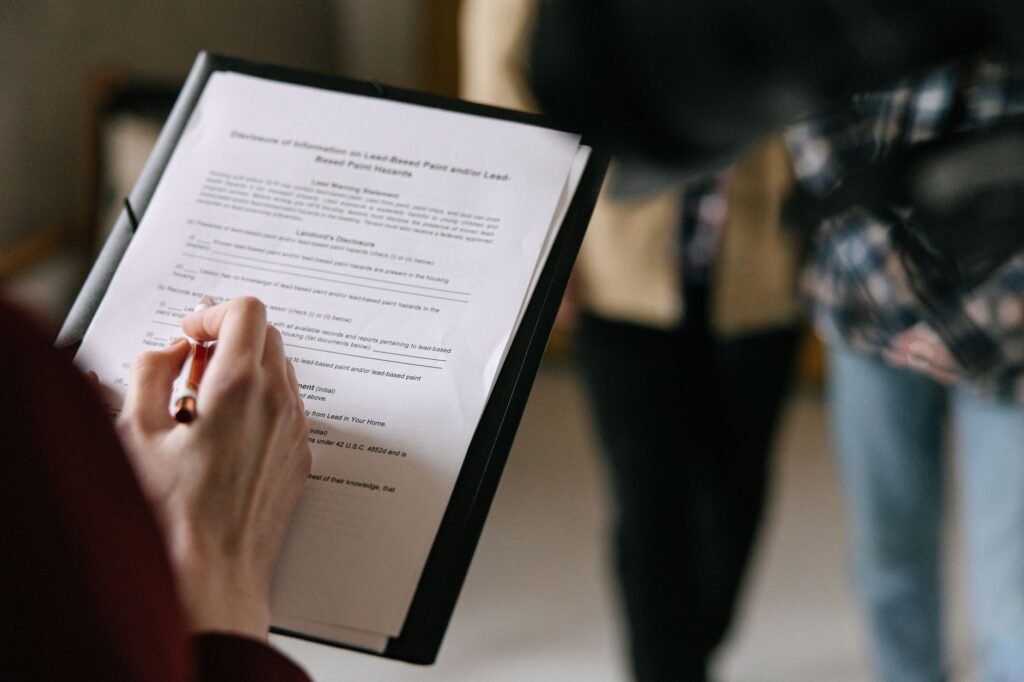
Lastly, never hesitate to seek professional assistance. A qualified attorney can guide you through the complexities of how to negotiate compensation effectively, ensuring you don’t settle for less than you deserve. Their expertise can prove invaluable in formulating a solid injury settlement strategy and navigating the negotiation process.
Common Mistakes to Avoid When Negotiating Injury Settlement
Underestimating Your Claim
One of the most significant pitfalls when negotiating an injury settlement is underestimating the value of your claim. Many individuals focus solely on immediate expenses, such as medical bills and lost wages. However, it is crucial to consider the long-term impacts of your injury, which may include future medical costs, rehabilitation expenses, and emotional distress. Failing to account for these factors can lead to settling for far less than what you deserve.
To avoid this mistake, take the time to gather all relevant documentation and evidence, including medical records, expert opinions, and a comprehensive list of all incurred and anticipated costs. This thorough preparation will strengthen your position during negotiations and ensure that you have a clear understanding of your claim’s full value.
Accepting the First Offer
Another common mistake in the negotiation process is accepting the first offer from the insurance company. This initial offer is often significantly lower than what you may be entitled to receive. Many insurance adjusters are trained to make low offers to minimize payouts, and accepting it without negotiation can jeopardize your chances of receiving fair compensation.
To effectively navigate this situation, utilize settlement negotiation tips by conducting thorough research on average settlements for similar cases in your jurisdiction. This information will provide a solid foundation for your counteroffer and help you establish a reasonable negotiation strategy. Remember, negotiating injury settlement is a process, and patience is key.

By avoiding these mistakes and employing a strategic approach, you can enhance your chances of achieving a satisfactory outcome in your injury settlement process. For more detailed advice on how to negotiate compensation, consider consulting with a legal professional who specializes in personal injury cases. Their expertise can be invaluable in helping you navigate the complexities of your claim.
When to Consider Legal Representation
While many individuals successfully negotiate their injury settlements on their own, there are specific scenarios where hiring a lawyer can significantly enhance your chances of a favorable outcome. Understanding when to seek legal representation is crucial in the complex process of negotiating injury settlements.
Pros and Cons of Hiring a Lawyer
Engaging an attorney can provide numerous benefits:
- Expertise: Lawyers specializing in personal injury have extensive knowledge of laws and settlement negotiation tips that can strengthen your case.
- Negotiation Skills: Attorneys are skilled in how to negotiate compensation effectively, often achieving higher settlements than individuals can on their own.
- Access to Resources: Legal professionals have access to experts, evidence, and resources that can bolster your injury settlement strategy.
However, there are also some cons:
- Cost: Hiring a lawyer typically involves fees that can be a percentage of your settlement.
- Time: Legal processes can be lengthy, which may delay your compensation.
Finding the Right Attorney for Negotiating Injury Settlement
Choosing the right attorney is essential for a successful negotiation. Here are some tips:
- Specialization: Look for attorneys who specialize in personal injury law and have a proven track record in negotiating injury settlements.
- Consultations: Many lawyers offer free consultations. Use this opportunity to assess their approach and expertise.
- Reputation: Research online reviews and testimonials to gauge the lawyer’s reputation and previous client satisfaction.
When considering legal representation, weigh your case’s complexity and the potential benefits of having a legal expert on your side. A knowledgeable attorney can help you navigate the intricacies of your case and maximize your settlement outcome.

Final Thoughts on Negotiating Your Injury Settlement
Recap of Key Strategies for Negotiating Injury Settlement
Throughout this article, we have explored effective settlement negotiation tips and strategies that can significantly impact your success in securing a fair injury settlement. Key points include understanding your case’s value through thorough research and documentation, being prepared to present your claim clearly and confidently, and remaining open to negotiation. Establishing a strong foundation of facts and figures will empower you in discussions with insurance adjusters or opposing parties. Additionally, knowing when to walk away from a low offer is crucial in how to negotiate compensation that reflects the true extent of your damages.
Encouragement for Negotiators
As you embark on the journey of negotiating your injury settlement, remember the importance of being informed and prepared. Utilize the strategies discussed, whether it’s crafting your injury settlement strategy or presenting your evidence effectively. Negotiation is as much about confidence and persistence as it is about the facts. Stay focused on your goals, and do not hesitate to seek professional guidance if needed. With diligence and the right approach, you can navigate the negotiation process successfully and achieve a settlement that meets your needs.

Mastering the art of negotiating injury settlement is essential for securing the compensation you deserve. By implementing effective settlement negotiation tips, you can approach discussions with confidence and clarity. Remember, successful negotiations hinge on thorough research, clear communication, and a well-defined injury settlement strategy. Understanding the nuances of how to negotiate compensation will empower you to advocate effectively for your needs.
As you prepare for your negotiation, focus on gathering all necessary documentation and evidence to support your case. This groundwork will not only enhance your credibility but also strengthen your position during discussions. Take the first step today by reaching out to a qualified professional who can guide you through the intricacies of negotiating injury settlements. With the right approach, you can achieve a favorable outcome that reflects the true value of your claim.
“`html
What should I know before negotiating my injury settlement?
Before negotiating your injury settlement, gather all relevant documentation, including medical records, bills, and any evidence related to your injury. Understand the full extent of your injuries and how they impact your daily life. Familiarize yourself with common insurance company tactics, as they may initially offer a low settlement. Being well-informed will empower you in the negotiation process and help you advocate for a fair compensation that reflects your damages.
How do I determine the value of my injury claim?
Determining the value of your injury claim involves assessing both economic and non-economic damages. Economic damages include medical expenses, lost wages, and property damage, while non-economic damages cover pain and suffering, emotional distress, and loss of enjoyment of life. Consulting with a legal professional can help you evaluate these factors accurately. Additionally, consider using settlement negotiation tips like researching similar cases to establish a realistic range for your claim value.
What are the best strategies for negotiating compensation?
Effective strategies for negotiating compensation include presenting a well-organized case with all relevant documentation and evidence. Start by articulating your injuries and their impact on your life clearly. Use your research on similar cases to support your demands and establish a reasonable figure. Be prepared to counter low offers and remain patient throughout the process. Practicing your negotiation skills or seeking advice from experienced negotiators can also enhance your effectiveness in achieving a fair settlement.
How long does the injury settlement negotiation process take?
The duration of the injury settlement negotiation process can vary widely depending on the complexity of the case and the willingness of both parties to reach an agreement. Typically, negotiations can take anywhere from a few weeks to several months. Factors influencing the timeline include the extent of injuries, the amount of evidence to review, and the responsiveness of the insurance company. Patience is crucial, as rushing the process may result in a lower settlement offer.
Can I negotiate my injury settlement without a lawyer?
Yes, you can negotiate your injury settlement without a lawyer. However, doing so can be challenging, as insurance companies often employ experienced adjusters skilled in negotiation tactics. If you choose to represent yourself, ensure you are well-informed about your rights, the value of your claim, and negotiation techniques. While it is possible to successfully negotiate on your own, consider consulting with a lawyer for guidance, especially if the case is complicated or involves significant damages.
What should I do if my injury settlement offer is too low?
If you receive a settlement offer that you believe is too low, do not accept it immediately. Instead, carefully review your claim and the evidence supporting your case. Prepare a counteroffer that outlines your reasons for requesting a higher amount, including any additional documentation or expert opinions. Engage in further negotiations by presenting your case clearly and confidently. If negotiations stall, consider seeking legal advice to explore your options for pursuing a fair settlement.
“`