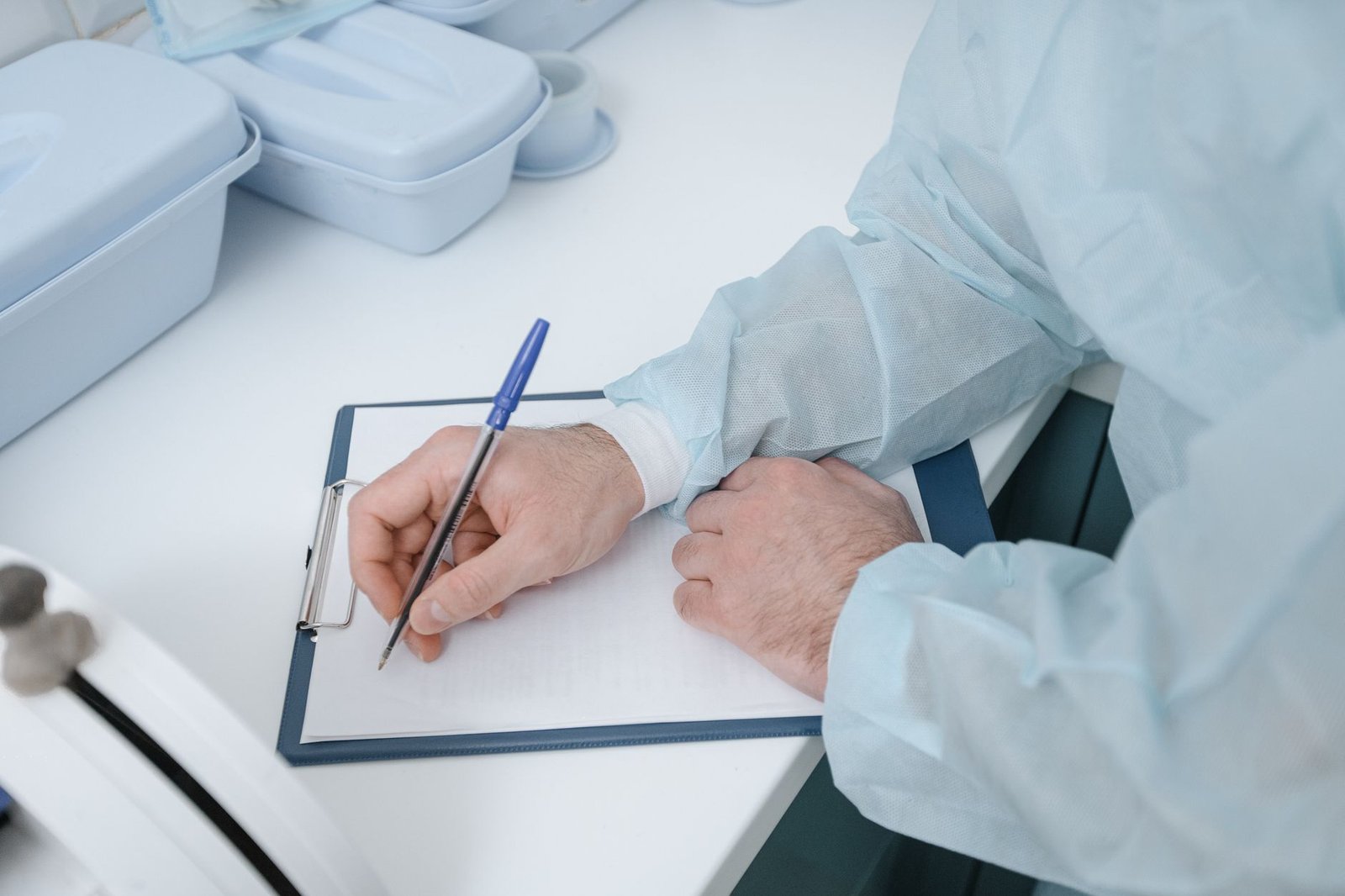
The post-accident checklist is an essential tool for anyone involved in an accident, providing a structured approach to navigate the complex aftermath. Knowing the steps after an accident can significantly impact the outcome of your situation, whether it involves gathering evidence, addressing injuries, or initiating the accident claim process. This article outlines immediate steps to take following an incident, including how to gather crucial evidence that will bolster your case. We will also cover what to do after injury, detailing the legal and insurance steps that should follow to protect your rights and ensure fair compensation. Lastly, we will guide you through finalizing your accident claim process, emphasizing the importance of reviewing your post-accident checklist to ensure no critical steps are overlooked. By following this guide, you can confidently manage the aftermath of an accident and work towards a favorable resolution.
Post-Accident Checklist: Immediate Steps to Take
Assess Your Health and Safety
After any accident, your first priority should be assessing your health and safety. Check yourself and others for injuries. If anyone is hurt, call for medical assistance immediately. Even if you feel fine, it is advisable to seek medical attention, as some injuries may not be immediately apparent. According to the Centers for Disease Control and Prevention (CDC), prompt medical evaluation can help ensure that any potential injuries are treated effectively.
Once safety is confirmed, ensure that the area is secure to prevent further accidents. This includes moving to a safe location if possible and turning on hazard lights to alert other drivers.
Document the Accident Scene as Part of Your Post-Accident Checklist
Documenting the accident scene is critical for your accident claim process. Take clear photos of the scene, including vehicle positions, road conditions, and any visible damages. Additionally, make detailed notes about the accident, including time, weather conditions, and the sequence of events leading up to the incident. This documentation can be invaluable when filing an insurance claim or if legal action is necessary.
- Gather contact information for all parties involved, including witnesses.
- Record details of the incident, such as police report numbers or officer names.
- Note down any visible injuries for reference during consultations.
These steps after an accident can protect your legal rights and help ensure you receive the compensation you deserve. Proper documentation is essential when considering what to do after injury to maximize your claim potential.

Gathering Evidence for Your Post-Accident Checklist
After an accident, gathering evidence is crucial for supporting your claims and navigating the accident claim process effectively. This section will outline key steps to take following an incident, ensuring you have the necessary information to bolster your case.
Collecting Witness Information
Witnesses can offer invaluable insights into the circumstances surrounding an accident. Begin by identifying individuals who saw the incident occur. Approach them calmly and politely, asking for their names and contact details, including phone numbers and email addresses. If possible, take notes on their statements while the event is fresh in their minds. This information can be critical when filing an accident claim.
- Ask open-ended questions about what they saw.
- Request a written statement if they are willing.
Documenting witness accounts is one of the essential steps after an accident, providing an objective perspective that can substantiate your claims.
Obtaining Police Reports
A police report is a crucial component of your post-accident checklist. To obtain one, contact the local police department that responded to the scene. You may need to fill out a request form and pay a small fee. The report typically includes key details such as the time and location of the accident, involved parties, and any citations issued.
This report serves as an official account of the incident and can significantly impact the accident claim process. It provides a factual basis for your claims and may include critical information that backs up witness statements.
Make sure to follow up on your request if you do not receive the report within a few days. Having this documentation will not only assist in your claim but also guide you on what to do after injury.

What to Do After Injury: Legal and Insurance Steps
Notify Your Insurance Company as Part of Your Post-Accident Checklist
Following an accident, one of the first steps after an accident is notifying your insurance company. This prompt communication is crucial, as most policies require you to report an accident within a specific timeframe. Contact your insurer as soon as possible to provide details about the incident, including the date, location, and any parties involved.
When you call your insurance company, be ready to provide a concise account of what happened. It is advisable to have your policy number handy and to take notes during the conversation, as this will help you keep track of any claims filed and conversations had. Remember, your insurance company may send an adjuster to evaluate the damage and determine liability, making your timely notification essential.
Consulting with an Attorney: A Vital Step in the Accident Claim Process
Understanding what to do after injury can be overwhelming, particularly when navigating the complexities of the accident claim process. Consulting with an attorney experienced in personal injury law can significantly benefit your case. An attorney can help you understand your rights, evaluate the merits of your claim, and guide you through the legal intricacies involved.
An attorney can also ensure that you meet all deadlines for filing claims and can assist in gathering necessary documentation, such as medical records and police reports. With professional guidance, you can avoid common pitfalls that might jeopardize your claim. Moreover, having legal representation can provide leverage in negotiations with insurance companies, ensuring you receive fair compensation for your injuries.

Taking these legal and insurance steps is essential to your post-accident checklist. By notifying your insurance company and consulting with an attorney, you can protect your interests and navigate the aftermath of your accident more effectively.
Finalizing Your Accident Claim Process
Filing Your Claim: A Key Step in Your Post-Accident Checklist
After ensuring your safety and gathering vital information, the next step in your post-accident checklist is filing your accident claim. Begin by notifying your insurance company about the incident as soon as possible. Most insurers require claims to be reported within a specific timeframe, often within 24 to 48 hours. Be prepared to provide details such as:
- Your policy number
- Date and location of the accident
- Names and contact information of other parties involved
- A description of what happened
- Any police report numbers
Document all communications with your insurer, and keep a record of any claims adjuster assigned to your case. It is crucial to be honest and accurate in your statements to avoid complications in the claims process. If you sustained injuries, ensure you have all medical records and bills ready to support your claim for damages.
Negotiating Settlements During the Accident Claim Process
Once your claim is filed, the negotiation process begins. Be ready for the insurance adjuster to assess the circumstances of the accident and the extent of your injuries. They may offer a settlement amount, which may be lower than what you deserve. Here are some tips for negotiating effectively:
- Know Your Worth: Evaluate your medical expenses, lost wages, and pain and suffering to determine a fair settlement amount.
- Stay Calm and Professional: Maintain a level-headed approach during negotiations to foster a constructive dialogue.
- Avoid Quick Settlements: Do not rush into accepting the first offer, as it may not cover all your expenses.
- Seek Legal Guidance: If negotiations stall, consider consulting with an attorney who specializes in personal injury claims.
Common pitfalls to avoid include failing to document everything and not understanding your policy coverage. Always consult your post-accident checklist to ensure you are taking the right steps after an accident and protecting your rights throughout the accident claim process.

Reviewing Your Post-Accident Checklist
Keep Track of Medical Records
One of the most critical steps after an accident is to maintain meticulous records of all medical treatments. This includes keeping track of hospital visits, doctor appointments, and any prescribed medications. Documenting your medical history not only helps in your recovery but also plays a vital role in the accident claim process. Insurance companies often require proof of injury and treatment to process claims effectively. Therefore, make sure to retain all receipts, bills, and reports related to your injuries.
Additionally, if you experience ongoing symptoms or complications, note them down, as these details may be essential when discussing your case with medical professionals or legal representatives. For more detailed information on what to do after injury, consider consulting resources that specialize in accident recovery.
Stay Organized with Documentation in Your Post-Accident Checklist
Staying organized is key when navigating the aftermath of an accident. In addition to medical records, you should compile all relevant documentation, including accident reports, photographs of the scene, and any correspondence with insurance companies. This level of organization will strengthen your case and provide a clear narrative of the events that transpired.
Consider creating a dedicated folder, either physical or digital, to store these documents securely. This will not only help you keep track of necessary paperwork but will also make it easier to access information when discussing your claim with your attorney or insurance adjuster. Being prepared and organized can significantly improve your chances of a successful outcome in the accident claim process.
As you review your post-accident checklist, remember that the more detailed and organized your records are, the stronger your case will be. This approach will also alleviate some of the stress associated with dealing with the aftermath of an accident.

Following a structured post-accident checklist is crucial for navigating the complex aftermath of an incident. By understanding the essential steps after an accident, you can ensure that you address immediate medical needs and gather necessary documentation for an accident claim process. Knowing what to do after injury not only aids in recovery but also strengthens your position should you need to file a claim.
Taking prompt action following an accident is vital. Start by documenting all relevant details and seeking medical attention if necessary. These initial measures will serve as a foundation for any further legal actions or claims you may pursue. For more detailed guidance, consider consulting a professional who specializes in accident claims. This next step can provide clarity and ensure you are fully informed about your rights and responsibilities.
“`html
What should I do immediately after an accident?
Immediately after an accident, ensure your safety and the safety of others involved. Check for injuries and call emergency services if necessary. Move to a safe location if possible, and avoid discussing fault at the scene. Gather information such as names, contact details, and insurance information of all parties. Document the scene with photos of vehicle damage, road conditions, and any relevant signs. Following these steps is crucial for your post-accident checklist.
How do I document an accident scene effectively?
To document an accident scene effectively, take clear, comprehensive photographs from multiple angles. Capture details of the vehicles involved, any visible damages, and the surrounding environment, including traffic signs and road conditions. Make notes about the time, date, and weather conditions. Collect statements and contact information from witnesses. This thorough documentation will support any claims you may file and is an essential part of your post-accident checklist.
What are the steps to take after an injury?
If you are injured after an accident, seek medical attention immediately, even if injuries seem minor. Document your injuries with photos and keep all medical records and bills. Notify your insurance company about the injury and gather necessary information for your claim. Keep a journal detailing your recovery process, as this can be valuable for any potential legal action. These steps are critical for managing your health and your accident claim process.
When should I contact my insurance company after an accident?
You should contact your insurance company as soon as possible after an accident, ideally within 24 hours. Providing them with timely notification is crucial for processing your claim efficiently. Share all the necessary details, including the accident report, photographs, and witness information. Following this step is vital for starting the claims process and ensuring you meet any reporting deadlines outlined in your policy.
How can I find a good attorney for my accident claim?
To find a good attorney for your accident claim, seek recommendations from friends or family. Research local attorneys who specialize in personal injury law and have positive reviews. Schedule consultations to discuss your case and assess their experience and approach. Ask about their success rate with similar claims, as well as their fees. A qualified attorney can guide you through the accident claim process effectively.
What is the accident claim process like?
The accident claim process typically begins with you reporting the incident to your insurance company. They will investigate the accident, gather evidence, and assess liability. You may need to provide documentation, including medical records and repair estimates. If negotiations with the insurance company do not resolve the claim, you may consider pursuing legal action. Understanding the steps after an accident can help you navigate this process more smoothly.
“`