
The role of evidence for injury claim calculations cannot be overstated, as it serves as the cornerstone for establishing the validity and potential compensation of your case. When pursuing an injury claim, understanding the importance of evidence in claims is crucial for maximizing your outcome. This article delves into various types of supporting evidence for injury claims, such as medical records, eyewitness testimonies, and accident reports, highlighting how each piece contributes to a robust claim. Furthermore, we will explore effective strategies on how to gather claim evidence, ensuring you are well-prepared to present your case. The impact of evidence on injury claims is significant, as it can determine the compensation you receive for damages and losses incurred. With a comprehensive understanding of these elements, you can significantly enhance your chances of a favorable resolution. By the end of this article, you will be equipped with the knowledge to build a strong case, leveraging evidence effectively to support your injury claim.
Understanding the Importance of Evidence for Injury Claim
When pursuing an injury claim, the strength of your evidence can make or break your case. Evidence for injury claim encompasses various types of documentation and testimony that substantiate your claims and help establish liability. From medical records to witness statements, understanding what constitutes effective evidence is crucial in ensuring a fair settlement.
What Constitutes Evidence in Injury Claims?
Evidence in injury claims can be broadly categorized into several types:
- Medical Records: These documents detail the treatment you received for your injuries and are vital in proving the extent of your damages.
- Witness Statements: Testimonies from individuals who observed the incident can provide crucial support for your version of events.
- Photographs and Videos: Visual evidence can effectively illustrate the circumstances surrounding the injury.
- Police Reports: Official records from law enforcement can lend credibility to your claim.
- Expert Testimonies: Insights from medical professionals or accident reconstruction experts can clarify complex aspects of your case.
Gathering this supporting evidence for injury claims is essential, as it establishes a clear narrative that supports your legal position.
Why Evidence is Crucial for Injury Claim Calculations
The importance of evidence in claims cannot be overstated. Strong evidence can significantly influence the outcome of your claim, affecting not only the amount of compensation you may receive but also the speed at which your case is resolved. Insurers are more likely to settle quickly and favorably if they see compelling evidence supporting your claim.
Moreover, knowing how to gather claim evidence effectively can prevent potential disputes and delays. Proper documentation and a well-structured presentation of evidence can lead to a more favorable negotiation process and can even expedite court proceedings if necessary.
the quality and comprehensiveness of the evidence for injury claim you present can significantly impact your claim’s success. Prioritizing the collection of strong evidence will put you in a better position to achieve the compensation you deserve.
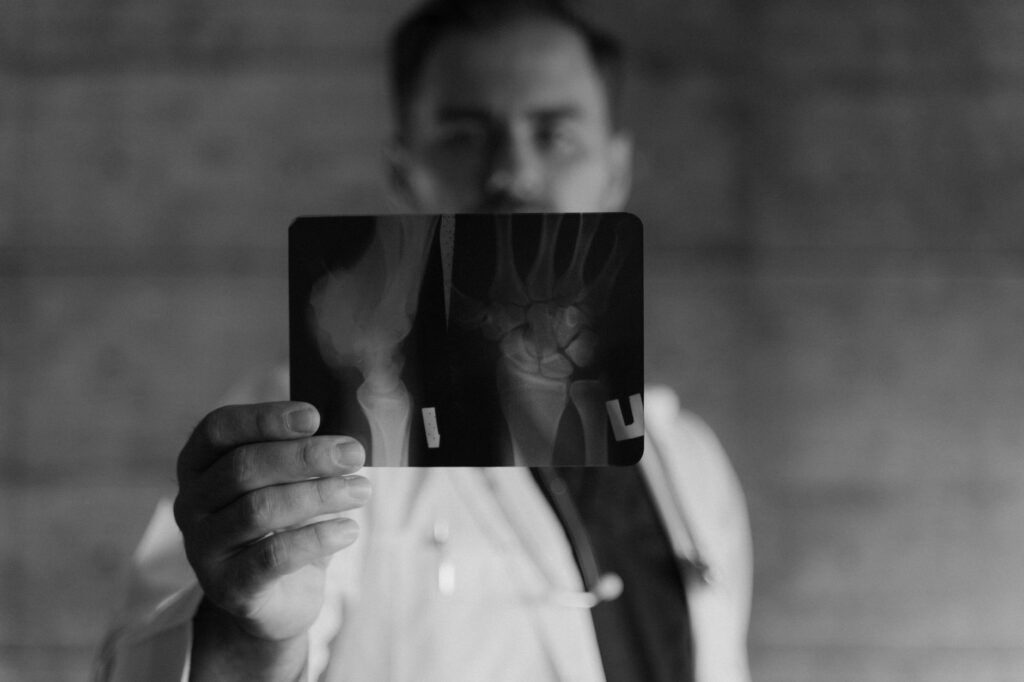
Types of Supporting Evidence for Injury Claims
When pursuing an injury claim, the type and quality of evidence for your injury claim can significantly influence the outcome. Different forms of supporting evidence can substantiate your claim and demonstrate the extent of your injuries, financial losses, and the impact on your life. Below are key types of evidence that play a critical role in strengthening your case.
Medical Evidence
Medical evidence is one of the most crucial components of any injury claim. This includes medical evaluations, treatment records, and expert opinions from healthcare professionals. These documents not only establish the nature and severity of your injuries but also connect them directly to the incident in question. For instance, a detailed medical report from a physician can illustrate the ongoing effects of your injuries, reinforcing your claim’s validity. Understanding the importance of medical records in claims can help you effectively gather necessary documentation.
Witness Statements and Testimonies
Another vital aspect of supporting evidence in injury claims is witness statements. Eyewitness accounts can provide an unbiased perspective on the incident, adding credibility to your claim. These testimonies can come from bystanders, experts, or even first responders who were present at the scene. Collecting witness statements promptly after an incident is essential, as memories can fade over time. Knowing how to gather claim evidence from witnesses can significantly bolster your case.
Documentation and Financial Records
Documentation and financial records complete the picture of your injury claim. This includes bills, pay stubs, and any other financial documents that evidence lost wages or medical expenses incurred due to the injury. Such records not only help quantify your financial losses but also demonstrate the broader impact of the injury on your life. The integration of these financial records with medical evidence enhances the overall strength of your claim.
the various forms of supporting evidence injury claims require work together synergistically to substantiate your case. By understanding the importance of evidence in claims and gathering comprehensive documentation, you can significantly improve your chances of a successful outcome.

How to Gather Claim Evidence Effectively
Collecting robust evidence for injury claim calculations is essential for a successful outcome, whether you are negotiating with an insurance company or preparing for a court case. Here are actionable steps to help you gather the necessary evidence effectively.
Steps to Collect Medical Evidence
Medical records are crucial to substantiate your injury claims. Start by obtaining copies of all medical records related to your injury. Here’s how to gather claim evidence:
- Request Records Promptly: Contact your healthcare providers as soon as possible. Use a formal written request if necessary.
- Document Everything: Keep records of all communications you have with medical professionals, including dates, names, and topics discussed.
- Follow Up: If you don’t receive your records within a reasonable time, follow up with a phone call or email.
Collecting Witness Statements
Witness statements can serve as supporting evidence for injury claims. To gather effective witness statements, consider the following:
- Identify Witnesses: List all potential witnesses, including bystanders and first responders. Their accounts can provide valuable context to your claim.
- Interview Promptly: Reach out to witnesses soon after the incident while details are still fresh. Prepare a set of questions to guide the conversation.
- Document Statements: Record the witness’s account accurately, either through written notes or audio recordings (with their consent).
Organizing Documentation for Claims
Proper organization of documentation is key to demonstrating the importance of evidence in claims. Here are steps for efficient organization:
- Create a File System: Use folders or binders to categorize documents, such as medical records, police reports, and witness statements.
- Keep a Detailed Log: Maintain a log of all evidence collected, including dates, sources, and descriptions. This will help when presenting your case.
- Utilize Digital Tools: Consider scanning documents and using cloud storage for easy access and backup.
By following these steps, you will ensure that you have strong evidence for your injury claim, enhancing your chances of a favorable outcome. Remember, the thoroughness of your documentation can make a significant difference in your case.
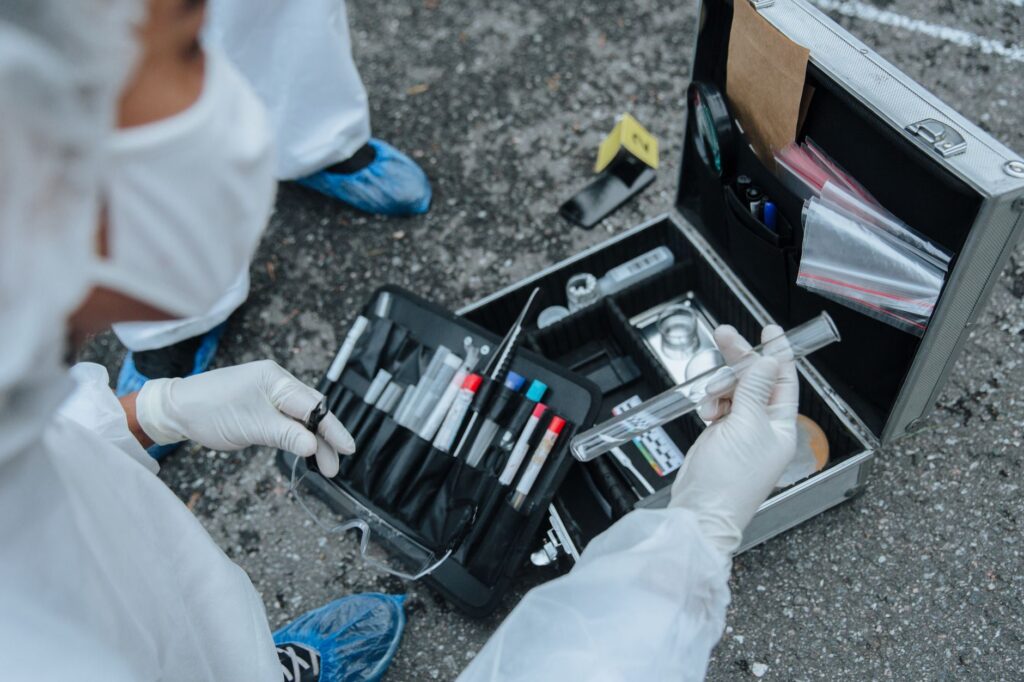
The Impact of Evidence on Injury Claims
How Evidence Influences Claim Value
The quality and quantity of evidence for injury claim can significantly determine the potential value of your claim. Strong supporting evidence can substantiate your injuries, medical expenses, lost wages, and more, leading to a higher compensation amount. For instance, tangible evidence such as medical records, photographs of the accident scene, and witness statements can provide compelling narratives that enhance the credibility of your claim. According to the Nolo, claims with solid evidence are often more successful in achieving favorable settlements or jury awards.
Conversely, a lack of comprehensive evidence can weaken your case, making it more challenging to negotiate a fair settlement. This underscores the importance of evidence in claims and the necessity for meticulous documentation throughout the claim process. Understanding how to gather claim evidence effectively is crucial to maximizing your claim’s potential value.
Common Pitfalls in Evidence Gathering
Many claimants make common mistakes that can jeopardize their claims. One frequent error is failing to gather all necessary documentation promptly. For instance, waiting too long to obtain medical records or witness statements can lead to lost evidence. Additionally, relying solely on verbal accounts without supporting documentation may weaken your position. To avoid these pitfalls, consider the following tips:
- Document everything immediately after the incident, including photographs and contact information of witnesses.
- Keep all medical records, bills, and correspondence related to your injury organized and accessible.
- Consult with an experienced attorney to ensure that you understand the specific types of supporting evidence injury claims require.
By being proactive and thorough in your evidence gathering, you will create a well-documented claim that stands a higher chance of success.

Conclusion: Maximizing Your Injury Claim with Strong Evidence
Building a compelling case for your injury claim relies heavily on the quality and strength of the evidence you gather. Throughout this article, we have discussed the various types of evidence for injury claims, including medical records, witness testimonies, and photographic documentation. Each type plays a crucial role in substantiating your claim and ensuring you receive the compensation you deserve.
Understanding the importance of evidence in claims cannot be overstated. Strong evidence not only validates your injuries but also helps establish the liability of the party at fault. Without it, you may face challenges in proving your case, which can lead to lower compensation or even denial of your claim altogether.
To effectively gather this essential evidence, consider employing the following strategies:
- Document Everything: Keep detailed records of your medical treatments, expenses, and any changes in your daily life.
- Collect Witness Statements: Reach out to individuals who witnessed the incident or can attest to your injuries.
- Utilize Expert Opinions: Consult with medical professionals who can provide insights into your injuries and the impact on your life.
Taking proactive steps in your claim process will significantly enhance your position. By understanding how to gather claim evidence effectively, you can build a robust case that supports your claim for compensation. Remember, the right evidence can make all the difference in the outcome of your injury claim.

Understanding the importance of evidence in claims is crucial for the success of your injury claim. Strong supporting evidence for injury claims not only substantiates your case but also helps in achieving a fair settlement. Whether it’s medical records, witness statements, or accident reports, each piece of evidence plays a pivotal role in demonstrating the validity of your claim. Knowing how to gather claim evidence effectively can bolster your position and ensure that all relevant details are presented clearly.
Taking the time to collect and organize your evidence for injury claim is an essential step that can significantly impact the outcome of your case. By being meticulous in your approach and understanding the types of evidence that are most compelling, you can navigate the claims process with greater confidence. Begin gathering your evidence today, and consider consulting with a legal professional who can guide you through the intricacies of the claims process, ensuring that you maximize your potential for a successful outcome.
“`html
What types of evidence are needed for an injury claim?
When pursuing an injury claim, various types of evidence are crucial. This includes medical records, witness statements, photographs of the accident scene, police reports, and any documentation related to lost wages. Additionally, expert testimonies can strengthen your case. Collecting comprehensive evidence for injury claim purposes is essential to establish the extent of your injuries and the negligence of the other party.
How can I gather claim evidence effectively?
To effectively gather claim evidence, start by documenting everything related to your injury. Take photos of the scene, injuries, and any property damage. Keep a detailed journal of your recovery process and expenses. Obtain copies of medical records and bills, and ask witnesses for written statements. It’s also beneficial to consult with a personal injury attorney who can guide you on how to gather claim evidence efficiently and ensure nothing is overlooked.
Why is evidence important in injury claims?
The importance of evidence in claims cannot be overstated. Solid evidence is what substantiates your injury claim and demonstrates liability. Without adequate evidence, your claim may be dismissed, or you may receive a lower settlement than deserved. Evidence helps to establish the facts of the case, showing that the other party was at fault and that you suffered damages as a result. This is crucial for achieving a fair outcome.
What is considered supporting evidence for injury claims?
Supporting evidence for injury claims includes any documentation or material that strengthens your case. This can encompass medical records detailing your injuries, receipts for medical expenses, photographs from the accident scene, and witness testimonies. Additionally, records of any communication with insurance companies can serve as supporting evidence. All of these elements work together to validate your claims and demonstrate the impact of the injury on your life.
How does evidence affect the value of an injury claim?
Evidence significantly affects the value of an injury claim by providing proof of the extent of your injuries and the impact they have had on your life. Strong evidence can lead to higher settlements as it clearly demonstrates the negligence of the other party and the damages incurred. Conversely, weak or insufficient evidence can diminish the settlement amount or even jeopardize your claim altogether. Therefore, gathering solid evidence for injury claim purposes is vital.
What common mistakes should I avoid when gathering evidence?
When gathering evidence, avoid common mistakes such as failing to document the accident scene promptly, neglecting to obtain witness statements, and not keeping organized records of medical treatments and expenses. Additionally, do not overlook the importance of collecting all relevant documents, including police reports and correspondence with insurance companies. These oversights can weaken your case, making it essential to approach evidence collection diligently and systematically.
“`