
Soft tissue injuries don’t always look bad, but they can change how you sleep, move, and work for weeks or even months. Even if there are no broken bones on an X-ray, a soft tissue injury settlement often focuses on pain, how long it takes to heal, and how it affects daily life.
Soft tissue injuries are things like strains, sprains, and damage to ligaments, tendons, or muscles. It can be hard to talk about muscle strain claims and sprain settlements because the injuries aren’t always visible. Swelling, stiffness, and pain that won’t go away can be real, but it’s harder to prove without good records.
What makes up a settlement for a soft tissue injury
The first thing that usually adds value to a claim is medical care. Emergency visits, physical therapy, medication, and follow-up appointments all play a role. The length of treatment, how bad the pain is, and whether you can go back to your normal activities are also important.

Insurance adjusters often look for gaps in treatment or delayed doctor visits, and they may say that the symptoms are not very bad. Following medical advice and keeping appointments can help show how bad the injury really is.
Why it’s important to keep records of injuries that aren’t visible
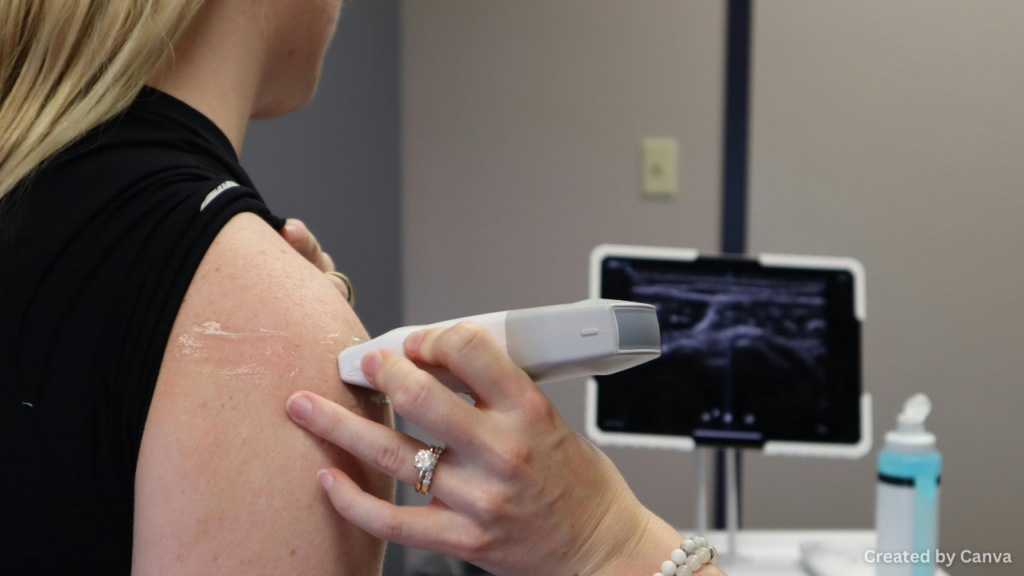
Records are very important because these injuries don’t always show up on scans. Doctors, physical therapists, and even your own daily journal can help you understand how the injury affects driving, lifting, working, and sleeping.
Pictures of swelling or bruising, along with consistent reports of symptoms over time, back up the idea that injuries can happen without being seen and make a sprain settlement or muscle strain claim stronger.
Talking about what you expect
Settlements for soft tissue injuries often require negotiation. Some offers may seem low at first, especially if you’re still recovering. A fair result needs time, medical help, and clear proof.
Questions that are often asked
What does a soft tissue injury settlement mean?
It is money for injuries to muscles, ligaments, or tendons that hurt and make it hard to move.
Do people really care about soft tissue injuries?
Yes, but they need to be well documented because they are often injuries that can’t be seen.
How long do claims for muscle strain take?
Once treatment stabilizes and the long-term outlook becomes clearer, the process usually moves forward.
If the imaging looks normal, can I still get a sprain settlement?
Of course. Your claim can still be backed up by symptoms, medical notes, and ongoing treatment.
Featured Image
Images are by Canva.com