
Understanding the steps after an injury is crucial for effective recovery and long-term health. In this essential guide, we will walk you through the immediate actions you should take following an injury, ensuring you are well-prepared to handle various situations. Our comprehensive injury response guide covers the first steps after injury, focusing on practical measures to manage pain and prevent further damage. You will learn how to handle injuries effectively, from assessing the severity to applying basic first aid techniques. Additionally, we will provide insights into recovery steps and the importance of follow-up care for optimal healing. Finally, we will discuss preventative measures to reduce the risk of future injuries, empowering you to lead a safer, more active lifestyle. With the right knowledge and preparation, you can navigate the aftermath of an injury confidently and efficiently. For more detailed information, consider visiting sources like the CDC or the Mayo Clinic.
Understanding the Steps After an Injury
Responding effectively to an injury is crucial, as the steps after an injury can significantly influence recovery outcomes. A prompt and appropriate response can minimize complications and facilitate a smoother healing process. This section serves as an injury response guide to help you understand the importance of quick action and the varying responses required for different types of injuries.
The Importance of Immediate Response
Taking immediate action after an injury can be the difference between a minor issue and a major complication. For instance, neglecting a deep cut can lead to infection, while delaying treatment for a sprained ankle may prolong pain and hinder mobility. Therefore, knowing the first steps after injury is essential for effective care.
Common Types of Injuries and Their First Steps After Injury
Different injuries require tailored responses. Here are a few common types:
- Sprains: These occur when ligaments are stretched or torn. The R.I.C.E. method (Rest, Ice, Compression, Elevation) is often recommended as the immediate response. For more details, refer to What to Expect During the Injury Claim Process.
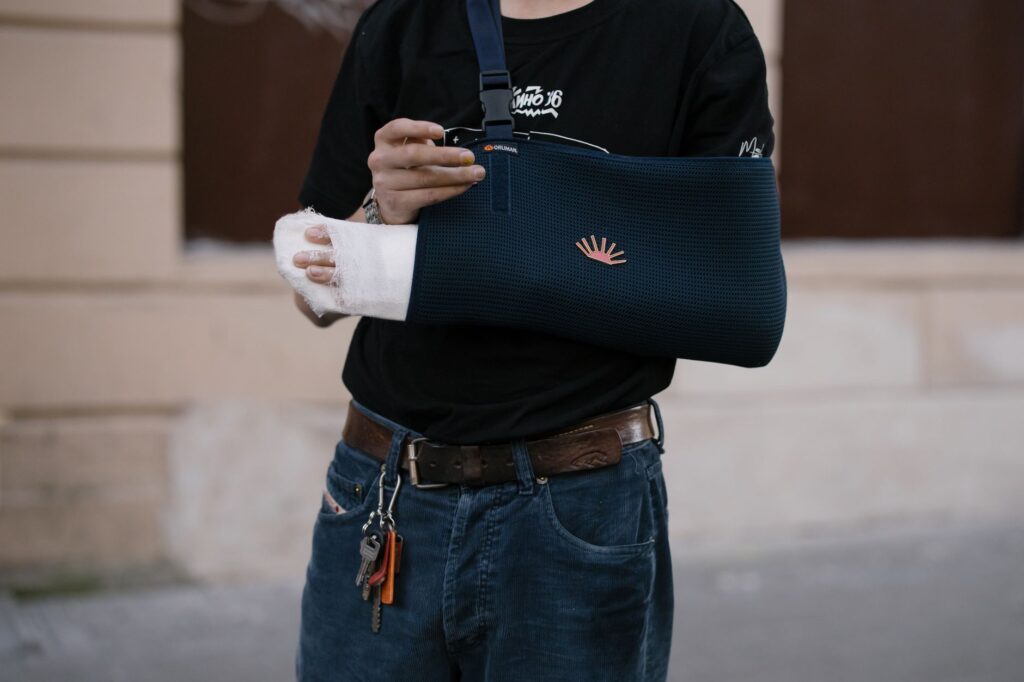
- Fractures: Broken bones require immobilization to prevent further damage. Seek medical attention immediately if you suspect a fracture.
- Cuts: For minor cuts, clean the wound and apply a sterile bandage. If the cut is deep or bleeding profusely, professional medical help is necessary.
Understanding how to handle injuries effectively can reduce recovery time and ensure proper healing. By recognizing the steps after an injury and acting swiftly, you can safeguard your health and well-being.
“`html
First Steps After Injury: A Step-by-Step Guide
Assessing the Situation
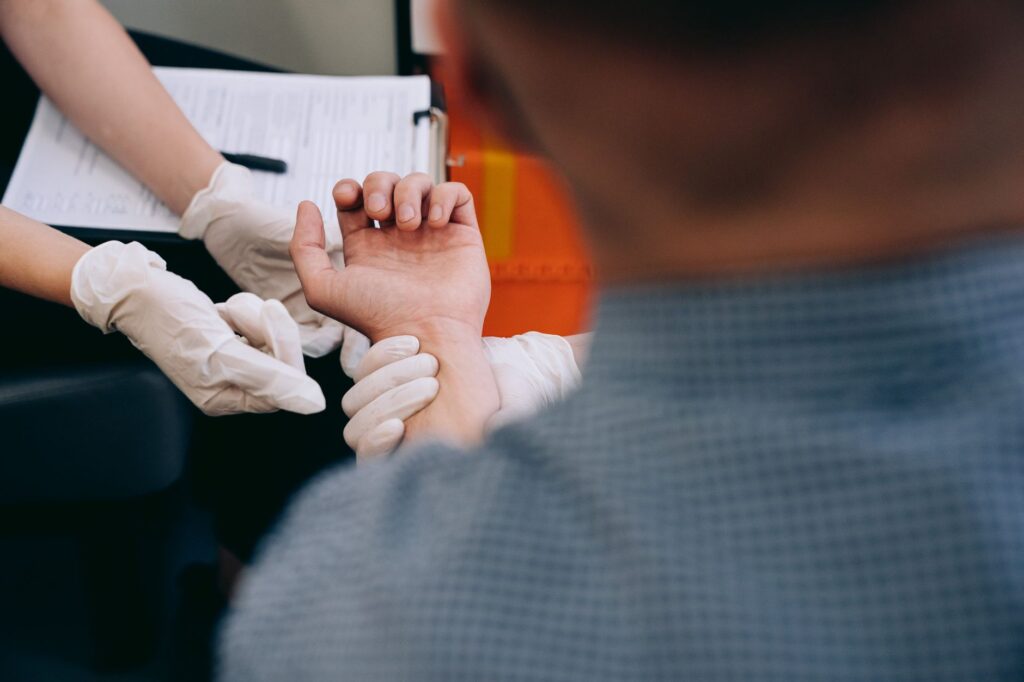
When an injury occurs, the first crucial step is to assess the situation. This involves determining the severity and type of injury sustained. Start by checking for visible signs of injury, such as swelling, bruising, or bleeding. Ask the injured person about their symptoms, pain level, location, and any difficulty moving. This initial evaluation is vital in deciding whether immediate medical attention is needed.
Use the injury assessment checklist to guide your evaluation. Look for the following:
- Level of consciousness: Is the person alert and responsive?
- Breathing: Are they breathing normally?
- Pain: Where is the pain located, and how severe is it?
- Mobility: Can they move the affected area without excessive pain?
If the injury appears severe, such as fractures, deep wounds, or if the person is unconscious, seek medical help immediately. Understanding how to handle injuries effectively at this stage can prevent further complications.
Calling for Help
Once you have assessed the injury, the next step involves calling for help. If the situation warrants it, dial emergency services or have someone transport the injured party to a healthcare facility. Be prepared to provide information about the nature of the injury, the person’s condition, and your location.
While waiting for help to arrive, ensure the injured person remains as comfortable as possible. If applicable, apply the RICE method (Rest, Ice, Compression, Elevation) to manage pain and swelling. This method is an essential component of the steps after an injury and can significantly aid recovery.
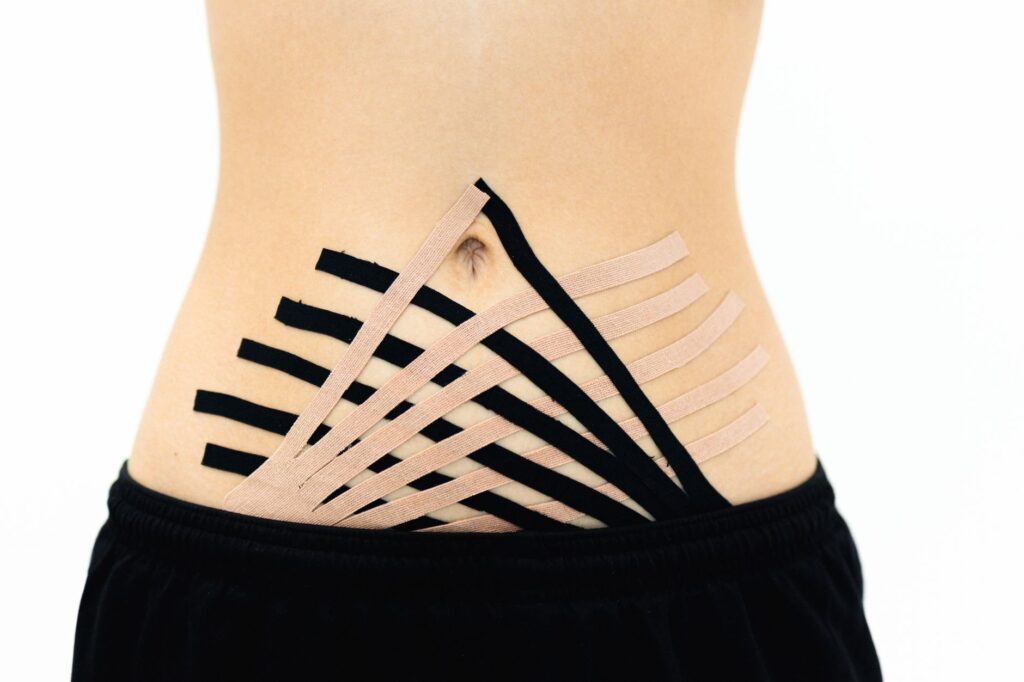
knowing the first steps after injury can be critical in ensuring proper care. By assessing the injury and calling for help when necessary, you can effectively manage the situation until professional medical assistance arrives.
“`
Managing Pain and Preventing Further Injury
One of the most critical steps after an injury is effectively managing pain and preventing additional damage. Understanding how to handle injuries promptly can make a significant difference in recovery time and overall outcome. Employing first aid techniques, such as the RICE method, can provide immediate relief and stabilization.
First Aid Techniques
The RICE method, which stands for Rest, Ice, Compression, and Elevation, is a widely recommended approach to manage pain and swelling:
- Rest: Avoid using the injured area to prevent further damage. This is essential for allowing the body to heal.
- Ice: Apply ice packs wrapped in a cloth to the affected area for 15-20 minutes every hour. This helps reduce swelling and numbs pain.
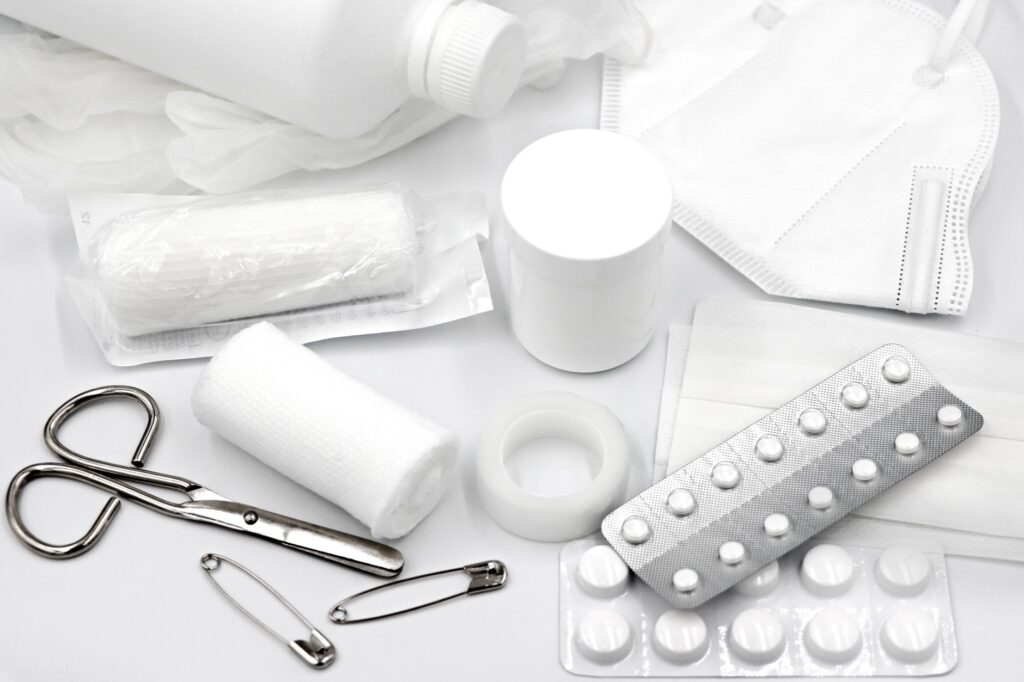
- Compression: Use an elastic bandage to wrap the injured area. This provides support and minimizes swelling.
- Elevation: Keep the injured area raised above heart level to reduce swelling.
For more details about these techniques, refer to our What to Expect in Your Injury Claim Process resource. These first steps after an injury can be crucial in managing pain effectively and facilitating recovery.
When to See a Doctor
While the RICE method can address many minor injuries, certain signs indicate that professional medical treatment may be necessary. Seek medical attention if you experience:
- Severe pain that does not improve with rest and ice
- Swelling that worsens or does not decrease after 48 hours
- Inability to move or bear weight on the injured area
- Signs of infection, such as redness, warmth, or discharge
Recognizing when to escalate your care is vital in your injury response guide. Taking these proactive steps after an injury can help ensure a smoother recovery and prevent complications.
Recovery Steps and Follow-Up Care
After addressing immediate concerns following an injury, the next phase involves recovery steps that are crucial for a successful healing process. Rehabilitation and follow-up care play an essential role in ensuring that you regain strength, mobility, and overall function.
Rehabilitation Options After Injury
Rehabilitation can encompass various therapies tailored to the type and severity of your injury. Common rehabilitation options include:
- Physical Therapy: Aimed at improving movement and strength through targeted exercises.
- Occupational Therapy: Focuses on helping individuals regain the skills needed for daily activities.
- Speech Therapy: Essential for those who may have sustained injuries affecting communication or swallowing.
- Psychological Counseling: Important for addressing emotional impacts such as anxiety or depression following a traumatic event.
These rehabilitation therapies not only aid in recovery but also help prevent future injuries. For more detailed information on available options, check our Step-by-Step Guide to Filing an Injury Claim.
Documenting Your Injury
Keeping thorough records of your injury and treatment is crucial, especially if you plan to file a claim or seek compensation. Documenting your injury involves:
- Taking detailed notes on your symptoms and treatment.
- Collecting medical records, including diagnoses, treatment plans, and referrals.
- Keeping receipts for medical expenses, therapy sessions, and any related costs.
- Photographing your injury and the healing process, if applicable.
These records not only support your recovery journey but also serve as valuable evidence should you need to demonstrate the extent of your injuries in any legal or insurance contexts. Understanding the first steps after injury and how to handle injuries effectively will set a firm foundation for your recovery.
Preventative Measures for Future Injuries
Taking proactive measures is essential to avoid injuries in the future. Understanding the right safety precautions and maintaining a healthy lifestyle can significantly reduce the risk of accidents. In this section, we will discuss effective strategies that can help you stay safe and fit, ensuring you are well-prepared should you need to implement the steps after an injury.
Safety Precautions
One of the most effective ways to prevent injuries is to adopt proper safety precautions. Consider the following:
- Use Appropriate Safety Gear: Always wear the necessary protective equipment based on your activity. This includes helmets, knee pads, and other gear that can absorb impact.
- Follow Guidelines: Whether at home, work, or during sports, adhere to established safety protocols. For example, ensure that workspaces are free of hazards and sports are played in safe environments.
- Educate Yourself: Familiarize yourself with an injury response guide that outlines common injuries and prevention strategies.
Staying Active and Fit: Steps After an Injury
Maintaining a regular fitness routine is crucial for overall health and injury prevention. Here are some actionable steps to enhance your physical condition:
- Warm-Up Exercises: Always incorporate a proper warm-up before any physical activity. This prepares your muscles and reduces the risk of strains.
- Strength Training: Focus on building strength in essential muscle groups to support your joints and improve overall stability.
- Flexibility Training: Engage in stretching exercises to maintain flexibility, which can reduce the likelihood of injuries during sudden movements.
By integrating these safety measures and fitness strategies into your routine, you can significantly lower your chances of injury. For additional advice on injury prevention, explore our Benefits of Using an Online Injury Claim Calculator.
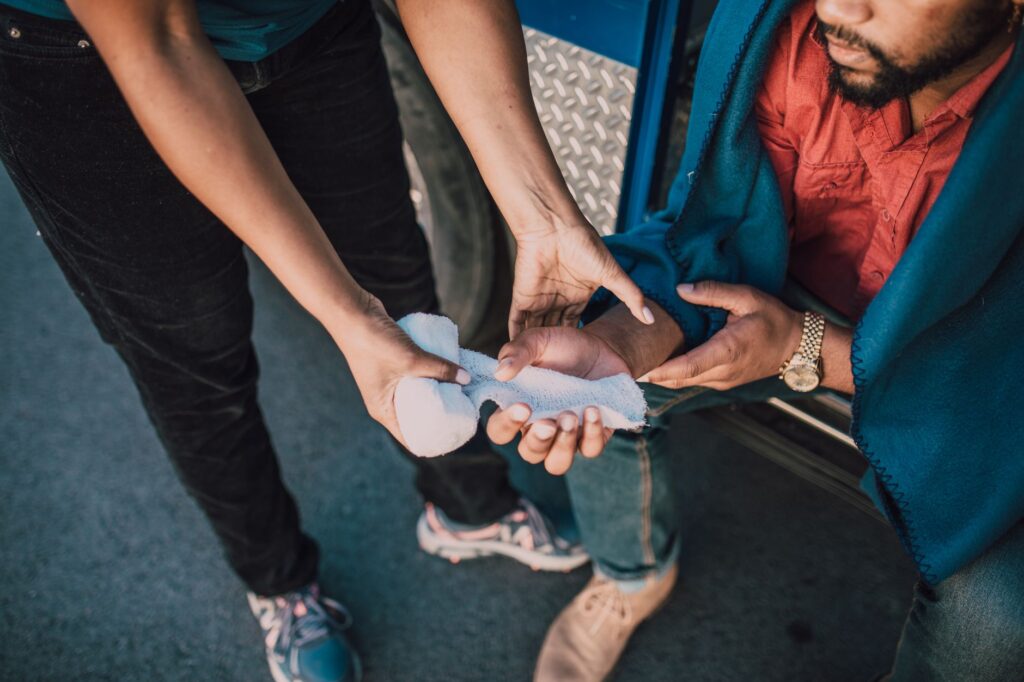
Taking the proper steps after an injury is crucial for effective recovery and minimizing long-term impacts. Following this injury response guide will help you navigate through the initial chaos, ensuring you know how to handle injuries efficiently. Remember, the first steps after injury often set the tone for your healing process. Whether it’s seeking medical attention or managing pain at home, your actions in those critical moments matter.
As you proceed with your recovery, stay informed and proactive. Consider consulting healthcare professionals for personalized advice tailored to your specific situation. This approach will enable you to follow the essential steps after an injury and maintain your overall well-being. Take the initiative today by reviewing your injury response guide and preparing a plan to manage any potential challenges that may arise during your recovery journey.
“`html
What are the first steps after an injury?
The first steps after an injury should focus on assessing the situation and addressing immediate needs. Begin by stopping any activity and resting the injured area. Apply ice to reduce swelling and pain, and use compression bandages if necessary. Elevating the injury can also help minimize swelling. Following these initial steps after an injury is crucial to prevent further damage and aid recovery.
How do I assess my injury at home?
To assess your injury at home, start by examining the affected area for swelling, bruising, or deformity. Check your range of motion by gently moving the joint or area, and assess the level of pain. If you experience severe pain, inability to move the body part, or significant swelling, these may indicate a more serious injury. Keeping a log of your symptoms can also be helpful for healthcare providers.
When should I seek medical help for an injury?
You should seek medical help for an injury if you experience severe pain, cannot move the affected area, have visible deformities, or if swelling persists after 48 hours. Additionally, if you notice signs of infection, such as increased redness, warmth, or fever, it’s important to consult a healthcare professional. Always err on the side of caution, especially with head, neck, or back injuries.
What are common pain management techniques for injuries?
Common pain management techniques for injuries include the R.I.C.E. method, which stands for Rest, Ice, Compression, and Elevation. Over-the-counter pain relievers like ibuprofen or acetaminophen can also be effective. Additionally, gentle stretching and strengthening exercises may alleviate discomfort as healing progresses. If pain persists, consult a healthcare provider for further evaluation and treatment options.
How can I prevent future injuries?
Preventing future injuries involves several proactive steps. First, ensure you warm up adequately before engaging in physical activities and cool down afterward. Wearing appropriate gear and practicing proper techniques can also help reduce the risk of injury. Strengthening exercises for muscles and joints can provide additional support. Lastly, listen to your body and avoid pushing through pain, which can lead to further issues.
What documentation should I keep after an injury?
After an injury, it is essential to keep detailed documentation for your records. This should include medical reports, treatment plans, and any prescriptions. Additionally, record any notes on symptoms, pain levels, and recovery progress. If the injury was due to an accident, gather evidence such as photos, witness statements, and police reports if applicable. This information can be crucial for insurance claims or legal purposes.
“`