
The time to receive injury settlement can often feel uncertain and overwhelming for those navigating the aftermath of an accident. Understanding the intricacies of the injury claim timeline is essential for anyone seeking compensation for their injuries. This article will provide a comprehensive overview of what to expect during the personal injury claim process, including key milestones and common pitfalls that may extend the settlement duration. We will discuss typical delays that can arise, such as disputes over liability or complications in medical documentation, and offer strategies to expedite your injury settlement. By the end of this article, you will be better equipped to prepare for your settlement journey and understand the factors that influence how quickly you can receive your compensation. For further insights into the personal injury claims process, consider visiting Nolo or FindLaw.
Understanding the Time to Receive Injury Settlement
Injury settlements can vary significantly in their timelines, which can be a source of confusion for many individuals navigating the personal injury claim process. Understanding the typical time to receive injury settlement is essential for managing expectations. Various factors contribute to how long it takes to finalize a settlement, including the complexity of the case, the negotiation stage, and the practices of the involved insurance companies.
Factors Influencing Settlement Duration
Several key factors can impact the settlement duration of an injury claim:
- Case Complexity: More complicated cases, particularly those involving serious injuries or multiple parties, often require more time for investigation and negotiation.
- Negotiation Stage: The back-and-forth negotiations between the injured party and the insurance company can prolong the process, especially if both sides are far apart in their settlement offers.
- Insurance Company Practices: Different insurance companies have varying procedures for handling claims, which can affect how quickly a settlement is reached.
The Personal Injury Claim Process Explained: How It Impacts the Time to Receive Injury Settlement
To better understand the factors affecting the time to receive injury settlement, it’s important to break down the personal injury claim process into stages:
- Initial Consultation: Meeting with a personal injury attorney to assess the case.
- Filing the Claim: Submitting the necessary paperwork to initiate the claim.
- Investigation: Gathering evidence and documentation to support the claim.
- Negotiation: Engaging in discussions with the insurance company to reach a fair settlement.
- Settlement Agreement: Finalizing the terms and receiving payment.
Each of these stages can affect the overall timeline. For instance, if the investigation takes longer due to the complexity of the case, this will extend the time to receive the settlement. Therefore, being aware of each phase in the process can help claimants better anticipate how long they might wait for their settlement.

Understanding these elements can empower individuals to navigate their claims more effectively. For further information on the various stages of the injury claim timeline, consider consulting with a qualified attorney who can provide personalized insights based on your specific situation. How Long Does It Take to Settle an Injury Claim?
The Injury Claim Timeline: What to Expect
Initial Steps of Filing an Injury Claim
When embarking on the personal injury claim process, the initial steps are crucial for ensuring a successful outcome. The first step involves gathering all relevant evidence and documentation related to your injury. This includes medical records, photographs of the accident scene, witness statements, and any police reports. Each piece of evidence plays a critical role in establishing liability and the extent of your damages.
Typically, this evidence-gathering phase can take anywhere from a few weeks to several months, depending on the complexity of the case and the availability of information. A comprehensive approach during this time can significantly impact the subsequent phases of your claim and the overall time to receive your injury settlement.
Negotiation and Settlement Phase: Affecting the Time to Receive Injury Settlement
Once you have compiled your evidence, you will enter the negotiation and settlement phase. This stage involves presenting your claim to the insurance company and negotiating a settlement amount. The negotiation process can vary in duration; it may take a few weeks if both parties are willing to reach an agreement, or it could extend to several months if disputes arise over liability or compensation amounts.
Factors such as the complexity of your case, the willingness of the insurance adjuster to negotiate, and the presence of legal representation can all affect the settlement duration. If negotiations stall, you may need to consider filing a lawsuit, which would further extend the timeline.
understanding the injury claim timeline is essential for setting realistic expectations regarding the time to receive your injury settlement. Taking proactive steps in the initial phase can streamline the negotiation process, ultimately leading to a quicker resolution.

Common Delays in the Settlement Process
Navigating the time to receive injury settlement can often feel like a lengthy and frustrating endeavor. Several factors contribute to delays, primarily stemming from issues with insurance companies and legal complications. Understanding these common delays can help claimants manage their expectations and prepare for the personal injury claim process.
Insurance Company Delays
Insurance companies are notorious for creating obstacles in the settlement process. One major reason for delays is disputes over liability. When parties involved disagree on who is at fault, negotiations can be prolonged, leading to extended settlement duration. Additionally, insurance companies may engage in tactics to minimize payouts, such as requesting excessive documentation or conducting thorough investigations. These actions can significantly extend the injury claim timeline, leaving claimants waiting for a resolution.
Legal Complications and Their Impact on the Time to Receive Injury Settlement
Legal complexities can also prolong the time to receive injury settlement. If a case requires litigation, the court schedules and procedural requirements can add significant delays. For instance, trial dates may be set months or even years after the initial filing, depending on the court’s backlog. Furthermore, pre-trial motions and hearings can consume additional time, complicating the personal injury claim process. Claimants should be aware that these legal factors can create a more extended timeline than they initially anticipated.
While delays are often unavoidable, being informed about the potential challenges can empower claimants to take proactive steps in their pursuit of justice and compensation. Understanding these common issues is crucial for setting realistic expectations throughout the process.

Strategies to Expedite Your Injury Settlement
Effective Communication with Insurers for a Quick Time to Receive Injury Settlement
Clear and effective communication with insurance companies is crucial to expedite your injury settlement. Start by documenting all interactions, including dates, names of representatives, and details discussed. This creates a timeline of your communications, which can be essential if disputes arise.
When speaking with insurers, be concise and direct. Clearly present your case, emphasizing the facts surrounding your injury, the impact on your life, and any relevant medical documentation. Be prepared to negotiate and counter their initial offers, as they may not reflect the actual value of your claim. You should also follow up regularly to check on the status of your claim, which shows your commitment and can help keep your case moving forward.
Additionally, keep all relevant documents organized and accessible. This includes medical records, bills, accident reports, and any correspondence with the insurer. Having this information at your fingertips can significantly reduce the settlement duration by facilitating quick responses to any questions or requests from the insurance company.
Working with Legal Professionals to Shorten the Injury Claim Timeline
Hiring a legal professional can greatly benefit your personal injury claim process. Experienced attorneys understand the intricacies of injury claims and can navigate the complexities of negotiations with insurance companies. They can ensure that your claim is presented effectively and that all necessary documentation is included to support your case.
Moreover, legal experts can help you determine an appropriate settlement amount based on your injuries and the impact on your quality of life, which can improve your bargaining position. They are also skilled in handling disputes and can advocate on your behalf, which may lead to a faster resolution.
Before meeting with your attorney, gather all relevant documents, such as medical records, police reports, and any evidence related to your injury. This preparation will streamline your discussions and allow your attorney to craft a stronger case.
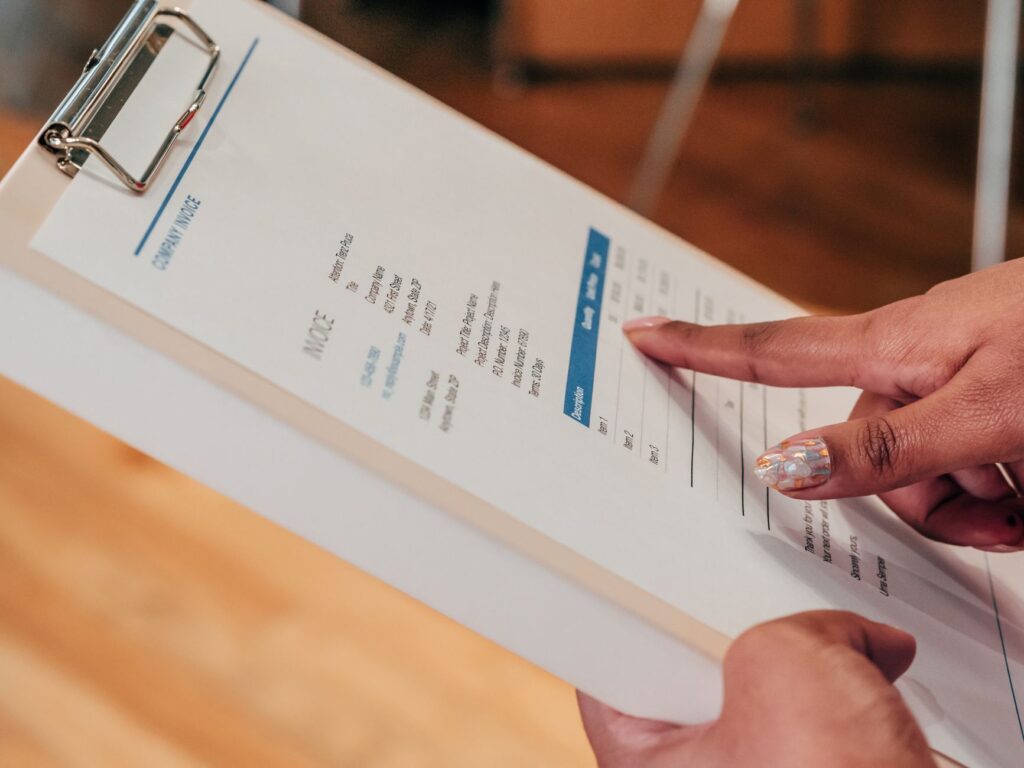
By utilizing effective communication strategies and collaborating with legal professionals, you can significantly reduce the time to receive injury settlement, making the entire process more efficient.
Conclusion: Preparing for Your Settlement Journey
Understanding the injury claim timeline and the factors that influence the time to receive injury settlement is crucial for anyone navigating the personal injury claim process. Throughout this article, we have explored the various stages of a personal injury claim, from gathering evidence to negotiating with insurance companies. Each phase plays a vital role in determining the overall settlement duration.
It’s important to set realistic expectations regarding when you can expect to receive your settlement. Factors such as the complexity of your case, the extent of the injuries, and the willingness of the insurance company to negotiate can all affect how long the process takes. Being proactive in your approach, maintaining communication with your attorney, providing necessary documentation promptly, and understanding the potential challenges, can significantly streamline the process.
As you prepare for this journey, consider the following actionable takeaways:
- Stay informed: Familiarize yourself with the personal injury claim process to understand what to expect at each stage.
- Communicate: Keep an open line of communication with your legal counsel to avoid delays.
- Be patient: Understand that while the time to receive injury settlement can vary, persistence is key.
Ultimately, having a clear grasp of the injury claim timeline and being actively involved in your case can help manage your expectations and lead to a more successful outcome. For further insights into this topic, consider exploring What to Expect in the Post Injury Claim Process.

Understanding the time to receive an injury settlement is crucial for anyone navigating the personal injury claim process. Various factors can influence the injury claim timeline, from the complexity of the case to the willingness of the insurance company to negotiate. Being aware of the typical settlement duration can help you set realistic expectations and reduce anxiety during this challenging time.
As you move forward, consider consulting with a qualified attorney who can guide you through each step of your claim. They can provide insights into the specific factors affecting your case and help expedite the settlement process. By taking this proactive approach, you can better manage your expectations and work towards a fair resolution in a timely manner.
“`html
How long does it usually take to receive an injury settlement?
The time to receive an injury settlement can vary significantly, typically ranging from a few months to several years. Factors such as the complexity of the case, the willingness of the insurance company to negotiate, and the extent of medical treatment involved can all influence the duration. On average, most settlements are finalized within 6 to 18 months, but each case is unique and may take longer depending on specific circumstances.
What factors affect the injury claim timeline?
Can I speed up the settlement duration?
What is the personal injury claim process like?
The personal injury claim process typically begins with gathering evidence to support your claim. This includes medical records, accident reports, and witness statements. Next, you would file a claim with the insurance company and negotiate a settlement. If an agreement cannot be reached, you may need to file a lawsuit. Throughout this process, it is essential to have legal guidance to navigate the complexities and ensure your rights are protected.
Why do injury settlements take so long?
What should I do if my settlement is delayed?
“`